Sardinian Folk Dress Revival: Heritage Brands & the Cambusciu in 2026
The Enduring Legacy of the Costume Sardo
In the landscape of European folk dress, few traditions are as visually striking or structurally complex as the Costume Sardo (traditional Sardinian dress). While many regional garments across Europe have been relegated to museum displays or annual tourist festivals, Sardinia’s textile heritage is experiencing a profound renaissance in 2026. Driven by a new generation of artisans, heritage brands, and weaving cooperatives, the traditional Sardinian wardrobe is being meticulously preserved and adapted for contemporary slow-fashion enthusiasts. At the heart of this revival is the cambusciu, the iconic stiffened bodice that serves as the architectural centerpiece of the island’s womenswear, alongside the heavily pleated pannedda skirt.
According to cultural data aggregated by Cultura Italia, the demand for authentic, regionally specific European folk garments has surged by over 35% since 2024, largely fueled by a global pivot toward sustainable, heritage-based wardrobes. Today, we explore the anatomy of these garments, the cooperatives keeping the looms running, and how you can source and care for authentic Sardinian textiles in 2026.
The Anatomy of the Traditional Sardinian Wardrobe
To understand the craftsmanship involved, one must first deconstruct the layers of the traditional female wardrobe, which varies significantly from village to village—from the dark, austere wools of the Barbagia region to the vibrant silks and gold filigree of Campidano.
Sa Camicia (The Chemise)
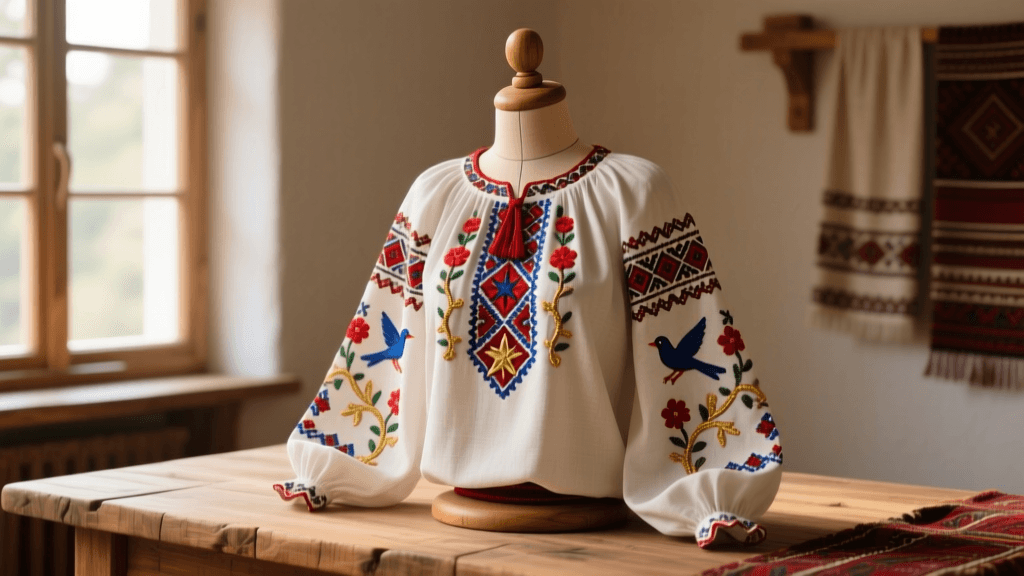
The foundation of the outfit is sa camicia, a voluminous linen chemise. In 2026, heritage brands are reviving ancient embroidery techniques like punto nuorese and punto sardo to adorn the chest and cuffs. This geometric, drawn-thread work requires hundreds of hours of hand-stitching, making authentic pieces highly prized by textile collectors.
Su Cambusciu (The Bodice)
The cambusciu is the defining garment of the Sardinian silhouette. Historically stiffened with layers of canvas, reeds, or even cardboard to create a rigid, corset-like structure that lifts and supports the bust, it is typically crafted from velvet, silk brocade, or fine wool. The front panels are often left open to reveal the embroidered chemise beneath, while the back is laced tightly with silk ribbons. Modern 2026 reproductions by heritage ateliers often substitute historical reeds with flexible steel boning for improved comfort and longevity, without sacrificing the traditional rigid silhouette.
Sa Pannedda (The Skirt)
The pannedda is a masterclass in textile manipulation. Woven from coarse local wool or the prized orbace (a traditional, water-resistant Sardinian wool), the fabric is tightly pleated using a technique that involves boiling and pressing the wool into permanent, accordion-like folds. The hem is usually finished with a contrasting band of silk or velvet known as the balza, which adds weight and creates a distinctive swishing motion when walking.
The 2026 Revival: Heritage Cooperatives and Artisans
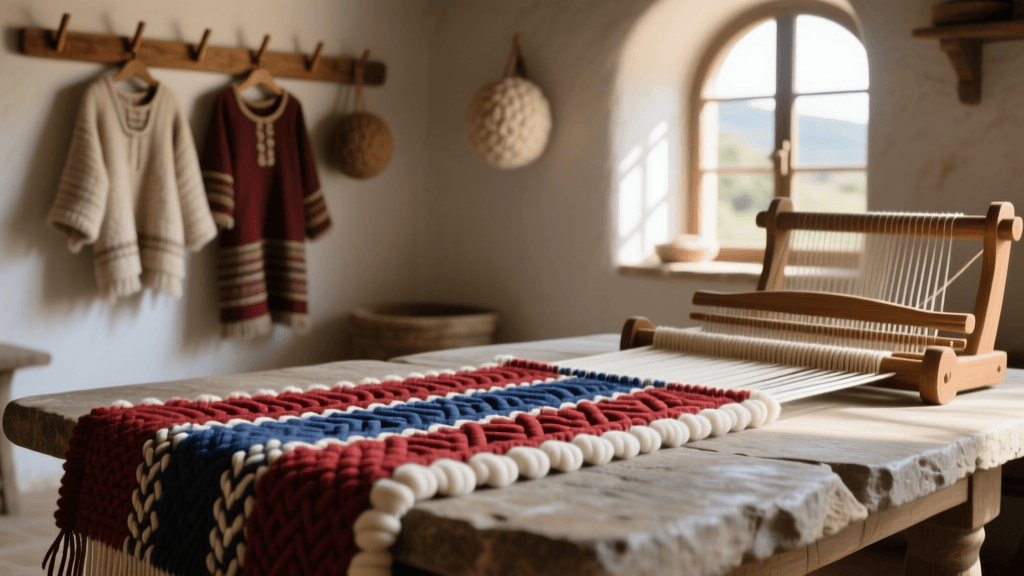
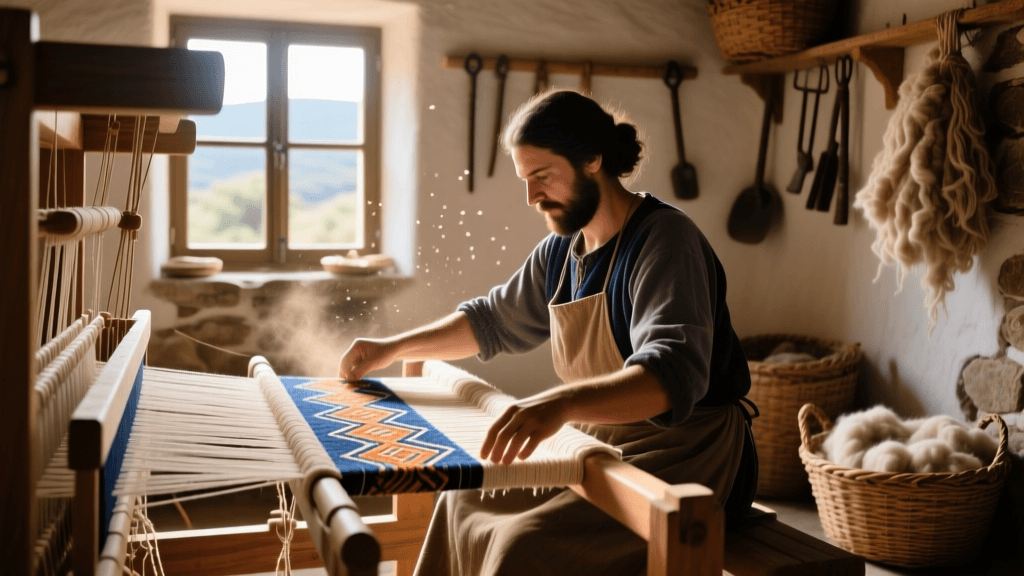
The survival of these complex garments relies heavily on localized cooperatives. In villages like Samugheo, Nuoro, and Oliena, weaving is not just a craft; it is the economic and cultural lifeblood of the community. The Sardegna Cultura portal frequently highlights how these cooperatives are bridging the gap between ancestral techniques and modern market viability.
In 2026, cooperatives are utilizing digital archiving to preserve fading village-specific patterns, ensuring that a cambusciu from Desulo is not mistakenly blended with motifs from Busachi. Furthermore, younger artisans are integrating sustainable, locally sourced dyes—such as madder root for reds and woad for blues—reducing reliance on imported synthetic chemicals and appealing to the eco-conscious luxury market.
'The loom is our voice. When we weave the orbace for a pannedda, we are not just making a skirt; we are weaving the memory of our grandmothers into a future that respects the earth and our history.' — Artisan Weaver, Cooperativa Tessile di Samugheo, 2026.
Material Sourcing and 2026 Pricing Guide
Acquiring an authentic, handcrafted Sardinian garment is an investment in wearable art. Mass-produced 'costumes' sold in tourist hubs lack the structural integrity, historical accuracy, and material quality of cooperative-made pieces. Below is a comprehensive guide to the materials and current 2026 market pricing for authentic, artisan-crafted components.
| Garment Component | Traditional Material | 2026 Artisan Price (EUR) | Estimated Lead Time |
|---|---|---|---|
| Cambusciu (Bodice) | Hand-embroidered Velvet / Brocade | €850 - €1,600 | 3 - 5 Months |
| Pannedda (Pleated Skirt) | Orbace Wool with Silk Balza | €450 - €800 | 2 - 4 Months |
| Camicia (Chemise) | Handwoven Linen, Punto Sardo | €300 - €650 | 2 - 3 Months |
| Muncadori (Headscarf) | Silk Tulle / Hand-loomed Cotton | €120 - €280 | 1 - 2 Months |
Note: Prices reflect bespoke, made-to-measure commissions from certified artisans. Ready-to-wear heritage pieces from established cooperatives may be priced 20-30% lower but offer limited sizing.
Authenticating and Sourcing Your Garments
As the global appetite for European folk dress grows, so does the market for counterfeit or mass-manufactured imitations. When sourcing a cambusciu or pannedda in 2026, buyers must exercise due diligence. The most reliable method of authentication is to look for the Marchio di Qualità Artigianale (Artisanal Quality Mark), a certification overseen by regional bodies to guarantee that the item was crafted locally using traditional methods.
According to the Sardegna Turismo official craft directories, buyers should prioritize direct commissions from registered weaving cooperatives or attend the annual Fiera dell'Artigianato della Sardegna (Sardinian Craft Fair) held in Cagliari each May. When ordering a bespoke cambusciu, be prepared to provide highly specific measurements. Because the bodice is structurally rigid, artisans require precise torso, underbust, and overbust measurements, as well as the exact distance from the shoulder to the natural waist, to ensure the historical silhouette is achieved without restricting breathing.
Caring for Heritage Wool and Linen
Maintaining these garments requires a departure from modern laundry habits. The materials used in the Costume Sardo are natural, untreated, and highly sensitive to harsh chemicals and agitation.
- Orbace Wool Care: Never machine wash or submerge orbace wool. The tight, water-resistant weave of the pannedda can be ruined by modern detergents, which strip the wool of its natural lanolin. Instead, air the garment outside on a dry, breezy day and use a soft-bristled garment brush to remove dust. For deep stains, consult a dry cleaner who specializes in historical textiles.
- Velvet and Brocade Maintenance: The velvet used for the cambusciu crushes easily. Store the bodice flat or on a heavily padded, wide hanger to maintain the structural integrity of the boning. If the velvet pile becomes crushed, gently steam it from a distance of at least six inches, brushing lightly in the direction of the nap.
- Linen Chemise Preservation: While the linen camicia can be gently hand-washed in cool water with a pH-neutral soap, the intricate punto sardo embroidery is fragile. Never wring or twist the fabric. Roll it in a clean, dry towel to press out excess moisture, and iron it while slightly damp on the reverse side to protect the raised embroidery threads.
- Long-Term Storage: Store all components in acid-free tissue paper within a breathable cotton garment bag. Avoid plastic covers, which trap moisture and promote mold growth. Place natural cedar blocks in the storage area to deter moths, which are particularly drawn to the natural dyes and untreated wools of the pannedda.
The Future of Sardinian Textile Heritage
The year 2026 marks a pivotal moment for Sardinian folk dress. It is no longer viewed merely as a static costume of the past, but as a dynamic, living tradition that offers a sustainable alternative to fast fashion. By supporting heritage brands and weaving cooperatives, collectors and cultural enthusiasts are ensuring that the rhythmic clatter of the wooden loom and the meticulous stitch of the punto nuorese will continue to define the sartorial landscape of the Mediterranean for generations to come. Whether you are acquiring a fully bespoke cambusciu or simply investing in a handwoven linen chemise, you are participating in the vital preservation of Europe's most intricate textile legacy.