Romanian Ia Blouse Regional Guide: Authentic 2026 Sourcing & Styles
The Enduring Legacy of the Romanian Ia in 2026
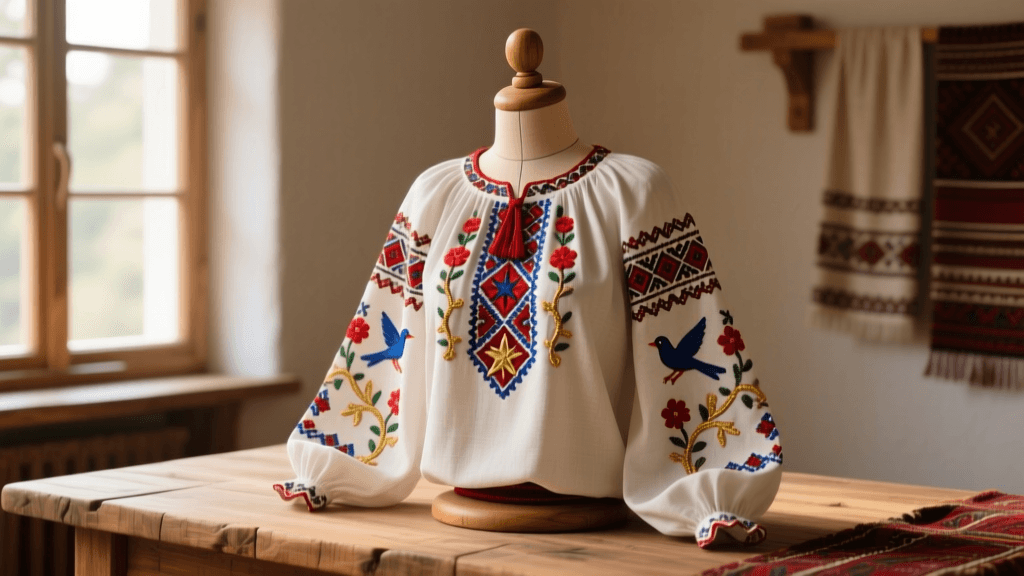
The Romanian Ia (pronounced "ee-ah") is far more than a simple peasant blouse; it is a masterclass in textile storytelling, identity, and regional pride. As we navigate the global fashion landscape in 2026, the demand for authentic, ethically sourced heritage garments has reached an all-time high. Discerning collectors, sustainable fashion enthusiasts, and cultural preservationists are increasingly turning away from mass-produced fast-fashion imitations and seeking out genuine, hand-embroidered Eastern European folk dress. The Ia Românească stands at the forefront of this movement, celebrated not only for its intricate needlework but for its profound connection to the agrarian rhythms and spiritual beliefs of historical Romanian village life.
The cultural significance of this garment has been formally recognized on a global scale. The traditional arts of the blouse with embroidery on the shoulder were inscribed on the UNESCO Representative List of the Intangible Cultural Heritage of Humanity. This prestigious designation has catalyzed a massive revival among young Romanians and international textile collectors in 2026, leading to a resurgence of traditional artisan cooperatives and a renewed focus on preserving ancestral stitching techniques that were nearly lost during the industrialization of the mid-20th century.
The Anatomy of an Authentic Ia
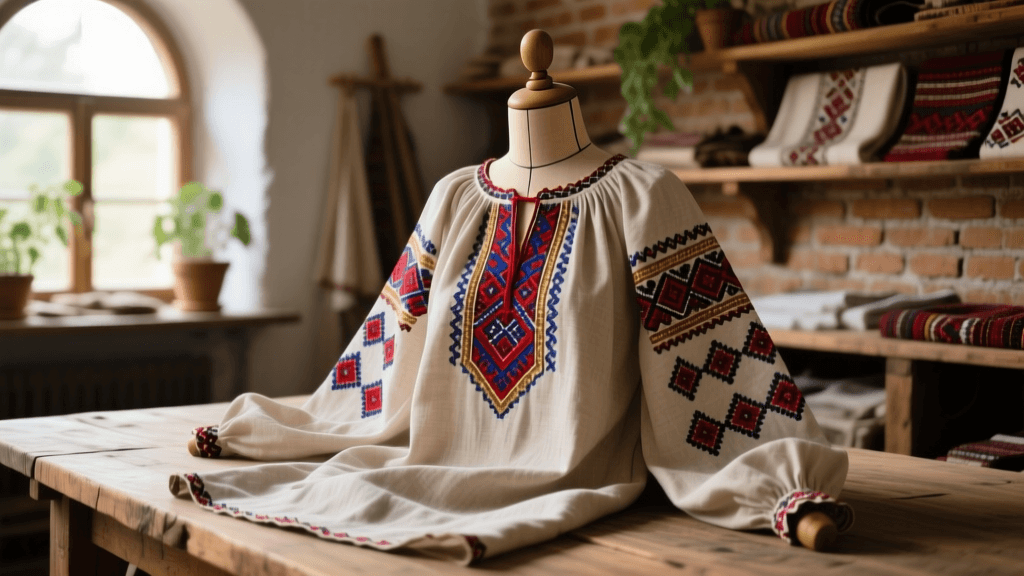
To distinguish a genuine heritage piece from a modern tourist-trap reproduction, one must understand the strict structural anatomy of the traditional Ia. The blouse is typically crafted from homespun hemp, flax, linen, or cotton, with later 19th and 20th-century pieces incorporating silk and metallic threads. The embroidery is never random; it follows a sacred, mathematical geometry designed to protect the wearer from evil spirits and to signify their marital status, age, and specific geographic origin.
The Three Pillars of Sleeve Embroidery
- Altița (The Shoulder Band): This is the most densely embroidered and visually striking part of the blouse. Located on the upper shoulder and sleeve, the altiță historically featured the most complex motifs, including stylized suns, stars, and geometric rhombuses. In 2026, master artisans still spend upwards of 40 hours embroidering just the altiță on a single high-end commission.
- Încrețul (The Gathering): Situated directly below the altiță, this is a narrower band of gathering and stitching that acts as a visual and structural transition. It often features a contrasting color palette and serves to cinch the voluminous sleeve fabric.
- Râurile (The Rivers): These are the vertical or diagonal lines of embroidery that "flow" down the length of the sleeve to the cuff. They symbolize the rivers of life, the passage of time, and the connection between the earthly and the divine. The spacing and thickness of the râuri are highly specific to regional traditions.
Regional Variations Across Romania
Romania's diverse topography—ranging from the sweeping plains of Muntenia to the dense forests and mountains of Transylvania and Moldova—has given rise to distinct regional styles. When sourcing an Ia in 2026, understanding these regional markers is essential for accurate cataloging and appreciation. Below is a comparative guide to the primary regional variations.
| Region | Primary Color Palette | Key Motifs & Style | Traditional Base Fabric |
|---|---|---|---|
| Moldova | Red, black, gold, orange | Geometric, stylized flora, horn motifs | Hemp, coarse cotton |
| Muntenia (Argeș) | Black, dark red, metallic silver | Intricate curvilinear, silk thread, elegant | Fine cotton, silk blends |
| Transylvania (Oaș) | Bold red, black, vivid orange | Dense geometric, heavy beadwork, thick | Linen, heavy cotton |
| Vâlcea | Red, blue, yellow, green | Alternating rivers, floral, vibrant | Woven cotton |
| Banat | Black, red, metallic gold | Asymmetrical, heavily influenced by silk | Silk, fine linen |
For those conducting deep historical research or verifying antique pieces, the archives at the Romanian Peasant Museum (Muzeul Național al Țăranului Român) remain the ultimate authority. Their extensive collections provide the baseline for authentic stitch counts, natural dye variations, and regional motif accuracy that contemporary collectors rely upon when evaluating pieces in today's market.
Sourcing Authentic Pieces in the 2026 Market
The market for traditional European folk dress has evolved significantly. In 2026, buyers are generally divided into three categories: antique collectors, supporters of contemporary artisans, and those seeking modern fashion adaptations. Here is what you need to know about pricing and sourcing to avoid overpaying for inauthentic goods.
1. Antique and Vintage (Pre-1960s)
Genuine vintage blouses are highly sought after. Pieces from the late 19th and early 20th centuries, particularly those featuring natural dyes and hand-spun hemp, are museum-quality investments. In 2026, expect to pay between €300 and €800 for a well-preserved antique Ia from Argeș or Vâlcea, depending on the condition of the silk threads and the complexity of the altiță. Sourcing these requires building relationships with specialized antique textile dealers in Bucharest, Cluj-Napoca, or reputable European auction houses.
2. Contemporary Artisan Cooperatives
The most ethical and vibrant way to acquire an Ia today is directly from rural artisan cooperatives. Villages in Gorj, Neamț, and Suceava have seen a renaissance of young women learning the traditional stitches from their grandmothers. A custom-commissioned, fully hand-embroidered blouse from a recognized artisan in 2026 typically costs between €150 and €350, reflecting the hundreds of hours of labor. Always request a certificate of authenticity and inquire about the origin of the thread.
3. The Tourist Trap Warning
Beware of "boutiques" in major tourist centers selling blouses for €30 to €50. These are almost exclusively machine-embroidered on synthetic blends, often imported from overseas. The embroidery will feel stiff, the back of the stitching will look identical to the front (a dead giveaway for machine work), and the fabric will lack the breathable, irregular texture of natural fibers.
Preservation and Textile Care
Heritage textiles require meticulous care to survive for future generations. Whether you are archiving a fragile 1890s Moldovan blouse or maintaining a newly commissioned piece, proper storage is non-negotiable. According to guidelines established by the Canadian Conservation Institute, textiles should be protected from direct ultraviolet light, fluctuating humidity, and acidic environments.
- Storage: Never hang an antique Ia on a wire or wooden hanger, as the weight of the embroidery will tear the fragile shoulder seams. Instead, pad the folds with acid-free tissue paper and store the garment flat in an archival-quality box.
- Cleaning: Avoid modern chemical detergents. If washing is absolutely necessary for a sturdy contemporary cotton piece, use a pH-neutral textile wash in cold water, and never wring the fabric. Lay it flat to dry away from direct sunlight to prevent the natural dyes from fading.
- Pest Control: Cedar blocks and lavender sachets are preferred over chemical mothballs, which can degrade metallic threads and alter the natural scent of the homespun fibers.
Styling the Ia for the Modern Wardrobe
In 2026, the integration of folk dress into contemporary wardrobes is all about juxtaposition. The heavy, intricate embroidery of the Ia pairs beautifully with minimalist, structured modern garments. For a sophisticated summer look, style a white linen Ia from Vâlcea with wide-legged, high-waisted tailored trousers and leather sandals. For autumn, the dark, metallic-threaded blouses of Muntenia look striking layered under a sharp, modern blazer or paired with dark, sustainable selvedge denim. The key is to let the blouse remain the focal point of the outfit, honoring its status as a wearable piece of art.
Conclusion
The Romanian Ia is a testament to the resilience of European folk traditions. As we move through 2026, the responsibility of sourcing, preserving, and wearing these garments with respect falls to a new generation of cultural custodians. By understanding the regional nuances, supporting genuine artisans, and adhering to strict conservation practices, we ensure that the "rivers" of embroidery continue to flow for centuries to come.