Sardinian Pibiones Weaving & Orbace Wool: 2026 Buyer's Guide
The Enduring Legacy of Sardinian Folk Textiles
When exploring the rich tapestry of European folk dress, few regions offer a textile heritage as distinct, resilient, and visually striking as the Mediterranean island of Sardinia. Unlike the rapidly shifting fashion capitals of mainland Italy, Sardinia's historical isolation has served as a protective incubator for ancient garment-making techniques. In 2026, as the global fashion industry pivots heavily toward hyper-local, sustainable, and traceable supply chains, Sardinian traditional garments—specifically those utilizing pibiones weaving and orbace wool—are experiencing a profound renaissance. According to regional cultural archives documented by Sardegna Cultura, these textiles are not merely historical artifacts; they are living, breathing components of the island's identity, now being championed by a new generation of heritage cooperatives and luxury buyers seeking authenticity.
Understanding Pibiones: The 'Grain' Weave
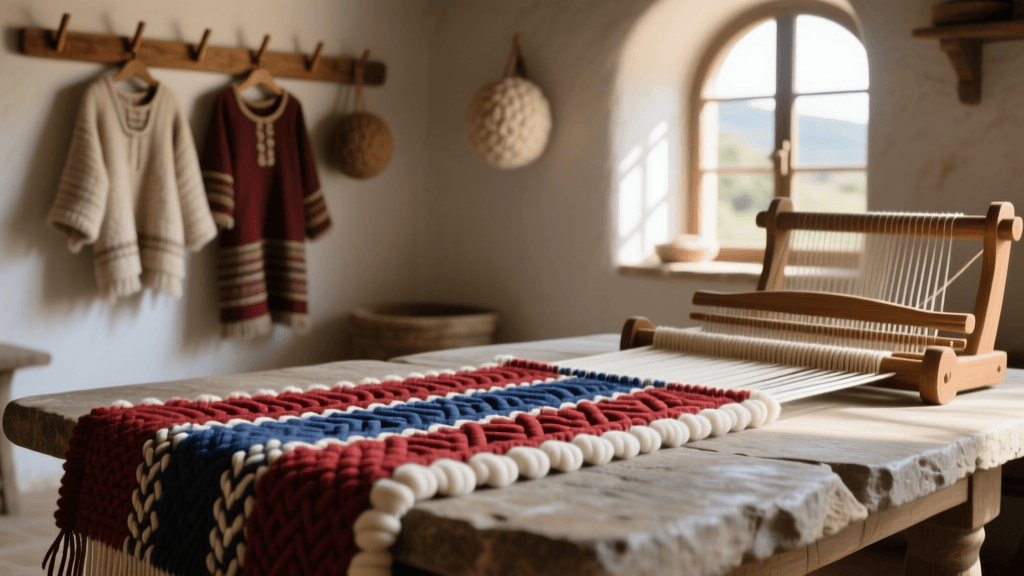
The term pibiones translates roughly to 'grapes' or 'grains' in the Sardinian dialect, referring to the distinct, raised bumps that characterize this unique weaving technique. Originating in the central mountainous regions of the island, particularly around the villages of Samugheo and Atzara, pibiones weaving is executed on traditional wooden floor looms. The artisan manually wraps the weft thread around a smooth wooden rod before beating it down, creating a three-dimensional, textured surface that is both highly decorative and remarkably durable.
Historically, pibiones was reserved for a bride's trousseau, utilized in heavy bedspreads, ceremonial towels, and the intricate hems of traditional skirts. Today, in 2026, contemporary heritage brands have adapted this technique to create luxury table runners, high-end upholstery, and striking accent panels on modern outerwear. The tactile nature of the grain weave ensures that each piece catches the light differently, giving the garment a dynamic, almost sculptural quality that flat, machine-woven textiles simply cannot replicate.
Orbace Wool: The Shepherd's Armor
While pibiones represents the decorative zenith of Sardinian weaving, orbace (also known locally as furesi) represents its utilitarian soul. Orbace is a coarse, heavy, and incredibly dense wool woven from the fleece of indigenous Sardinian sheep. The yarn is spun tightly and woven on narrow looms, resulting in a fabric that is naturally water-repellent, windproof, and highly insulating. For centuries, this was the primary material used by Sardinian shepherds to survive the harsh, unforgiving winters of the Gennargentu mountains.
The most iconic garment crafted from orbace is the mastruche, a sleeveless, open-front vest that drapes heavily over the shoulders. The mastruche is typically left in the natural, undyed colors of the sheep's fleece—ranging from deep charcoal and rich espresso brown to pale cream and heather grey. In 2026, the mastruche has transcended its pastoral origins, appearing in the collections of European heritage-fashion boutiques as a statement piece of sustainable, slow-fashion outerwear. Its rugged texture and architectural silhouette make it a favorite among collectors of authentic regional workwear.
Natural Dyes and the Epicenter of Samugheo
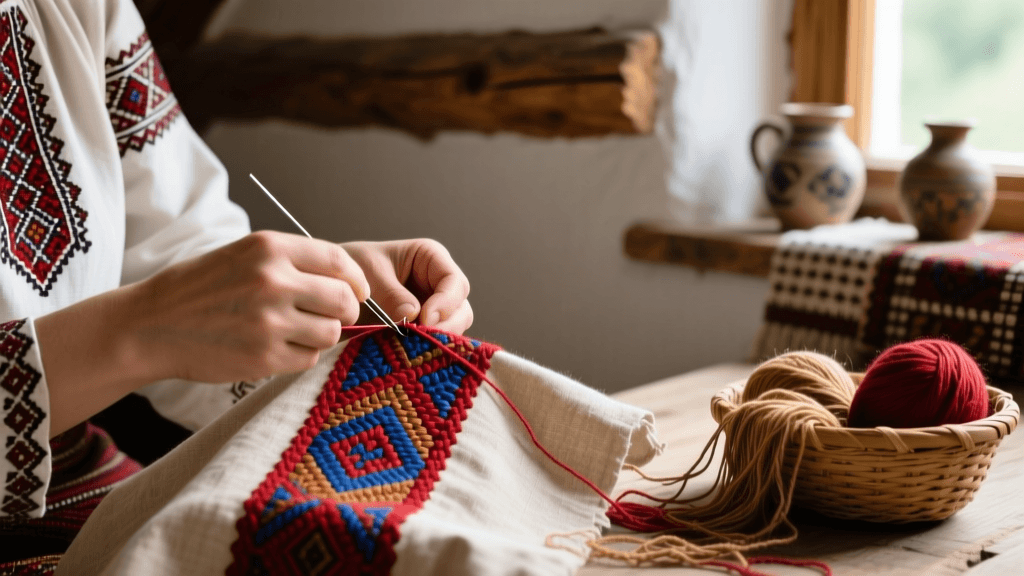
The village of Samugheo remains the undisputed epicenter of Sardinian textile heritage. Walking through its narrow streets in 2026, the rhythmic clacking of wooden looms still echoes from open doorways. The artisans here are fiercely dedicated to natural dyeing processes, a practice that has seen a massive resurgence due to the EU Strategy for Sustainable and Circular Textiles, which heavily incentivizes the elimination of toxic synthetic dyes in European manufacturing.
Heritage weavers in Samugheo utilize native flora to achieve their vibrant color palettes. Madder root (Rubia tinctorum) is cultivated to produce deep, rust-red hues, while walnut husks yield rich, earthy browns. Saffron and wild chamomile provide brilliant yellows, and local lichen species are carefully harvested to create subtle, muted greens. This strict adherence to botanical dyes ensures that the garments are entirely biodegradable and hypoallergenic, aligning perfectly with the demands of the eco-conscious 2026 luxury market.
2026 Buyer's Guide: Authentic Heritage vs. Commercial Imitations
As the global appetite for 'cottagecore' and traditional European folk aesthetics grows, the market has been flooded with mass-produced imitations. For serious collectors and supporters of traditional crafts, knowing how to distinguish authentic Sardinian heritage pieces from factory-made knockoffs is crucial. Below is a comparative breakdown of what to expect when shopping for Sardinian textiles in 2026.
| Feature | Authentic Heritage (Samugheo / Artisan) | Commercial 'Island Style' (Mass Market) |
|---|---|---|
| Material Composition | 100% indigenous Sardinian sheep wool or locally grown linen | Acrylic blends, polyester, or imported commercial cotton |
| Weaving Technique | Hand-loomed; pibiones features true raised 3D grain | Machine-jacquard; flat imitation patterns printed or woven |
| Dye Sources | Botanical and natural (madder, walnut, chamomile) | Synthetic azo dyes and chemical fixatives |
| Garment Weight & Drape | Heavy, structured, wind-resistant (especially orbace) | Lightweight, flimsy, lacks thermal or water resistance |
| 2026 Average Price | €250 - €850+ for vests and large textiles | €45 - €120 for vests and decorative runners |
| Traceability | Signed by the weaver; cooperative certification tags | Generic 'Made in Italy' or imported labels |
Top Heritage Cooperatives and Artisans to Support
If you are looking to acquire genuine Sardinian folk garments or textiles in 2026, bypass the tourist traps in major coastal cities and purchase directly from the source or through verified heritage platforms. Supporting these cooperatives ensures the survival of the wooden loom tradition for the next generation.
- Cooperativa Tessitori di Samugheo: One of the oldest and most respected weaving cooperatives on the island. They specialize in large-scale pibiones bedspreads and traditional linen towels dyed with natural madder. Their showroom in Samugheo is open to visitors, and they offer international shipping for verified 2026 orders.
- Tessitura Artigiana Sarda (Muredda): Renowned for their meticulous recreation of historical patterns, this family-run workshop excels in blending orbace wool with fine linen accents. They are a premier source for authentic mastruche vests tailored to modern proportions while retaining historical construction methods.
- Artigianato Sardo (Regional Portal): For a broader selection, the official Italy.it cultural and tourism portals frequently highlight certified regional artisans who meet strict criteria for traditional craftsmanship, offering a curated directory of verified weavers across the island.
Integrating Sardinian Folk Elements into Contemporary Wardrobes
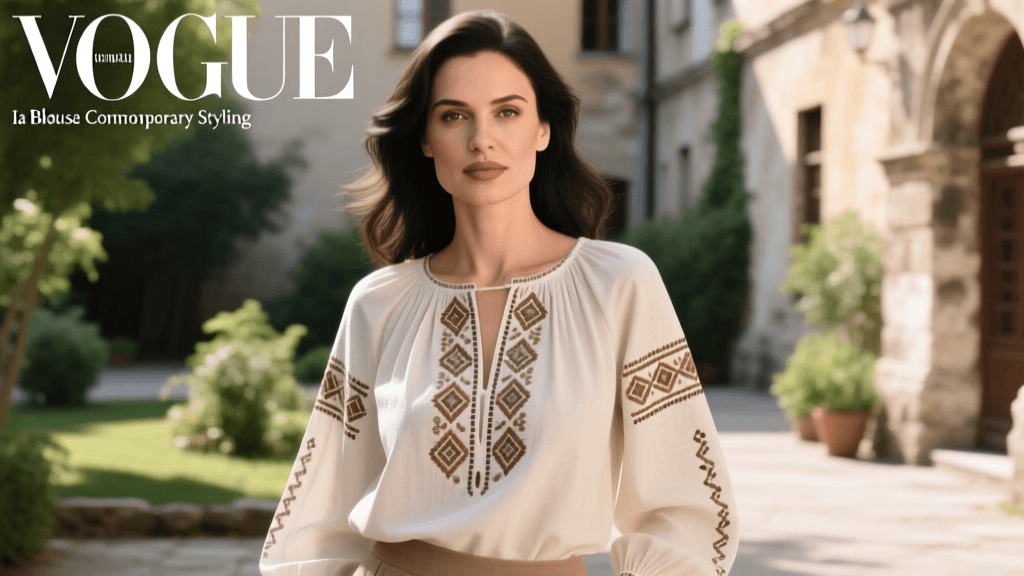
Wearing traditional European folk dress in a modern context requires a balance of respect for the garment's history and an eye for contemporary styling. The heavy, dark tones of an authentic orbace mastruche vest pair exceptionally well with modern minimalist tailoring. In 2026, a popular styling approach among heritage-fashion enthusiasts is to layer a charcoal orbace vest over a crisp, high-collar white linen shirt and tailored wool trousers, bridging the gap between rustic workwear and refined European elegance.
For those who prefer a more subtle nod to the tradition, incorporating pibiones-woven accessories is an excellent entry point. A narrow, madder-dyed pibiones belt or a textured woven scarf adds a profound layer of artisanal depth to an otherwise standard winter outfit. The raised grain of the weave acts as a natural conversation starter, carrying centuries of Mediterranean history within its threads.
Garment Care and Preservation
Authentic orbace wool and hand-loomed linens require specific care to maintain their structural integrity and natural water-resistant properties. The lanolin present in minimally processed orbace wool is what gives it its weatherproofing; stripping this with harsh detergents will ruin the garment.
- Orbace Wool Vests: Never machine wash. Spot clean with cold water and a very mild, lanolin-rich wool soap. For deep cleaning, seek out a specialist dry cleaner who understands heritage, unspun wools. Store folded in a cedar chest to deter moths naturally.
- Pibiones Linen Textiles: Hand wash in lukewarm water with a pH-neutral detergent. Do not wring or twist the fabric, as this can distort the raised grain pattern. Roll the textile in a clean, dry towel to press out excess moisture, and lay flat to dry away from direct sunlight to protect the natural botanical dyes from fading.
- Storage: Keep all natural-dyed textiles in breathable cotton garment bags. Avoid plastic covers, which can trap moisture and lead to mildew, particularly in the dense weaves of traditional Sardinian folk garments.
Conclusion
The survival of Sardinian pibiones weaving and orbace wool production is a testament to the fierce pride of the island's artisans. In 2026, investing in these garments is more than a fashion choice; it is an act of cultural preservation. By understanding the mechanics of the wooden loom, the chemistry of natural dyes, and the markers of true authenticity, collectors and enthusiasts can ensure that the profound legacy of Sardinian folk dress continues to be woven into the fabric of the future.