Romanian Ia Blouse: 2026 Contemporary Styling Guide
The Renaissance of the Romanian Ia in 2026
The intersection of heritage craftsmanship and modern sustainable fashion has never been more vibrant than it is in 2026. At the forefront of this European folk dress revival is the Romanian Ia (pronounced 'ee-ah'), a traditional peasant blouse that has transcended its rural origins to become a cornerstone of contemporary, eco-conscious wardrobes. Once relegated to museum archives and festive village wear, the Ia is now celebrated on global runways and in the closets of mindful consumers who value slow fashion, artisanal labor, and cultural storytelling.
As we navigate the 2026 fashion landscape, the demand for garments with a verifiable provenance and a low carbon footprint has skyrocketed. The Ia, with its intricate hand-embroidery, natural fiber base, and zero-waste construction, perfectly answers this call. However, integrating such a culturally significant and visually striking piece into a modern wardrobe requires a nuanced approach to styling. This guide explores the anatomy of the authentic Ia, ethical sourcing in the current market, and actionable strategies for styling this historic garment for contemporary life.
Anatomy of the Authentic Ia: Beyond the Aesthetic
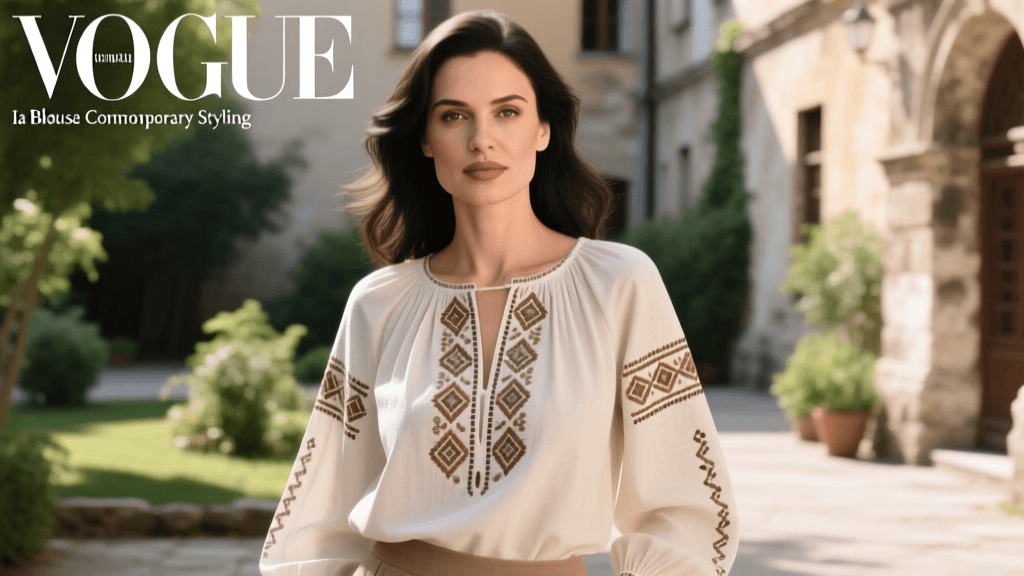
To style the Ia respectfully and effectively, one must first understand its architectural and symbolic components. The traditional Romanian blouse is not merely a decorated shirt; it is a coded textile that historically communicated the wearer's region, marital status, and social standing. The authentic Ia is constructed from a single piece of hand-woven linen, hemp, or cotton, utilizing a zero-waste geometric cutting technique that eliminates fabric scraps entirely.
The embroidery is the soul of the garment, structured into specific zones:
- Altița: The focal point of the blouse, this is the dense, heavily embroidered rectangular panel on the shoulder. In 2026, the altiță remains the most protected element of the design, often featuring geometric motifs, solar symbols, or stylized flora.
- Încreț: Located just below the altiță, this is a narrower band of embroidery that traditionally served to hide the gathering stitches of the sleeve.
- Râuri (Rivers): These are the vertical or diagonal bands of embroidery that flow down the sleeve and the body of the blouse, symbolizing the flow of water and life.
- Cheile (The Keys): Decorative lace-like seams that join the geometric panels of fabric together, often using intricate needle-weaving techniques.
Understanding these elements allows contemporary stylists to balance the visual weight of the blouse. A heavily embroidered altiță from the Olt region demands a different styling approach than the subtle, vertical râuri of a blouse from Maramureș.
Sourcing Ethically: The 2026 Artisan Revival
The commercialization of folk dress has historically led to cultural appropriation and the exploitation of traditional patterns. Fortunately, the 2026 market is heavily regulated by a combination of consumer awareness and international protections. Following its celebrated inscription on the UNESCO Intangible Cultural Heritage list, the art of the traditional blouse with shoulder embroidery has seen a massive influx of support for local artisan cooperatives.
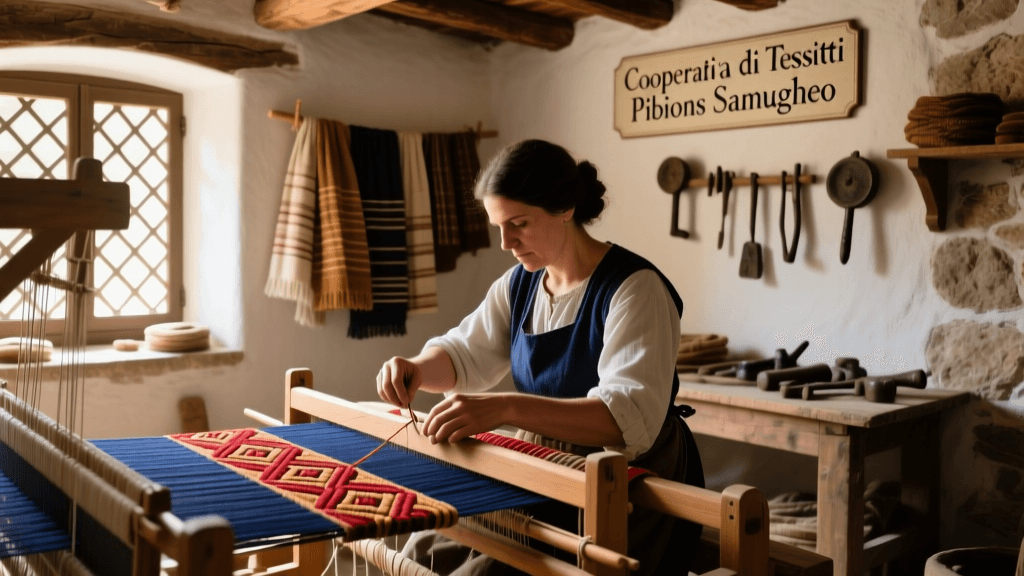
When sourcing an authentic Ia today, buyers should look for certifications from recognized Romanian artisan guilds or purchase directly from established cooperatives such as Bihor Couture or the Semne Cusute (Sewn Signs) community network. These platforms ensure that the women who spend upwards of 100 hours hand-stitching a single blouse receive fair, living wages, and that a percentage of the proceeds goes back into preserving local textile archives.
Comparison: Authentic Artisan Ia vs. Fast-Fashion Imitations
To make informed purchasing decisions in 2026, it is crucial to distinguish between genuine heritage garments and mass-produced costumes. Below is a comparative breakdown of the current market:
| Feature | Authentic Artisan Ia (2026 Market) | Mass-Market Imitation |
|---|---|---|
| Base Fabric | Hand-woven hemp, linen, or raw cotton | Machine-woven polyester or poly-blend voile |
| Embroidery Thread | Silk, wool, or mercerized cotton dyed with natural pigments (madder, indigo, walnut) | Synthetic acrylic threads with chemical dyes |
| Production Time | 80 to 250+ hours of hand-stitching | Machine-embroidered in under 2 hours |
| Construction | Zero-waste geometric cutting; hand-finished seams | Standard graded pattern cutting; serged seams |
| Price Range (2026) | €280 – €850+ | €35 – €90 |
| Cultural Royalties | Paid directly to artisan and local heritage funds | None; patterns often copied without attribution |
Contemporary Styling: Integrating Folk Dress into Modern Wardrobes
The key to styling the Ia in 2026 is contrast. Because the blouse is inherently romantic, voluminous, and heavily detailed, it must be grounded with structured, minimalist, or utilitarian contemporary pieces to avoid looking like a theatrical costume. Here are three distinct styling frameworks for the modern wearer.
1. The Modern Office: Structured Silhouettes
For a sophisticated, creative-office environment, the voluminous sleeves of the Ia can be balanced with sharp, tailored separates. Choose an Ia with a more subdued color palette—such as black hemp with deep navy or charcoal silk embroidery, typical of the Muscel region.
- The Pairing: Tuck the blouse into a pair of high-waisted, wide-leg wool crepe trousers in charcoal or camel. The heavy drape of the wool grounds the airy linen of the blouse.
- The Waist: Define the silhouette with a sleek, architectural leather belt. In 2026, upcycled leather belts with minimalist, matte-brass hardware are the preferred choice to bridge the gap between folk tradition and modern minimalism.
- Footwear: Opt for pointed-toe leather ankle boots or structured loafers. Avoid overly delicate shoes, which can make the outfit look unbalanced.
2. Weekend Streetwear: Textural Contrast
The Ia translates beautifully into elevated streetwear when juxtaposed with rugged, utilitarian fabrics. This look embraces the 'heritage-meets-hype' aesthetic that has dominated sustainable street style in the mid-2020s.
- The Pairing: Wear a slightly oversized, raw cotton Ia with a vibrant red and black altiță over straight-leg, vintage-wash denim jeans. The raw texture of the denim complements the hand-woven imperfections of the blouse fabric.
- Layering: For transitional spring or autumn weather, layer a cropped, boxy leather jacket or a structured denim chore coat over the blouse, allowing the embroidered sleeves and shoulder panels to remain visible.
- Footwear & Accessories: Chunky lug-sole boots or retro-runner sneakers keep the look grounded. Accessorize with a crossbody canvas bag and modern, geometric silver jewelry—a nod to contemporary Transylvanian silversmiths who are reinterpreting traditional Dacian motifs for 2026.
3. Evening Elegance: Elevated Bohemian
For evening events, the Ia can be transformed into a statement piece of quiet luxury. The focus here is on fluid movement and monochromatic elegance.
- The Pairing: Select an Ia crafted from fine, semi-sheer linen or a modern silk-cotton blend, featuring white-on-white embroidery (a technique that relies on shadow and texture rather than color contrast). Pair it with a bias-cut, floor-length midi slip skirt in a heavy silk satin.
- The Styling: Allow the blouse to blouse softly over the waistband of the skirt. If the blouse features a drawstring neckline, pull it slightly off the shoulder for a modern, relaxed silhouette.
- Footwear & Accessories: Strappy, minimalist heeled sandals and a structured micro-clutch. Keep hair in a sleek, low chignon to ensure the intricate altiță embroidery on the shoulder remains the undisputed focal point of the ensemble.
Preservation and Garment Care
Owning an authentic Ia is an investment in wearable art, and proper care is essential to preserve the natural fibers and hand-dyed threads. According to textile conservation guidelines from institutions like the Romanian Peasant Museum (Muzeul Național al Țăranului Român), heritage garments require a departure from modern, chemical-heavy laundry routines.
- Washing: Never machine wash an authentic Ia. Hand wash in cool water (below 30°C) using a pH-neutral, eco-friendly detergent specifically formulated for delicate natural fibers. Avoid soaking for more than 10 minutes to prevent natural dyes from bleeding.
- Drying: Never wring or twist the fabric, as this can distort the zero-waste geometric cuts and damage the embroidery tension. Roll the garment in a clean, dry towel to press out excess water, then lay it flat on a drying rack away from direct sunlight.
- Ironing: Iron the blouse while it is still slightly damp. Always iron on the reverse side of the embroidery, placing a clean cotton pressing cloth between the iron and the fabric to protect the three-dimensional texture of the stitches.
- Storage: Store the Ia flat in a breathable cotton garment bag. If hanging is necessary, use a padded hanger to support the weight of the embroidered sleeves, and avoid wire or thin plastic hangers that can cause shoulder dimples and fabric stress.
Conclusion: Wearing Heritage Forward
The contemporary revival of the Romanian Ia is a testament to the enduring power of European folk dress. In 2026, wearing an Ia is no longer just about donning a beautiful garment; it is a deliberate choice to support slow fashion, preserve intangible cultural heritage, and reject the homogenization of global style. By understanding the anatomy of the blouse, sourcing ethically from artisan cooperatives, and styling it with modern intentionality, you transform a piece of history into a living, breathing component of your contemporary identity. The Ia proves that true tradition is not static—it evolves, adapts, and continues to inspire with every stitch.