Sardinian Folk Dress & Pibiones Weaving Brands in 2026
The Renaissance of Sardinian Folk Dress in 2026
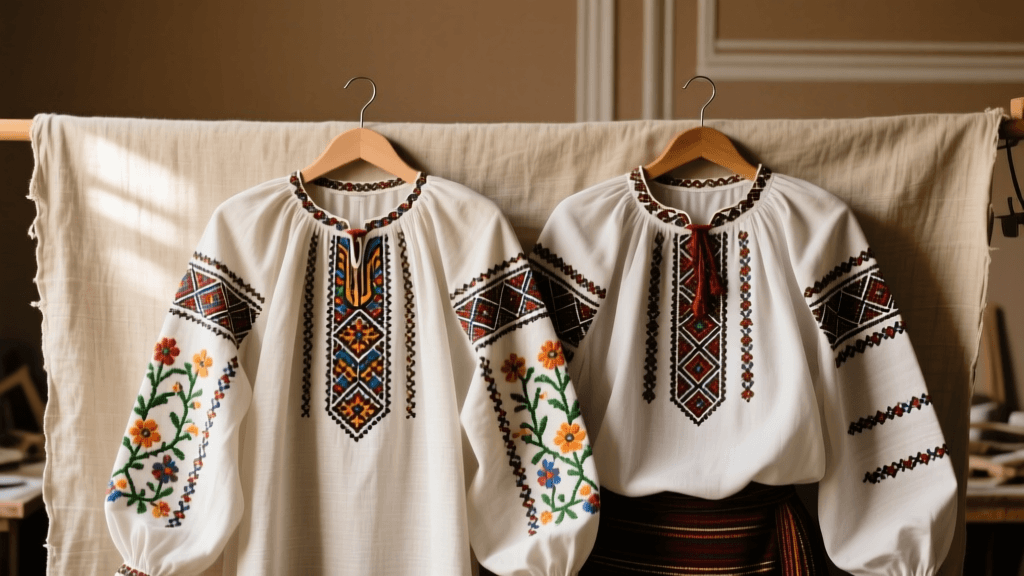
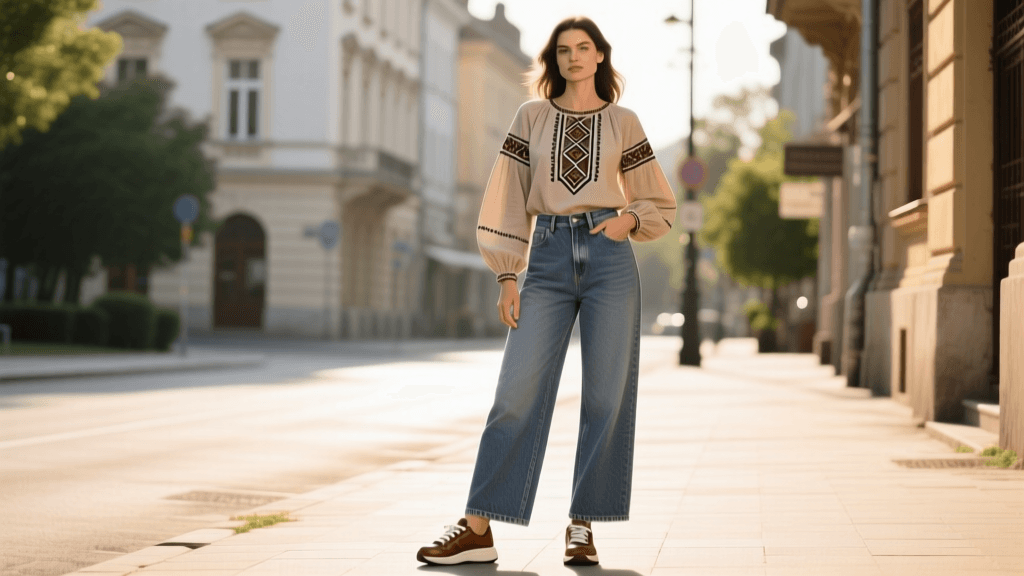
The landscape of European folk dress is undergoing a profound transformation as we move through 2026. Driven by a global demand for hyper-local, sustainable, and historically grounded fashion, traditional Italian regional garments are experiencing a massive revival. Nowhere is this more evident than in Sardinia, an island whose rugged isolation has preserved some of the most intricate and symbolically rich textile traditions in the Mediterranean. Today, Sardinian folk dress is no longer relegated solely to museum archives or annual parades; it is being actively reinterpreted by heritage brands and artisan cooperatives that are merging ancient techniques with contemporary ethical fashion standards.
According to recent cultural preservation reports highlighted by Sardegna Cultura, the island's autonomous regional initiatives have heavily subsidized artisan weaving workshops in 2026, ensuring that endangered techniques are passed down to a new generation of weavers. This investment has catalyzed a booming market for authentic Sardinian textiles, attracting both high-fashion collaborators and heritage collectors worldwide.
Understanding Pibiones: The 'Grain' Weaving Technique
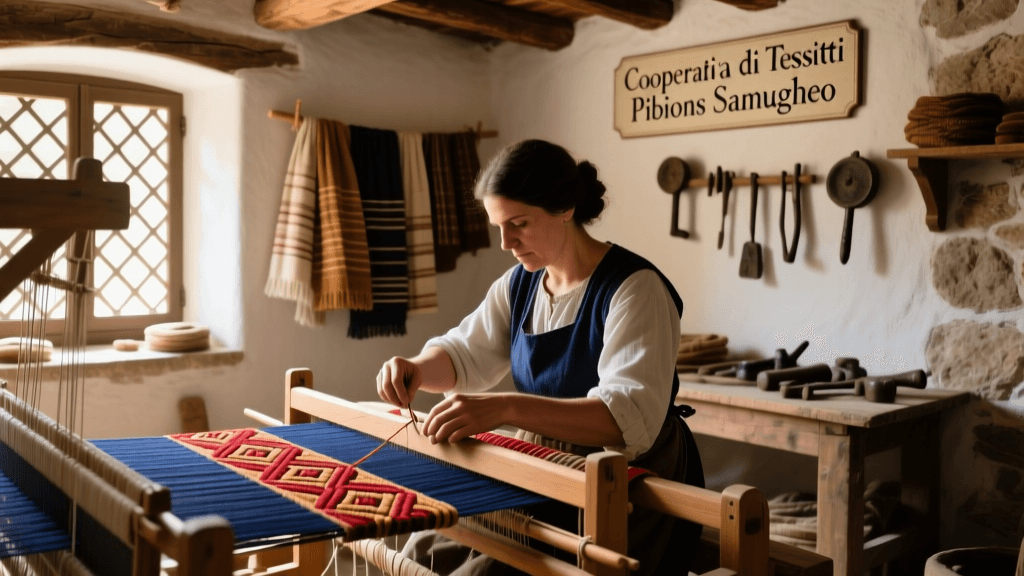
At the heart of the Sardinian textile revival is the tessitura a pibiones (grain weaving) technique. Originating in the central mountainous regions of the island, particularly around Samugheo and Atzara, this method involves creating a raised, textured pattern on the fabric's surface. The weaver manually wraps the weft thread around a smooth rod (traditionally a thin cane or metal wire) before beating it down with the reed. When the rod is removed, it leaves a raised, three-dimensional 'grain' or 'pip' that forms intricate geometric, floral, or zoomorphic motifs.
In 2026, the pibiones technique is highly prized not only for its aesthetic beauty but for its structural durability. Heritage brands are utilizing this method to create heavy-duty shawls (scialle), ceremonial aprons (grembiule), and even modern interior textiles. The physical effort required to produce authentic pibiones is immense; a master weaver using a traditional wooden floor loom can produce only a few centimeters of high-quality fabric per hour. This inherent scarcity is what drives the premium valuation of authentic Sardinian garments in today's market.
Heritage Brands and Artisan Cooperatives Leading the Revival
The survival of these complex weaving traditions relies heavily on organized cooperatives and heritage-focused ateliers. Unlike mass-market 'folk-inspired' brands, these organizations maintain strict adherence to historical patterns, natural dyeing methods, and manual loom operation. The ISRE (Istituto Superiore Regionale Etnografico) frequently collaborates with these cooperatives to authenticate patterns and ensure historical accuracy in contemporary productions.
Below is a comparison of the leading Sardinian heritage textile cooperatives and brands operating in 2026, detailing their specialties, current commission timelines, and pricing structures.
| Cooperative / Brand | Region | Specialty | 2026 Commission Wait Time | Average Price (EUR) |
|---|---|---|---|---|
| Tessitura di Samugheo | Oristano | Pibiones Carpets, Shawls, and Aprons | 6-8 Months | €850 - €2,400 |
| ISOLA (Artigianato Sardo) | Cagliari | Contemporary Folk Apparel & Accessories | In-Stock / 2 Weeks | €300 - €1,200 |
| Atzara Weavers Association | Nuoro | Traditional Geometric Motifs & Tapestries | 4-5 Months | €600 - €1,800 |
| Artimoda Sardinia | Sassari | Filigree Jewelry & Woven Bodices | 3-4 Months | €450 - €1,500 |
Anatomy of the Traditional Sardinian Wardrobe
To truly appreciate the work of these heritage brands, one must understand the anatomy of the traditional Sardinian wardrobe. The island boasts over 400 distinct municipal variations of folk dress, but several core elements remain ubiquitous, particularly in the widely recognized Campidano and Barbagia styles.
The Berritta and Headwear
For men, the berritta is the quintessential headgear—a long, tubular knitted cap usually made of black or dark brown wool. In 2026, contemporary heritage brands have adapted the berritta into everyday winter wear, utilizing organic, locally sourced Sardinian sheep's wool. For women, headwear is equally significant, often consisting of a finely woven linen veil (sa benda) or a heavy, fringed woolen shawl that is draped intricately over the head and shoulders, secured by ornate filigree pins.
The Grembiule (Ceremonial Apron)
The grembiule is arguably the most visually striking element of the women's traditional attire. Far from a mere protective garment, the Sardinian apron is a canvas for the weaver's skill. Worn over a heavily pleated skirt (su panneggio), the apron is typically woven using the pibiones technique or embellished with silk and metallic threads. The motifs woven into the apron often serve as a visual language, indicating the wearer's village, marital status, and social standing. In 2026, collecting vintage and newly commissioned grembiule has become a major pursuit for European textile historians and fashion archivists.
Filigree Jewelry and Button Making
Sardinian folk dress is incomplete without its accompanying metalwork. The island's jewelers are renowned for their filigrana (filigree) technique, creating delicate, lace-like patterns from gold and silver threads. Traditional garments are fastened not with standard buttons, but with elaborate filigree spheres or coin-like clasps known as bottoni. Heritage jewelers in Sassari and Cagliari are currently seeing a surge in demand for these traditional fasteners, with custom silver sets for a traditional bodice costing upwards of €900 in the current market.
The Return to Natural Dyes in 2026
A major trend defining the Italian regional garment sector in 2026 is the strict return to botanical and natural dyes. The Italian Ministry of Culture has recently highlighted how sustainable practices in heritage crafts align with modern environmental goals. Sardinian weavers are leading this charge by reviving ancient dyeing recipes.
- Madder Root (Rubia tinctorum): Used to achieve deep, rust-red and terracotta hues, historically reserved for festive aprons and bodices.
- Weld (Reseda luteola): Cultivated locally to produce vibrant, colorfast yellows that symbolize prosperity and harvest.
- Walnut Husks and Oak Galls: Essential for creating the rich, dark browns and blacks required for everyday wear and men's berritta caps.
- Indigo and Woad: Imported or historically cultivated to achieve the deep blues seen in the skirts of the Campidano region.
Garments dyed with these natural elements not only possess a unique, living patina that synthetic dyes cannot replicate, but they also command a 30% to 40% premium in the 2026 luxury folk-fashion market.
Sourcing Authentic Garments: Costs and Considerations
For collectors, designers, and cultural enthusiasts looking to acquire authentic Sardinian folk garments or textiles in 2026, due diligence is paramount. The market has seen an influx of machine-made, imported imitations masquerading as local artisan work. To ensure authenticity, buyers should look for the official Marchio di Qualità (Quality Mark) issued by regional artisan guilds, which certifies that the piece was handmade on the island using traditional methods.
When commissioning a bespoke piece, such as a full pibiones shawl or a traditionally woven skirt, expect a collaborative process. Artisans will often require a consultation to discuss the specific village motif you wish to replicate, the weight of the wool or linen, and the natural dye palette. Prices for a fully authentic, hand-woven ceremonial shawl currently range from €1,200 to €2,500, reflecting the hundreds of hours of manual labor involved. While the investment is significant, these garments are increasingly viewed as heirloom assets, appreciating in cultural and monetary value as the pool of master weavers naturally dwindles.
Conclusion
The story of Sardinian folk dress in 2026 is one of remarkable resilience and adaptation. Through the dedication of heritage brands, weaving cooperatives, and regional cultural institutions, the pibiones technique and the intricate anatomy of traditional island attire have been saved from the brink of obsolescence. By investing in these garments, consumers are not merely buying clothing; they are actively participating in the preservation of a living, breathing European textile heritage that continues to inspire the global fashion landscape.