Authentic Baltic Amber Jewelry & Slavic Vinok Wreaths Guide 2026
The 2026 Revival of Eastern European Folk Accessories
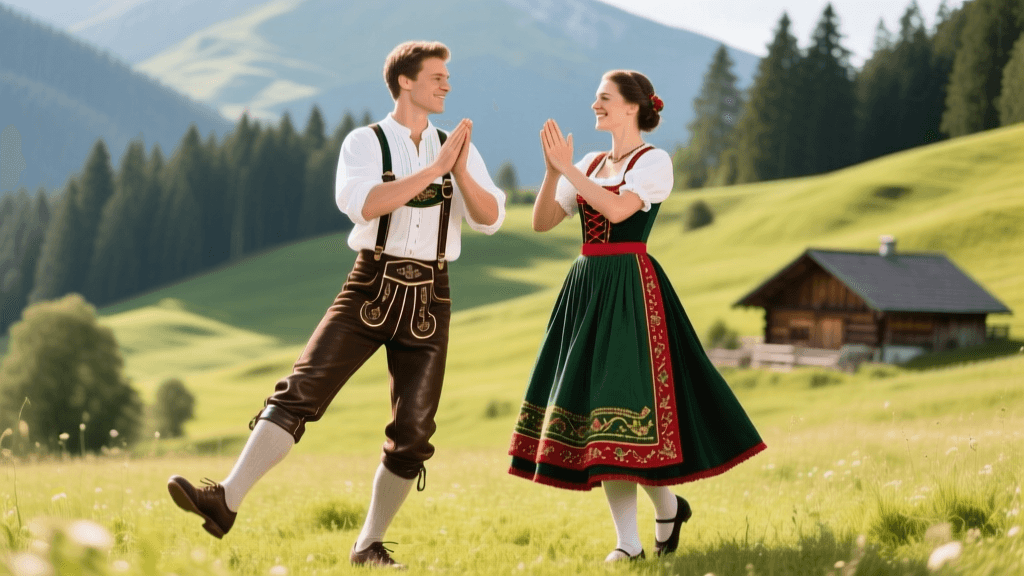
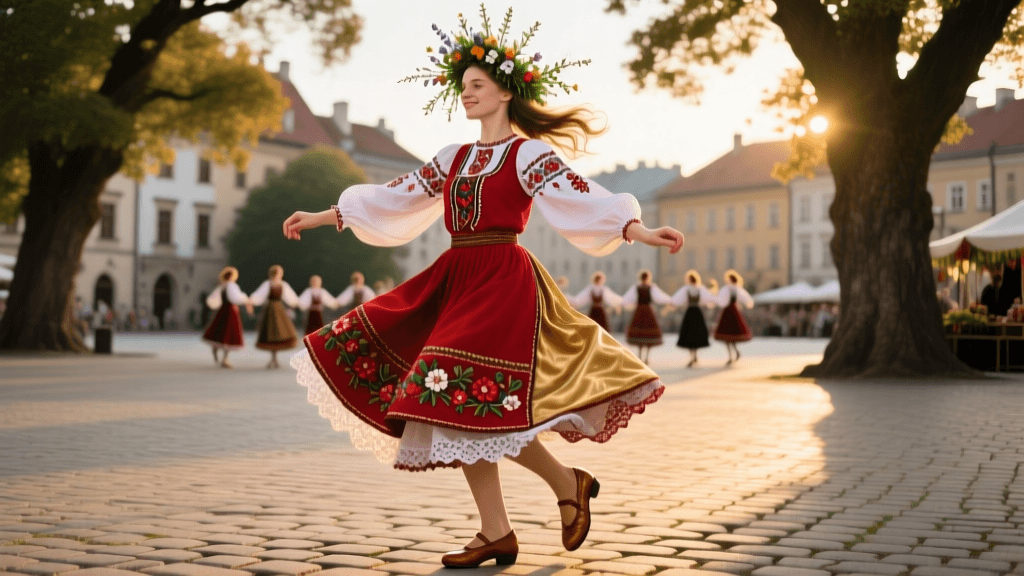
As we navigate the vibrant cultural festival season of 2026, the revival of traditional European folk dress has evolved from niche historical reenactment into a celebrated mainstream expression of heritage. Enthusiasts and artisans alike are looking beyond basic linen shifts and embroidered blouses, focusing instead on the intricate accessories that complete a traditional silhouette. Nowhere is this more evident than in the surging demand for authentic Baltic amber jewelry and the meticulously crafted Slavic vinok (floral wreath headwear).
Whether you are preparing for a Midsummer solstice celebration, attending a regional heritage festival, or simply integrating ancestral elements into your contemporary wardrobe, understanding the historical significance, material sourcing, and proper styling of these accessories is essential. This comprehensive guide will walk you through the nuances of acquiring genuine amber and crafting a botanically accurate vinok for the 2026 season.
Sourcing Authentic Baltic Amber in 2026
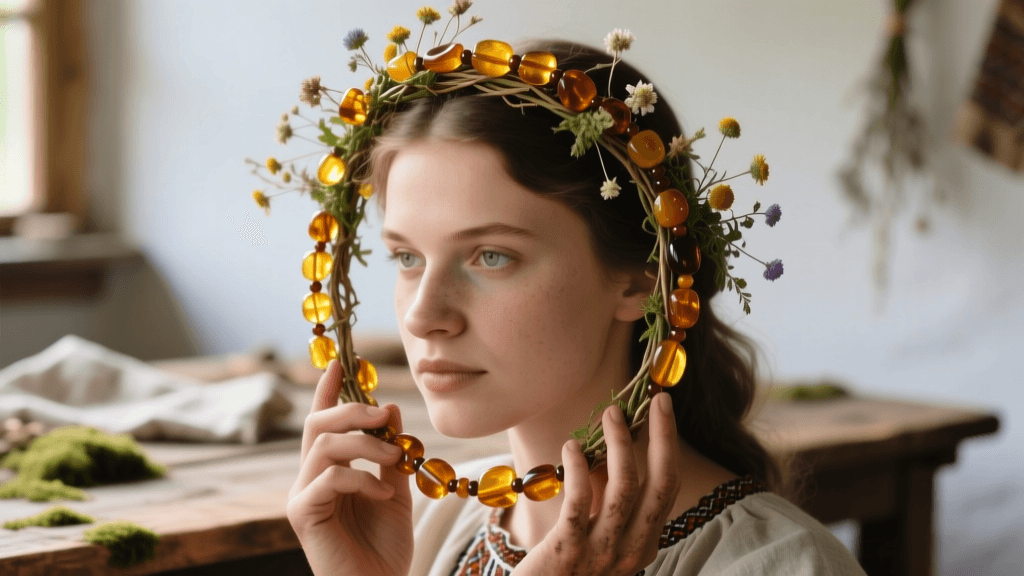
Baltic amber, or succinite, is not a stone but a fossilized tree resin that has captivated European artisans for millennia. According to mineralogical archives at Britannica, Baltic amber is uniquely distinguished by its high succinic acid content, a property that has historically linked it to folk medicine and protective talismans. In 2026, the market has seen a massive shift toward raw, unpolished 'baroque' amber beads, as festival-goers favor organic, earthy aesthetics over highly processed, perfectly spherical beads.
Identifying Real vs. Fake Amber
With the advancement of synthetic resins and 3D-printed copal imitations in 2026, verifying the authenticity of your amber jewelry is more critical than ever. When sourcing from artisan guilds in Gdańsk, Vilnius, or specialized online heritage jewelers, always employ these three verification methods:
- The Saltwater Test: Genuine Baltic amber is remarkably lightweight. In a solution of one part salt to two parts water, real amber will float, while glass and most heavy plastics will sink.
- The UV Light Test: Under a standard ultraviolet flashlight, authentic Baltic amber will fluoresce a pale, milky blue or green. Copal (immature resin) and synthetic plastics will either not react or glow a stark, unnatural white.
- The Electrostatic Test: Rubbing genuine amber vigorously on a natural wool cloth will generate a static charge, allowing it to pick up small pieces of tissue paper.
2026 Amber Market Pricing Guide
Pricing for Baltic amber fluctuates based on clarity, inclusions, and the level of artisan polishing. Below is the current market average for authentic, certified Baltic amber in 2026.
| Amber Type | Description & Characteristics | 2026 Avg. Price (per gram) | Best Use in Folk Dress |
|---|---|---|---|
| Raw Baroque | Unpolished, natural shapes, cloudy inclusions | $4.50 - $8.00 | Rustic festival necklaces, waist belts |
| Polished Drops | Tumbled, high clarity, teardrop shapes | $12.00 - $25.00 | Formal folk costume earrings, rings |
| Cherry / Red | Heat-treated or rare natural dark oxidation | $30.00 - $50.00 | Statement bridal pendants, clasps |
| Insect Inclusion | Verified prehistoric botanical/insect inclusions | $150.00+ | Collector pieces, heirloom gifts |
The Slavic Vinok: Symbolism and Botanical Accuracy
The vinok is far more than a decorative flower crown; it is a profound cultural artifact. Historically worn by unmarried women across Ukraine, Belarus, and parts of Poland, the wreath served as a visual language communicating the wearer's marital status, regional origin, and spiritual intentions. Digital archives like Europeana provide extensive visual references for 19th-century regional variations of the vinok, revealing that no two wreaths were ever exactly alike, as they were customized for specific rituals and seasons.
The Language of Flowers and Herbs
A traditional vinok is never made of random blooms. Each plant carries a specific folk meaning. For a historically accurate 2026 Midsummer wreath, incorporate the following botanicals:
- Oak Leaves: Representing strength, endurance, and a deep connection to ancestral roots. These form the structural greenery of the wreath.
- Chamomile: A symbol of peace, gentle healing, and the sun's warmth.
- Cornflower (Voloshka): Reflecting the clear summer sky, beauty, and spiritual purity.
- Poppy: Associated with youth, dreams, and the fleeting, beautiful nature of life.
- Viburnum (Kalyna): The ultimate symbol of the unbreakable bloodline, national identity, and feminine resilience.
The Significance of the Ribbons (Stryichky)
Trailing from the back of the vinok are the stryichky—multi-colored silk or satin ribbons that must reach the mid-back of the wearer. The color sequence is deeply symbolic and should be arranged in the following order from the center outward:
- Light Blue: The sky and spiritual elevation.
- Yellow: The sun, warmth, and agricultural abundance.
- Green: The earth, nature, and the life force.
- Orange: Baked bread, the harvest, and earthly sustenance.
- Purple: Wisdom, twilight, and the transition between worlds.
Crafting Your Own Vinok: A Step-by-Step Guide
While you can purchase pre-made wreaths from artisan markets, crafting your own ensures botanical accuracy and a perfect fit. The preservation of such traditional craftsmanship aligns with the global safeguarding efforts highlighted by UNESCO's Intangible Cultural Heritage frameworks, which emphasize the importance of passing down hands-on textile and botanical skills to new generations.
Materials Needed for 2026 Crafting
- 18-gauge floral wire (for the base frame)
- Green floral tape
- High-quality silk botanicals or fresh locally foraged herbs (if using fresh, craft the wreath on the morning of the festival)
- Assorted silk ribbons (2 inches wide, 36 inches long)
- Wire cutters and needle-nose pliers
Construction Steps
- Measure and Form the Base: Wrap the 18-gauge floral wire around your head, leaving an extra two inches for overlap. Twist the ends securely to form a sturdy circle. Wrap the entire wire base in green floral tape to prevent snagging on hair.
- Prepare the Botanicals: Cut your flowers and oak leaves into small sprigs, leaving about an inch of stem. If using silk flowers, wrap the plastic stems tightly with floral tape to mimic natural stems and provide grip.
- Layer the Greenery: Begin by attaching the oak leaves or ferns to the wire base, overlapping them in the same direction to create a continuous bed of green. Secure each sprig with a small piece of floral wire or tape.
- Add the Blooms: Weave the chamomile, cornflowers, and pops of red viburnum berries into the greenery. Traditional aesthetics dictate that the largest blooms sit near the front and sides of the face, tapering down to smaller buds at the back.
- Attach the Ribbons: Bundle your silk ribbons together at the top center of the back of the wreath. Using a thicker piece of wire or a heavy-duty needle and thread, secure the ribbon bundle firmly to the base so it flows freely down your back.
Styling Folk Accessories for Contemporary Festivals
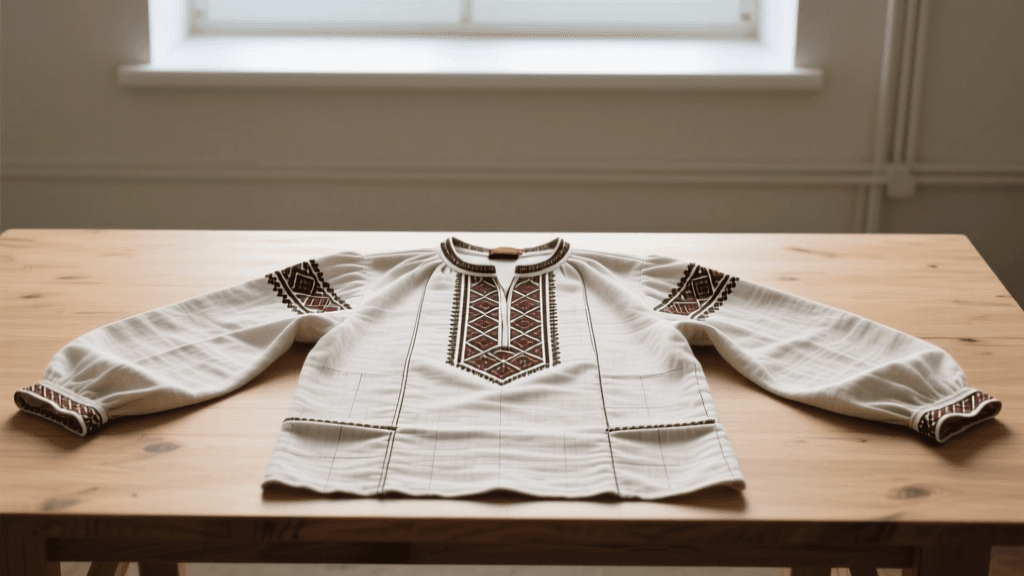
Integrating these historical pieces into a 2026 wardrobe requires a balance of respect for tradition and practical festival styling. When wearing a heavily embellished vinok, keep the neckline of your blouse relatively modest—perhaps a traditional square-neck linen vyshyvanka with geometric embroidery. The amber jewelry should complement, not compete with, the headwear. A single, heavy raw baroque amber pendant on a simple leather cord draws the eye beautifully against white linen.
For evening celebrations, where the intricate beadwork of regional folk costumes shines, swap the floral wreath for a beaded cap or a subtle amber hair comb. Remember that true folk dress was designed for movement, work, and celebration. Ensure your amber necklaces are strung on durable, waxed linen cord rather than fragile silk thread, allowing you to dance through the Midsummer bonfires without fear of breakage.
Conclusion
The resurgence of Eastern European folk accessories in 2026 is a testament to the enduring power of cultural memory. By taking the time to source genuine Baltic amber and understanding the profound botanical language of the Slavic vinok, you are doing more than accessorizing; you are participating in a living, breathing tradition. Whether you are walking through a modern city street or dancing around a solstice fire, these meticulously crafted pieces connect you to centuries of artistry, nature, and ancestral pride.