Romanian Ie Blouse Revival: 2026 Sustainable Streetwear Styling
The Renaissance of the Romanian Ie in 2026
The landscape of European folk dress has undergone a radical transformation over the past decade, shifting from static museum exhibits and occasional festival wear to a dynamic pillar of contemporary, sustainable fashion. As we navigate the spring and summer seasons of 2026, the traditional Romanian blouse—known globally as the Ie (pronounced 'ee-eh')—stands at the absolute forefront of this heritage revival. Driven by a global appetite for slow fashion, artisanal craftsmanship, and garments with profound cultural narratives, the Ie has transcended its historical boundaries to become a staple in modern streetwear and high-fashion wardrobes alike.
This contemporary renaissance is not merely a fleeting trend; it is a deeply rooted cultural reclamation. Following the highly publicized UNESCO inscription of the traditional Romanian blouse with shoulder embroidery (altiță) to the Representative List of the Intangible Cultural Heritage of Humanity, a new generation of designers and artisans has revitalized the craft. According to the UNESCO Intangible Cultural Heritage registry, this recognition safeguarded the complex semiotics and techniques of the garment, sparking a massive resurgence in domestic weaving and embroidery circles that has fully matured by 2026.
Decoding the Altâniță and Râuri Patterns
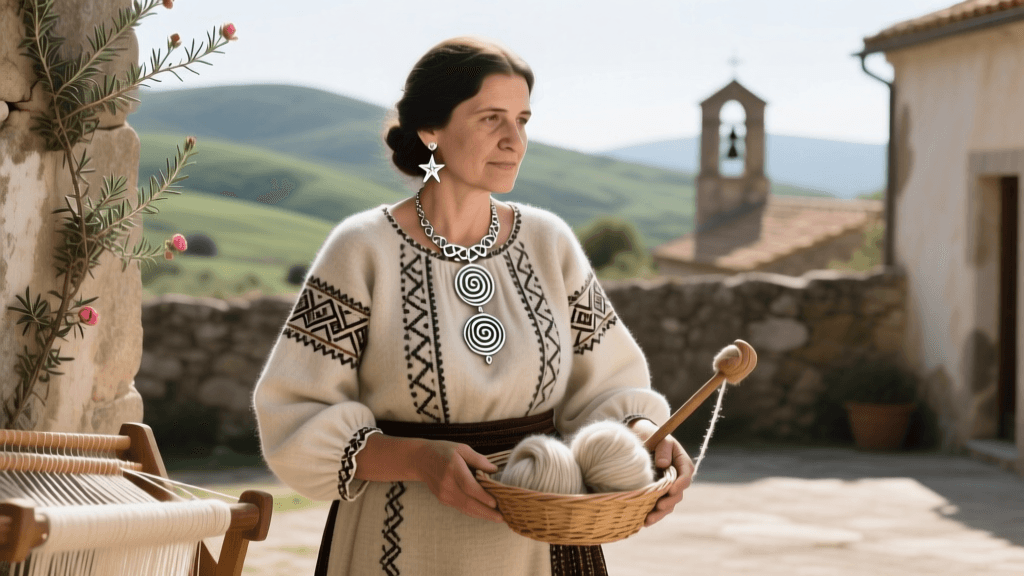
To style the Ie authentically in a modern context, one must first understand its architectural anatomy. The traditional blouse is not simply a decorated shirt; it is a canvas of regional identity, cosmology, and social status. The most defining feature of the authentic Ie is the altiță—the dense, rectangular block of embroidery located on the shoulder. Historically, the altiță served as a protective talisman, guarding the wearer's vulnerability, while also displaying the highest concentration of the artisan's skill.
Below the altiță lies the increț (a smaller, decorative gathering) and the râuri (rivers), which are the vertical or diagonal bands of embroidery flowing down the sleeves. In 2026, contemporary stylists are paying close attention to the regional origins of these patterns to create cohesive, respectful outfits:
- The Argeș and Muscel Regions: Characterized by strict geometric patterns, often utilizing black, deep red, and brown silk threads on unbleached linen. These pieces carry a bold, graphic weight that pairs exceptionally well with minimalist, avant-garde streetwear.
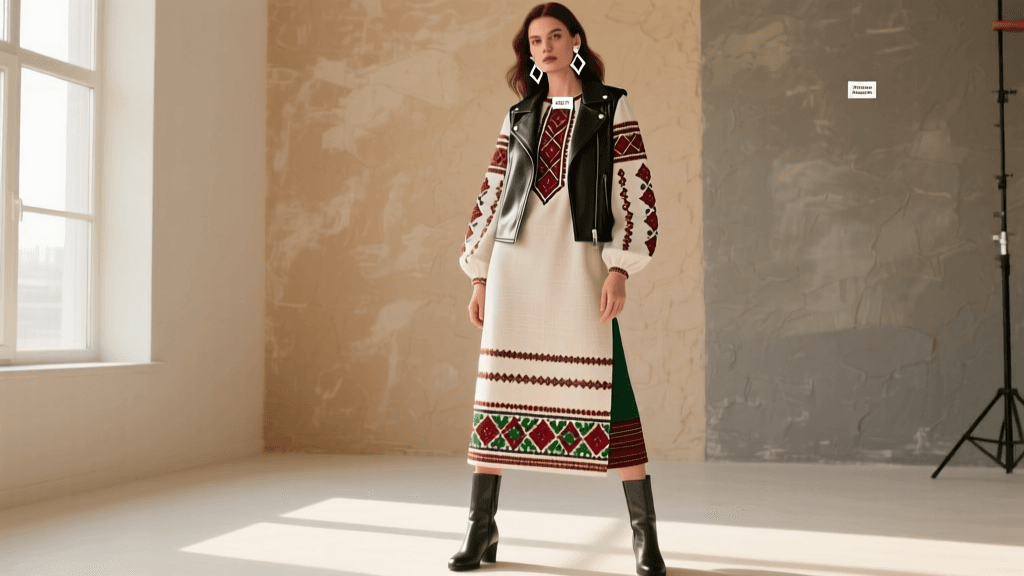
- The Neamț and Bucovina Regions: Famous for intricate floral and vegetal motifs, often incorporating pastel threads, metallic gold, and glass beadwork. These blouses offer a romantic, ethereal aesthetic that contrasts beautifully with harsh, industrial modern fabrics like distressed leather or raw denim.
- The Maramureș Region: Features tighter, more subdued embroidery with a focus on structural tailoring rather than overwhelming surface decoration, making it ideal for smart-casual and office-appropriate heritage styling.
Contemporary Styling: Integrating the Ie into 2026 Streetwear
The biggest mistake modern enthusiasts make when wearing European folk dress is treating it as a costume. The goal for 2026 is integration, not imitation. You are not dressing up as a historical reenactor; you are incorporating a masterpiece of slow fashion into a modern, functional wardrobe. Here are three highly actionable styling frameworks for the contemporary Ie.
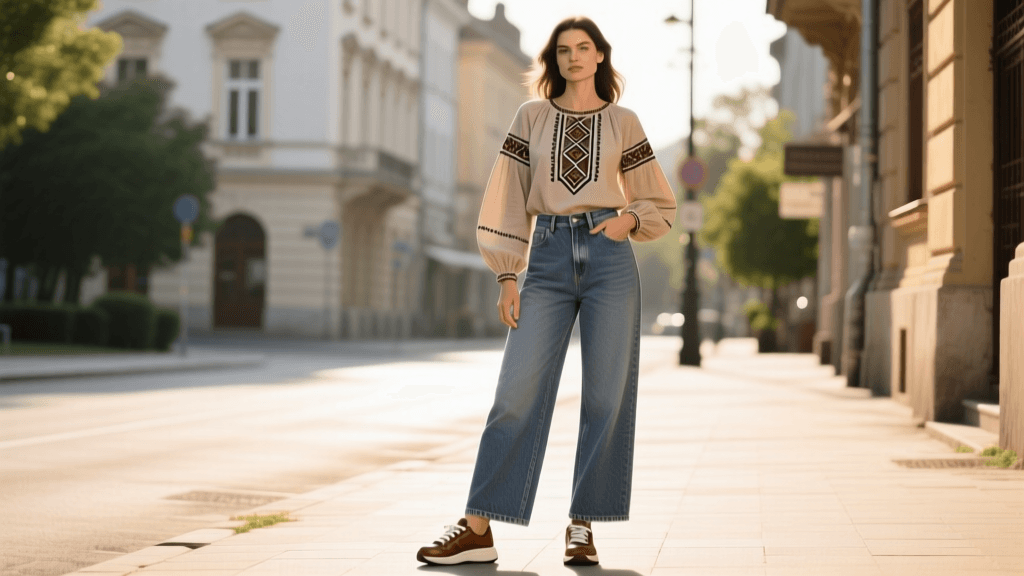
1. The Graphic Contrast: Argeș Ie with Raw Selvedge Denim
The bold, geometric black-and-red patterns of an Argeș Ie demand a grounded, structured counterpart. In 2026, the silhouette of choice is the high-waisted, wide-leg raw selvedge denim. The stiffness of the unwashed denim mirrors the crispness of the hand-woven hemp or linen base of the blouse. Tuck the front of the Ie loosely into the waistband to highlight the brâu (the traditional woven belt), but leave the back untucked for a relaxed, effortless drape. Complete this look with chunky, lug-sole leather derby shoes—a staple of 2026 streetwear—and matte silver hardware accessories to echo the metallic threads often found in the altiță.
2. Ethereal Layering: Neamț Beaded Ie over Slip Dresses
For warmer months or transitional layering, the delicate, bead-encrusted Ie of the Neamț region can be repurposed as an oversized, open-front duster or lightly buttoned over a sleek, bias-cut silk slip dress. The juxtaposition of the matte, textured linen and the glossy, fluid silk creates a striking visual tension. Keep the slip dress in a solid, neutral tone—such as charcoal, olive, or deep plum—to allow the intricate floral beadwork to take center stage. Finish with minimalist strappy leather sandals and an unstructured, slouchy leather tote.
3. The Tailored Hybrid: Maramureș Tunic with Pleated Trousers
Not all traditional blouses feature billowing sleeves. The tunics of Maramureș often feature a more restrained, tailored cut with subtle embroidery concentrated at the collar and cuffs. This makes them perfect candidates for tucking into high-waisted, wide-leg pleated wool trousers. Add a contemporary, oversized blazer in a muted houndstooth or subtle windowpane check, worn draped over the shoulders. This look bridges the gap between heritage appreciation and modern sartorial elegance, perfectly suited for creative workspaces or evening gallery openings.
2026 Sourcing Guide: Authentic vs. Fast Fashion
As the popularity of the Ie has surged, so has the market for cheap, machine-made replicas produced in overseas factories. Supporting the authentic revival means understanding where and how to source your garments. The Romanian Peasant Museum and various cultural NGOs have repeatedly emphasized the importance of buying directly from artisan cooperatives to sustain rural economies. Below is a comparative breakdown of the 2026 market landscape for sourcing a Romanian Ie.
| Sourcing Channel | 2026 Price Range (EUR) | Lead Time | Authenticity & Materials |
|---|---|---|---|
| Direct Artisan / Cooperative (e.g., Semne Cusute network) | €250 - €600+ | 2 to 6 months (Bespoke) | 100% hand-woven linen/hemp, hand-spun silk thread, natural dyes. Unique regional accuracy. |
| Contemporary Heritage Brands (e.g., Iiana, La Blouse Roumaine partners) | €150 - €300 | 1 to 3 weeks (In-stock) | Machine-woven linen base with partial hand-embroidery or high-grade machine emulation of traditional patterns. |
| Vintage / Antique Dealers | €120 - €800 | Immediate | Authentic historical pieces (1920s-1970s). Requires careful inspection for fabric degradation or moth damage. |
| Fast-Fashion / Mass-Market Replicas | €30 - €70 | Immediate | Polyester blends, machine-printed or generic machine embroidery. Culturally inaccurate patterns. Avoid to support the revival. |
Caring for Hand-Embroidered Heritage Garments
An authentic, hand-embroidered Ie is an investment piece that requires meticulous care to preserve both the structural integrity of the natural fibers and the vibrancy of the dyed threads. In 2026, conservation best practices for folk textiles dictate a strict departure from conventional machine washing.
- Washing: Never machine wash or dry clean an authentic Ie. The harsh chemicals in dry cleaning can strip natural oils from hand-spun silk and wool threads, causing them to become brittle. Instead, hand wash the garment in cold water using a specialized, pH-neutral textile detergent designed for delicate natural fibers.
- Drying: Do not wring or twist the linen, as this will permanently distort the weave and the tension of the embroidery. Gently press the water out by rolling the blouse in a clean, dry, colorfast cotton towel. Lay the garment flat on a drying rack, away from direct sunlight, which can fade natural botanical dyes.
- Ironing: Always iron the Ie inside out. Place a damp, white cotton pressing cloth between the iron and the fabric to protect the raised embroidery. Use a medium-high steam setting for linen, but avoid pressing directly on the beadwork or metallic threads, which can melt or tarnish under high heat.
- Storage: When storing the Ie for the off-season, do not use wire hangers, which will distort the shoulder seams and damage the altiță. Fold the blouse gently, padding the folds with acid-free tissue paper to prevent hard creases, and store it in a breathable cotton garment bag in a cool, dry environment.
Conclusion
The integration of the Romanian Ie into 2026 contemporary styling represents a triumph of cultural preservation through active, daily wear. By understanding the profound semiotics of the altiță and râuri, sourcing ethically from genuine artisans, and styling these heritage pieces with modern, structured streetwear, we ensure that this magnificent European folk tradition continues to evolve, breathe, and inspire for generations to come.