Sourcing Authentic Costume Sardo Heritage Garments in 2026
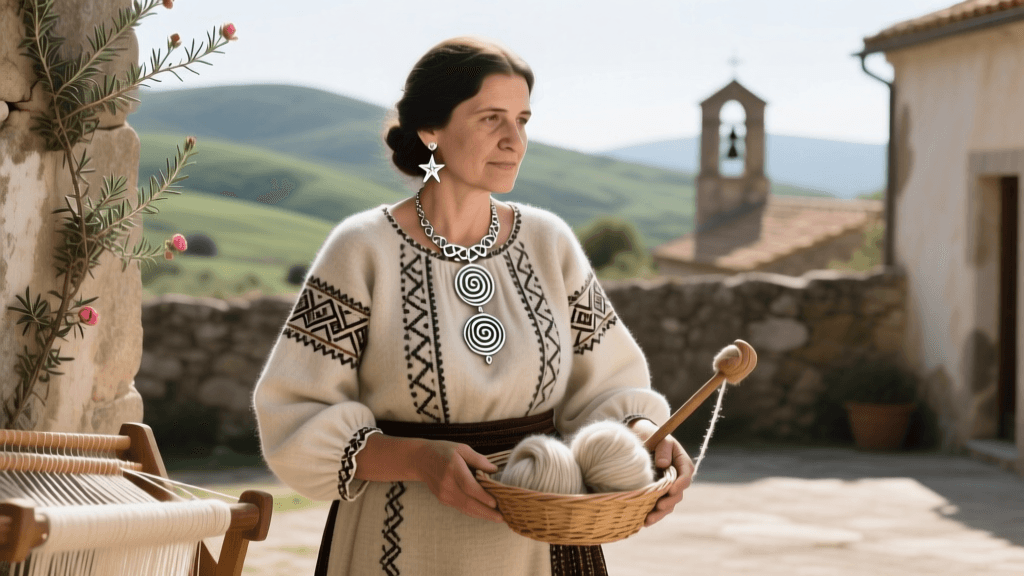
The Enduring Legacy of the Costume Sardo
When discussing the pinnacle of European folk dress, few traditions rival the intricate, deeply symbolic, and fiercely preserved Costume Sardo (Sardinian traditional dress). Unlike many regional costumes across Europe that have been relegated to museum archives or simplified for tourist spectacles, Sardinia’s textile and jewelry heritage remains a living, breathing practice. As of 2026, a robust revival movement led by local artisan cooperatives and heritage brands has made it possible for collectors, cultural historians, and enthusiasts to commission and acquire authentic, historically accurate garments and accessories.
Sardinia’s isolation in the Mediterranean allowed its micro-cultures to develop highly distinct sartorial dialects. From the severe, dark wools of the mountainous Barbagia region to the vibrant, heavily embroidered silks of the Campidano plains, the island boasts over 400 documented variations of traditional dress. According to the Italian Ministry of Culture, state and regional initiatives in 2026 have heavily subsidized the apprenticeship programs necessary to keep these hyper-local weaving and metalsmithing techniques alive, ensuring that the knowledge is passed down to a new generation of master artisans.
Understanding Orbace Wool: Sardinia’s Heritage Textile
At the heart of the mountain Costume Sardo is Orbace (or Orbaci), a coarse, dense, and naturally water-resistant wool woven from the fleece of indigenous Sardinian sheep. Historically worn by shepherds to withstand the harsh, wet winters of the Gennargentu mountains, Orbace is characterized by its tight weave and distinct, earthy aroma resulting from the natural lanolin left in the fibers.
In 2026, authentic hand-loomed Orbace is a luxury heritage textile. The process begins with the hand-shearing of the flock, followed by washing in cold mountain streams to preserve the wool's natural oils. The yarn is spun on traditional drop spindles or antique spinning wheels before being dyed using strictly botanical sources. Artisans utilize Rubia tinctorum (madder root) for deep brick reds, Juglans regia (walnut husks) for rich browns, and wild fennel for muted yellows. The weaving is done on wooden treadle looms, resulting in a heavy, durable cloth that can last for generations.
Sourcing Authentic Orbace in 2026
To acquire genuine Orbace today, buyers must look beyond commercial souvenir shops and connect directly with heritage weaving cooperatives. The village of Samugheo remains the epicenter of this craft. Cooperatives such as Tessitura Artigianale Sarda operate on a made-to-order basis. When commissioning an Orbace skirt (saunnedda) or a shepherd’s cloak (su gabbanu), expect the following:
- Measurements: Provide precise waist, hip, and desired length measurements. Traditional skirts require heavy pleating, often consuming 4 to 6 meters of fabric.
- Weight and Drape: Specify the desired GSM (grams per square meter). Winter cloaks require a heavy 600-800 GSM weave, while ceremonial bodices use a tighter, lighter 400 GSM weave.
- Lead Times: Due to the manual nature of the loom work, current wait times for bespoke Orbace garments range from 4 to 7 months.
The Art of Sardinian Filigree Jewelry
No Costume Sardo is complete without its accompanying silver jewelry, specifically the intricate filigree work that Sardinian goldsmiths and silversmiths have perfected over centuries. The jewelry is not merely decorative; it serves as a visual language indicating marital status, wealth, and village affiliation. The most iconic pieces include the bottoni (ornate spherical buttons used to fasten the blouse) and the ganciera (a heavy silver hook-and-eye clasp used for the bodice).
The technique relies on granulation and filigree, where tiny silver spheres (palline) and coiled wires (cannutilli) are soldered onto a silver base without the use of modern laser welders, relying instead on traditional torch methods and flux. The UNESCO Intangible Cultural Heritage frameworks have increasingly recognized these localized metalsmithing traditions, providing global visibility that has spurred a surge in international commissions for Sardinian heritage jewelers in 2026.
Identifying Authentic Heritage Filigree
When investing in Sardinian filigree, distinguishing between mass-produced cast replicas and authentic handcrafted pieces is vital. Here is what to look for when sourcing from heritage brands in Cagliari or Nuoro:
- The Reverse Side: Authentic hand-filigree is often hollow or semi-hollow on the back, with visible, slightly irregular soldering points. Cast replicas will look perfectly smooth and uniformly solid on the reverse.
- Granulation Uniformity: Handmade palline will have microscopic variations in size and placement, giving the piece an organic, living texture.
- Hallmarks and Purity: Ensure the piece is stamped with the Italian silversmith registry mark (e.g., a number and the province code like 'CA' for Cagliari) alongside the 925 sterling silver mark.
2026 Buyer’s Guide: Regional Variations and Pricing
The cost of assembling a complete, authentic Costume Sardo varies wildly depending on the specific village's tradition, the complexity of the embroidery, and the weight of the silver required. Below is a comparative breakdown of three major regional styles and their estimated bespoke costs as of early 2026.
| Region / Village | Key Garment Features | Textile Focus | 2026 Estimated Bespoke Cost (EUR) |
|---|---|---|---|
| Nuoro (Barbagia) | Dark, austere colors; heavy pleated skirts; intricate black silk headscarves (su mancalu). | Heavyweight Orbace wool; dark natural dyes (walnut, iron mordants). | €2,800 - €4,500 |
| Cagliari (Campidano) | Vibrant reds and golds; elaborate gold/silver wire embroidery on velvet bodices; sheer veils. | Silk blends, fine linens, and imported velvet; metallic threadwork. | €5,500 - €8,200 |
| Sassari (Logudoro) | Structured bodices; wide-brimmed hats for men; heavy use of crimson and deep green. | Medium-weight wools, brocades, and heavily embroidered aprons. | €3,500 - €5,800 |
Note: These prices encompass the full ensemble, including the hand-woven textiles, bespoke tailoring, and a standard set of sterling silver filigree buttons and clasps. Antique, historically documented pieces from the 19th century sold at heritage auctions in 2026 frequently exceed €15,000.
Caring for Heritage Wool and Silver
Acquiring these garments is only the first step; preserving them requires specific, historically informed care routines that differ vastly from modern garment maintenance.
Preserving Orbace Wool
Never dry-clean authentic Orbace. The harsh chemicals used in modern dry cleaning will strip the wool of its natural lanolin, destroying its water-resistant properties and leaving the fibers brittle. Instead, spot clean using a damp cloth and a lanolin-rich, pH-neutral soap. For a full refresh, submerge the garment in lukewarm water (never exceeding 30°C) with a specialized wool wash, gently agitate, and lay flat to dry away from direct sunlight. To maintain the deep pleats of the saunnedda, roll the skirt tightly around a padded wooden cylinder when storing, rather than folding it, which will break the wool fibers over time.
Maintaining Sardinian Filigree
Sardinian silver is often intentionally oxidized in the crevices to highlight the intricate granulation and wirework. Do not use abrasive silver dips or ultrasonic cleaners, as these will strip the dark patina from the recesses, flattening the visual depth of the design. Clean the raised surfaces gently with a soft, untreated jeweler's cloth. Store the bottoni in an anti-tarnish flannel pouch, separated from one another to prevent the delicate cannutilli coils from snagging.
Conclusion
The Costume Sardo is far more than a relic of the past; it is a masterclass in sustainable, localized, and deeply meaningful fashion. By choosing to source directly from Sardinian heritage cooperatives and master silversmiths in 2026, collectors and cultural enthusiasts do more than acquire breathtaking garments—they actively participate in the economic and cultural survival of one of Europe's most profound textile traditions. Whether you are commissioning a heavy Orbace cloak for winter wear or investing in a suite of Nuorese filigree buttons, you are wrapping yourself in centuries of Mediterranean history, woven and forged by hand.