Authentic Viking Smokkr Apron Dress Patterns for 2026
The Resurgence of Historical Accuracy in 2026
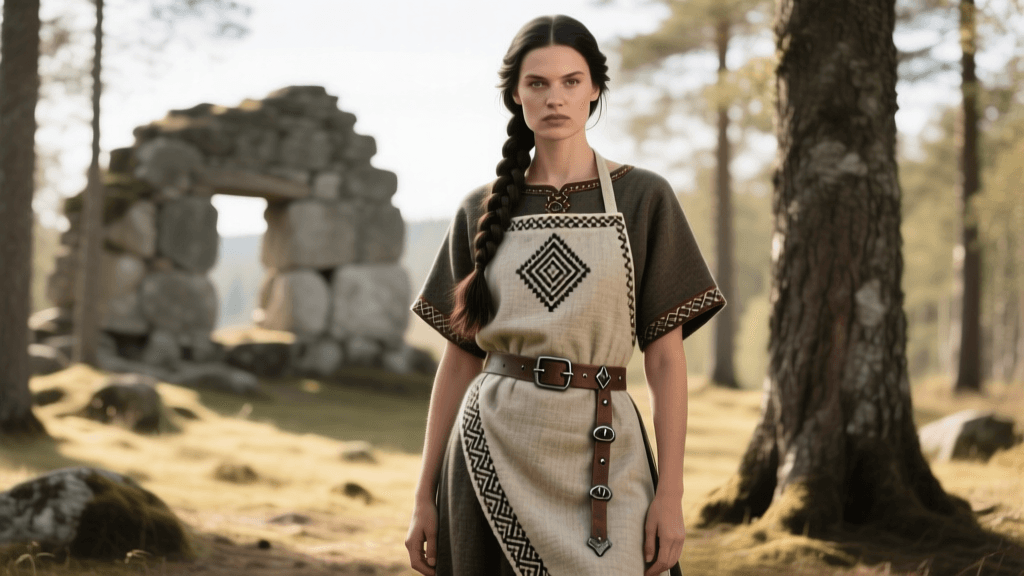
In 2026, the European folk dress revival has reached unprecedented levels of archaeological accuracy. Gone are the days of fantasy-inspired, leather-and-fur costumes popularized by early television shows; today's enthusiasts, historians, and living-history professionals demand strict adherence to textile evidence. Among the most iconic and meticulously researched garments in the Nordic tradition is the Viking Age smokkr, commonly known as the apron dress. Worn over a linen or wool underdress (serk), the smokkr represents the pinnacle of Norse women's fashion from the 9th to the 11th centuries. This comprehensive guide details how to draft, source, and construct an authentic smokkr based on the Hedeby and Birka archaeological records, utilizing 2026 textile standards and historical hand-sewing techniques.
The Archaeological Evidence: Hedeby and Birka
The primary evidence for the smokkr comes from grave finds, most notably the oval 'tortoise' brooches that held the garment's straps in place across the shoulders. However, actual textile fragments are incredibly rare due to the acidic soils of Scandinavia and the UK. The most significant survival is the Hedeby harbor fragment, dating to the 10th century. According to research preserved by institutions like the National Museum of Denmark, this fragment reveals a garment constructed from diamond twill wool, featuring deliberate pleating and a complex seam structure that suggests a wrapped, gored, or tubular design rather than the simple flat panels once assumed by early 20th-century historians.
Furthermore, finds from Birka in Sweden, as extensively documented by researchers like Agnes Geijer, show evidence of imported silk trims and elaborate tablet-woven bands adorning the tops of these dresses. In 2026, historical reenactors prioritize these specific regional variations, moving away from the generic 'panel' dresses of the early 2000s toward historically grounded, pleated, and gored constructions that reflect the true complexity of Norse tailoring.
Sourcing Historically Accurate Textiles in 2026
To achieve an authentic drape and silhouette, your fabric choice is paramount. The Viking Age weaver utilized warp-weighted looms to create distinct weaves. For the smokkr, diamond twill (Kreuzköper) or herringbone twill is the most historically accurate choice for higher-status garments, while plain tabby weave wool was common for everyday, lower-status wear.
When sourcing wool in 2026, look for a thread count between 10 and 16 threads per centimeter. The fabric should be lightly fulled (felted) to prevent fraying and to provide weather resistance, but not so heavily felted that it loses its natural drape. Avoid modern synthetic blends, machine-knits, or heavily dyed 'fantasy' colors. Stick to natural sheep shades (grey, brown, white) or historically verified natural dyes such as madder (red), woad (blue), and weld (yellow).
Natural Dyeing Standards for the Modern Artisan
If you are dyeing your own yardage, modern 2026 mordanting techniques allow for incredible colorfastness using historical methods. Pre-mordant your wool with aluminum acetate or traditional alum (potassium aluminum sulfate) at a ratio of 15% weight of fiber (WOF). For a classic Norse blue, utilize a woad vat maintained at precisely 50°C (122°F), ensuring the pH is kept alkaline using calcium hydroxide. This yields the deep, rich blues seen in high-status Birka grave textiles.
Drafting the Pattern: Measurements and Gores
The most widely accepted reconstruction of the smokkr in 2026 is the multi-panel or gored tubular dress, which allows for ease of movement and accommodates the pleating seen in the Hedeby fragment. The dress is typically constructed from four main panels (front, back, and two sides) with triangular gores inserted to provide flare at the hem. Below is a standard measurement chart for drafting a custom-fit smokkr.
| Measurement Point | Calculation Method | Average Dimension (Size M) | Fabric Required (60' Width) |
|---|---|---|---|
| Bust Circumference | Measure over the underdress + 4 inches ease | 40 inches (101 cm) | N/A (Base Measurement) |
| Dress Length | Shoulder to mid-calf (ankle length is also accurate) | 42 inches (106 cm) | 1.2 yards (Main panels) |
| Gore Width | Base width of each triangular side gore | 18 inches (45 cm) per gore | 0.8 yards (Gores & Straps) |
| Strap Length | From front brooch, over shoulder, to back brooch | 14-16 inches (35-40 cm) | Scrap fabric / Tablet weave |
When cutting your fabric, always add a 5/8-inch seam allowance. The top edge of the smokkr should be folded over twice and hemmed to create a sturdy channel for the straps, preventing the heavy bronze brooches from tearing the wool.
The Underdress: The Linen Serk
The smokkr was never worn directly against the skin. It was layered over a serk, a long-sleeved or short-sleeved underdress typically made of linen. In 2026, unbleached or naturally bleached linen in the 5 to 7 oz weight range is the standard. The serk should feature a keyhole neckline, closed with a simple linen drawstring or a small, single bronze ring brooch. The sleeves can be tapered at the wrist or left wide, depending on the specific regional and temporal portrayal you are attempting. Ensure all linen is pre-washed in hot water and dried on high heat before cutting to eliminate any future shrinkage.
Historical Construction Techniques
Sewing by hand is non-negotiable for high-level historical accuracy in the modern folk dress community. The running stitch was the most common seam used in the Viking Age. For a smokkr, use a fine, Z-spun/S-plied wool or linen thread, heavily waxed with beeswax to prevent tangling and increase tensile strength.
Flat-felled seams are essential for durability and a clean interior finish. Fold the seam allowances together and stitch them down to the main fabric using a whipstitch or a secondary running stitch. As noted by historical combat and culture experts at Hurstwic, the structural integrity of Viking garments relied heavily on these robust seam finishes, which allowed the clothing to withstand rigorous daily labor, travel, and harsh Nordic climates without unraveling.
Tablet Weaving and Silk Trims
No high-status smokkr is complete without trim. The Birka graves frequently featured imported Byzantine or Islamic silks, as well as intricate tablet-woven bands. In 2026, tablet weaving has seen a massive revival, with precision laser-cut wooden and acrylic tablets making the craft more accessible and mathematically precise than ever before.
To recreate a Birka-style trim, use 20 to 30 tablets threaded with fine silk or worsted wool. The 'ram's horn' pattern, double-face twill, or simple diagonal bands are excellent starting points. Attach the woven band to the top edge of the smokkr using a blind stitch, ensuring the band covers the raw edge of the wool and provides a structural reinforcement for the brooch pins. If sourcing imported silk, look for 'noil' or spun silk, which has a slightly textured, matte finish that more accurately reflects early medieval silk weaves compared to the high-shine modern satin.
Hardware: Tortoise Brooches and Bead Swags
The smokkr was suspended by loops that were pinned to the shoulders using oval 'tortoise' brooches. When sourcing bronze hardware in 2026, seek out cast bronze replicas based directly on the Borre, Jelling, or Urnes art styles. Avoid cheap, mass-produced zinc alloys or 3D-printed plastics coated in metallic paint. Authentic sand-cast or lost-wax cast bronze brooches typically cost between $85 and $150 per pair from specialized historical smiths operating in the UK, Scandinavia, and North America.
Between the brooches, Norse women often wore swags of glass and amber beads. To achieve an accurate, museum-quality look, source handmade lampwork glass beads that mimic the opaque yellow, blue, and white melon beads found in Scandinavian graves. String them on a sturdy linen cord or a thin leather thong, and loop them directly over the pins of the tortoise brooches before securing the fabric loops.
Final Fitting and Cultural Preservation
Constructing a Viking smokkr in 2026 is more than just a sewing project; it is an act of experimental archaeology and cultural preservation. When you finally don the garment, ensure the straps are adjusted so the dress hangs comfortably from the shoulders, with the top edge resting just above the bust line. The weight of the bronze brooches and bead swags will naturally pull the fabric taut, creating the elegant, structured silhouette seen in historical reconstructions. By adhering to these strict archaeological guidelines, utilizing historically accurate textiles, and mastering traditional hand-sewing techniques, you contribute to the ongoing, vibrant revival of authentic European folk dress.