Authentic Slavic & Balkan Folk Shirts: 2026 Guide
The Renaissance of Slavic and Balkan Embroidered Shirts
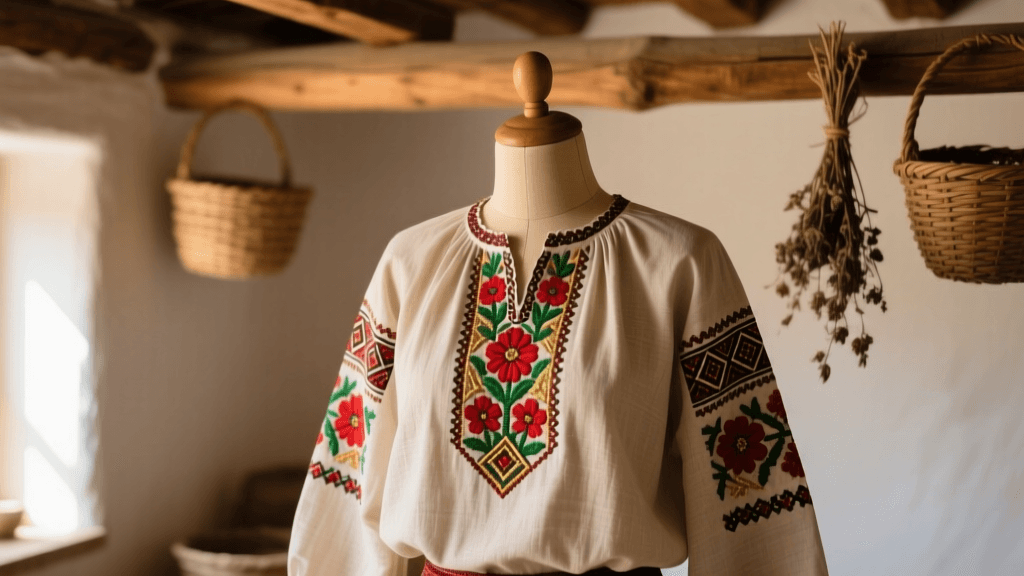
The traditional folk shirts of Eastern Europe and the Balkans represent far more than mere clothing; they are woven manuscripts of regional identity, spiritual protection, and ancestral heritage. In 2026, the global appreciation for slow fashion and artisanal craftsmanship has triggered a massive resurgence in the demand for authentic Slavic and Balkan embroidered garments. Discerning collectors and cultural enthusiasts are increasingly moving away from mass-produced festival wear, seeking instead the meticulously hand-stitched Vyshyvanka of Ukraine, the richly ornamented Košulja of Serbia, and the distinctive asymmetrical Kosovorotka of Russia.
This comprehensive guide will walk you through the intricate regional variations of these garments, provide actionable advice on sourcing authentic pieces in the current 2026 market, and detail the precise care required to preserve these textile masterpieces for future generations. According to UNESCO's framework for safeguarding intangible cultural heritage, traditional craftsmanship like regional embroidery is a vital living practice that connects modern communities to their historical roots, making the ethical sourcing of these garments more important than ever.
Decoding Regional Embroidery Motifs
To accurately source and appreciate these garments, one must first understand the distinct visual languages of different Slavic and Balkan regions. The placement, color, and geometry of the embroidery historically conveyed the wearer's marital status, village of origin, and social standing.
Ukrainian Vyshyvanka: Geometric and Floral Dialogues
The Ukrainian Vyshyvanka is perhaps the most globally recognized Slavic folk shirt. In 2026, the market is heavily focused on two primary regional styles. The Hutsul style, originating from the Carpathian Mountains, features dense, complex geometric patterns heavily reliant on black, red, and yellow threads. These motifs often include stylized solar signs and rhombuses meant to ensure agricultural fertility. Conversely, the Poltava style is renowned for its delicate, tone-on-tone white-on-white embroidery, utilizing intricate cutwork and floral vines that require immense technical skill and natural lighting to execute properly.
Serbian and Balkan Košulja: Metallic Threads and Cross-Stitch
Moving into the Balkans, the traditional Serbian and Croatian Košulja showcases a different aesthetic priority. Balkan embroidery frequently incorporates metallic threads—historically real silver or gold wire, now often high-quality synthetic alternatives in commercial pieces, though 2026 artisan revivals are returning to pure silk wrapped in silver foil. The embroidery is typically concentrated around the collar, the chest opening, and the sleeve cuffs. Vlach and Šumadija motifs often feature bold, stylized floral arrangements and deep red cross-stitching, designed to contrast sharply against the natural, unbleached cream color of the hand-woven hemp or linen base.
Russian Kosovorotka: The Asymmetrical Collar
The Russian Kosovorotka is instantly identifiable by its skewed collar, which buttons on the left or right side rather than the center. This design was historically practical, preventing a cross pendant from falling out during rigorous physical labor. Northern Russian variants favor stark, red-on-white geometric patterns, often featuring elaborate diamond grids and stylized birds, while Southern Russian styles lean heavily into vibrant, multi-colored floral embroidery with extensive use of black outlining.
2026 Sourcing Guide: Identifying Authentic Artisan Pieces
As the popularity of Eastern European folk dress has grown, so too has the proliferation of machine-made replicas. Sourcing an authentic, hand-embroidered shirt in 2026 requires a keen eye and an understanding of current market economics. Genuine hand-stitched linen requires dozens, if not hundreds, of hours of labor. Consequently, the pricing reflects this immense investment of time.
When evaluating a piece, examine the reverse side of the embroidery. Hand-stitched work will show slight irregularities, and the back will often look nearly as neat as the front, with threads carried carefully to avoid snagging. Machine embroidery, by contrast, will feature a dense, uniform web of bobbin thread on the reverse side. Furthermore, authentic 2026 artisan pieces increasingly utilize naturally retted flax linen and botanical dyes, which possess a subtle, organic variance in color that chemical dyes cannot replicate.
Market Comparison: Mass-Market vs. Artisan-Made
| Feature | Mass-Market Replicas | Authentic Artisan Pieces (2026) |
|---|---|---|
| Price Range | $35 - $90 | $180 - $550+ |
| Thread Type | Synthetic polyester blends | Hand-spun cotton, silk, or wool |
| Fabric Base | Chemically treated cotton-linen blends | Hand-loomed, naturally retted flax |
| Embroidery Method | Computerized multi-needle machine | Hand-stitched cross-stitch, satin, or cutwork |
| Dyes | Chemical azo dyes (uniform color) | Natural madder, woad, and walnut hull (organic variance) |
Fabric Weights, Fit, and Precise Measurements
Traditional Slavic shirts were designed for agrarian life, necessitating a loose, breathable fit that allowed for a full range of motion. When ordering a custom piece or selecting a ready-to-wear garment in 2026, it is crucial to understand traditional sizing, which differs vastly from modern tailored menswear or womenswear.
- Fabric Weight: For summer wear and festival attendance, seek linen in the 130 to 160 GSM (grams per square meter) range. For autumn wear or outer-layer shirts, heavier 190 to 220 GSM linen provides necessary structure and warmth.
- Shoulder Drop: Authentic patterns utilize a dropped shoulder seam, often falling 2 to 4 inches below the natural shoulder line. This creates the characteristic relaxed drape of the Vyshyvanka.
- Sleeve Volume: Look for 'bishop' or gathered sleeves. The cuff should be tightly embroidered and buttoned, while the bicep and forearm area remains voluminous. Measure your bicep circumference and add at least 4 inches for traditional ease.
- Length: Men's traditional shirts are typically worn untucked, falling to the mid-fly. Women's tunic-length shirts should fall to the mid-thigh, designed to be worn over a skirt or trousers and cinched with a woven sash (poias).
Caring for Hand-Embroidered Heritage Linen
Preserving the integrity of hand-loomed linen and natural dyes requires a departure from modern laundry habits. The intersection of delicate embroidery threads and heavy linen bases creates tension points that can easily tear if mishandled. We highly recommend adhering to the Victoria and Albert Museum's textile conservation guidelines when dealing with heritage garments.
Pro Tip: Never wring or twist a wet embroidered linen shirt. The mechanical stress will break the hand-spun embroidery threads and distort the woven grid of the base fabric.
Washing: Hand wash in cool water (maximum 30°C or 86°F) using a pH-neutral detergent specifically formulated for delicate textiles. Avoid enzyme-based detergents, as they will degrade protein-based threads like silk or wool used in the embroidery. Submerge the garment gently and let it soak for no more than 15 minutes.
Drying: Roll the shirt in a clean, dry, colorfast cotton towel to gently press out excess moisture. Lay the garment flat on a drying rack, away from direct sunlight, which will rapidly fade natural botanical dyes like woad and madder.
Ironing: Linen must be ironed while it is still slightly damp. Use a high-heat steam setting, but always iron on the reverse side of the embroidery. Place a thick, clean cotton towel beneath the embroidered sections to prevent the stitches from being crushed flat against the ironing board, thereby preserving their three-dimensional texture.
Styling Traditional Folk Shirts in 2026
Integrating historical folk dress into a contemporary 2026 wardrobe requires a balance of respect for the garment's origins and modern sartorial sensibilities. Institutions like The Metropolitan Museum of Art's Costume Institute have frequently highlighted how traditional regional garments can inform modern, sustainable fashion silhouettes.
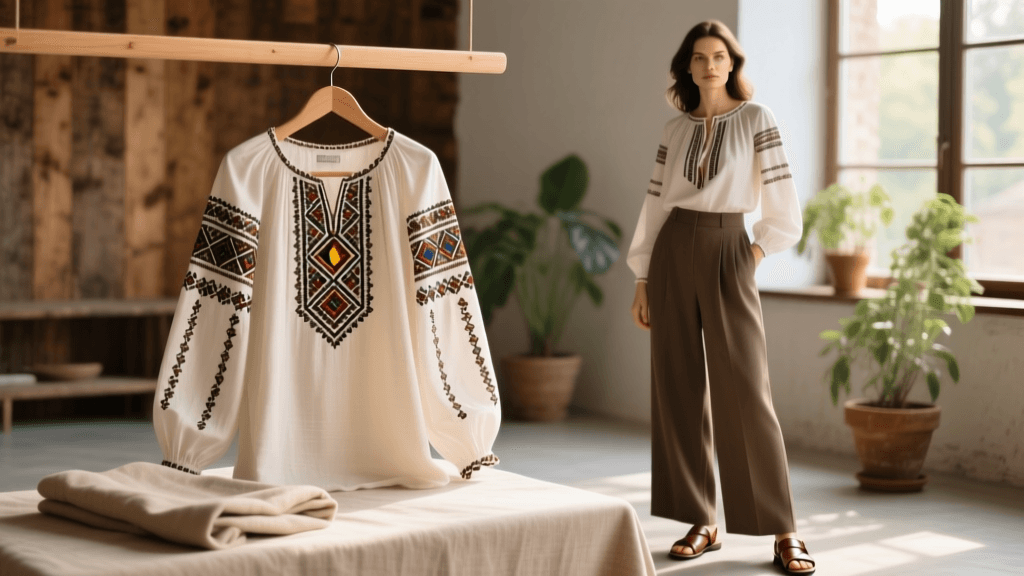
For a refined, everyday look, pair a white-on-white Poltava Vyshyvanka with tailored, high-waisted wool trousers and minimalist leather loafers. The stark contrast between the historical embroidery and modern, structured tailoring creates a striking visual dialogue. For women, a heavily embroidered Balkan Košulja can be layered over a fine-gauge merino wool turtleneck in the winter, or worn as a lightweight dress over a linen slip in the summer, belted with a contemporary woven leather belt rather than a traditional wool sash.
When wearing these garments, avoid mixing them with other heavily patterned items. The embroidery is the focal point of the outfit; let the intricate geometry and rich history of the needlework speak for itself. By investing in authentic, ethically sourced pieces, you are not merely buying a shirt; you are actively participating in the preservation and continuation of Eastern Europe's most vibrant textile traditions.