Romanian Ie Blouse Revival 2026: Ethical Sourcing & Modern Styling
The Renaissance of the Romanian Ie in 2026
The landscape of European folk dress has undergone a profound transformation over the last decade, culminating in a massive revival of heritage garments in 2026. At the forefront of this movement is the Romanian Ie (pronounced 'ee-eh'), a traditional hand-embroidered blouse that has transitioned from rural ceremonial wear to a highly sought-after staple in contemporary, sustainable fashion. Following its vital recognition on the UNESCO Intangible Cultural Heritage list, the global fashion consciousness has shifted away from mass-produced, culturally appropriated knockoffs. Today, consumers and designers alike prioritize traceable, artisan-made heritage pieces. In 2026, integrating an authentic Ie into your wardrobe is not just a style choice; it is an investment in slow fashion, textile preservation, and ethical craftsmanship.
Understanding the Anatomy of the Authentic Ie
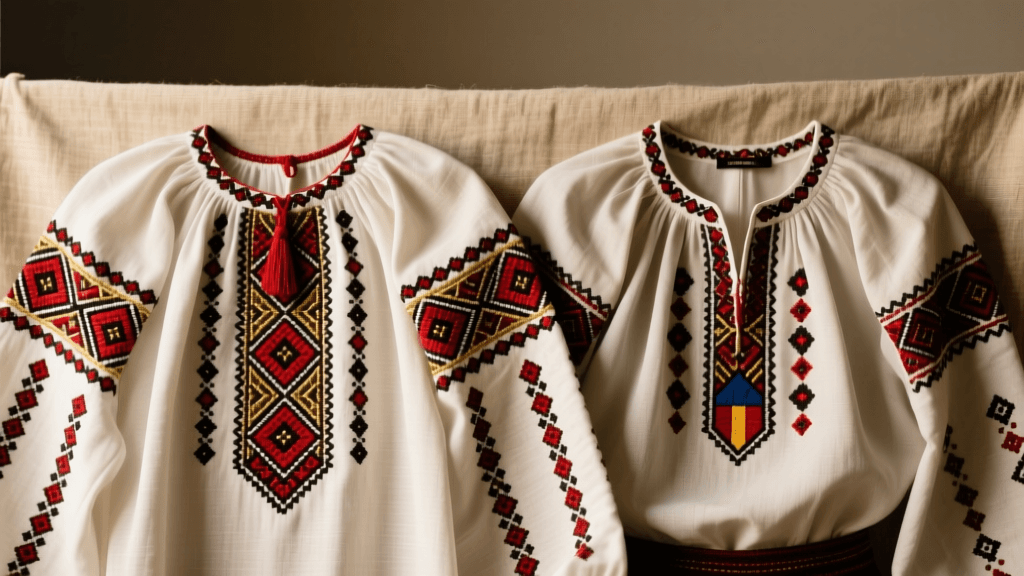
Before styling the Ie, it is crucial to understand its complex anatomy, which dictates how the garment drapes and moves. The traditional Ie is constructed from hand-woven linen or hemp, though high-quality cotton is widely used in modern authentic reproductions. The embroidery is not placed randomly; it follows a strict, centuries-old architectural code.
- The Altita: The most important element, located on the shoulder. It is a dense, rectangular block of embroidery that historically signified the wearer's region, social status, and marital status.
- The Incretul: The intricate gathering at the neckline, often featuring a delicate, smocked geometric band that frames the collarbone.
- The Riscrutura: The vertical or diagonal bands of embroidery that flow down the sleeves from the Altita, guiding the eye and elongating the arm.
- The Pui: Small, scattered motifs (often floral or stellar) that fill the negative space on the bodice and sleeves.
Regional Variations and 2026 Pairings
Different Romanian regions produce distinct visual dialects. Understanding these will help you curate a cohesive 2026 wardrobe.
| Region | Key Motif & Color Palette | Base Fabric | Best 2026 Modern Pairing |
|---|---|---|---|
| Vrancea | Strict geometric patterns; Black and deep red on white. | Heavy Hemp | Tailored, wide-leg wool trousers. |
| Olt | Floral and peacock motifs; Vibrant multicolor threads. | Light Cotton | High-rise, raw upcycled denim. |
| Muscel | Interwoven metallic threads; Gold and crimson. | Sheer Linen | Bias-cut silk midi skirts. |
| Suceava | Cross-stitch botanicals; Earthy greens and ochre. | Textured Linen | Relaxed, oversized linen blazers. |
Ethical Sourcing: Navigating the 2026 Market
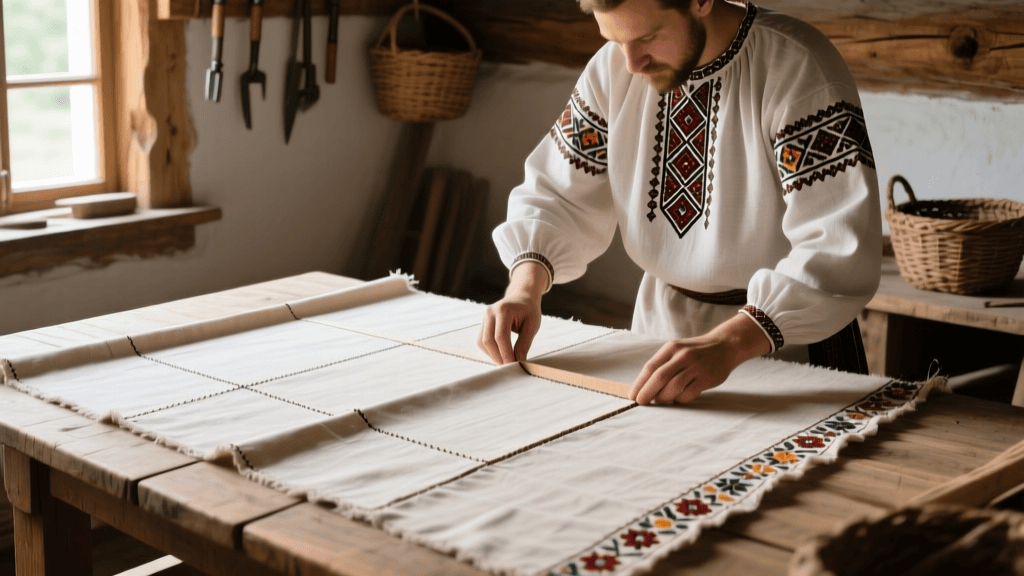
With the global demand for authentic Eastern European textiles peaking in 2026, the market is unfortunately saturated with machine-embroidered imitations produced in fast-fashion hubs. To ensure you are supporting the actual revival of the craft, you must know how to source ethically. According to textile experts at the Romanian Peasant Museum, the soul of the Ie lies in the imperfections of the human hand.
How to Spot an Authentic Hand-Stitched Ie
- Inspect the Reverse Side: Turn the sleeve inside out. Hand-embroidery will look nearly as neat on the back as on the front, with threads following the path of the design. Machine embroidery will show a chaotic web of bobbin threads and jump-stitch cuts.
- Examine the Fabric Grain: Authentic Ie are stitched by counting the threads of the woven fabric. If the embroidery sits on top of a printed grid or non-woven material, it is a factory reproduction.
- Check the Gatherings: The Incretul (neckline) should be gathered using a hand-smocking technique, allowing it to stretch and mold to the body. Elastic bands are a hallmark of modern, mass-produced tourist souvenirs.
2026 Pricing Guide
Investing in an authentic piece requires a realistic budget. In 2026, the fair-trade pricing for artisan-crafted garments reflects the dozens of hours required for completion.
- Machine-Made Replicas (Avoid): €35 - €85
- Semi-Handmade (Machine base, hand-finished): €120 - €180
- 100% Authentic Artisan Hand-Stitched: €250 - €550+
- Vintage/Antique (Pre-1950s): €600 - €2,000+
To source authentic pieces, look for certified artisan cooperatives in Romania, specialized heritage boutiques in Western Europe, or direct commissions through the global 'La Blouse Roumaine' community networks, which connect buyers directly with village embroiderers.
Contemporary Styling Guide for 2026
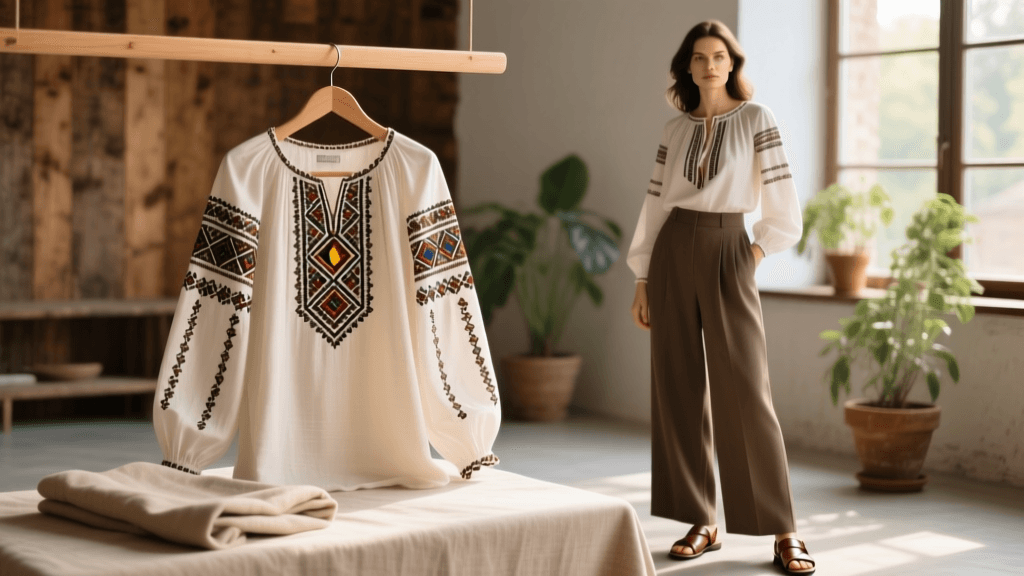
The beauty of the Ie in 2026 is its versatility. It bridges the gap between historical reverence and modern sartorial expression. Here is how to style it for various aspects of contemporary life without looking like you are wearing a museum costume.
1. The Modern Workspace
For a sophisticated office environment, balance the voluminous, romantic silhouette of the Ie with sharp, structured tailoring. Choose a Vrancea-style blouse with black and crimson geometric embroidery. Tuck the front of the blouse into a pair of high-waisted, wide-leg charcoal wool trousers (aim for a 32-inch inseam to allow a slight break over your shoe). Cinch the waist with a minimalist, structured leather belt. The contrast between the fluid, hand-woven hemp of the blouse and the sharp drape of the wool creates a powerful, authoritative silhouette that respects the garment's heritage while fitting seamlessly into a modern boardroom.
2. Evening and Formal Events
The Muscel region's Ie, featuring metallic gold and silver threads interwoven with deep crimson silk, is the ultimate evening piece. In 2026, formal styling leans towards fluid, effortless elegance. Pair a sheer linen Muscel Ie with a bias-cut, floor-length emerald green silk skirt. Allow the blouse to blouse slightly over the waistband, securing it with a delicate braided silk sash rather than tucking it in. Keep jewelry minimal—perhaps a single pair of sculptural gold drop earrings—to let the Altita shoulder embroidery serve as the focal point of your outfit.
3. Weekend Streetwear
For casual weekend wear, the Ie pairs beautifully with the ongoing 2026 trend of upcycled, sustainable denim. Select an Olt-style blouse with vibrant, multicolor floral motifs. Wear it untucked or loosely French-tucked into a pair of relaxed-fit, raw selvedge denim jeans with a wide leg. Layer a cropped, upcycled leather jacket over the shoulders to frame the Altita without crushing the voluminous sleeves. Finish the look with chunky, sustainable leather loafers or minimalist white sneakers. This juxtaposition of rural heritage and urban streetwear highlights the timelessness of the textile.
Care and Maintenance of Hand-Embroidered Textiles
An authentic Ie is an heirloom meant to outlive its wearer. Proper care is essential to preserve the integrity of the hand-woven base and the natural dyed threads.
- Washing: Never machine wash or dry clean an authentic Ie. Hand-wash the garment in lukewarm water (maximum 30°C) using a pH-neutral, eco-friendly liquid detergent. Avoid harsh agitators; gently press the water through the fabric.
- Drying: Never wring or twist the embroidery, as this will distort the tension of the stitches. Roll the wet blouse in a clean, dry cotton towel to absorb excess moisture. Lay it flat on a drying rack, reshaping the Incretul and sleeves to their original dimensions.
- Ironing: Iron the garment while it is still slightly damp. Always iron on the reverse side using a medium heat setting. Place a clean cotton pressing cloth between the iron and the embroidery to prevent crushing the three-dimensional texture of the stitches.
- Storage: Store your Ie folded in acid-free tissue paper inside a breathable cotton garment bag. Avoid wire hangers, which will stretch the delicate hand-woven shoulders and distort the Altita.
Conclusion
The 2026 revival of the Romanian Ie represents a broader cultural awakening. By choosing to source ethically and style thoughtfully, you are participating in the safeguarding of European folk dress. Whether paired with tailored wool for the office or raw denim for the weekend, the Ie proves that true heritage garments are not relics of the past, but living, breathing elements of a sustainable, contemporary wardrobe.