Alpine Tracht Guide 2026: Bavarian & Tyrolean Costumes
The Renaissance of Alpine Tracht in 2026
As the 2026 alpine festival season approaches, the demand for authentic European folk dress has reached unprecedented heights. Discerning collectors, cultural enthusiasts, and festival-goers are moving away from mass-produced, synthetic costumes and seeking genuine, handcrafted Tracht. This guide explores the rich regional variations of Bavarian and Tyrolean traditional garments, providing actionable advice on sourcing, measuring, and investing in authentic pieces this year. Whether you are preparing for the Munich Oktoberfest, the Almabtrieb in Tyrol, or a traditional Salzburg wedding, understanding the nuances of regional dress is essential.
Regional Variations: A Country and Region Breakdown
Bavaria: The Miesbacher Tracht
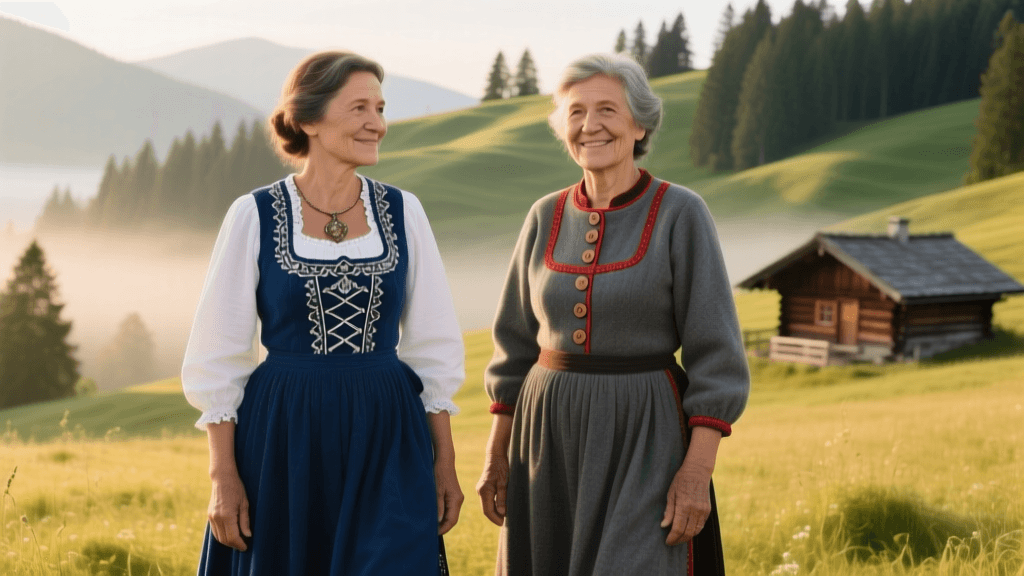
When discussing Bavarian folk dress, the Miesbacher Tracht remains the gold standard for women's Dirndls. Originating from the Miesbach district, this style is characterized by its elegant, understated sophistication. In 2026, authentic Miesbacher Dirndls feature bodices (Mieder) made from dark, rich fabrics like navy blue or forest green dupioni silk, adorned with intricate, tone-on-tone embroidery rather than flashy sequins. The skirt (Rock) falls precisely to the calf, and the apron (Schürze) is traditionally made of raw silk. According to the Bayerischer Trachtenverband, the preservation of regional Miesbacher Tracht relies heavily on supporting local artisans who utilize traditional weaving and embroidery techniques, ensuring the garment's historical integrity remains intact.
For men, the Bavarian Bundlederhose (knee-breeches) is the cornerstone of the outfit. Crafted from vegetable-tanned deerskin (Hirschleder), these trousers are designed to develop a unique patina over time. The distinctive front flap (Latze) and the horn buttons are non-negotiable elements of a genuine Bavarian piece.
Tyrol: The Zillertal and Inntal Traditions
Crossing the border into Austria, the Tyrolean Tracht takes on a more rugged, alpine character. The Zillertal region is famous for its vibrant, heavily embroidered bodices and dark, pleated skirts. Men's attire in Tyrol often features the Lederhose in a slightly longer cut, sometimes reaching mid-calf, paired with heavy, hand-knitted wool stockings (Stutzen). The Tiroler Volkskunstmuseum highlights the historical significance of the Zillertal region in popularizing the colorful, woven silk ribbons that adorn Tyrolean hats and bodices. In 2026, sustainable sourcing of alpine wool has become a major focus, with Tyrolean tailors prioritizing traceable, cruelty-free shearling and wool from local mountain sheep breeds.
Salzburg: Festive Elegance
Salzburg's traditional dress, particularly the Salzburger Festtracht, leans heavily into baroque influences. Women's garments frequently incorporate gold and silver thread embroidery, silk brocades, and delicate lace insertions. The bodice is often structured with internal boning for a more formal silhouette, making it the preferred choice for high-society alpine events and traditional weddings. Men's Salzburg attire often includes a tailored loden jacket (Lodenjanker) in heather grey or olive green, featuring intricate horn buttons and contrast piping.
The 2026 Market: Sourcing Authentic Handcrafted Tracht
The market for European folk dress in 2026 is distinctly bifurcated. On one end, fast-fashion retailers offer synthetic, mass-produced costumes that lack historical accuracy and durability. On the other end, master tailors (Säckler for leather, Schneider for textiles) offer bespoke, handcrafted garments that are true investments. When sourcing authentic Tracht, buyers must look for specific hallmarks of quality:
- Material Provenance: Genuine Hirschleder (deerskin) should be supple, thick, and possess a natural, uneven grain. Synthetic leathers or split cowhide are common in cheaper alternatives.
- Embroidery Technique: Authentic Tracht features hand-stitched or high-end machine-assisted embroidery using silk or cotton threads. The motifs should be regionally accurate (e.g., edelweiss, oak leaves, or gentian flowers).
- Construction: A high-quality Dirndl bodice is fully lined and structured, allowing it to be worn without a bra while providing excellent support. The skirt should be hand-pleated (Falten) rather than machine-gathered.
In 2026, the market has also seen a rise in 'Neo-Tracht'—modern interpretations that blend traditional silhouettes with contemporary fashion elements. While Neo-Tracht offers a stylish alternative for casual events, purists and cultural preservationists advocate for 'Echte Tracht' (true traditional dress) for formal alpine festivals. When purchasing, always ask the retailer about the garment's origin. Genuine handcrafted Tracht will often come with a certificate of authenticity detailing the artisan's workshop, the origin of the materials, and the specific regional style it represents. Mass-produced items will lack this provenance and often feature glued-on appliqués instead of stitched embroidery.
For those seeking museum-quality historical pieces or expert restoration, the Bayerisches Nationalmuseum in Munich frequently hosts exhibitions and provides resources on historical textile conservation, offering invaluable insights for serious collectors looking to acquire vintage 19th-century Tracht.
Actionable Measurement and Fit Guide
Ordering bespoke or made-to-measure Tracht requires precise measurements. Unlike modern fast fashion, traditional alpine garments are tailored to flatter the natural body shape while allowing for movement during traditional folk dances (Schuhplattler). Below is a structured guide to measuring and understanding the costs associated with authentic garments in 2026.
| Garment Type | Key Measurement Focus | 2026 Tailoring Standard | Average Handcrafted Cost |
|---|---|---|---|
| Bavarian Dirndl | Underbust, Waist, Skirt Length | Snug bodice (1cm ease), calf-length skirt | €950 - €1,600 |
| Bundlederhose (Knee) | Waist, Hips, Thigh, Drop | Form-fitting, stretches up to 2cm with wear | €800 - €1,200 |
| Tyrolean Zillertal Tracht | Bust, Waist, Back Width | Structured bodice, heavy wool pleating | €1,100 - €1,800 |
| Salzburg Lodenjanker | Shoulders, Sleeve, Chest | Tailored fit, allows for layering over waistcoat | €650 - €900 |
How to Measure for a Dirndl
- Underbust: Measure directly beneath the bust line, keeping the tape measure level and snug. This determines the band size of the bodice.
- Waist: Measure at the narrowest point of your natural waist, usually just above the navel. The Dirndl should sit precisely here.
- Skirt Length: Measure from the natural waist down to the desired hemline. Traditional rules dictate the skirt should end at the mid-calf, allowing the ankle boots or traditional shoes to be visible.
How to Measure for Lederhosen
- Waist & Hips: Lederhosen sit slightly lower on the hips than modern trousers. Measure the natural waist and the widest part of the hips.
- Thigh: Measure the widest part of the thigh. The Bundlederhose should be snug but not restrictive when sitting.
- The Drop: Measure from the waistband down to the desired knee band. The knee band should sit exactly two fingers below the kneecap.
Essential Accessories for the Complete Alpine Look
A traditional outfit is incomplete without its regional accessories. In 2026, the focus is on heritage craftsmanship and artisanal jewelry.
- Haferlschuhe: The traditional Bavarian shoe, characterized by its side-lacing and robust, cleated sole. Originally designed for alpine farming, they are now a staple of festive Tracht.
- Charivari: A traditional chain worn by men across the front of the Lederhosen. Originally a hunting trophy display, modern Charivaris feature silver coins, badger claws, and antler carvings.
- Dirndlschleife (Apron Knot): The placement of the apron bow communicates the wearer's relationship status. Tied on the left indicates single; on the right indicates married or taken; in the center signifies a virgin (though less commonly used today); and at the back indicates widowhood.
- Gamsbart: The tuft of chamois hair adorning the traditional Tirolerhut (Tyrolean hat). The size and quality of the Gamsbart historically denoted the wearer's wealth and hunting prowess.
For women, the Dirndlkette (Dirndl necklace) is an essential accessory. In Bavaria, this often takes the form of a silver or gold chain with a traditional pendant, such as an edelweiss flower or a heart-shaped Schmuck. In the Salzburg region, pearl chokers and elaborate gold filigree pieces are preferred. Additionally, the Dirndltasche (a small, often velvet or silk pouch tied to the apron string) has become a practical necessity in 2026, allowing wearers to carry modern essentials like smartphones without disrupting the historical silhouette of the garment.
Care and Maintenance of Traditional Garments
Investing in authentic European folk dress requires a commitment to proper maintenance. Leather garments like Lederhosen should never be washed with water or harsh detergents. Instead, use a specialized leather balm containing beeswax and lanolin to maintain suppleness and water resistance. For silk Dirndls, dry cleaning is generally recommended, though light steaming can remove wrinkles from the skirt pleats. Store your Tracht in a breathable cotton garment bag, away from direct sunlight, to prevent the natural dyes from fading. By following these care protocols, your handcrafted Tracht will remain a wearable heirloom for generations to come.