Sardinian Folk Dress and Heritage Weaving Brands 2026
The Enduring Legacy of the Costume Sardo in 2026
Sardinia, an island steeped in ancient history and geographic isolation, boasts one of the most diverse and meticulously preserved folk dress traditions in Europe. Known locally as the costume sardo, these garments are far more than historical relics; in 2026, they represent a thriving intersection of cultural pride, sustainable fashion, and artisanal mastery. Unlike many regional European costumes that faded into festival-only wear, Sardinian traditional garments have experienced a profound renaissance. Today, heritage brands and local weaving cooperatives are revitalizing ancient techniques, bringing centuries-old textiles to a global audience while maintaining strict adherence to historical accuracy.
According to the official Sardinian tourism board, experiential travel focused on traditional craftsmanship has surged, with visitors flocking to inland villages to witness the rhythmic clatter of wooden looms. This renewed interest has provided a vital economic lifeline to rural artisans, ensuring that the intricate language of Sardinian folk dress continues to be spoken through thread and wool. The preservation of these garments is not merely an act of nostalgia, but a dynamic, living practice that supports local economies and champions the slow fashion movement.
Anatomy of the Traditional Sardinian Wardrobe
The costume sardo is not a single uniform but a complex visual dialect. With over 400 distinct municipal variations, the garments communicate a wearer’s village, marital status, and social standing. However, several foundational elements unite the island's sartorial heritage, providing a canvas for the island's master weavers and tailors.
Women’s Attire: Elegance and Symbolism
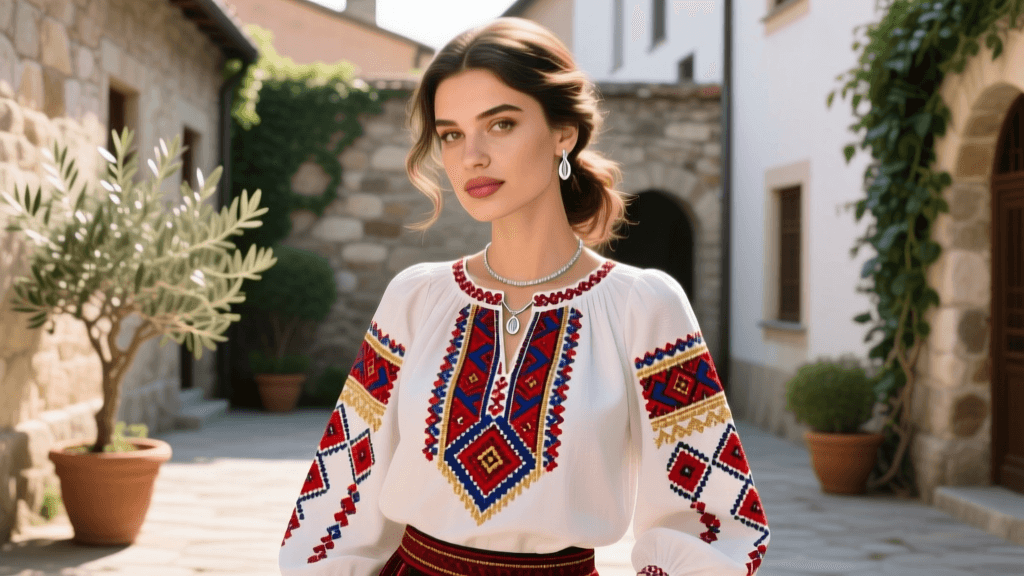
The traditional women's ensemble is characterized by vibrant colors, intricate embroidery, and layered textiles. The foundation often includes sa camisa (a finely pleated linen shirt) and sa faldita or sa gunnedda (a heavily pleated skirt, often dyed deep red, crimson, or black depending on the region). Over this, women wear su corittu or su palas, a tailored velvet or brocade bodice that is laced or fastened with silver filigree buttons.
The headwear is equally significant. Married women typically wear su panneddu or sa tiaggiola, a delicate white linen or silk veil that drapes elegantly over the shoulders, while unmarried women might opt for brightly colored silk scarves. In 2026, contemporary Sardinian designers are reinterpreting these bodices and veils for modern formal wear, proving the timeless silhouette of the costume can seamlessly transition from village festivals to high-end European galas.
Men’s Attire: Utility and the Orbace Cloak
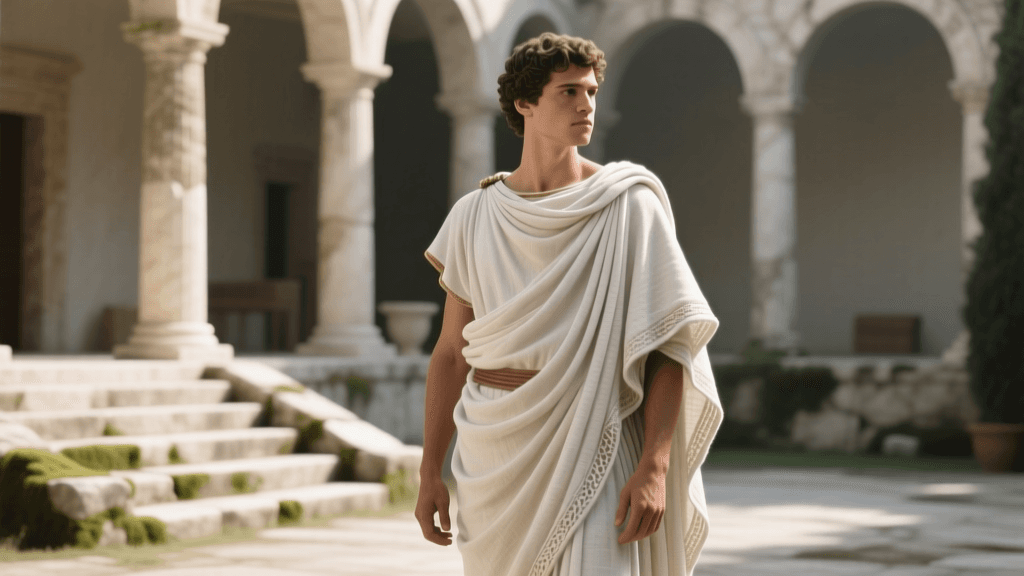
Men’s traditional dress is rooted in the pastoral and agrarian realities of the island's interior. The quintessential male silhouette features is carzones (loose white linen trousers) tucked into leather gaiters, and is ragas, a black, pleated linen kilt worn over the trousers. The upper body is clad in a white linen shirt and a fitted velvet or wool waistcoat known as su zippone.
The most iconic element, however, is sa berritta, a long, black woolen cap that drapes down the back or is folded over the head. For protection against the harsh mountain winters, shepherds historically wore su gabbanu or su cappottu, a heavy, hooded cloak made from indigenous orbace wool. These garments were designed for extreme durability, a trait that modern heritage brands heavily emphasize in their 2026 outerwear collections.
The Magic of Orbace Wool and Pibiones Weaving
To understand Sardinian heritage brands, one must understand the island's indigenous textiles. Orbace is a coarse, highly durable, and naturally water-resistant wool derived from native Sardinian sheep. Historically the fabric of the working class, it is now celebrated by luxury heritage brands for its sustainable, organic properties and distinct, rustic texture. The natural lanolin in the wool makes it incredibly resilient against the elements, a feature that has caught the attention of modern outdoor and heritage workwear enthusiasts.
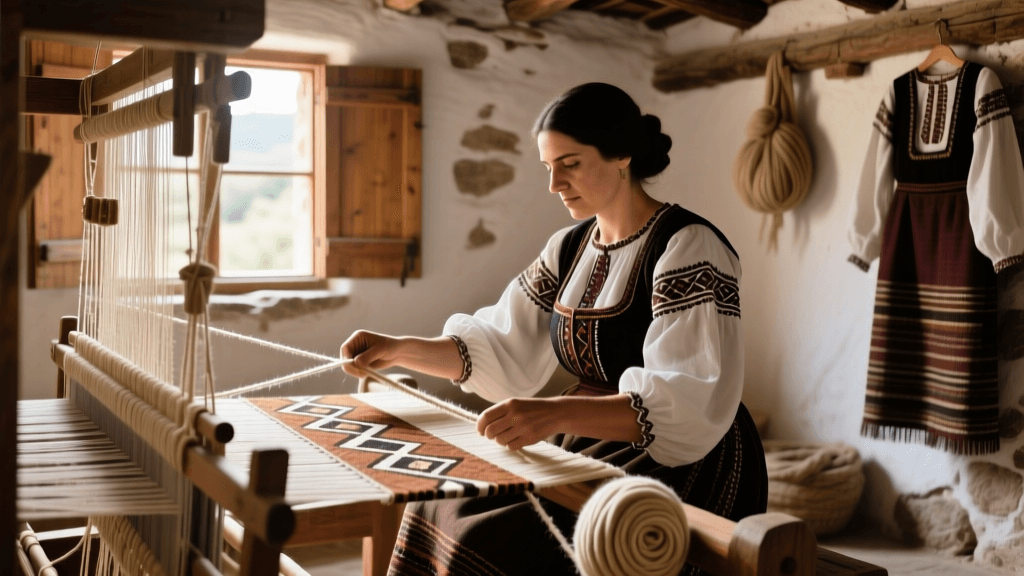
Equally important is the weaving technique known as tessitura a pibiones (grain weaving). Originating in the village of Samugheo, this method involves raising small, distinct bumps of thread (the pibiones, resembling grape seeds) on the surface of the fabric. This creates a tactile, three-dimensional geometric pattern that is entirely unique to Sardinia. In 2026, mastering a pibiones requires months of apprenticeship, making authentic pieces highly sought after by textile collectors worldwide. The Italian Ministry of Culture has actively supported initiatives to document and protect these specific weaving methodologies as vital components of the nation's intangible heritage, aligning with broader UNESCO Intangible Cultural Heritage preservation goals.
Top Heritage Weaving Brands and Cooperatives in 2026
For collectors, interior designers, and folk dress enthusiasts, sourcing authentic Sardinian textiles requires knowing the island's premier cooperatives and heritage brands. These organizations balance historical preservation with the economic realities of modern artisanal production. Below is a guide to the most prominent weaving entities operating in 2026.
| Brand / Cooperative | Location | Specialty | 2026 Price Range (Shawls) | Loom Type |
|---|---|---|---|---|
| Cooperativa Tessitori di Samugheo | Samugheo, Oristano | A pibiones (grain weaving), traditional shawls | €350 - €850 | Traditional Wooden Floor Looms |
| Tessitura Artigianale di Sedilo | Sedilo, Oristano | Raw orbace wool, heavy blankets, cloaks | €200 - €500 | Restored Antique Pedal Looms |
| Artigianato Sardignolo (ISOLA) | Cagliari (Island-wide network) | Curated regional garments, filigree pairings | €150 - €1,200 | Various (Network of Artisans) |
Sourcing Authentic Sardinian Textiles: A 2026 Buyer’s Guide
As the global demand for slow fashion and heritage crafts grows, the market has unfortunately seen an influx of mass-produced imitations. When investing in Sardinian folk garments or textiles in 2026, buyers must exercise diligence to ensure they are supporting genuine artisans and acquiring authentic heritage pieces.
- Verify the Digital Artisan Tag: In 2025, the regional government introduced a blockchain-backed QR tag for certified artisanal products. By 2026, scanning this tag on a garment or textile will reveal the exact weaver, the village of origin, and the fiber source. Always look for the official Sardegna Artigianato digital certification.
- Examine the Pibiones Texture: Authentic a pibiones weaving is done by hand or on traditional pedal looms where the weaver manually raises the warp threads over a rod to create the 'grain'. If the bumps feel perfectly uniform, flat, or appear to be embroidered on top of a flat base fabric rather than integrated into the weave structure, it is likely a machine-made imitation.
- Check the Fiber Content: True orbace wool has a distinct, slightly coarse feel and a natural, earthy scent. It is never perfectly soft like mass-produced merino. Ensure the label states 100% Sardinian sheep wool; blends with acrylic or polyester are immediate red flags for heritage buyers.
- Understand the Pricing: A genuine, handwoven pibiones shawl takes weeks to complete. In 2026, fair-trade pricing dictates that these pieces start around €350. If you find a 'traditional' shawl selling for €50 in a tourist trap, it is undoubtedly imported and machine-woven.
Preserving the Craft: Challenges and Future Outlook
Despite the romantic revival of the costume sardo, the heritage weaving sector faces significant challenges. The physical toll of operating heavy wooden looms, combined with the aging population of master weavers, threatens the continuity of the craft. However, 2026 has brought a wave of optimism. A new generation of Sardinian designers, many of whom studied fashion in Milan or Paris, are returning to the island to establish modern heritage brands that utilize traditional textiles in contemporary silhouettes.
These young entrepreneurs are bridging the gap between the ancient loom and the modern wardrobe, creating tailored jackets from orbace and incorporating pibiones accents into high-end streetwear. By transforming folk dress elements into viable, everyday luxury goods, they are ensuring that the weavers of Samugheo, Sedilo, and beyond have a sustainable market for their extraordinary skills. The story of Sardinian folk dress in 2026 is not one of a dying art, but of a vibrant, evolving tradition that continues to dress the island—and the world—in threads of history.