Romanian Ie Blouse Revival: 2026 Styling & Sourcing Guide
The Renaissance of the Romanian Ie in 2026
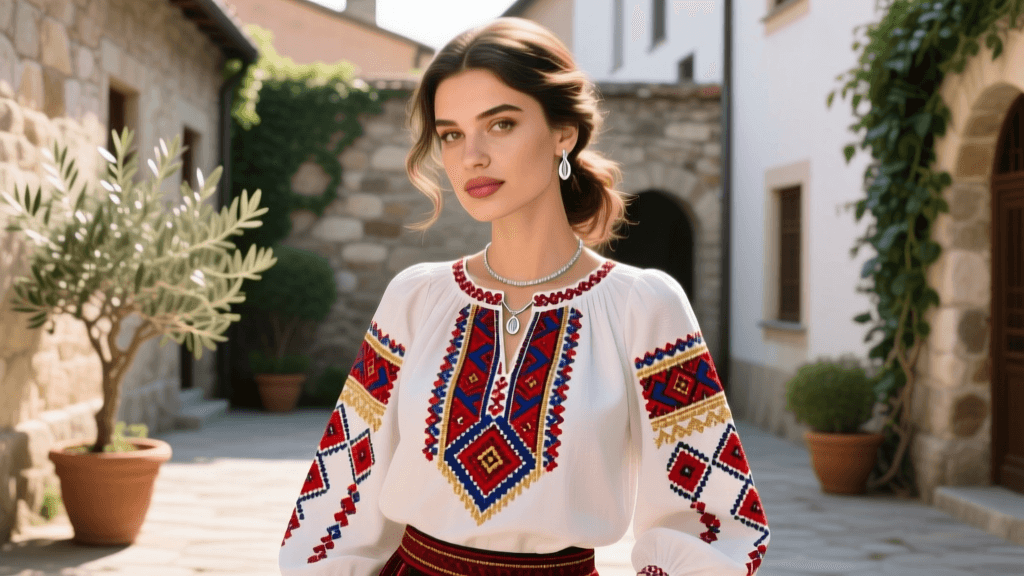
The traditional Romanian ie (pronounced 'yeh') has transcended its rural roots to become a cornerstone of the 2026 European slow fashion movement. Following its landmark UNESCO Intangible Cultural Heritage inscription, the art of the traditional shirt with shoulder embroidery has seen a massive, sustained resurgence. In 2026, contemporary stylists, heritage enthusiasts, and eco-conscious consumers are no longer relegating the ie to museum displays or annual folk festivals. Instead, it is being actively integrated into modern, cosmopolitan wardrobes as a statement of sustainable luxury and cultural pride.
As the global fashion industry continues to pivot toward artisanal, slow-made garments this year, the ie offers a masterclass in sustainable textile traditions. Hand-woven from natural fibers and embroidered with symbolic motifs that take dozens of hours to complete, these blouses represent the antithesis of fast fashion. For the modern consumer, wearing an authentic ie in 2026 is both a stylistic triumph and an ethical choice, supporting rural artisan cooperatives and preserving centuries-old techniques.
'The traditional shirt with embroidery on the shoulder (altiță) is not merely a garment; it is a complex system of cultural identity, conveying messages about the wearer's community, status, and cosmological beliefs through every single stitch.' - UNESCO Intangible Cultural Heritage Registry
The Anatomy of Authenticity: What to Look For
As the demand for Eastern European folk dress has surged, so has the market for mass-produced, factory-made imitations. To ensure you are investing in an authentic piece of European heritage rather than a synthetic knockoff, it is crucial to understand the structural anatomy of the traditional ie.
The Three Pillars of Embroidery
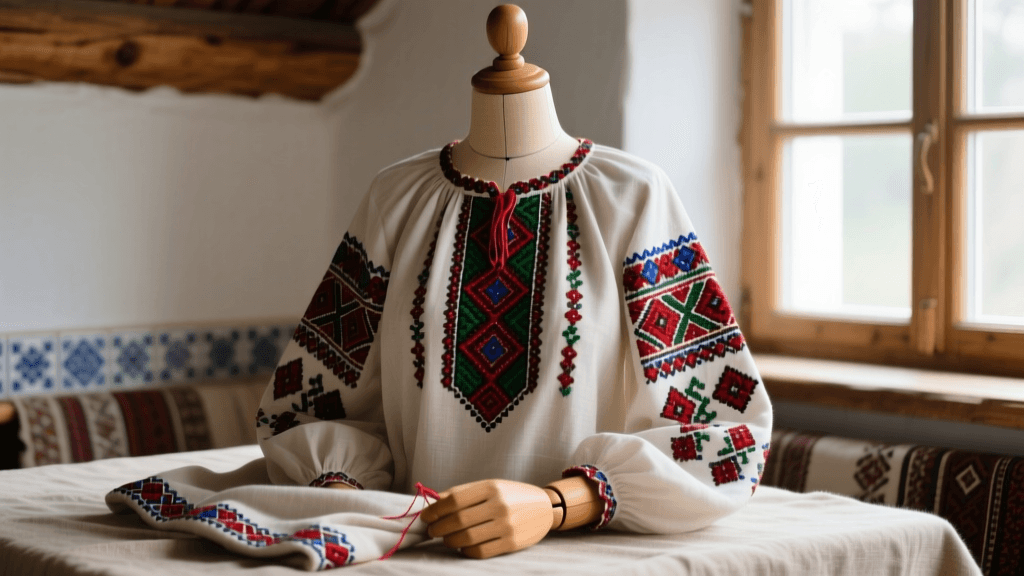
- Altița (The Shoulder): This is the most complex and visually striking part of the blouse. Located on the upper shoulder and sleeve, the altița features dense, intricate geometric or floral patterns. In authentic 2026 pieces, this section alone can take an artisan over 40 hours to complete by hand.
- Încrețul (The Neckline Gather): Just below the altița, the fabric is gathered into a delicate, textured ruffle. This functional element allows for ease of movement while adding a beautiful structural volume to the sleeve.
- Râurile (The Rivers): These are the vertical or diagonal bands of embroidery that flow down the sleeve from the shoulder to the cuff. They symbolize the flowing rivers of the Carpathian landscape and guide the eye down the garment.
Materials and Motifs
Authentic blouses are crafted from hand-woven cotton, hemp, or linen. The fabric should have a slightly irregular, organic texture that machine-milled textiles lack. The embroidery thread is traditionally cotton, wool, or silk, occasionally augmented with metallic threads (fir metalic) for festive garments. Avoid any blouse that lists polyester, acrylic, or nylon in its material composition, as these are hallmarks of the 2026 fast-fashion replicas flooding online marketplaces.
Regional Variations: Choosing Your Motif
Romania's diverse topography has given rise to distinct regional styles of embroidery. Understanding these variations will help you choose a piece that resonates with your personal aesthetic.
- Olt River Valley: Known for striking, high-contrast geometric patterns, typically utilizing deep black and vibrant red threads on crisp white fabric. This style is highly graphic and pairs beautifully with modern minimalist tailoring.
- Vrancea Region: Characterized by curvilinear, floral, and vegetal motifs. The color palette is often richer, incorporating greens, yellows, and blues, reflecting the lush, forested landscapes of the area.
- Maramureș: Famous for its understated elegance. Blouses from this northern region often feature subtle, tone-on-tone embroidery (white-on-white or black-on-black) with smaller, highly refined motifs. This is the preferred choice for contemporary office wear and formal styling.
2026 Sourcing Guide & Price Comparison
Sourcing an authentic ie requires navigating a mix of digital artisan marketplaces, heritage cooperatives, and curated boutiques. The community-driven initiative La Blouse Roumaine has been instrumental in connecting global buyers with verified rural artisans, ensuring fair compensation and authentic craftsmanship.
Below is a comprehensive guide to sourcing channels and expected pricing for authentic, hand-embroidered blouses in the current 2026 market.
| Sourcing Channel | Average 2026 Price (USD) | Production Lead Time | Authenticity Guarantee |
|---|---|---|---|
| Direct Artisan (Etsy / Instagram) | $250 - $650 | 4 - 12 Weeks | High (Direct maker relationship) |
| Heritage Cooperatives (e.g., Semne Cusute) | $180 - $350 | 2 - 6 Weeks | High (Community vetted patterns) |
| High-End Curated Boutiques | $400 - $850 | In Stock / Immediate | High (Authenticated vintage/new) |
| Fast Fashion / Mall Brands | $45 - $95 | In Stock / Immediate | Low (Machine-made, synthetic blends) |
Note: If a blouse features complex altiță embroidery and is priced under $150, it is almost certainly machine-embroidered in a factory setting. True hand-embroidery requires a significant investment of time and skill.
Contemporary Styling: Integrating the Ie into Modern Wardrobes
The beauty of the ie lies in its versatility. While it is a deeply traditional garment, its voluminous sleeves and intricate textures make it a spectacular statement piece for 2026 contemporary styling. Here is how to wear it across different facets of modern life.
1. The Modern Office & Smart Casual
To wear the ie in a professional or smart-casual setting, balance its traditional volume with sharp, modern tailoring. Choose a Maramureș-style blouse with subtle, monochromatic embroidery. Tuck it into high-waisted, wide-leg wool trousers in charcoal or navy. Add a minimalist, structured leather belt to define the waist, and finish with pointed-toe ankle boots. The key is to let the blouse be the sole focal point of the outfit, keeping accessories sleek and understated.
2. Weekend Streetwear & Contrast
For a relaxed, off-duty look, play with textural contrast. Pair a vibrant, Olt Valley ie with distressed, vintage-wash denim jeans or a heavy cotton midi skirt. Layer a cropped, modern leather jacket over the shoulders to juxtapose the delicate hand-woven cotton with tough, contemporary materials. Chunky lug-sole boots or modern minimalist sneakers ground the outfit, making it perfect for weekend city exploration or casual social gatherings.
3. Evening Elegance & Formal Wear
For evening events, seek out a vintage or newly commissioned ie that incorporates metallic threads or silk embroidery. A black hemp blouse with black and gold silk embroidery looks incredibly luxurious when paired with a sleek, satin slip skirt or tailored tuxedo trousers. Elevate the look with delicate gold jewelry that mimics the geometric angles of the altița motif, and style the blouse with a deep V-neckline by loosening the traditional tassel ties.
Caring for Hand-Embroidered Heritage Garments
An authentic ie is an investment that, with proper care, can be passed down through generations. The natural fibers and organic dyes require specific maintenance to preserve their structural integrity and color vibrancy. According to textile conservation experts at the Victoria and Albert Museum, historical and artisanal textiles require gentle, pH-neutral handling to prevent fiber degradation.
- Washing: Never machine wash or dry clean an authentic hand-embroidered blouse. Hand wash it gently in lukewarm water using a specialized, pH-neutral textile detergent. Avoid wringing or twisting the fabric, as this can distort the hand-woven weave and damage the tension of the embroidery threads.
- Drying: Roll the blouse in a clean, dry towel to gently press out excess water. Lay it flat on a drying rack away from direct sunlight, which can fade natural dyes over time.
- Ironing: Always iron the garment on the reverse side while it is still slightly damp. Place a clean cotton pressing cloth between the iron and the embroidery to prevent crushing the three-dimensional texture of the altița and râuri stitches. Use a low-to-medium heat setting appropriate for cotton or hemp.
- Storage: Store your ie folded in acid-free tissue paper inside a breathable cotton storage box. Avoid wire hangers, which can distort the shoulder seams and stretch the delicate neckline gathers over time.
Conclusion
The 2026 revival of the Romanian ie is more than a fleeting fashion trend; it is a profound reconnection with European textile heritage. By understanding the anatomy of the garment, recognizing regional variations, and committing to ethical sourcing, contemporary consumers can proudly integrate these masterpieces of folk art into their daily lives. Whether styled with sharp modern tailoring for the office or paired with vintage denim for the weekend, the authentic ie remains a timeless testament to the enduring power of slow, intentional, and culturally rich fashion.