Viking Smokkr Apron Dress Reconstruction Guide 2026
Introduction to the Viking Smokkr in 2026
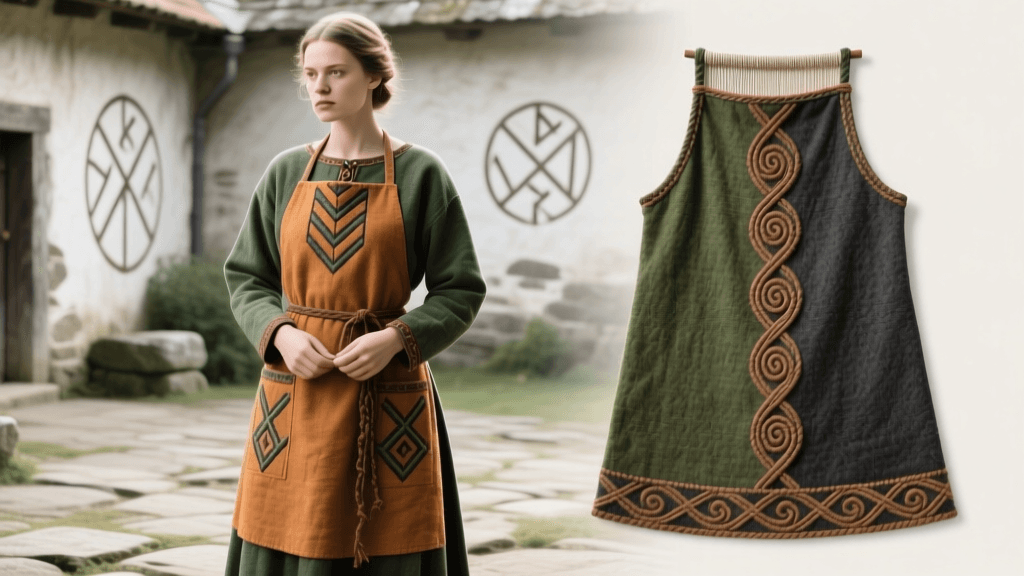
The smokkr, commonly known as the Viking apron dress, remains one of the most iconic and fiercely debated garments in early medieval European textile history. As we navigate the 2026 living history and historical European martial arts (HEMA) seasons, the demand for strict archaeological accuracy has never been higher. Modern reenactors and textile artists are moving away from the fantastical, heavily tailored 'Viking princess' costumes of the past, favoring instead evidence-based reconstructions grounded in recent archaeological textile analyses. This comprehensive guide will walk you through the process of reconstructing a historically accurate smokkr in 2026, exploring the archaeological debates between the Hedeby and Birka finds, sourcing appropriate wool, mastering natural dyes, and drafting the pattern.
The Archaeological Basis: Hedeby vs. Birka Finds
When reconstructing a smokkr, it is vital to understand that there was no single 'Viking uniform.' The archaeological record provides us with fragmented, yet highly informative, textile remnants that suggest regional variations and evolving styles. The two most critical sites for understanding the apron dress are the Hedeby harbor in modern-day Germany and the Birka burial grounds in Sweden.
The Hedeby Fragment
Discovered in the harbor mud, the Hedeby fragment is characterized by its intricate pleating and high-quality craftsmanship. Textile researchers believe this fragment represents a wrapped, pleated front panel of a smokkr. The fabric is a fine, dyed wool, and the pleats suggest a garment that was gathered and held in place by tension and brooches, rather than rigid tailoring. According to the National Museum of Denmark, Viking Age clothing relied heavily on the drape and weave of the textile rather than complex cutting, making the Hedeby pleated style a masterclass in fabric manipulation.
The Birka Graves
In contrast to the Hedeby harbor find, the Birka burial grounds have yielded numerous fragments of apron dresses preserved beneath oval 'tortoise' brooches. The Birka finds often feature a tubular or looped construction, with evidence of linen or wool loops attached to the top corners to secure the garment. Some Birka graves also show evidence of a secondary, contrasting fabric panel at the top, suggesting a layered or decorated bodice. In 2026, the consensus among experimental archaeologists is that the Birka style was likely a closed tube or a wrapped blanket-style garment secured at the shoulders, varying based on the wealth and status of the wearer.
Sourcing Historically Accurate Textiles in 2026
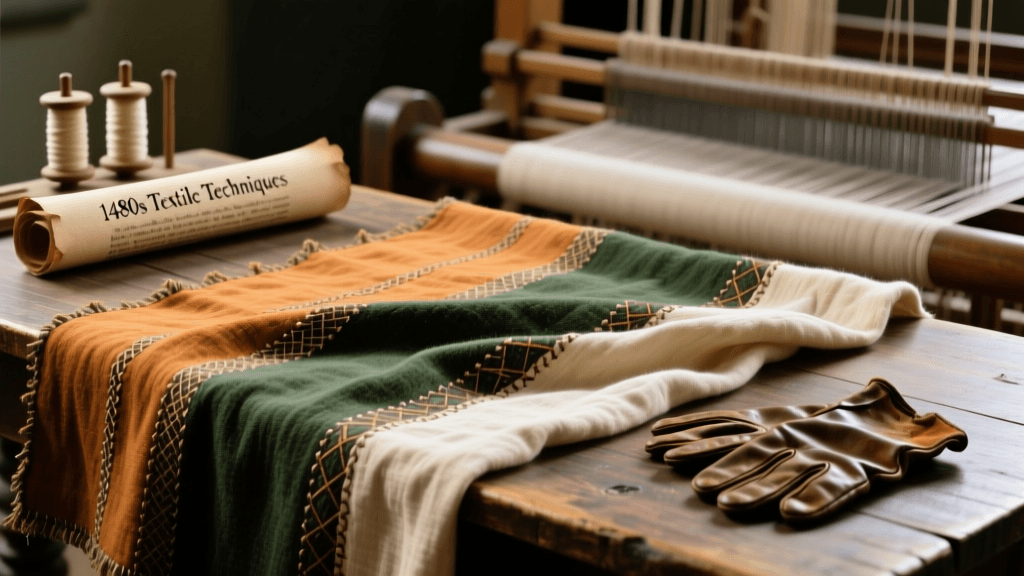
The foundation of any authentic smokkr is the fabric. The Vikings did not use cotton, polyester, or modern synthetic blends. They utilized sheep's wool, spun and woven on warp-weighted looms. For a 2026 reconstruction, you must source wool that mimics the coarse, hairy, and lanolin-rich textiles of the era. The most accurate weave for a high-status smokkr is the 2/1 diamond twill, while a simple tabby weave is acceptable for lower-status or everyday interpretations.
Below is a comparison chart of the best historically accurate wool types available from specialty heritage mills this year:
| Wool Type | Weave Structure | Thread Count (approx.) | Best Historical Application |
|---|---|---|---|
| Gotland Pelt Wool | 2/1 Diamond Twill | 18x14 threads/cm | High-status outer Smokkr |
| Icelandic Fleece | Tabby (Plain Weave) | 12x12 threads/cm | Everyday working Smokkr |
| Spælsau (Norwegian) | 2/2 Twill | 15x15 threads/cm | Winter-weight outer layers |
| Shetland Wool | Diamond Twill | 20x16 threads/cm | Fine, wealthy merchant class |
When purchasing fabric in 2026, expect to pay between $45 and $85 per yard for authentic, shuttle-loomed diamond twill from heritage weavers in Scandinavia or the UK. Avoid modern 'costume' wools, which are often heavily processed, lack lanolin, and drape too fluidly for historical accuracy.
Natural Dyeing: Woad and Madder Protocols
Color in the Viking Age was a signifier of wealth and trade connections. While undyed sheep's wool (ranging from white to deep charcoal) was common, archaeological evidence from sites like York and Birka shows extensive use of natural dyes. The two most prominent colors for the smokkr were blue, derived from woad (Isatis tinctoria), and red, derived from madder (Rubia tinctorum).
According to extensive research on historical textile coloration documented by the Victoria and Albert Museum, achieving colorfast results with natural dyes requires a deep understanding of mordants and fermentation vats. Modern synthetic indigo is not an acceptable substitute for living history enthusiasts aiming for 2026 authenticity standards.
The Woad Vat (Blue)
Woad requires an alkaline, oxygen-depleted fermentation vat. In 2026, many historical dyers use a traditional wood ash lye or a modern sodium hydroxide reduction vat to extract the blue pigment. The wool must be submerged in the yellow-green liquid and, upon removal and exposure to the air, oxidizes into a deep, rich blue. Achieving the dark navy seen in high-status Birka graves requires multiple dips over several days.
The Madder Bath (Red)
Madder root requires a mordant, typically alum (aluminum potassium sulfate), to bind the red pigment to the wool fibers. The dye bath must be kept at a gentle simmer (around 60-70°C) for several hours. Boiling the madder bath will extract unwanted brown and yellow pigments, resulting in a muddy orange rather than the prized brick-red or deep crimson. For a historically accurate smokkr, a deep, earthy red is highly desirable and pairs beautifully with bronze jewelry.
Step-by-Step Pattern Drafting and Construction
Drafting a smokkr requires abandoning modern pattern-making concepts like darts, armholes, and tailored waists. The garment is essentially a tube or wrapped rectangle of fabric, suspended from the shoulders.
1. Taking Measurements
- Chest/Bust Circumference: Measure around the fullest part of the bust/chest, over the underdress (serk).
- Garment Length: Measure from the armpit down to the desired hemline (usually mid-calf to ankle).
2. Cutting the Fabric
For a standard tubular Birka-style smokkr, cut a rectangle of wool that is 1.5 times your chest circumference in width, and your desired length in height. This extra width allows for the fabric to drape and fold naturally when gathered by the brooches. If you are attempting the Hedeby pleated style, you will need a front panel that is heavily pleated and basted into place before being attached to a simpler back panel.
3. Creating the Loops
The shoulder loops are critical. Archaeological evidence shows these were often made of linen or a tightly woven wool tablet-weave band. Cut four strips of linen (approx. 15cm long and 3cm wide), fold them in half, and sew them into sturdy tubes. Attach these loops to the top edge of the front and back panels. The distance between the front and back loops should match the width of your shoulders.
4. Seaming and Finishing
Sew the side seams using a historical running stitch or backstitch, reinforced with a felled seam to prevent fraying. Do not use a modern sewing machine if you are entering strict authenticity competitions; hand-sewing with waxed linen or wool thread is mandatory. The hem should be finished with a simple whip stitch or a woven edge if your fabric was cut directly from the loom.
Accessorizing the Smokkr: Brooches and Beads
The smokkr is held together by a pair of oval, tortoise-shaped brooches. In 2026, the market for historically accurate bronze castings is robust, with many artisans using 3D-scanned molds taken directly from museum artifacts to create flawless replicas. When purchasing brooches, ensure they have the correct pin mechanism and a deep enough bowl to catch the thick wool and linen loops securely.
Between the brooches, it is common to see strands of glass, amber, and carnelian beads. Based on grave finds, the beads were often draped in a swag from one brooch to the other, or worn as a tight, multi-strand collar just below the collarbone. Avoid modern plastic beads; source authentic lampwork glass beads from specialized historical artisans to maintain the integrity of your 2026 kit.
The Underdress: The Serk
A smokkr is never worn directly against the skin. It is layered over a serk (underdress or shift). The serk should be made of unbleached or naturally dyed linen, or fine, soft wool for winter wear. The neckline of the serk is typically a simple keyhole or round neck, fastened with a small bone or bronze pin. The sleeves can be short or long, depending on the season. The contrast between the fine, light linen of the serk and the heavy, dyed wool of the smokkr creates the visually striking layered look characteristic of the Viking Age.
Common Mistakes to Avoid in Modern Reconstructions
As living history standards continue to evolve in 2026, several outdated tropes must be actively avoided:
- The 'Corset' Effect: The smokkr should not be tailored tightly to the waist. It is a suspended garment that hangs from the shoulders and brooches. Tightening the side seams to create an hourglass figure is entirely ahistorical.
- Synthetic Fabrics: Even high-quality wool blends containing polyester will melt near campfires and lack the water-resistant properties of lanolin-rich historical wool.
- Modern Embroidery: While the Vikings did embroider, the motifs were typically small, geometric, and executed in silk or fine wool thread using stem stitch or split stitch. Large, colorful, cross-stitched dragons or Celtic knots across the chest are modern fantasy inventions.
- Leather Bodices: There is zero archaeological evidence for leather apron dresses or leather bodices in the Viking Age. Stick to woven textiles.
Care and Maintenance of Your Smokkr
Wool is naturally antibacterial and odor-resistant. To maintain your smokkr, avoid frequent washing with modern detergents, which strip the lanolin and ruin the drape. Instead, air the garment out in the wind and brush it with a stiff-bristled clothes brush to remove dirt and campfire ash. If a deep clean is necessary, hand wash the garment in cool water using a lanolin-based wool soap, gently squeeze out the water without wringing, and lay it flat to dry in the shade. Properly maintained, a high-quality diamond twill smokkr will last for decades, aging beautifully and becoming a cherished cornerstone of your historical wardrobe.
Conclusion
Reconstructing a Viking smokkr in 2026 is a deeply rewarding journey into the past. By respecting the archaeological evidence from Hedeby and Birka, sourcing authentic diamond twill wools, mastering the chemistry of woad and madder, and abandoning modern tailoring conventions, you can create a garment that is not only visually stunning but historically profound. Whether you are preparing for a major living history festival or simply seeking a deeper connection to early medieval European textile traditions, the evidence-based smokkr stands as a testament to the ingenuity and artistry of Viking Age weavers.