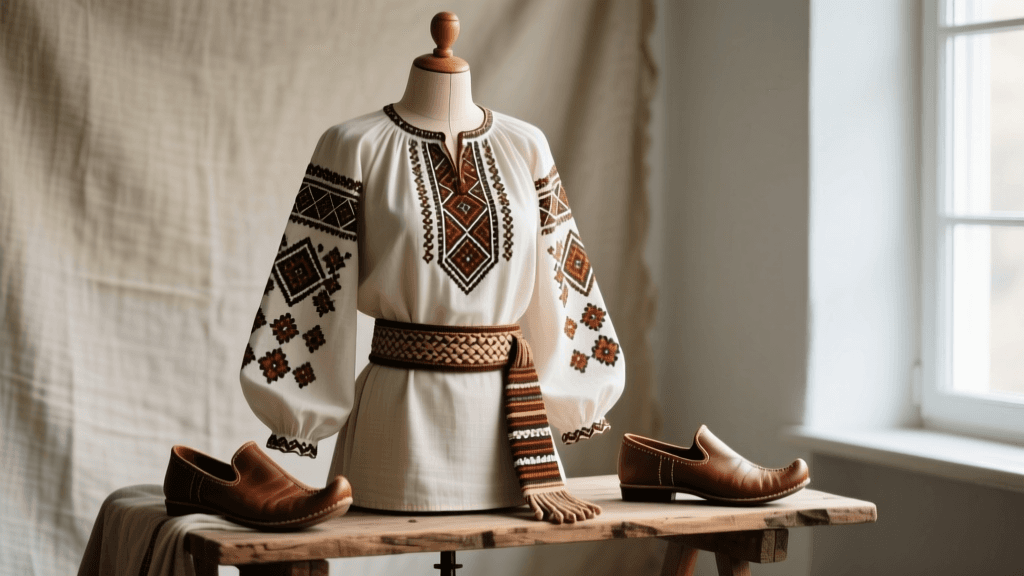
Sourcing Authentic Renaissance Wool and Linen in 2026
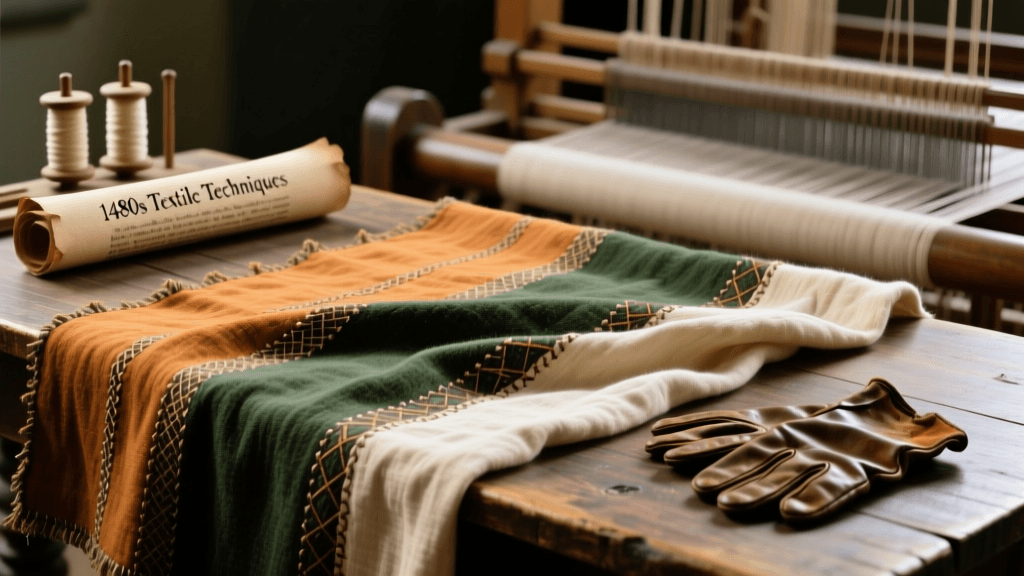
The Renaissance Textile Revival of 2026
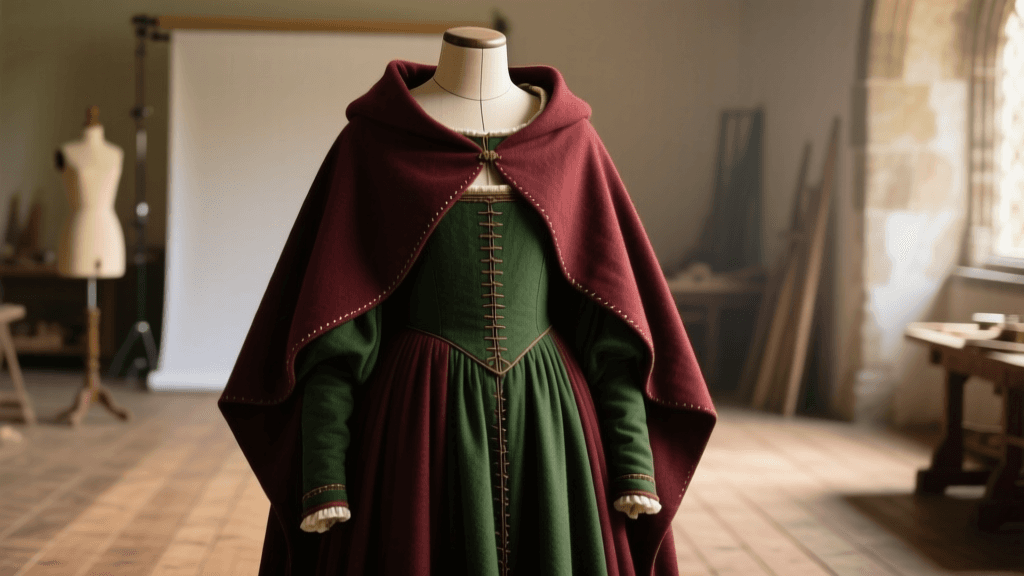
The landscape of historical European folk dress and Renaissance reenactment has evolved dramatically as we move through 2026. Today, historical tailors, museum conservators, and dedicated reenactors are moving away from modern synthetic blends and commercially dyed fabrics, demanding rigorous material authenticity. Reconstructing a 15th-century Burgundian houppelande or a 16th-century Tudor kirtle requires more than just an accurate pattern; it demands textiles that behave, drape, and wear exactly as they did in early modern Europe. According to research and archival standards maintained by The Met's Costume Institute, the tactile experience of historical garments is inextricably linked to the specific weights, weaves, and fiber preparations of their era. This guide explores how to source historically accurate wool, linen, and silk for Renaissance garment reconstruction in the current 2026 market.
Linen: The Indispensable Base Layer
In the Renaissance wardrobe, linen was the foundation of all dress. It was used for chemises, braies, partlets, ruffs, and the crucial interlinings that gave doublets and bodices their structure. Modern commercial linens are often heavily bleached, chemically softened, and woven with short-staple fibers that result in a fabric that pills, shrinks unpredictably, and lacks the crisp structural integrity of historical linen.
For authentic 2026 sourcing, you must seek out long-staple, wet-spun flax. Wet-spun linen produces a smoother, stronger, and more lustrous yarn that closely mirrors the high-quality linens worn by the European merchant and noble classes. When sourcing linen for undergarments like the camicia or chemise, look for fabrics in the 180 to 220 GSM (grams per square meter) range. These medium-weight linens are breathable, absorbent, and opaque enough for modesty while remaining comfortable against the skin.
For structural interlinings, pad-stitching, and heavy ruff supports, you need heavyweight linen, often referred to as canvas or duck, ranging from 300 to 400 GSM. In 2026, the most reliable sources for unbleached, naturally retted European linens are heritage mills in Lithuania, Belarus, and Ireland. These regions maintain traditional scutching and hackling processes that preserve the natural strength of the flax. Expect to pay between $22 and $45 per yard for premium, historically accurate heavyweight linen, a price point that has stabilized in 2026 due to improved direct-to-consumer Baltic shipping routes.
Wool: The Wealth of the Renaissance Wardrobe
While linen formed the base, wool was the undisputed king of the outer wardrobe. The European textile economy of the 15th and 16th centuries was built on the wool trade. However, the wool used in Renaissance clothing was vastly different from the lightweight, worsted suit wools available in modern fabric stores. Historical outer garments were predominantly made from 'woolen' yarns (carded, not combed) that were woven loosely and then heavily fulled (milled) to shrink, thicken, and felt the fabric.
This fulling process created broadcloth and Melton—fabrics that were dense, windproof, water-resistant, and capable of holding complex tailoring structures without fraying. A modern 8-ounce suit wool will drape too fluidly and fail to support the heavy pleating of a Renaissance gown or the rigid silhouette of a doublet. For authentic reconstruction, you must source fulled wools weighing between 16 and 24 ounces per yard (roughly 500 to 750 GSM).
As of 2026, heritage mills in the United Kingdom, particularly those in the West Country and Yorkshire, continue to produce authentic fulled broadcloth and kersey using traditional napping and shearing techniques. These fabrics feature a slightly fuzzy, matte finish that absorbs natural dyes beautifully. Sourcing authentic Melton or broadcloth requires a significant investment, with 2026 prices ranging from $65 to $110 per yard, but the resulting garment will possess the correct structural memory and historical drape that modern wool blends simply cannot replicate.
2026 Historical Textile Supplier Comparison
Navigating the textile market requires knowing which suppliers cater to historical accuracy versus modern theatrical costuming. Below is a comparison of the primary sourcing categories available to historical tailors in 2026.
| Supplier Category | Best For | 2026 Avg. Cost/Yard | Historical Accuracy |
|---|---|---|---|
| Heritage UK Woolen Mills | Fulled broadcloth, Melton, Kersey | $65 - $110 | Exceptional |
| Baltic Linen Weavers | Chemises, braies, heavy interlinings | $22 - $45 | High |
| Specialty Historical Drapers | Pre-dyed wools, silk velvets, fustian | $50 - $150 | Exceptional |
| Commercial Upholstery Suppliers | Heavyweight canvas, damasks, brocades | $30 - $80 | Moderate |
Silk and Blends: Trims, Linings, and Luxury
Silk in the Renaissance was a highly regulated luxury, governed by sumptuary laws across Europe. When sourcing silk for 16th-century garment linings, trims, or elite outerwear, it is crucial to avoid modern slubby silks like dupioni or raw silk, which feature uneven neps and a crisp hand that did not exist in period European weaving. Instead, historical tailors in 2026 prioritize silk taffeta, satin, and velvet.
Silk taffeta was widely used for lining woolen gowns and doublets, providing a smooth slip that allowed heavy outer garments to glide over the linen underlayers. When sourcing velvet, avoid modern rayon or synthetic crushed velvets. Look for 100% silk pile on a silk or linen ground. Fustian—a historical blend of linen and cotton, or sometimes linen and wool—was also incredibly common for doublets and breeches among the merchant classes. Sourcing authentic fustian remains a niche market, but several specialized historical drapers now offer custom-woven linen-cotton blends that replicate the sturdy, slightly textured hand of the 16th-century original.
Dyes, Mordants, and Period-Accurate Color
The color palette of the Renaissance was derived entirely from natural sources. The vibrant aniline dyes of the modern era produce colors that are fundamentally anachronistic to the medieval and early modern eye. Woad and indigo provided blues; madder root yielded reds and oranges; weld and dyer's broom produced brilliant yellows; and various tannin-rich barks and galls created deep blacks and browns.
In 2026, the shift toward sustainable and historically accurate dyeing has never been stronger. Historical tailors and specialized dyers are increasingly relying on frameworks like the Global Organic Textile Standard (GOTS) to ensure that the natural dyes and mordants they use are free from modern heavy-metal contaminants and environmentally toxic fixatives. Using traditional mordants like alum (potassium aluminum sulfate) and iron, combined with GOTS-certified organic botanical dyes, allows modern artisans to achieve the complex, slightly muted, and deeply penetrating colors seen in surviving 16th-century garments. For those who do not dye their own yarn, purchasing from specialty drapers who utilize traditional vat-dyeing methods is essential for achieving period-correct shades like 'watchet' (a pale blue) or 'murrey' (a dark mulberry red).
Thread and Notions: The Hidden Details
Even the most historically accurate fabric will be compromised if sewn with modern polyester thread. Polyester is too strong and lacks the elasticity of natural fibers, which can cause it to cut through delicate historical linens and wools over time. For 2026 reconstruction projects, use 100% linen thread for sewing wool and linen garments. Linen thread, particularly when waxed with pure beeswax, provides the correct tension, breaks down at a similar rate to the fabric, and creates the distinct, slightly raised seams seen in surviving extant garments.
For visible topstitching, buttonholes, and decorative work, 100% silk thread (specifically filament silk, not spun silk) was the standard for high-end Renaissance tailoring. Sourcing tightly twisted, period-weight silk buttonhole thread remains a specialty pursuit, but several bespoke thread spinners in Europe now cater exclusively to the historical tailoring community.
Conclusion
Reconstructing European folk dress and Renaissance fashion is an exercise in material archaeology. As we navigate the textile landscape of 2026, the availability of authentic, traditionally processed wool and linen has improved, thanks to a dedicated network of heritage mills and specialized drapers. By prioritizing correct fiber staples, traditional weaving structures, and natural dye processes, modern tailors can create garments that do not merely look like historical costumes, but behave, wear, and endure exactly as the masterpieces of the 15th and 16th centuries did. For further study on historical garment construction and extant textile analysis, the Victoria and Albert Museum Textile Archives remain an invaluable, freely accessible resource for serious students of historical dress.