Sourcing Authentic Slavic Vyshyvanka & Balkan Opanci in 2026
The 2026 Renaissance of Eastern European Folk Dress
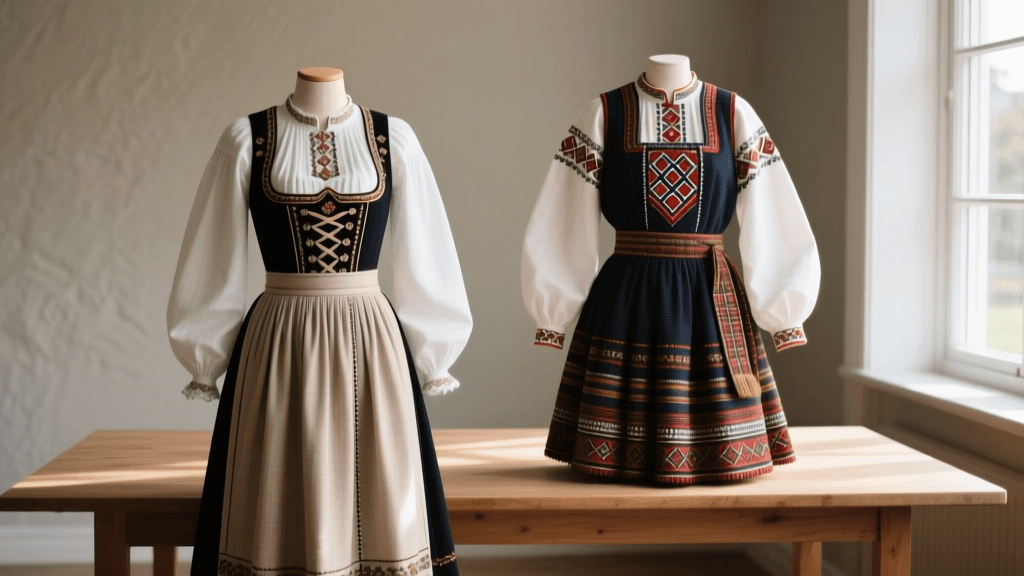
The landscape of traditional European garments has experienced a profound renaissance in 2026. As global fashion pivots toward slow, heritage-based craftsmanship, the demand for authentic Slavic and Balkan folk dress has surged. Collectors, cultural enthusiasts, and modern makers are no longer satisfied with mass-produced, factory-made approximations. Instead, the 2026 market is defined by a return to ancestral techniques, natural dyes, and direct-to-artisan sourcing. Whether you are seeking a meticulously hand-embroidered Ukrainian vyshyvanka, traditional Serbian leather opanci, or a woven woolen tkanica belt, navigating this vibrant market requires specialized knowledge.
In this comprehensive guide, we break down the construction, sourcing, and authentication of Eastern European and Balkan folk garments. By leveraging data from Europeana's traditional dress archives and current 2026 artisan cooperative pricing, we provide actionable advice to help you build an authentic, museum-quality folk wardrobe.
Identifying Authentic Slavic Embroidery: The Vyshyvanka
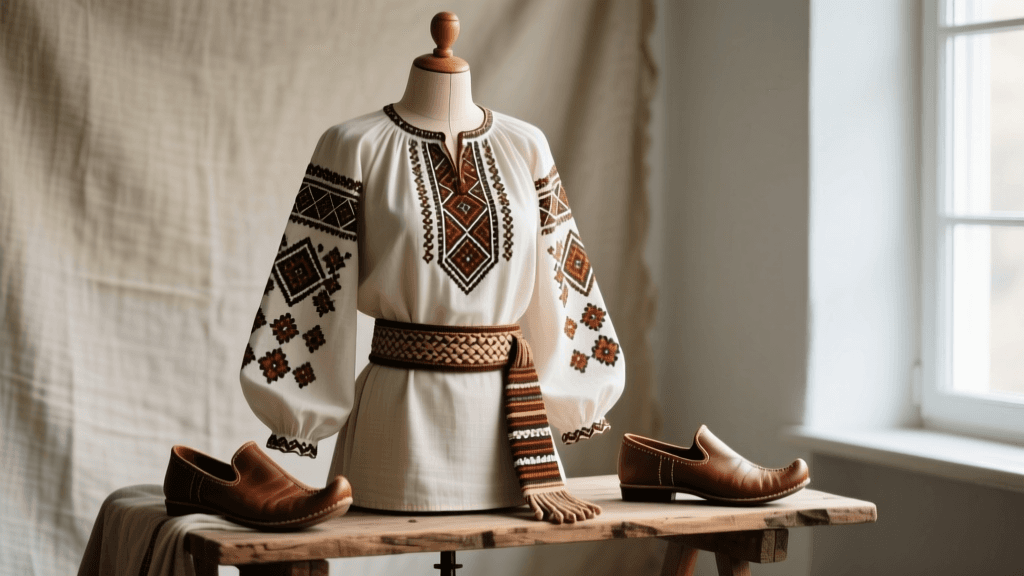
The vyshyvanka is far more than a decorative shirt; it is a coded textile map of Slavic identity. In 2026, the market is flooded with machine-embroidered shirts disguised as handmade heritage pieces. Authenticating a true vyshyvanka requires examining the reverse side of the fabric, the thread composition, and the specific regional stitch techniques.
Thread, Fabric, and Technique
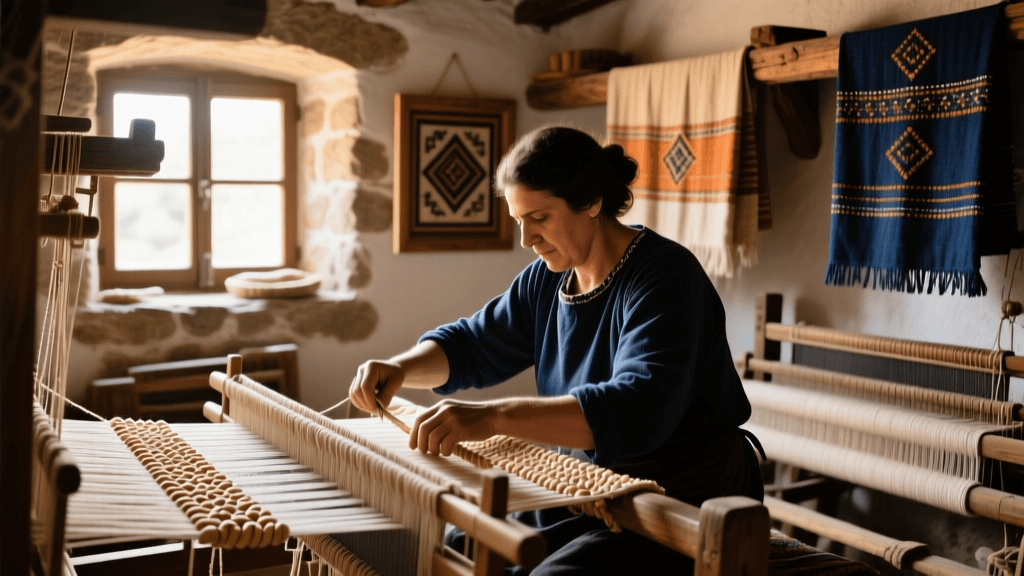
Authentic 2026 artisan vyshyvankas are woven on traditional looms using unbleached linen or hemp canvas, typically ranging from 28 to 32 count. The embroidery thread has seen a massive return to natural dyes. While synthetic muline threads were popular in the late 20th century, top-tier artisans in 2026 utilize wool, silk, and cotton dyed with madder root (red), woad (blue), and onion skins (yellow).
When inspecting a piece, look for the following regional techniques:
- Poltava White-on-White (Bila po Bilomu): A highly complex technique relying on shadow and texture rather than color contrast. It utilizes over 100 distinct stitches, including lizhnyk and zavolikannya.
- Hutsul Geometric (Carpathian): Characterized by dense, vibrant cross-stitch (khrestyk) and low-stitch (niz) patterns featuring stars, rhombuses, and tree-of-life motifs in deep reds, blacks, and yellows.
- Reshetylivka Style: Recognized by UNESCO's Intangible Cultural Heritage lists, this style combines cut-work (merezhka) with white embroidery, creating a delicate, lace-like negative space.
Authentication Tip: Turn the shirt inside out. A genuine hand-embroidered vyshyvanka will have a reverse side that is nearly as neat as the front, with no loose thread jumps or synthetic stabilizers. Machine-made versions will show chaotic jump-stitches and a plasticky backing.
Balkan Footwear and Accessories: Opanci and Tkanice
No Balkan folk ensemble is complete without proper footwear and waist accessories. The rugged terrain of the Dinaric Alps and the Carpathian Mountains necessitated durable, flexible, and highly functional garments. In 2026, traditional leatherworkers and weavers are experiencing unprecedented backlogs due to the revival of Balkan folk festivals and international heritage dancing communities.
Sourcing Genuine Leather Opanci
The opanci (singular: opanak) is the traditional peasant shoe of the Balkans, particularly prominent in Serbia, Croatia, Bosnia, and Montenegro. Unlike modern shoes, traditional opanci are constructed from a single piece of vegetable-tanned leather, gathered and woven at the upper to form a snug, sock-like fit.
The most iconic variation is the Serbian opanci sa kljunom, featuring a distinctive curled, beak-like toe. This design was not merely decorative; the curled toe protected the wearer's toes from rocks and roots while navigating mountainous pastures, and prevented the shoe from catching in tall grass.
2026 Sizing and Fit Advice: Authentic vegetable-tanned leather opanci stretch significantly—up to a full half-size. When ordering from artisans in regions like Zlatibor or Pirot, you should order a snug fit. The leather should feel tight across the instep upon arrival. After three to four days of wear, the leather will mold perfectly to the arch and width of your foot. Expect to pay between $90 and $160 USD for a custom-fitted pair in 2026, depending on the complexity of the woven upper (pletenica).
Woven Tkanice Belts: Material and Cost Breakdown
The tkanica (or pojas) is a heavy, woven woolen belt used to secure trousers and skirts, provide lower back support during heavy labor, and serve as a canvas for regional geometric storytelling. Woven on horizontal looms using a slit-tapestry (ćilim or kilim) technique, these belts are incredibly dense and durable.
Below is a 2026 market comparison for sourcing authentic woven Balkan and Slavic belts directly from artisan cooperatives:
| Accessory Type | Primary Material | Weave Technique | 2026 Avg. Price (USD) | Artisan Lead Time |
|---|---|---|---|---|
| Serbian Tkanica | 100% Balkan Mountain Wool | Ćilim (Kilim) slit-tapestry | $85 - $140 | 2-3 Weeks |
| Croatian Pojas | Wool & Linen Blend | Tablet-woven / Inkle weave | $60 - $95 | 1-2 Weeks |
| Bulgarian Belt | Wool & Cotton | Soumak / Weft-faced plain | $70 - $120 | 2-4 Weeks |
| Romanian Brâu | Heavy Wool & Leather tabs | Rep weave with appliqué | $110 - $180 | 3-5 Weeks |
The 2026 Pricing Guide and Sourcing Directory
Sourcing authentic Eastern European folk dress in 2026 requires bypassing commercial souvenir shops and connecting directly with heritage guilds, rural cooperatives, and specialized ethnographic dealers. The global supply chain shifts of the mid-2020s have made natural, locally sourced Balkan wool and Ukrainian linen more expensive, but also more traceable.
When budgeting for a complete, authentic folk ensemble in 2026, consider the following baseline investments:
- Hand-Embroidered Vyshyvanka (Linen): $250 - $600 (Depends on stitch density; a full Hutsul geometric shirt can take 120+ hours to complete).
- Woolen Skirt (Plakhta / Zapaska): $150 - $300 (Hand-woven with natural dyes).
- Leather Opanci Footwear: $90 - $160 (Custom-lasted).
- Woven Tkanica Belt: $85 - $140.
- Floral Wreath (Vinok) or Beaded Coral Necklace: $40 - $120.
To verify the authenticity of high-value purchases, many 2026 artisan cooperatives now utilize digital provenance tags. These tags link to the artisan's profile, detailing the exact village of origin, the type of loom used, and the botanical sources of the dyes. For broader historical context and visual references before purchasing, researchers and buyers frequently consult the Britannica comprehensive guides to regional folk art to ensure the motifs match the claimed geographic origin.
Caring for Heritage Textiles and Leather
Authentic folk garments are investment pieces that, when properly maintained, will outlast their owners. The care protocols for natural fibers and vegetable-tanned leathers differ vastly from modern synthetic garments.
Washing and Storing Linen and Wool
Never machine-wash a hand-embroidered vyshyvanka or a woven tkanica. The agitation will cause the natural wool threads to felt and the linen canvas to warp. Instead, hand-wash linen garments in cool water (below 30°C) using a pH-neutral, lanolin-free detergent. Do not wring the fabric; gently press the water out and lay it flat on a clean towel to dry. Iron the vyshyvanka while it is still slightly damp, always ironing on the reverse side over a thick towel to preserve the three-dimensional texture of the embroidery stitches.
Woolen belts and skirts should not be washed with water. Spot clean with a damp cloth and a specialized wool wash. Store woolens in cedar-lined boxes with dried lavender to deter moths, avoiding plastic bins which trap moisture and cause mildew.
Conditioning Opanci Leather
Vegetable-tanned leather is highly porous and susceptible to drying out. In 2026, traditionalists recommend treating opanci with a mixture of natural beeswax and neatsfoot oil every three months. Apply a thin layer, allow it to penetrate overnight, and buff it with a horsehair brush. If the shoes become soaked in rain, stuff them with crumpled newspaper and let them dry at room temperature—never place them near a radiator or direct heat source, as rapid drying will cause the leather to crack and the woven upper to snap.
Conclusion: Preserving the Thread of History
The 2026 market for Slavic and Balkan folk dress is a testament to the resilience of Eastern European culture. By choosing to source authentic, handcrafted garments, you are not merely buying clothing; you are directly funding the survival of ancestral techniques. Whether you are wrapping a woven tkanica around your waist or lacing up a pair of curled-toe opanci, you are participating in a living, breathing textile tradition that connects the modern world to the deep, vibrant history of the European continent.