Best Viking Smokkr Apron Dress Fabrics & Patterns for 2026
The Resurgence of the Smokkr in 2026
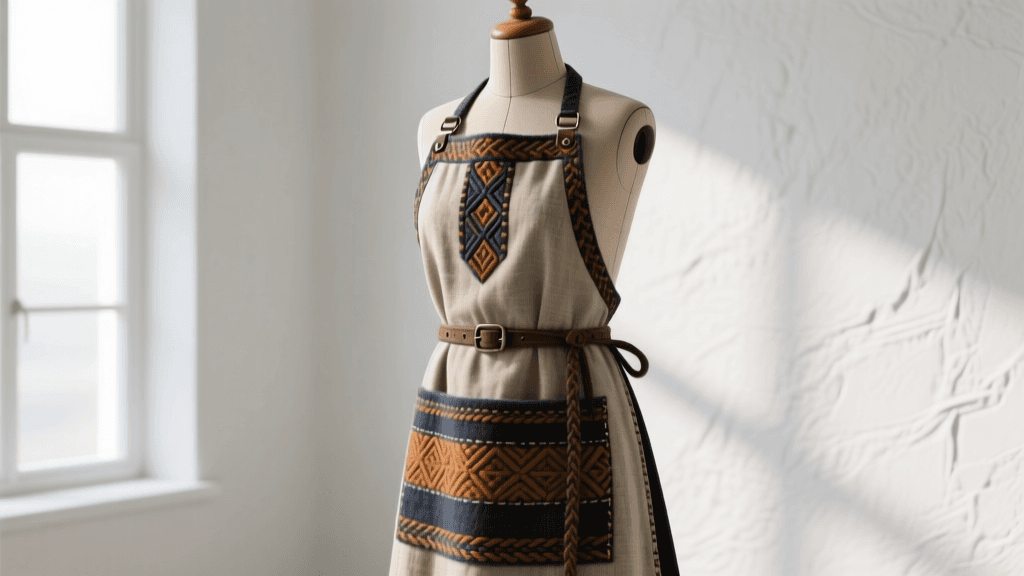
The Viking Age apron dress, widely known in modern archaeological and reenactment circles as the smokkr, remains the most iconic and recognizable garment of Norse women's fashion. As the 2026 European heritage festival season approaches, the demand for historically accurate, meticulously researched garments has never been higher. Gone are the days of cheap cotton blends, fantasy-inspired corsets, and inaccurate polyester trims; today’s historical interpreters and living history enthusiasts demand strict archaeological accuracy. Whether you are preparing for the Lofotr Viking Festival in Norway or a local HEMA and heritage gathering in North America, building an authentic smokkr requires a deep understanding of 10th-century textile traditions. This comprehensive guide breaks down the best fabrics, natural dyeing practices, pattern drafting techniques, and construction methods for building a museum-quality Viking smokkr in 2026.
Sourcing Authentic Textiles for Historical Accuracy
The foundation of any accurate Norse garment is the textile itself. According to the National Museum of Denmark's Viking clothing archives, the most common fabrics recovered from high-status female graves in Scandinavia are wool and linen, frequently woven in diamond twill, herringbone, or tabby weave structures. In 2026, sourcing authentic, shuttle-woven wool has become significantly easier thanks to specialized heritage mills operating in Iceland, Scotland, and Estonia. These mills utilize vintage shuttle looms to recreate the distinct selvedges and slight irregularities that define hand-woven Viking Age textiles.
When selecting your primary fabric, avoid modern worsted wools, which are too smooth and tightly spun for the Viking Age aesthetic. Instead, look for woolen-spun yarns that offer a softer, more textured hand. Below is a comparison of the most historically appropriate fabrics available on the 2026 heritage market.
| Fabric Type | Weave Structure | 2026 Avg. Cost (per yard) | Best Historical Application |
|---|---|---|---|
| Diamond Twill Wool | 2/2 Twill Variation | $65 - $95 | High-status Smokkr, Winter wear |
| Herringbone Wool | Broken Twill | $45 - $70 | Everyday Smokkr, Mid-status |
| Bleached Linen | Tabby (Plain) Weave | $25 - $40 | Underdress (Serkr), Summer Smokkr |
| Wadmal | Thick Tabby/Twill | $50 - $80 | Cloaks, Lower-class outerwear |
Natural Dyeing and Color Accuracy
The colors of your smokkr are just as important as the weave. Modern synthetic dyes produce colors that are far too vibrant and uniform for historical interpretation. In 2026, the top tier of Viking reenactors relies exclusively on botanical dyes. Madder root (Rubia tinctorum) is the standard for achieving rich reds, oranges, and earthy corals, while woad (Isatis tinctoria) and indigo provide the historically accurate blues. Weld and onion skins are frequently used for vibrant yellows and golds. When purchasing pre-dyed heritage wool, always verify that the dyer uses traditional mordants like alum or iron, as these drastically alter the final color palette and ensure the fabric reacts to sunlight in the same way a 10th-century garment would.
Pattern Drafting: Rectangular vs. Shaped Cuts
The debate over the exact cut of the smokkr has been ongoing in archaeological circles for decades, but recent analyses of the Hedeby, Kostrup, and Birka finds have solidified two primary approaches for modern reconstructions. The first is the traditional rectangular tube dress, which is gathered or pleated at the top and suspended by shoulder straps. The second is the shaped or tailored dress, which features side panels or gores to provide a more fitted silhouette through the torso while flaring at the hem.
For beginners and those portraying everyday working-class women, the rectangular tube dress is the most practical and widely accepted choice. It requires minimal cutting, preserves the integrity of the woven fabric, and allows for easy adjustments. For those portraying high-status women or attending strict impression events, incorporating pleats at the front (inspired by the Kostrup find) or adding side gores will elevate the garment's drape and authenticity.
Essential Measurements for 2026 Reenactors
Drafting your smokkr requires precise measurements to ensure the garment hangs correctly over the underdress (serkr). Take the following measurements while wearing your base linen layer:
- Upper Chest/Bust: Measure around the fullest part of the bust, then add 4 to 6 inches for ease, gathering, and historical drape.
- Garment Length: Measure from the armpit down to the mid-calf or ankle. A standard smokkr typically falls between 38 and 44 inches, ensuring it does not drag in the mud during outdoor festivals.
- Strap Length: Measure from the front top edge of the dress, over the shoulder, to the back top edge. Leave an extra 2 inches for seam allowances and brooch pin adjustments.
- Hem Circumference: If using side gores, ensure the bottom hem measures at least 60 inches to allow for a full, natural stride when walking or working.
Construction Techniques and Seam Finishes
Authenticity extends far beyond the exterior appearance; the interior construction of your smokkr must also withstand historical scrutiny. Machine sewing is generally frowned upon in high-level living history. If you must use a sewing machine for the primary structural seams to save time, you must finish the seams by hand using period-accurate techniques. The flat-felled seam is the gold standard for Viking Age garment construction. This technique encloses all raw edges, preventing fraying and creating a remarkably durable bond that can withstand the rigors of camp life, firewood gathering, and outdoor cooking.
Furthermore, the thread you use is critical. Never use modern polyester or cotton-wrapped poly thread on a wool smokkr. The synthetic fibers will cut through the natural wool over time due to friction. Instead, source authentic wool yarn for sewing wool garments, and use tightly spun linen thread for linen underdresses. Waxing your linen thread with natural beeswax before sewing will significantly reduce tangling and increase the longevity of your stitches.
Accessories: Tortoise Brooches and Tablet Weaving
No Viking smokkr is complete without its defining hardware: the oval tortoise brooches. These iconic bronze or brass brooches serve a functional purpose, acting as the anchor points for the shoulder straps, while simultaneously displaying the wearer's wealth and status. In 2026, lost-wax cast bronze replicas based on the Gotland and Birka finds are widely available from specialized heritage smiths. Avoid cheap, mass-produced zinc alloy replicas sold at generic costume shops; they lack the intricate knotwork detailing and the correct metallurgical weight required to properly tension the wool straps.
Research highlighted by the National Museum of Sweden's textile collections frequently points to the presence of intricate tablet-woven trims and silk appliques on high-status garments. To elevate your smokkr, consider adding a tablet-woven band to the top hem. Using a traditional four-hole tablet weaving technique with a wool weft and a strong linen warp, you can recreate the geometric patterns found in the Oseberg ship burial. Incorporating subtle metallic threads or imported silk accents into the trim is an excellent way to denote a high-status persona for the 2026 festival circuit.
Final Thoughts for the 2026 Festival Season
Creating an authentic Viking smokkr is a labor of love that connects modern makers directly to the textile artisans of the Norse world. By investing in high-quality diamond twill wools, utilizing natural botanical dyes, and adhering to strict flat-felled seam constructions, you ensure that your garment is not just a costume, but a true piece of experimental archaeology. As you prepare for the 2026 reenactment season, remember that the beauty of the smokkr lies in its functionality, its drape, and the incredible craftsmanship of its details. Take your time, respect the archaeological record, and wear your heritage with pride.