Authentic Viking Apron Dress Reconstruction Guide 2026
The Evolution of Viking Textile Standards in 2026
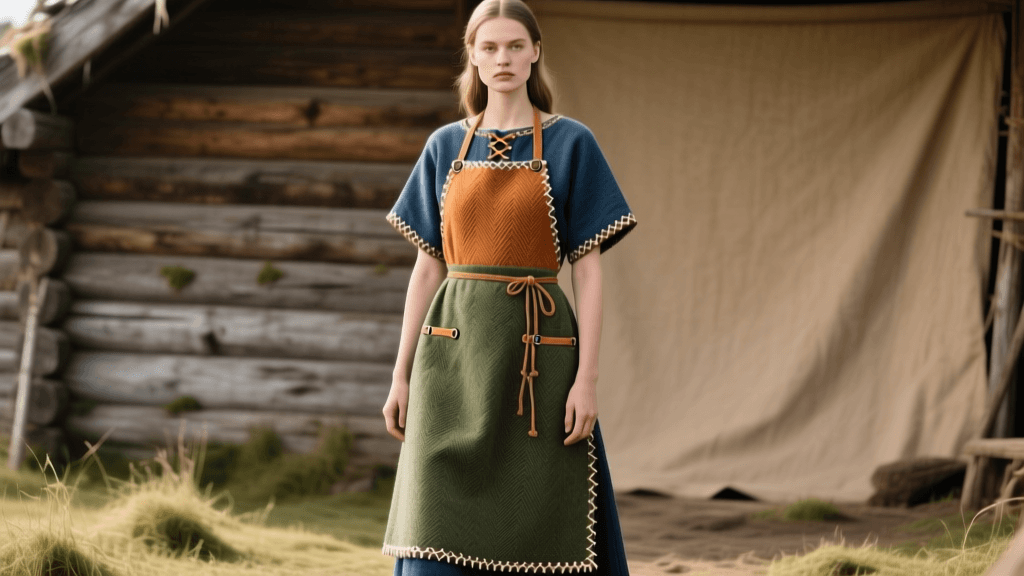
The landscape of historical European reenactment and traditional garment reconstruction has evolved dramatically over the last decade. As we move through 2026, the global community of Nordic heritage enthusiasts and textile historians has largely abandoned the speculative, fantasy-driven costumes of the early 2000s in favor of rigorous, archaeologically grounded authenticity. At the forefront of this movement is the reconstruction of the Viking Age smokkr, commonly known as the apron dress. Worn by women across Scandinavia from the late 8th to the mid-11th century, the smokkr is a masterpiece of functional, zero-waste rectangular construction. For modern textile artists and cultural preservationists, recreating this garment requires a deep understanding of historical weaving structures, natural dye chemistry, and period-accurate hand-sewing techniques. This comprehensive guide provides actionable, step-by-step instructions for sourcing materials and constructing an authentic Viking apron dress based on the latest 2026 archaeological consensus and heritage textile standards.
Understanding the Smokkr: Archaeological Evidence
The primary archaeological evidence for the smokkr comes from the remarkably preserved textile fragments found in female graves at Birka (Sweden), Hedeby (Denmark/Germany), and Køstrup (Denmark). Because the acidic soils of Scandinavia typically decompose organic materials, historians rely heavily on the mineralized fragments preserved by contact with bronze and iron grave goods, particularly the iconic oval tortoise brooches. According to extensive research curated by the National Museum of Denmark, these mineralized remnants reveal that the smokkr was predominantly crafted from high-quality wool, often woven in a diamond twill or herringbone pattern, and occasionally trimmed with intricate tablet-woven bands. The 2026 consensus among Scandinavian heritage groups suggests that the dress was likely a tubular or semi-tubular garment suspended by two loops from a pair of oval brooches at the shoulders, worn over a long linen underdress known as a serk. While earlier decades debated whether the sides were open or closed, modern experimental archaeology strongly favors a closed, paneled construction that provides necessary warmth and modesty during the harsh Nordic winters.
Sourcing Period-Accurate Materials Today
Creating an authentic smokkr in 2026 begins with sourcing the correct textiles. Modern commercial wools are often heavily processed, blended with synthetic fibers, or woven on high-tension industrial looms that destroy the natural loft and drape of the yarn. To achieve historical accuracy, you must seek out specialty European mills that weave on traditional shuttle looms using yarn spun from heritage sheep breeds such as Norwegian Spelsau, Swedish Gotland, or Icelandic sheep. These breeds produce a dual-coated fleece with a long, water-resistant outer coat (tog) and a soft, insulating inner coat (thel), which is essential for the diamond twill structure. Furthermore, the 2026 market for heritage textiles has seen a massive surge in plant-dyed fabrics. Authentic colors include deep woad blues, madder reds, and weld yellows. When purchasing fabric, ensure the thread count aligns with historical finds; most high-status Birka diamond twills feature a thread count of approximately 20 to 30 threads per centimeter in the warp and 12 to 18 in the weft.
Fabric Comparison for the Smokkr
Selecting the right weave structure is critical for the garment's drape, durability, and historical accuracy. Below is a comparison of the most appropriate textile choices available from specialized heritage weavers in 2026.
| Fabric Type | Weave Structure | Historical Accuracy | Avg 2026 Cost (per meter) | Best Use Case |
|---|---|---|---|---|
| Diamond Twill | 2/2 Twill variation | Exceptional (High Status) | €140 - €180 | Primary Smokkr (Winter/Formal) |
| Herringbone Twill | Broken 2/2 Twill | High (Widespread) | €110 - €140 | Primary Smokkr (Everyday/Travel) |
| Tabby Weave Wool | Plain Weave | Moderate (More common for Serks) | €80 - €100 | Lightweight Summer Smokkr |
| Handwoven Nalbinding | Looped Yarn Technique | Exceptional (Accessories only) | €45+ per pair (Mittens/Socks) | Winter Accessories |
Drafting the Pattern: The Zero-Waste Rectangle Method
Unlike modern tailoring, which relies on complex curved seams and generates significant fabric waste, Viking Age clothing was constructed using geometric shapes—primarily rectangles and triangles—dictated by the width of the warp-weighted loom. The standard loom width during the Viking Age was roughly 50 to 60 centimeters. To draft your smokkr pattern, begin by taking three crucial measurements: your bust circumference, your desired dress length (typically from the collarbone to the mid-calf), and the distance from your shoulder to your bust apex. A standard, highly accurate smokkr pattern utilizes four main rectangular panels. Two wider panels cover the front and back, while two narrower panels or gathered sections sit at the sides. By cutting the fabric strictly along the grainline and utilizing selvedge edges wherever possible, you minimize the need for hemming and ensure the structural integrity of the garment. The top edge of the dress is often pleated or gathered slightly at the center front and back to accommodate the bust and create a graceful drape before being bound with a strip of linen or wool.
Hand-Sewing Techniques for Authenticity
Machine sewing is strictly prohibited in high-level historical reenactment. To achieve an authentic finish, all seams must be hand-sewn using period-accurate stitches. The Textile Research Centre in Leiden highlights that Viking seamstresses primarily utilized a fine running stitch for joining panels, followed by a whip stitch or overcast stitch to fell the raw edges flat against the inside of the garment. This technique, known as a flat-felled seam, prevents fraying and creates a remarkably strong, weather-resistant bond. Use a high-quality, historically accurate thread for your seams. For wool garments, this means using a worsted-spun wool thread that is slightly thinner than your fabric's yarn. Beeswax can be lightly applied to the thread to reduce tangling and increase water resistance. When sewing the loops that will suspend the dress from the brooches, use a densely woven tablet-woven band or a tightly rolled and whip-stitched tube of wool, ensuring the loops are wide enough to accommodate the pin of your oval brooches without tearing the fabric.
The Tortoise Brooches: Functional Hardware
The smokkr cannot be worn without its defining hardware: the pair of oval brooches, colloquially known as tortoise brooches. These are not merely decorative; they are the structural anchors of the entire outfit. In 2026, the market for historically accurate cast bronze jewelry is robust, with numerous artisan foundries across Europe producing pieces based directly on 10th-century Birka molds. When selecting your brooches, ensure they feature the correct pin mechanism—a sturdy iron or bronze pin hinged on a coiled spring mechanism, secured by a catchplate. The loops of the smokkr are passed over the pin, and the brooch is then fastened through the loops of the underlying linen serk, effectively pinning the two layers of the outfit together at the shoulders. For a high-status impression, look for brooches featuring the gripping beast motif or intricate Jellinge-style knotwork, and consider adding strands of glass and amber beads suspended on a wire between the two brooches, a hallmark of Viking Age female wealth and status.
Trimmings and Tablet Weaving
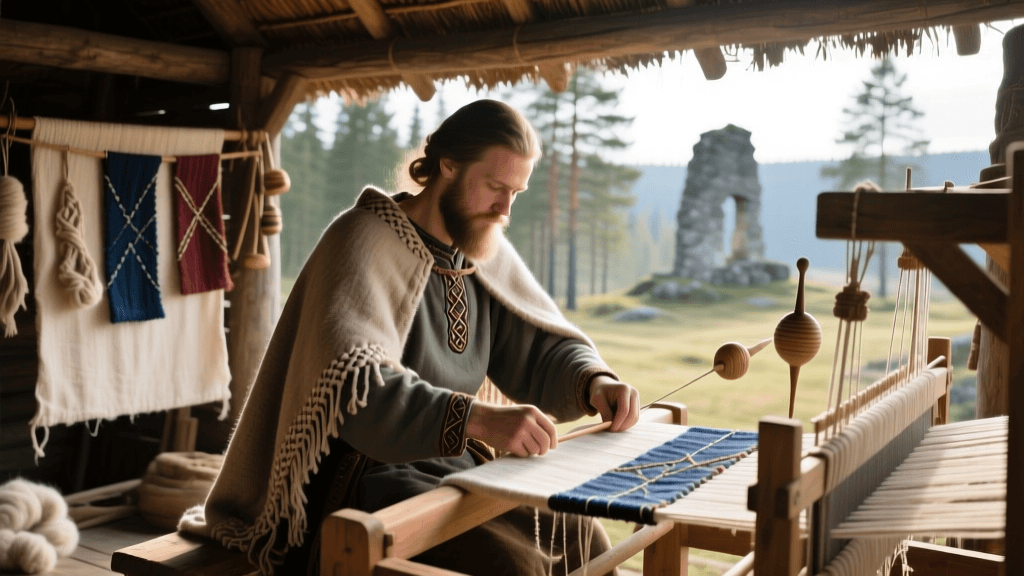
To elevate your smokkr from a common working garment to a high-status ensemble, the addition of tablet-woven trim is essential. Archaeological finds from Køstrup feature a beautifully preserved band of tablet-woven wool attached to the top edge of the apron dress. Tablet weaving, an ancient technique using small square cards with holes in each corner, allows for the creation of incredibly strong, dense, and intricately patterned bands. In 2026, many reenactors utilize 3/1 twill double-face tablet weaving to create geometric patterns in contrasting colors, such as madder red and woad blue. Sewing this trim to the top edge of the smokkr not only adds visual splendor but also reinforces the fabric, preventing the top edge from stretching out of shape under the weight of the bronze brooches and bead swags.
Final Fitting and Festival Prep
Once your smokkr is fully assembled, the final fitting is crucial. The garment should hang freely from the brooches, with the hem resting evenly around the mid-calf. The underlying linen serk will provide volume and keep the wool from itching against your skin. As you prepare for historical festivals or cultural exhibitions in 2026, remember that authenticity extends beyond the garments themselves. Proper posture, period-accurate hairstyles (such as the braided and knotted styles depicted on Gotlandic picture stones), and the use of functional historical tools like bone needles and iron shears will complete your living history presentation. By adhering to these rigorous textile standards and respecting the archaeological record, you honor the incredible skill and artistry of the Viking Age women who originally designed and wore these magnificent garments.