Top Scandinavian Oval Brooches For 2026 Reenactment Gear
The Enduring Legacy of the Viking Oval Brooch
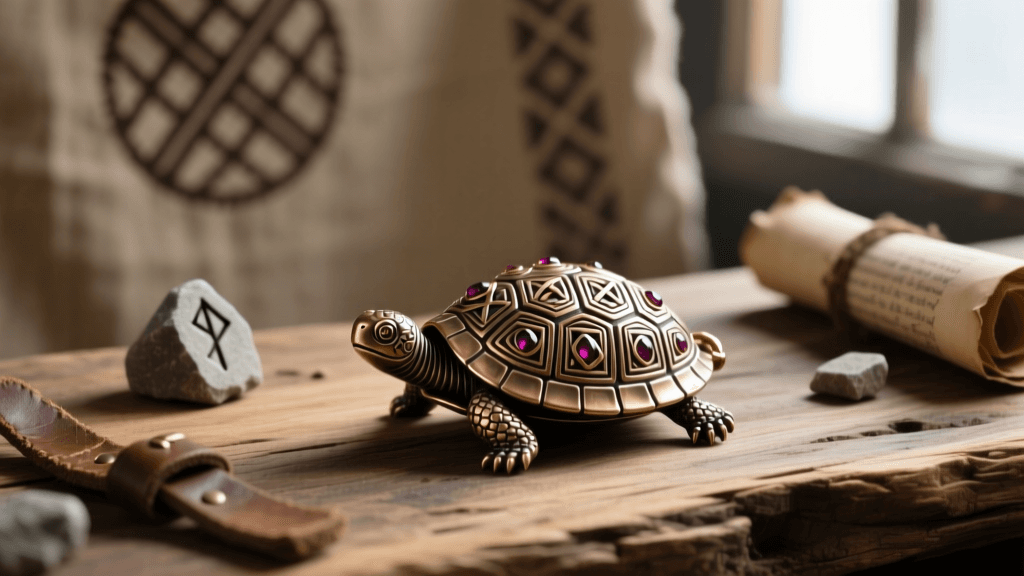
When assembling an authentic Norse female wardrobe for the 2026 reenactment season, no accessory is more critical than the oval brooch. Often referred to as the 'tortoise brooch' due to its distinct domed shape, this iconic piece of Viking Age jewelry served a highly functional purpose: it was the primary suspension system for the smokkr (apron dress). Worn in pairs on the upper chest, these brooches secured the front and back loops of the garment, allowing for freedom of movement while supporting the weight of heavy wool and linen textiles.
According to the National Museum of Denmark, oval brooches are among the most common grave goods found in female burials across Scandinavia, the British Isles, and the Eastern trade routes. Their presence indicates not only the wearer's cultural identity but also her social status, regional origins, and the era in which she lived. For modern historical interpreters and reenactors, selecting the correct pair of oval brooches is the foundation of a historically accurate Viking Age kit.
The Functional Anatomy of the Tortoise Brooch
To understand what makes a high-quality replica in 2026, one must understand the original manufacturing techniques. Authentic Viking Age oval brooches were typically cast using the lost-wax method. They generally feature a 'double-shell' construction: an inner solid plate that houses the pin mechanism, and an outer decorative shell that is riveted or soldered to the base. This double-shell design provided structural integrity while allowing for intricate, high-relief ornamentation without making the brooch excessively heavy.
The pin mechanism itself is a marvel of early medieval engineering. It consists of a coiled spring, a sturdy iron or bronze pin, and a catch plate. In modern mass-produced tourist replicas, the pin is often soldered directly to the back, which is historically inaccurate and prone to snapping under the tension of heavy wool straps. Premium 2026 artisan replicas correctly utilize a tensioned spring coil and a robust catch plate, ensuring the brooch can bear the weight of a fully loaded apron dress adorned with tools, keys, and needle cases.
2026 Reenactment Standards: Metallurgy and Safety
The historical reenactment community has seen a massive shift in material standards over the last few years. While original Viking Age brooches were frequently cast in high-lead bronze (which allowed for highly detailed, fluid casts), modern health and safety regulations at major encampments strictly prohibit lead in wearable accessories. As of 2026, top-tier historical smiths have perfected lead-free bronze alloys—typically composed of 90% copper and 10% tin, or utilizing silicon bronze—that mimic the golden hue and casting properties of historical metals without the toxicity.
Furthermore, the most reputable artisans in 2026 now provide XRF (X-ray Fluorescence) metallurgical testing certificates with their high-end silver and bronze pieces. This guarantees the absence of lead, zinc, and nickel, ensuring your gear is safe for prolonged skin contact and compliant with the strictest international heritage event regulations.
Comparing the Top Oval Brooch Styles for 2026
The Viking Age spanned several centuries and vast geographical areas, resulting in distinct regional and chronological styles. The typology established by archaeologist Jan Petersen remains the gold standard for classifying these artifacts. Below is a comparison of the most popular styles sought after by serious reenactors in 2026.
| Style / Typology | Historical Era | Primary Motif | 2026 Avg. Price (Bronze) | Best For |
|---|---|---|---|---|
| Birka (JP 51) | 9th - 10th Century | Gripping Beasts / Interlacing | $180 - $260 USD | Swedish / Rus / Trader Impressions |
| Gotlandic (JP 37) | 9th Century | Animal Heads / Abstract Knots | $200 - $300 USD | Gotland / Baltic / Early Viking Age |
| Jelling (JP 66) | 10th Century | Ribbon Animals / S-Shaped | $160 - $220 USD | Danish / Jomsviking / Late Era |
| Mammen (JP 67) | Late 10th Century | Flourishing Tendrils / Beasts | $220 - $350 USD | High-Status / Royal Court Impressions |
Birka Style (JP 51)
The JP 51 style is arguably the most recognizable oval brooch, heavily associated with the trading hub of Birka in modern-day Sweden. Characterized by complex, symmetrical interlacing patterns and 'gripping beast' motifs, these brooches are essential for anyone portraying a merchant, traveler, or settler along the Eastern trade routes. In 2026, the most accurate replicas of the JP 51 feature the distinct nine-knot interlace on the outer shell, meticulously cleaned of casting flash to mirror the crispness of the original wax carvings.
Gotlandic Animal Head Styles
Gotland, an island in the Baltic Sea, produced highly distinct jewelry that diverged from mainland Scandinavian trends. Gotlandic oval brooches often feature prominent, protruding animal heads at the four corners of the brooch. These are highly sought after for specialized Baltic and early Viking Age impressions. Because of their complex three-dimensional protrusions, they are more expensive to cast and finish, reflecting the higher price point seen in the 2026 artisan market.
Jelling and Mammen Styles
For those portraying the late Viking Age, particularly in Denmark or England during the era of the Danelaw, the Jelling and Mammen styles are historically mandatory. These styles move away from the chaotic gripping beasts of the early era and introduce elegant, ribbon-like animals and flourishing botanical tendrils. The Jorvik Viking Centre frequently highlights these later styles in their exhibits, noting how the integration of Christian and pagan motifs began to influence jewelry design during the 10th century.
Crucial Sourcing Details: Mechanics and Dimensions
When sourcing your brooches for the upcoming season, size and mechanics are just as important as the decorative motif. Authentic archaeological finds show that oval brooches were surprisingly large, typically measuring between 85mm and 110mm in length. Modern 'costume' jewelry often shrinks these dimensions down to 50mm or 60mm to save on metal costs and appeal to modern minimalist aesthetics. For a truly authentic silhouette, you must seek out 'museum-scale' replicas that respect the original 90mm+ dimensions.
Pay close attention to the pin thickness. Historical pins were robust, often measuring 3mm to 5mm in diameter. A flimsy 1.5mm pin will bend the first time you attempt to pierce a densely woven, fulled wool smokkr strap. Furthermore, ensure the artisan uses a proper catch plate rather than a simple hook; a hook will inevitably snag on your veil or linen underdress, leading to lost jewelry and ruined textiles.
Strap Compatibility and Wearability
The dimensions of your brooch must dictate the construction of your apron dress straps. A wide, 95mm JP 51 brooch requires a substantial strap to look proportional and function correctly. In 2026, the standard for high-status female impressions involves tablet-woven bands or wide, folded wool loops that measure at least 25mm to 35mm across.
When threading the strap through the brooch, historical evidence suggests the fabric was looped over the pin, with the tension of the garment holding it in place. Some modern reenactors sew small linen or leather loops onto the back of their straps to prevent the wool from fraying against the bronze pin. This is a highly recommended practical adaptation for long-term wear at multi-day encampments, preserving both your handwoven textiles and the patina of your bronze.
Caring for Your Historical Jewelry in 2026
There is a persistent myth that Vikings preferred their bronze to develop a dark, oxidized green patina. In reality, historical Scandinavians prized bright, shining metals that mimicked gold. According to research from the University of Oslo Museum of Cultural History, grave goods were often polished to a high sheen before burial, and daily wear would have kept the metal bright through constant friction against wool and linen.
To maintain this historically accurate, bright golden finish in 2026, avoid using harsh chemical dips or liver of sulfur. Instead, use a gentle brass polish or a rotary tool with a soft felt wheel to bring up the shine. Once polished, seal the bronze with a microcrystalline wax (such as Renaissance Wax). This prevents the copper from reacting with the acids in your sweat, which can otherwise cause green skin discoloration and degrade the intricate details of the casting over time.
Conclusion
Investing in a pair of high-quality, museum-scale oval brooches is a commitment to historical authenticity and functional craftsmanship. By prioritizing correct metallurgy, accurate typology, and robust pin mechanics, you ensure that your Norse wardrobe is not only visually stunning but capable of withstanding the rigors of modern reenactment. As you prepare your kit for the 2026 season, let the archaeological record guide your choices, honoring the incredible artistry of the Viking Age metalworkers.