Viking Nalbinding Techniques for Authentic Nordic Winter Wear 2026
The Ancient Art of Nalbinding in Nordic and Celtic Cultures
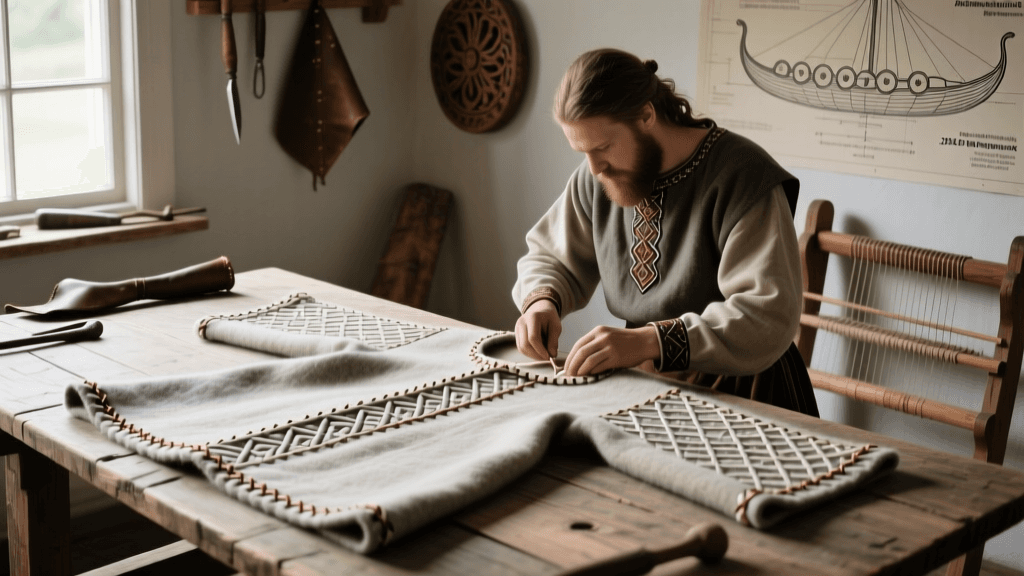
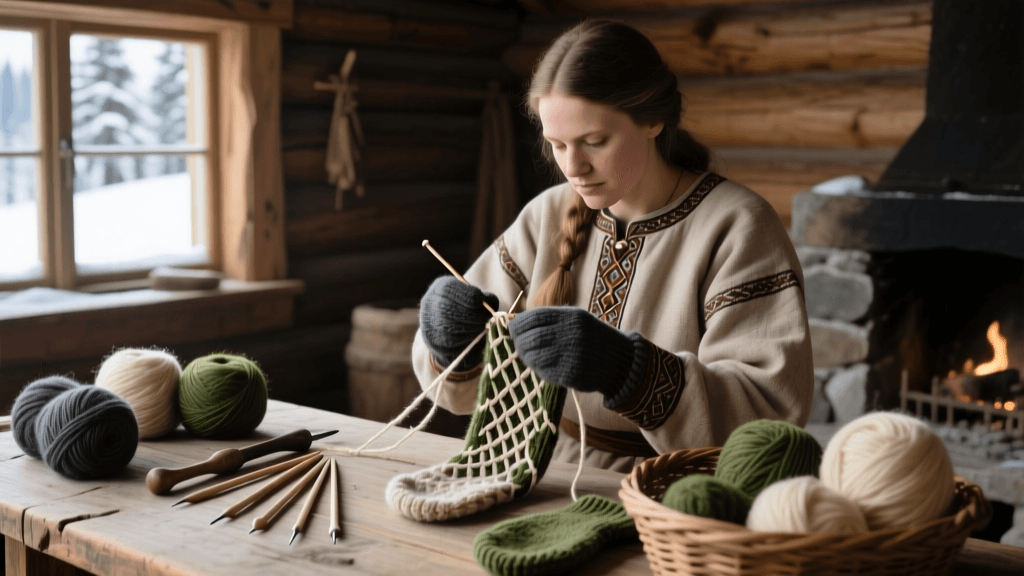
Long before the invention of knitting or crochet, the indigenous peoples of Northern Europe, including the Vikings and various Celtic tribes, relied on a sophisticated textile technique known as nalbinding (from the Old Norse nálbinding, meaning 'needle-binding'). This ancient method of fabric creation involves using a single flat needle and short lengths of yarn to interlock loops, creating a dense, highly elastic, and remarkably warm fabric. Unlike knitted garments, which can unravel completely if a single stitch is dropped, nalbound textiles are virtually indestructible. If a thread breaks, the interlocking loops hold firm, making it the ultimate survival textile for the harsh Nordic and Celtic winters.
Archaeological excavations across Scandinavia, the British Isles, and Eastern Europe have unearthed stunning examples of nalbound garments. The famous Mammen hoard in Denmark, the Coppergate sock in York, and various fragments found in Viking Age burials in Uppsala, Sweden, all testify to the widespread use of this technique. Today, as the global historical reenactment and slow-fashion movements surge in 2026, nalbinding has experienced a massive renaissance. Crafters are turning away from mass-produced winter wear and embracing these ancestral methods to create bespoke, historically accurate, and incredibly durable winter garments.
Essential Tools and Materials for the 2026 Crafter
To begin your nalbinding journey, you must abandon modern knitting needles and crochet hooks. The traditional nalbinding needle is a flat, blunt instrument, typically measuring between 5 to 10 centimeters in length, with a large eye located either at the tip or in the center. In 2026, the heritage crafting market offers a wealth of authentic tools, with artisan carvers producing needles from ethically sourced reindeer antler, cow bone, and dense hardwoods like rowan and juniper.
The choice of yarn is equally critical. Nalbinding requires 100% animal fiber, predominantly sheep's wool, because the technique relies on the natural felting properties of the fiber to splice new lengths of yarn together seamlessly. Synthetic blends or superwash wools (which have been chemically treated to prevent felting) are entirely unsuitable. For authentic Nordic winter wear, single-ply yarns or unspun roving are preferred, as they mimic the hand-spun textiles of the Viking Age and felt together beautifully.
2026 Material Sourcing Guide
| Material Type | Recommended Needle Width | Yarn Weight | Ideal Garment Application |
|---|---|---|---|
| Unspun Icelandic Roving (Lopi) | 8mm - 10mm (Antler) | Bulky / Unspun | Heavy Winter Mittens, Outer Socks |
| Single-Ply Heritage Wool (e.g., Rauma) | 5mm - 7mm (Bone) | Worsted / Aran | Thick Socks, Winter Caps |
| Two-Ply Celtic Fleece Blend | 3mm - 4mm (Hardwood) | Sport / DK | Fine Gloves, Intricate Cuffs |
Mastering the Oslo Stitch: The Foundation of Viking Winter Wear
The Oslo stitch (categorized as UOO/UUO in Hansen's code system) is one of the oldest and most widespread nalbinding techniques, frequently identified in archaeological finds from Norway and Viking settlements in the British Isles. It produces a thick, ribbed fabric that is exceptionally wind-resistant, making it the perfect choice for heavy winter mittens.
Step-by-Step Execution
- The Thumb Loop: Begin by creating a simple loop around your left thumb. This loop acts as the foundation and the active working gauge for your stitches.
- The Needle Path: Thread your bone needle with a manageable length of yarn (about an arm's length). Pass the needle under the thumb loop, then over the working yarn, and finally through the thumb loop from top to bottom.
- Tightening: Pull the yarn through, but do not pull it tight against the needle. Leave a loop large enough to easily pass the needle through on the next stitch. Slip the new loop off your thumb and place it back over your thumb to become the new active gauge.
- Building the Row: Repeat this motion. For a standard flat row or a circular tube (like a sock), you will pass the needle through the previous stitch in the row below, as well as the thumb loop, to connect the rows and build the fabric vertically.
The rhythm of the Oslo stitch is deeply meditative. Because you are working with short lengths of yarn, you will frequently need to join new pieces. This is where the magic of wool comes into play.
Splicing: The Secret to Indestructible Seams
In knitting, you tie a knot or weave in an end when your yarn runs out. In nalbinding, knots are strictly avoided as they create weak points and uncomfortable bumps. Instead, Viking and Celtic crafters used a technique called spit-splicing or felt-joining.
When your working yarn is about three inches long, you take the end of your new piece of yarn and overlap it with the old end. By applying a small amount of moisture (traditionally saliva, but modern crafters in 2026 often use a simple spray bottle of warm soapy water) and rolling the overlapped fibers vigorously between your palms, the wool scales open up and lock together. The result is a seamless, continuous thread that is just as strong as the rest of the yarn. According to textile historians at the Textile Research Centre, this splicing technique is a hallmark of high-quality ancient European textiles, ensuring that garments could withstand years of brutal labor and freezing weather without fraying.
The Mammen Stitch: Advanced Borders and Celtic-Nordic Fusion
While the Oslo stitch is perfect for the body of a mitten or sock, the Mammen stitch offers a more decorative, complex texture often used for cuffs, collars, and borders. Named after the famous Mammen hoard discovered in Denmark, which included a heavily decorated woolen cuff, this stitch creates a dense, herringbone-like pattern that is incredibly elastic and visually striking.
The Mammen stitch requires a more complex needle path, weaving over and under multiple previous loops before passing through the active thumb loop. It consumes significantly more yarn than the Oslo stitch and requires a firm, consistent tension to prevent the fabric from puckering. In 2026, advanced nalbinders frequently use the Mammen stitch to incorporate dyed wools, creating geometric Celtic knotwork or Nordic runic patterns directly into the fabric of the cuff, echoing the cross-cultural trade and artistic exchanges between the Norse and the Celts during the 9th and 10th centuries.
Sourcing Authentic Heritage Wools and Needles in 2026
The market for historical textile supplies has matured significantly. If you are looking to source authentic materials for your nalbinding projects this year, here is what you can expect regarding availability and pricing:
- Artisan Bone and Antler Needles: Custom-carved needles from specialized historical reenactment artisans typically range from $18 to $45 USD in 2026. Look for needles polished with natural beeswax to ensure the yarn glides smoothly without snagging.
- Heritage Breed Wools: Brands like Rauma (Norway) and Ístex (Iceland) remain the gold standard. A 100g ball of single-ply, non-superwash worsted wool averages $14 to $22 USD. Unspun roving cones are even more economical, often costing around $12 for 150g, providing massive yardage for thick winter socks.
- Natural Dyes: To achieve authentic Celtic and Nordic colors, seek out yarns dyed with woad (blue), madder root (red), and weld (yellow). Small-batch dyers on platforms like Etsy and at European heritage festivals offer historically accurate color palettes, though these command a premium of $30+ per skein.
For those interested in the broader historical context of these garments, the National Museum of Denmark provides extensive digital archives and physical exhibitions detailing the Mammen finds and the intricate textile traditions of the Viking Age, offering invaluable reference points for modern reconstructions.
Fulling and Caring for Nalbound Garments
Once your mittens or socks are complete, the final crucial step is fulling. Fulling is the process of intentionally shrinking and felting the garment slightly to close the gaps between the loops, creating a windproof and water-resistant barrier. To full your garment, wash it in hot water with a gentle, lanolin-rich wool soap, then agitate it gently by hand. Rinse in cool water and roll it in a towel to press out the excess moisture. Block the garment to your exact hand or foot measurements and let it air dry.
The Viking Ship Museum in Roskilde frequently highlights how the maritime Vikings relied on heavily fulled wool garments to survive the freezing, wet conditions of the North Atlantic. A properly fulled nalbound mitten will easily last a decade or more, molding perfectly to the wearer's hand over time. To care for these garments, avoid frequent washing; instead, air them out and rely on the natural antibacterial and odor-resistant properties of lanolin-rich wool. When washing is necessary, use cool water and a dedicated wool wash to preserve the structural integrity of the felted seams.
Conclusion: Keeping the Ancestral Flame Alive
Nalbinding is more than just a historical curiosity; it is a highly practical, sustainable, and deeply rewarding textile art. By mastering the Oslo and Mammen stitches, sourcing authentic heritage wools, and employing traditional splicing and fulling techniques, modern crafters in 2026 can create winter garments that rival or exceed modern synthetic alternatives in warmth and durability. Whether you are preparing for a harsh Nordic winter, participating in historical reenactments, or simply seeking a profound connection to the Celtic and Viking artisans of the past, nalbinding offers a tangible thread to the ancestors, one loop at a time.