Hollókő Palóc Festival 2026: Authentic Matyó Dance Costumes Guide
The Revival of Matyó Folk Dress at Hollókő in 2026
As we approach the highly anticipated 2026 Hollókő Palóc Easter Festival, the demand for authentic, historically accurate European folk dress has reached a decade-high. Nestled in the Cserhát mountains of Hungary, the village of Hollókő is a living museum and a proud entry on the UNESCO World Heritage list. Every Easter, the village transforms into a vibrant showcase of Palóc traditions, culminating in the famous locsolkodás (Easter sprinkling) and exhilarating folk dance performances. For dancers and cultural enthusiasts attending the festival in 2026, understanding the construction, symbolism, and sourcing of the traditional Matyó costume is essential.
The Matyó folk dress is not merely a static museum piece; it is a dynamic, engineered garment designed specifically for the rigorous demands of the traditional Hungarian csárdás dance. In 2026, there is a massive cultural pushback against mass-produced, synthetic tourist costumes. Instead, festival-goers and professional dance troupes are investing in heritage textiles, natural dyes, and hand-embroidered masterpieces crafted by artisan cooperatives in nearby Mezőkövesd.
Anatomy of the Authentic Female Matyó Dance Costume
The female Matyó festival costume is a masterclass in layering, color theory, and textile engineering. A complete dance-ready ensemble consists of several vital components, each serving a specific aesthetic and kinetic purpose during the folk dances.
The Ing (Blouse) and Pruszlik (Vest)
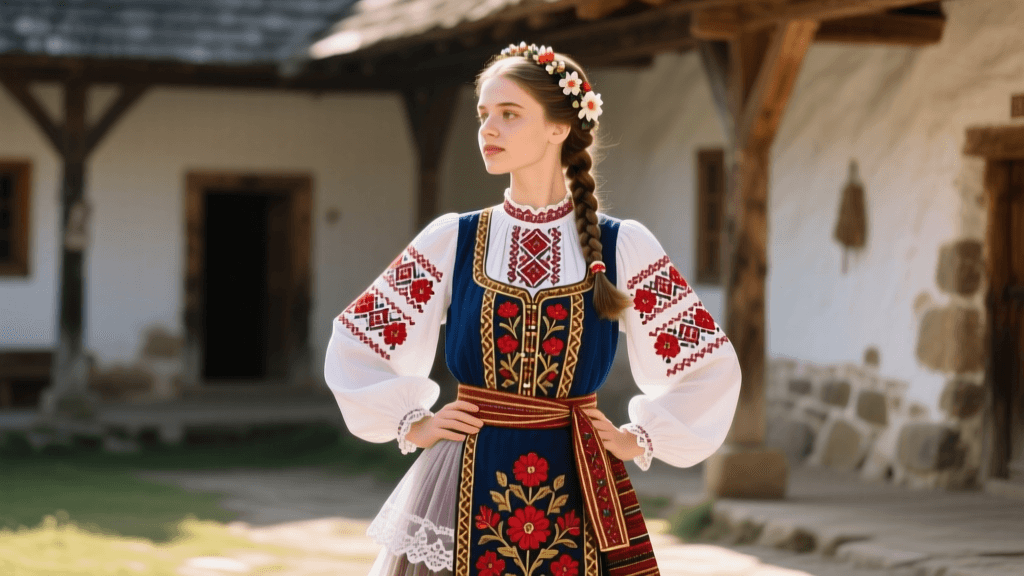
The foundation of the upper body garment is the ing, a white linen blouse characterized by its short, heavily puffed sleeves and intricate drawn-thread work (húzásos) at the cuffs and neckline. For the 2026 festival season, top-tier artisans are returning to heavyweight, locally milled flax linen, which provides the structural integrity needed to withstand the vigorous arm movements of the csárdás. Over the blouse sits the pruszlik, a tightly fitted, sleeveless vest made from dark brocade or heavy wool. The vest acts almost like a corset, providing crucial lower-back support for dancers during the rapid, stomping sequences of the dance's fast finale (friss).
The Szoknya (Skirt) and Petticoat Engineering
The most visually striking element of the Matyó dancer is the skirt silhouette. To achieve the iconic, gravity-defying bell shape seen at the Hollókő festivals, dancers wear multiple layers of starched cotton petticoats (alsószoknya). While everyday historical wear might involve three to five layers, festival dancers in 2026 frequently wear between 12 and 18 petticoats. The outermost skirt, the szoknya, is crafted from dark blue or black wool and features a wide, dense band of Matyó embroidery at the hem. The sheer weight of these layered skirts—often exceeding 7 kilograms—creates a spectacular, sweeping momentum when the dancer executes the rapid pivots and turns characteristic of the Palóc folk dance style.
The Kötény (Apron)
Worn over the skirts, the festival apron is a canvas for the most elaborate embroidery. Unlike utilitarian aprons, the Matyó dance apron is made of fine white linen or silk, entirely covered in the community's signature floral motifs. It is tied tightly at the waist to secure the massive volume of petticoats beneath it.
The Iconic Matyó Embroidery (Matyó Hímzés)
The soul of the costume lies in its embroidery, a practice so culturally significant that it was inscribed on the UNESCO Intangible Cultural Heritage registry. The traditional Matyó color palette is strict and symbolic:
- Red: Represents youth, vitality, and joy. Predominant in the costumes of unmarried girls and young brides.
- Blue and Black: Denotes maturity, marriage, and, in specific geometric arrangements, mourning.
- Yellow and Green: Used as accent colors to outline the primary floral motifs, representing the harvest and the earth.
The primary motifs are the Matyó rózsa (Matyó rose) and the tulip. In 2026, the most sought-after festival garments feature a return to natural, plant-based dyes. Artisans are utilizing madder root for deep, colorfast reds and woad for rich blues, moving away from the harsh synthetic aniline dyes that dominated the late 20th century. This shift has resulted in a softer, more historically accurate aesthetic that photographs beautifully in the spring sunlight of Hollókő.
Male Dancewear: The Gatya and Lajbi
While the female costume is renowned for its volume, the male Palóc dance costume is designed for agility and sharp, percussive footwork. The male dancer wears the gatya, exceptionally wide, pleated linen trousers that allow for deep lunges and high kicks. The legs are often tied below the knee with intricate braided cords. Over a white linen shirt, men wear a lajbi (vest) heavily decorated with silk floral embroidery and silver or brass buttons. The ensemble is completed with a wide-brimmed black felt hat adorned with long, flowing ribbons (gyöngyös kalap), which whip through the air during the energetic leaps of the csárdás.
Footwear and Accessories for the Csárdás
Proper footwear is non-negotiable for folk dance festivals. Female dancers wear soft, red leather boots with a low, stacked wooden heel. The heel is specifically designed to produce a sharp, resonant clack against the cobblestones of Hollókő during the rhythmic stamping sequences. Unmarried girls complete their look with the pántlika, a towering, wreath-like headdress interwoven with dozens of long, brightly colored silk ribbons that trail down the back, catching the wind during spins.
Sourcing and Pricing in the 2026 Market
Acquiring an authentic, hand-embroidered Matyó festival costume in 2026 requires planning and a significant financial investment. Due to the aging population of master embroiderers and the premium cost of heritage-grade linen, waitlists for custom pieces from Mezőkövesd cooperatives often stretch from six to nine months.
"The 2026 revival of natural dyeing techniques in Matyó embroidery has not only preserved our intangible heritage but has also elevated the garments to the realm of sustainable, high-end textile art. A single festival apron can take over 400 hours of hand-stitching." — Curator of Textiles, Museum of Ethnography, Budapest (neprajz.hu)
Below is a comparison of what to expect when sourcing costumes for the 2026 festival season:
| Feature | Authentic Artisan Matyó (2026) | Mass-Market Tourist Version |
|---|---|---|
| Base Fabric | 100% Heavyweight Woven Flax Linen | Polyester-Cotton Blend |
| Embroidery | Hand-stitched, natural plant dyes | Machine-embroidered, synthetic threads |
| Skirt Layers | 12-18 starched cotton petticoats | 1-2 nylon net crinolines |
| Dance Mobility | Engineered gussets, weighted hems for spin | Restrictive, lightweight, lacks kinetic swing |
| Estimated 2026 Cost | €2,400 - €4,500+ (Full Ensemble) | €80 - €150 |
Caring for Heritage Textiles Post-Festival
After the 2026 Hollókő Palóc Easter Festival concludes, proper preservation of these investment pieces is critical. The heavy linen and wool must never be machine-washed. The locsolkodás tradition involves dancers being splashed with water and perfume, meaning the garments will inevitably become damp. Experts recommend air-drying the skirts in a shaded, well-ventilated room to prevent the natural dyes from UV-fading. The heavily starched petticoats should be unlayered, gently hand-washed with a pH-neutral textile soap, and re-starched using traditional potato-starch methods before being stored flat in acid-free tissue paper. By respecting the construction and history of the Matyó folk dress, dancers ensure that these magnificent textiles will continue to define the visual and kinetic landscape of European folk festivals for generations to come.