2026 Guide to Authentic Viking Kyrtill and Tablet Weaving
The Evolution of Viking Reenactment Standards in 2026
The landscape of European living history has evolved dramatically by the 2026 festival season. Gone are the days of Hollywood-inspired leather armor and fantasy embellishments. Today, the global Viking reenactment community demands rigorous adherence to archaeological evidence. According to recent textile analyses highlighted by the National Museum of Denmark, modern living historians are now prioritizing historically accurate weave structures, natural dye profiles, and precise garment construction. For enthusiasts and newcomers alike, constructing an authentic kyrtill (the traditional Norse tunic) and pairing it with historically accurate tablet-woven trims is the ultimate benchmark of dedication to the craft.
This comprehensive guide will walk you through the exact specifications, materials, and techniques required to build a museum-quality Viking kyrtill and weave authentic trims for the 2026 reenactment season, ensuring your kit meets the strictest authenticity standards at major European festivals.
The Anatomy of the Authentic Kyrtill
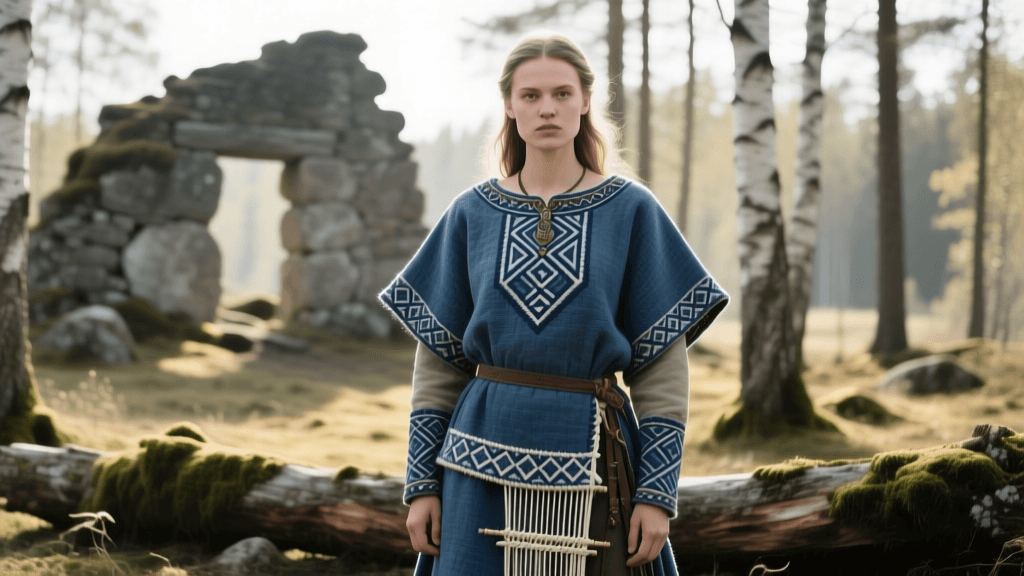
The kyrtill was the foundational garment for men and women across the Norse world, from the bustling trade hub of Hedeby to the remote settlements of Iceland. Unlike modern tailored clothing, the Viking kyrtill was designed to minimize fabric waste while maximizing mobility. The garment relies on a sophisticated system of rectangular panels, triangular gores, and underarm gussets.
Fabric Selection and Weave Structures
Wool was the undisputed king of Viking textiles. For a historically accurate kyrtill in 2026, you must source 100% sheep's wool. The two most archaeologically attested weave structures are the diamond twill and the standard tabby weave. Diamond twill, often found in high-status graves, features a distinct geometric pattern created by the weaving process. When sourcing fabric, look for a thread count between 12 and 18 threads per centimeter in both the warp and weft. This provides the ideal drape and durability. Avoid modern worsted wools; instead, seek out woolen-spun yarns that mimic the slightly fuzzy, insulating texture of historical textiles.
Measurements and the Gore-and-Gusset System
To construct a standard men's knee-length kyrtill, you will need approximately 3.5 meters of 150cm-wide wool fabric. The body is formed by a single large rectangle folded over the shoulders, with a head opening slit into the center. The key to the garment's mobility lies in the side gores. By inserting four triangular gores (two on each side, starting from the waist or hip), the tunic flares out, allowing for a full range of motion without requiring excessive fabric in the upper body. Underarm gussets—small diamond-shaped pieces of fabric set into the armpit seams—are crucial for lifting the arms without pulling the entire tunic upward.
Natural Dyeing: Woad and Madder in Practice
Synthetic dyes are strictly prohibited in high-authenticity reenactment camps. The Viking color palette was rich but entirely derived from nature. The two most prominent dyes of the era were woad (Isatis tinctoria) for blues and madder (Rubia tinctorum) for reds. Mastering these dyes is essential for your 2026 kit.
The Chemistry of the Woad Vat
Dyeing with woad is a complex chemical process that requires creating an alkaline, oxygen-deprived environment. In 2026, most historical dyers use a fermentation vat or a modern chemical reduction vat using sodium dithionite and soda ash. To dye 500 grams of wool yarn or fabric:
- Scour the wool thoroughly to remove any lanolin or spinning oils.
- Prepare the vat with water heated to exactly 50°C (122°F). Higher temperatures will kill the dye chemistry.
- Add your woad pigment, soda ash (to raise the pH to around 9-10), and the reducing agent.
- Allow the vat to rest until the liquid turns a clear yellowish-green, indicating the indigo precursor is soluble.
- Submerge the wet wool gently, avoiding splashes that introduce oxygen.
- Remove the wool and expose it to the air. As it oxidizes, the color will magically shift from yellow to a deep, vibrant blue.
Mordanting and Dyeing with Madder
Madder root requires a mordant to bind the color to the wool fiber. Alum (potassium aluminum sulfate) combined with cream of tartar is the most historically plausible mordant. Simmer your alum-mordanted wool in a bath of crushed madder roots. The temperature must be kept below 75°C (167°F); if the bath boils, it will extract brown and yellow pigments from the root, resulting in a muddy orange rather than the prized, vibrant brick-red associated with high-status Norse garments.
Tablet Weaving for Historical Trims
No Viking kyrtill is complete without tablet-woven trim adorning the neckline, cuffs, and hem. Tablet weaving (or card weaving) was the primary method for producing strong, decorative bands in the Viking Age. The Viking Answer Lady archives extensively document the intricate patterns found in archaeological sites like the Oseberg ship burial and the Mammen chieftain's grave.
Setting Up the Loom
For a beginner-friendly yet historically accurate geometric border, use a set of 20 to 24 square wooden or bone tablets. Each tablet has four holes. Thread your wool or silk warp threads through the holes, ensuring that adjacent tablets are threaded in alternating S and Z directions. This alternating threading prevents the warp from twisting uncontrollably and creates a clean, flat band with a subtle chevron or diamond pattern on the surface.
The Weaving Process
Secure the far end of your warp to a sturdy post or your belt, and maintain high, consistent tension. Turn the entire pack of tablets forward (away from you) one quarter-turn at a time. After each turn, pass the weft thread through the shed and beat it firmly into place with a wooden shuttle or weaving sword. The magic of tablet weaving lies in the fact that the warp threads twist around each other, encasing the weft entirely and creating a remarkably durable, double-faced band perfect for reinforcing the high-wear edges of your kyrtill.
2026 Reenactment Festival Authenticity Standards
As the living history community continues to professionalize, major European festivals have updated their kit inspection guidelines for the 2026 season. Below is a comparison of the current fabric and dye requirements for three of the most prestigious Viking events.
| Festival (2026 Season) | Base Fabric Requirement | Dye & Color Standards | Trim & Embellishment Rules |
|---|---|---|---|
| Moesgaard Viking Moot (Denmark) | 100% wool, diamond twill or tabby. Minimum 12 threads/cm. | Strictly natural dyes. Woad, madder, weld, or undyed natural sheep colors. | Tablet weaving mandatory for hems. No machine embroidery. |
| Wolin Vikings Festival (Poland) | Wool or linen undergarments. Hand-woven preferred. | Natural dyes required for front-line combatants. Merchants may use muted shades. | Historical tablet weaving or period-correct silk appliqué. |
| York Viking Festival (UK) | Wool outer layers. Linen acceptable for under-tunics (serk). | Botanical dyes heavily encouraged. Synthetic brights strictly banned in camp. | Jorvik-style tablet weaving and bone/antler accessories only. |
Always consult the specific event organizers before finalizing your kit, as local interpretations of archaeological data can occasionally vary. However, adhering to the Moesgaard standards will generally ensure your kit is accepted anywhere in Europe.
Sewing Techniques and Finishing
The final step in constructing your kyrtill is assembling the pieces using historically accurate hand-sewing techniques. While modern reenactors often use a sewing machine for the long, hidden structural seams to save time, strict authenticity guidelines require hand-stitching for all visible seams and hems.
Use a high-quality, 2-ply wool thread for sewing wool garments, and linen thread for linen undergarments. The primary stitch used by the Vikings was the running stitch, executed with bone, antler, or iron needles. For areas subjected to high stress, such as the armhole gussets and the top of the side gores, utilize a backstitch for added reinforcement. Once the main seams are sewn, they must be finished to prevent fraying. The most common historical method is felling: folding the raw edges of the seam allowance inward and whipping them flat against the inside of the garment. This not only secures the fabric but also creates a clean, comfortable interior that sits smoothly against your linen serk (under-tunic).
Conclusion
Building an authentic Viking kyrtill in 2026 is a labor of love that connects you directly to the artisans of the Norse world. By sourcing the correct diamond twill wool, mastering the alkaline chemistry of the woad vat, and patiently turning your tablet-weaving cards, you are doing far more than making a costume. You are participating in the active preservation of European textile heritage. Whether you are walking the grounds of the Jorvik Viking Centre or competing at the Moesgaard Moot, your historically accurate garments will stand as a testament to the ingenuity, artistry, and enduring legacy of Viking craftsmanship.