Norwegian Bunad Guide 2026: Regional Styles, Costs & Rules
The Living Tradition of the Norwegian Bunad in 2026
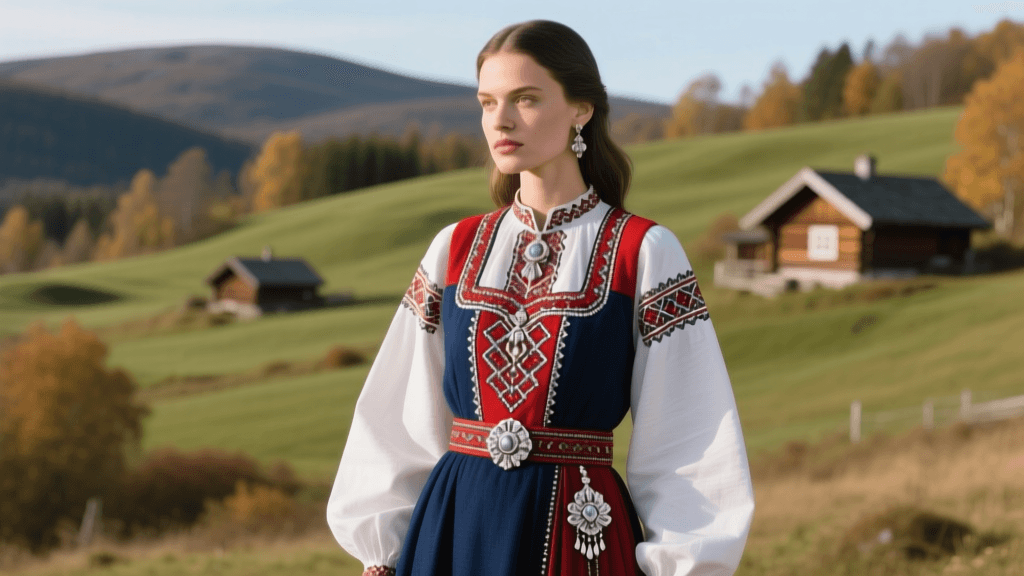
In the landscape of European folk dress, few garments command as much reverence, strict adherence to tradition, and contemporary popularity as the Norwegian bunad. Unlike static museum pieces, the bunad is a living, breathing garment worn by hundreds of thousands of Norwegians today. In 2026, the surge in sustainable fashion and a renewed interest in ancestral heritage has driven a massive revival in bunad ownership, particularly among younger generations preparing for milestones like weddings, confirmations, and the national Constitution Day (Syttende Mai).
It is crucial to understand the distinction between a folkedrakt (folk costume) and a bunad. According to the Norwegian Institute of Bunad and Folk Costume, a folkedrakt represents the original, historically accurate working and festive clothes worn by rural populations up until the mid-19th century. A bunad, conversely, is a modern reconstruction or design inspired by those historical garments, formalized during the national romanticism movement of the early 20th century. Today, there are over 450 distinct regional bunad variations in Norway, each governed by local committees that strictly dictate acceptable fabrics, embroidery patterns, and silver accessories.
Understanding Regional Variations
Choosing a bunad is not merely a matter of aesthetic preference; it is deeply tied to genealogy and geography. Traditionally, one wears the bunad from the region where they were born, where their ancestors lived, or where they currently reside. Below is a detailed look at three of the most iconic regional styles in 2026.
The Hardangerbunad
Often referred to as the 'first bunad,' the Hardangerbunad originates from the Hardanger fjord region. It was championed during the early 1900s as a symbol of Norwegian independence from Sweden. The women's costume is famous for its hvitsøm (whitework embroidery) on the linen apron and sleeves, paired with a dark wool bodice and skirt. The silver jewelry associated with Hardanger is highly specific, often featuring intricate filigree and oxidized details that contrast beautifully against the white linen.
The Setesdalsbunad
Setesdal, a deeply isolated valley in southern Norway, preserved its folkedrakt traditions longer than almost anywhere else. As documented by the Norwegian Museum of Cultural History, the Setesdal bunad is unique because it evolved directly from the everyday and festive wear of the 18th and 19th centuries without a modern 'reconstruction' phase. The garments are made of heavy, dark, hand-woven wool (vadmel), featuring striking geometric embroidery in white, red, and green wool yarn. It is heavily adorned with some of the oldest styles of Norwegian silver, including large, ornate belt buckles and shoulder clasps.
The Nordlandsbunad
Hailing from the rugged northern county of Nordland, this is one of the most popular and widely sold bunads in the country. Designed in the 1920s based on historical fragments and local flora, the Nordlandsbunad is celebrated for its vibrant silk embroidery. The women's version typically features a deep blue wool skirt and bodice with floral silk threadwork depicting local mountain plants, while the men's version includes a striking blue wool coat with silver buttons and silk-embroidered vests.
Comparison of Popular Regional Bunads (2026 Data)
| Region | Primary Fabric | Signature Technique | 2026 Est. Base Cost (USD) | Artisan Lead Time |
|---|---|---|---|---|
| Hardanger | Wool & Linen | Hvitsøm (Whitework) | $3,200 - $4,500 | 8 - 12 Months |
| Setesdal | Heavy Vadmel Wool | Geometric Wool Embroidery | $3,800 - $5,200 | 12 - 18 Months |
| Nordland | Lightweight Wool | Silk Floral Embroidery | $2,900 - $4,000 | 6 - 10 Months |
| Telemark | Wool & Linen | Smøyg (Counted Thread) | $4,500 - $6,000 | 14 - 24 Months |
| Østfold | Wool & Cotton | Floral Cross-Stitch | $2,500 - $3,500 | 4 - 8 Months |
The Art of Sølje: Silver Jewelry Rules
A bunad is incomplete without its accompanying sølje (silver jewelry). In 2026, with global silver prices experiencing significant volatility, a complete set of handcrafted Norwegian silver is a major financial investment, often ranging from $1,500 to over $3,500 USD depending on the region and the complexity of the filigree.
The rules governing silver are as strict as those for the textiles. You cannot mix silver from different regions; a Hardanger neck brooch must not be worn with a Telemark belt buckle. Furthermore, the finish of the silver is dictated by tradition. Some regions, like Setesdal, require heavily oxidized (darkened) silver to highlight the intricate Viking-era motifs, while others, like Nordland, demand bright, highly polished silver to mimic the midnight sun.
Essential Silver Components for Women:
- Halssølje (Neck Brooch): Worn at the collar of the linen shirt.
- Brystsølje (Chest Brooch): A larger, elaborate piece pinned to the bodice.
- Mansjettknapper (Cufflinks): Used to secure the wide sleeves of the linen shirt.
- Beltedrakt (Belt Fittings): Silver plates or a massive ornate buckle, depending on the region.
- Håknapper (Hair Pins): Used if the hair is styled in traditional braids or buns.
Sizing, Tailoring, and 2026 Pricing Realities
Acquiring a bunad is not like buying a standard dress off the rack; it is a bespoke process. Because traditional wool has zero stretch, the tailoring must be exact. In 2026, the shortage of certified bunad seamstresses (bunadstilvirker) means that wait times for custom embroidery and final tailoring can easily exceed a year.
Actionable Steps for Ordering a Custom Bunad
- Verify Your Regional Right: Research your family tree or current residency to determine which bunad you are 'allowed' to wear according to local bunad committees.
- Professional Measurement: Visit an authorized retailer (such as a local Husfliden shop). Measurements required include bust, natural waist, hips, back length from nape to waist, and shoulder width. Do not attempt to measure yourself.
- Order the Silver First: Silver artisans often have the longest waitlists. Order your complete sølje set 12 to 18 months before your target wearing date.
- Final Fitting: Schedule a final fitting two months before your event. Traditional bunads are designed to accommodate slight weight fluctuations through hidden seam allowances, but the bodice must sit perfectly on the shoulders.
Strict Etiquette: How to Wear the Bunad
Wearing a bunad comes with a rigid set of etiquette rules designed to maintain the historical illusion and respect the garment's heritage. As noted in various cultural guides on Wikipedia's comprehensive Bunad entry, modern fashion trends must be entirely discarded when donning the costume.
The Golden Rules of Bunad Etiquette:
1. No Modern Jewelry: Remove all modern rings, earrings, watches, and necklaces. Only the traditional regional silver is permitted.
2. Makeup and Nails: Keep makeup natural and understated. Brightly colored nail polish or dramatic false eyelashes are considered highly inappropriate and clash with the historical aesthetic.
3. Footwear: You must wear traditional bunadssko (leather shoes with brass or silver buckles) or simple, plain black leather pumps. Sneakers, modern boots, or visible modern socks are strictly forbidden.
4. Headgear and Hair: Hair should be neat. In many regions, married women are required to wear a specific headpiece, such as a skaut (a structured, folded linen or silk headscarf), while unmarried women wear their hair down or in simple braids.
Caring for Wool, Linen, and Silver
A bunad is an heirloom meant to be passed down through generations. Proper maintenance in 2026 relies on a mix of traditional wisdom and modern preservation techniques.
Wool and Textile Care: Never machine wash a bunad skirt or bodice. The wool used is often lightly felted and will shrink or warp if exposed to water and agitation. Instead, air the garment outside on a damp, breezy day to naturally remove odors. To combat moth infestations without using harsh chemicals, place the folded bunad in a breathable cotton bag and leave it in a deep freezer for 72 hours to kill any microscopic eggs.
Linen Shirts: The cotton or linen under-shirts (skjorte) can be hand-washed using mild, enzyme-free detergents. They should be line-dried and ironed while slightly damp to achieve the crisp finish required for the intricate whitework embroidery to stand out.
Silver Maintenance: Avoid commercial silver dips, especially for oxidized pieces, as these chemicals will strip the intentional dark patina from the crevices. Instead, use a soft, untreated microfiber cloth to gently buff the raised, polished areas. Store silver in anti-tarnish flannel bags to slow down the oxidation process caused by ambient humidity.
Conclusion
The Norwegian bunad is far more than a costume; it is a profound expression of identity, craftsmanship, and regional pride. While the financial investment and the strict rules of etiquette may seem daunting to outsiders, the result is a garment of unparalleled beauty and historical weight. Whether you are investing in a heavily embroidered Telemark piece or a sleek, silk-adorned Nordland design, understanding the deep roots and precise requirements of your chosen regional style ensures that you honor the legacy of European folk dress in the modern era.