Bavarian vs Ausseer Dirndl: 2026 Regional Sourcing Guide
The Alpine Renaissance: Folk Dress in 2026
As we navigate the cultural and sartorial landscape of 2026, the revival of traditional European folk dress has moved far beyond mere costume or tourist souvenir. Today, the Tracht movement represents a commitment to sustainable, heritage-driven fashion, with regional variations serving as a testament to local identity and artisanal craftsmanship. Nowhere is this more evident than in the Alpine regions of Germany and Austria, where the dirndl remains a living, breathing garment. According to the Encyclopedia Britannica's comprehensive guide to the Dirndl, what began as the practical workwear of Alpine servants in the 19th century has evolved into a sophisticated symbol of regional pride and high fashion.
For enthusiasts, collectors, and those attending major cultural festivals this year, understanding the nuanced differences between regional styles is essential. The two most prominent and frequently confused styles are the classic Bavarian Dirndl (specifically the Munich and Miesbach variants) and the elegant Ausseer Dirndl from Austria’s Lake District. This guide breaks down their distinct anatomies, 2026 textile trends, and how to source authentic pieces.
The Classic Bavarian Dirndl: Munich & Upper Bavaria
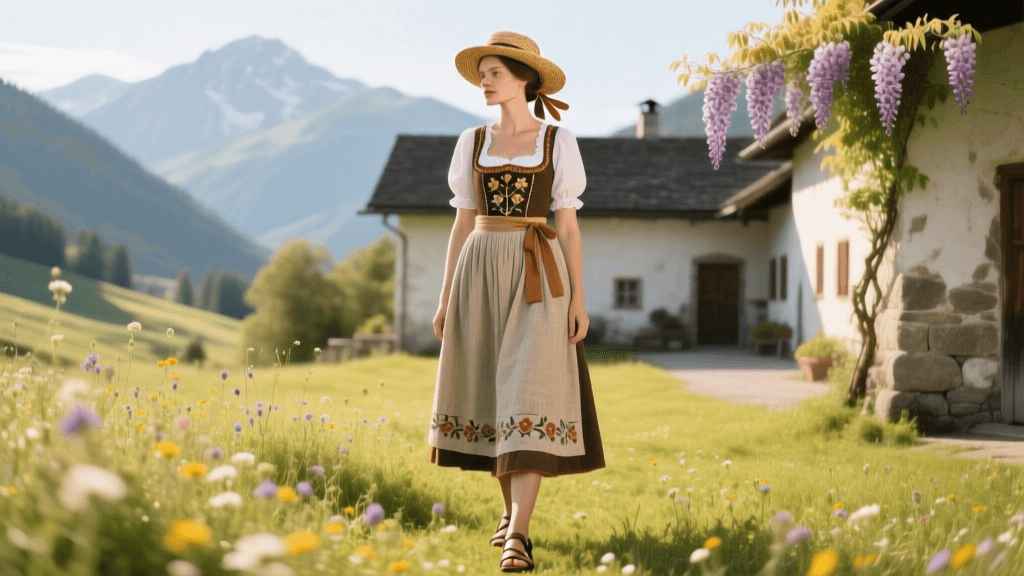
The Bavarian dirndl, particularly the styles originating from Munich and the Miesbach district, is arguably the most globally recognized form of Alpine folk dress. Characterized by its structured silhouette and modest elegance, the Bavarian ensemble is a four-part harmony consisting of the Mieder (bodice), Dirndlgwand (skirt), Bluse (blouse), and Schürze (apron).
In 2026, the Bavarian Tracht scene is heavily focused on material authenticity. The modern Trachten wearer shuns synthetic polyesters in favor of GOTS-certified organic cottons, raw alpine wool, and locally woven hemp blends. The bodice of a true Bavarian dirndl is heavily boned and tailored to provide support without the need for modern undergarments, often featuring intricate hook-and-eye closures or a lacing system that crosses over a decorative Stecker (bodice insert). The skirt is traditionally gathered, falling to the knee or mid-calf, and is almost always paired with a crisp, white cotton or linen blouse featuring delicate lace or hand-embroidered floral motifs at the neckline.
The Ausseer Dirndl: Austria’s Lake District Elegance
Traveling just across the border into Austria’s Salzkammergut lake region, we encounter the Ausseer Dirndl. Documented extensively by institutions like the Austrian Museum of Folk Life and Folk Art, the Ausseer style is distinctly different from its Bavarian cousin, carrying an air of aristocratic bohemianism. Historically favored by the Viennese elite who summered in the lake districts, the Ausseer dirndl is renowned for its bold, specific color-blocking and luxurious fabrics.
The most traditional Ausseer color combination features a pink skirt, a green bodice, and a purple or intricately patterned apron. However, the true hallmark of the Ausseer dirndl in 2026 is the use of hand-blocked silk and luxurious Seidenbrokat (silk brocade). Unlike the Bavarian style, which relies heavily on the white blouse to provide contrast, the Ausseer dirndl often features a high-necked, long-sleeved blouse made of fine silk or lace, or in some highly formal historical iterations, it is worn without a visible blouse, utilizing a specialized lace insert known as a Goller. The silhouette is slightly more relaxed, with the skirt often falling to the ankle for formal evening events, creating a sweeping, elegant line.
Regional Comparison: Bavarian vs. Ausseer Tracht
To help you identify and source the correct style for your 2026 wardrobe, refer to the comparative breakdown below:
| Feature | Bavarian (Munich/Miesbach) | Ausseer (Salzkammergut) |
|---|---|---|
| Bodice Style | Heavily boned, structured, deep V or square neck, front lacing or hooks. | Softer tailoring, higher necklines, often covered in silk brocade or velvet. |
| Skirt Length | Knee to mid-calf (practical for day wear and dancing). | Mid-calf to floor-length (ankle) for formal and evening variants. |
| Signature Colors | Navy, forest green, charcoal, burgundy, often with subtle floral prints. | Bold color-blocking: Pink skirt, green bodice, purple/patterned apron. |
| Apron Material | Cotton, linen, or lightweight silk, often matching the skirt's secondary color. | Hand-blocked silk, heavy taffeta, or gold-threaded jacquard. |
| 2026 Avg. Bespoke Price | €450 – €850 | €700 – €1,400+ |
The Symbolism of the Apron Bow
Regardless of whether you choose a Bavarian or Ausseer style, the tying of the apron bow (Schürzenschleife) remains a strict cultural code across the Alpine regions. In 2026, as traditional etiquette experiences a massive revival among younger generations, wearing the bow incorrectly at a festival will immediately mark you as an outsider.
- Bow on the Left: The wearer is single and open to courtship.
- Bow on the Right: The wearer is married, engaged, or in a committed relationship.
- Bow in the Center: Traditionally signifies a virgin or a young, unmarried girl (though in modern 2026 contexts, some wear it simply as a stylistic choice if they prefer not to disclose their status).
- Bow on the Back: The wearer is widowed, or, in the case of working staff at festivals, it indicates they are on duty.
Sourcing Authentic Tracht in 2026
The market is currently saturated with mass-produced, synthetic "costumes" that disrespect the heritage of the garment. To source an authentic dirndl in 2026, you must look for specific markers of quality. First, examine the seam allowances; a genuine dirndl will have generous, bound seams that allow the garment to be let out or taken in by several inches, a nod to the historical necessity of a garment lasting a lifetime.
For Bavarian styles, seek out heritage ateliers in Munich’s Altstadt or specialized tailors in the Chiemgau region who utilize fabrics from historic mills like Handweberei. For the Ausseer dirndl, the gold standard remains the artisan workshops located directly in Bad Aussee. Brands that prioritize slow fashion are currently collaborating with local silk-screeners to revive 19th-century apron patterns, ensuring that your garment is not only historically accurate but environmentally sustainable. Expect to invest a minimum of €500 for a high-quality, off-the-rack natural fiber ensemble, while fully bespoke pieces crafted from antique silk brocades can easily exceed €1,500.
Festival Guidelines: Oktoberfest and Almabtrieb
If you are attending the Munich Oktoberfest or the various Almabtrieb (cattle drive) festivals across Austria in the autumn of 2026, understanding the dress code is vital. While Munich has relaxed its rules to allow high-quality, knee-length cotton dirndls during the day, evening events in the Festzelt (beer tents) increasingly favor the elegance of the floor-length Ausseer or a premium silk Bavarian midi. Footwear must also align with tradition; discard modern sneakers in favor of traditional Haferlschuhe (Bavarian lace-up shoes) or elegant, low-heeled leather pumps that can withstand hours of traditional folk dancing like the Schuhplattler or the Ländler.
Caring for Heritage Textiles
Authentic folk dress requires specialized care to maintain its structural integrity and vibrant dyes. Never machine-wash a silk brocade Ausseer bodice or a heavily boned Bavarian Mieder. The boning can warp, and the natural fibers will shrink unevenly. For cotton and linen skirts, gentle hand-washing in cold water with a pH-neutral wool detergent is recommended. Always air-dry your garments flat, away from direct sunlight, to prevent the natural dyes from fading. Store your dirndl on a padded hanger in a breathable cotton garment bag, ensuring the apron is folded separately to avoid permanent creasing.
Conclusion
The European folk dress revival of 2026 is a celebration of regional identity, artisanal skill, and sustainable fashion. Whether you are drawn to the structured, modest charm of the Bavarian dirndl or the luxurious, color-blocked elegance of the Ausseer style, investing in authentic, regionally accurate Tracht connects you to centuries of Alpine history. By prioritizing natural textiles, supporting heritage ateliers, and respecting the sartorial codes of the Alpine festivals, you ensure that these magnificent garments continue to thrive for generations to come.