Viking Smokkr Apron Dress Guide 2026: Patterns & Natural Dyes
The Resurgence of Norse Heritage Garments in 2026
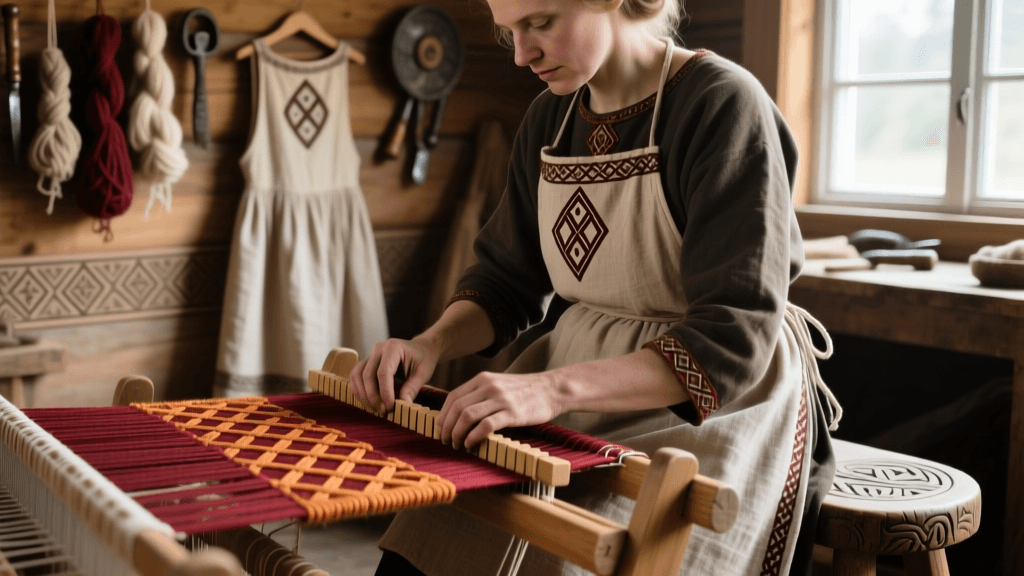
As we navigate the historical reenactment and heritage festival season of 2026, the demand for uncompromising accuracy in European folk dress has reached an all-time high. Among the most iconic and meticulously studied garments is the Viking Age smokkr, commonly referred to as the apron dress. Worn over a linen or wool underdress (the serk), the smokkr was a defining element of female Norse attire from the 8th to the 11th centuries. Today, modern artisans and reenactors are moving away from mass-produced costume fabrics, embracing heritage-breed wools, archaeological pattern drafting, and traditional natural dyeing methods. This comprehensive guide provides actionable, historically grounded instructions for constructing a high-authenticity smokkr in 2026, complete with updated sourcing data and natural dye recipes.
The Archaeological Foundation of the Smokkr
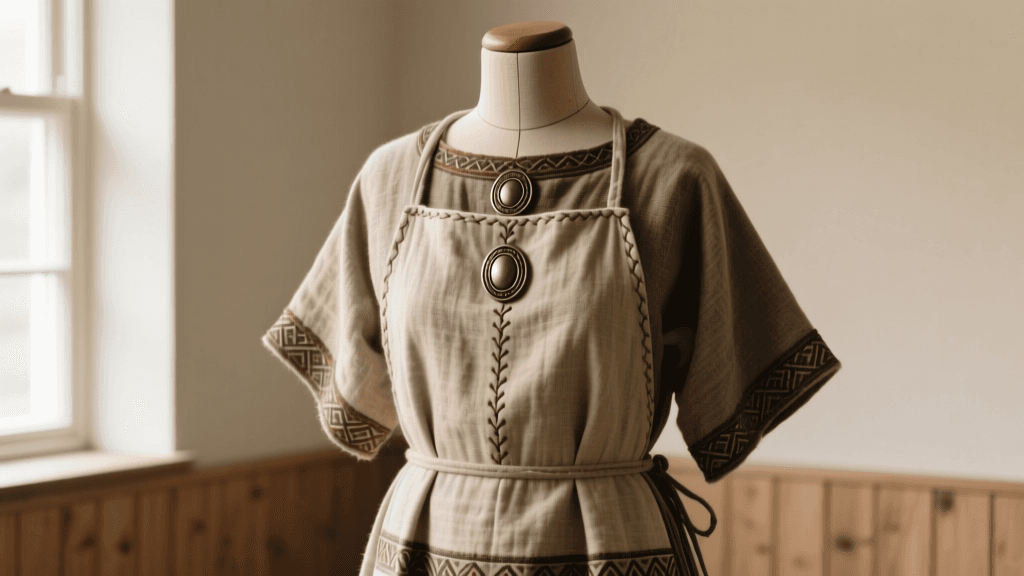
To construct an accurate smokkr, we must look directly to the archaeological record. Due to the acidic soils of Scandinavia, complete garments rarely survive. However, fragments found in graves—often preserved by the rust of iron tools or the mineralization from bronze jewelry—provide vital clues. According to the National Museum of Denmark, the presence of paired oval 'tortoise' brooches on the upper chest of female skeletons is the primary indicator of the smokkr's suspension system.
Two major archaeological finds dictate modern pattern drafting:
- The Hedeby Find: Discovered in the harbor of the Viking trading hub Hedeby, this fragment suggests a tailored, multi-panel dress with a flared skirt, constructed from wool and featuring intricate seams.
- The Kostrup Find: Located in Funen, Denmark, this grave yielded a smokkr fragment featuring a distinct, tightly pleated front panel, likely held together by a tablet-woven band and suspended by linen or wool loops.
In 2026, the consensus among textile historians favors a tubular or wrapped construction, suspended by loops at the front and back, and secured with bronze or silver oval brooches. The choice between a flat-front (Hedeby style) and a pleated-front (Kostrup style) depends on the specific regional and temporal persona you are portraying.
Sourcing Authentic Diamond Twill Wool
The most prestigious and archaeologically supported fabric for a high-status Viking smokkr is the 2/2 diamond twill wool. This weave creates a distinct, light-catching geometric pattern that was highly prized in the Viking Age. When sourcing textiles in 2026, you must look for specific thread counts and fiber preparations.
Avoid modern worsted wools, which are too smooth and uniform. Instead, seek out woolen-spun yarns from heritage breeds such as Spælsau, Gotland, or Shetland. The ideal thread count for a high-status smokkr is between 12 to 16 threads per centimeter in both the warp and weft. In 2026, specialized heritage weavers in Scandinavia and the Baltic states offer custom-woven diamond twill, though lead times can stretch up to four months. Expect to purchase between 1.8 and 2.5 meters of fabric (assuming a width of 60-80 cm, which is historically accurate for warp-weighted loom weaving) to allow for a full-length, flared garment.
Natural Dyeing: Achieving Authentic Viking Colors
While the popular imagination often paints Vikings in drab browns and grays, archaeological textile analysis reveals a vibrant palette achieved through complex natural dyeing. The two most prominent colors for the smokkr are deep madder red and woad blue. The Viking Ship Museum in Roskilde frequently highlights the immense trade networks required to acquire these dyestuffs, proving that colorful garments were significant status symbols.
The 2026 Madder Root Dye Bath Recipe
Madder (Rubia tinctorum) yields colors ranging from soft brick to deep, blood red. To achieve a colorfast, vibrant red on your diamond twill wool, follow this traditional mordanting and dyeing process:
- Scouring: Wash 500g of wool fabric in warm water with a mild, pH-neutral soap to remove lanolin and spinning oils.
- Mordanting: Dissolve 75g of Potassium Aluminum Sulfate (alum) and 25g of Cream of Tartar in warm water. Simmer the wet wool in this mordant bath at 85°C (185°F) for one hour. Let it cool in the bath overnight.
- Extraction: Soak 250g of dried madder root extract (or 500g of chopped roots) in water overnight. The next day, heat the bath to 70°C (158°F)—never let madder boil, or it will extract muddy brown tannins.
- Dyeing: Introduce the mordanted wool. Maintain the 70°C temperature for two hours, stirring gently. Rinse in cool water and dry out of direct sunlight.
Tablet Weaving and Trim Integration
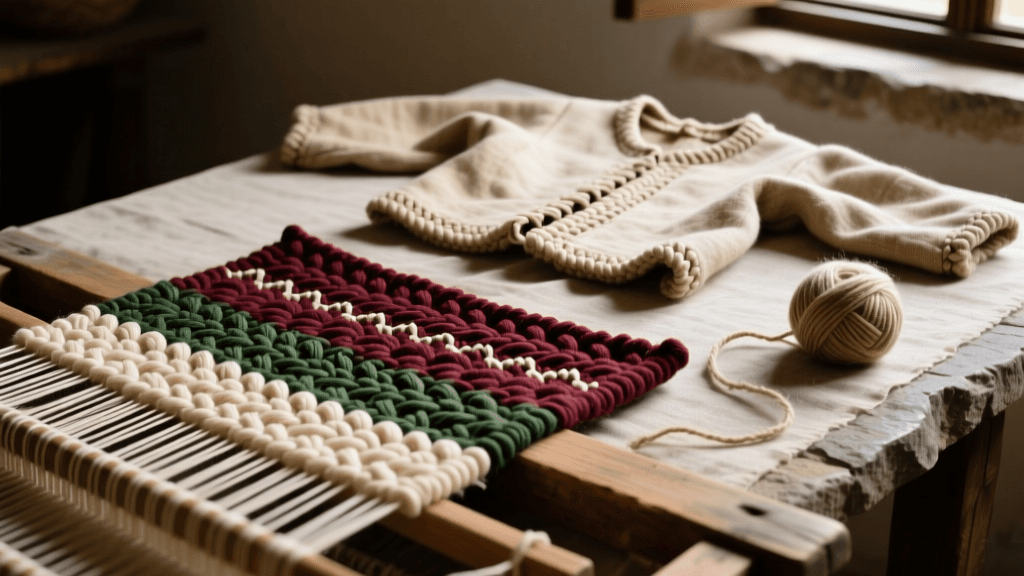
No smokkr is complete without its trims. Tablet weaving (or card weaving) was the primary method for producing strong, decorative bands used to edge necklines, hems, and the top of the pleated Kostrup panel. The patterns found on the Oseberg cart carvings and the Snartemo V band provide excellent templates for 2026 weavers.
For a beginner-to-intermediate artisan, a simple 3/1 twill pattern using 12 to 20 tablets (cards) threaded with fine, worsted-spun wool or silk is highly recommended. Silk trims, often dyed with weld for yellow or kermes for crimson, were luxury imports and indicate a persona of high wealth. When attaching the tablet-woven band to the smokkr, use a fine linen thread and a whip stitch, ensuring the band lies perfectly flat against the diamond twill without puckering.
Step-by-Step Smokkr Construction Guide
Constructing the smokkr requires an understanding of geometric cutting, which minimizes fabric waste—a crucial consideration in the Viking Age.
- The Main Tube: Cut a large rectangle of diamond twill. The width should be your hip measurement plus 20 cm for ease and flare; the length should be from your armpit to your ankle. Sew the vertical seam using a backstitch, and fold the raw edges inward, securing them with a hem stitch.
- The Gore Panels: To achieve the flared silhouette seen in the Hedeby reconstructions, insert triangular gores into the side seams starting from the hip line down to the hem.
- The Pleats (Kostrup Style): If replicating the Kostrup dress, mark a 15 cm section at the center front top edge. Create tight, 1 cm box pleats and baste them in place. Cover the top edge of the pleats with a narrow tablet-woven band to lock them securely.
- The Loops: Cut four strips of wool or linen, fold them into tubes, and stitch them securely to the inside top edge of the dress (two in the front, two in the back). These loops will pass through the pins of your oval brooches.
2026 Material and Sourcing Comparison Table
To assist in your project budgeting, below is a comparative breakdown of the materials required for a high-authenticity smokkr, reflecting the artisan market prices and availability as of early 2026.
| Component | Material & Specification | Sourcing Strategy (2026) | Estimated Cost (USD) |
|---|---|---|---|
| Main Fabric | 2/2 Diamond Twill Wool (12-15 tpc) | Custom weave from Baltic/Scandinavian heritage weavers | $180 - $260 |
| Natural Dye | Madder Root Extract (High Alizarin) | Specialized botanical dye suppliers (e.g., Maiwa, Long Ridge Farm) | $45 - $65 |
| Trims | Tablet Woven Silk/Wool Band (20 tablets) | Hand-woven by artisan guilds or self-woven | $50 - $120 |
| Hardware | Paired Bronze Oval 'Tortoise' Brooches | Certified historical metalworkers (cast from Oseberg molds) | $90 - $150 |
| Thread | Woolen-spun sewing thread (matching weave) | Spin your own from fabric scraps or source from specialty spinners | $15 - $25 |
Preserving and Maintaining Your Garment
Once your smokkr is complete, proper maintenance is essential. Natural dyes, particularly madder and woad, can fade if exposed to prolonged direct sunlight or harsh alkaline detergents. In 2026, conservation-grade textile care is accessible to the public; always hand-wash your wool garments in cool water using a lanolin-enriched wool wash. Never wring the diamond twill, as this will distort the geometric pattern. Instead, roll the garment in a clean towel to press out excess water and lay it flat to dry.
Furthermore, the bronze brooches should be removed before washing and stored separately to prevent bronze disease (chloride corrosion) from transferring to the wool fibers. By treating these garments not merely as costumes, but as living pieces of European folk dress history, we honor the incredible skill of Viking Age textile workers.
Conclusion
Creating a historically accurate Viking smokkr in 2026 is a deeply rewarding endeavor that bridges the gap between ancient craftsmanship and modern historical appreciation. By investing time in sourcing genuine diamond twill, mastering the alchemy of natural madder dyeing, and executing precise tablet-woven trims, you elevate your garment from a simple replica to a museum-quality reconstruction. As the Jorvik Viking Centre continues to demonstrate through its ongoing archaeological exhibitions, the true wealth of the Norse people was woven into the very threads of their clothing.