Sardinian Pibiones Weaving & Heritage Garments: 2026 Guide
The Resurgence of Sardinian Folk Dress in 2026
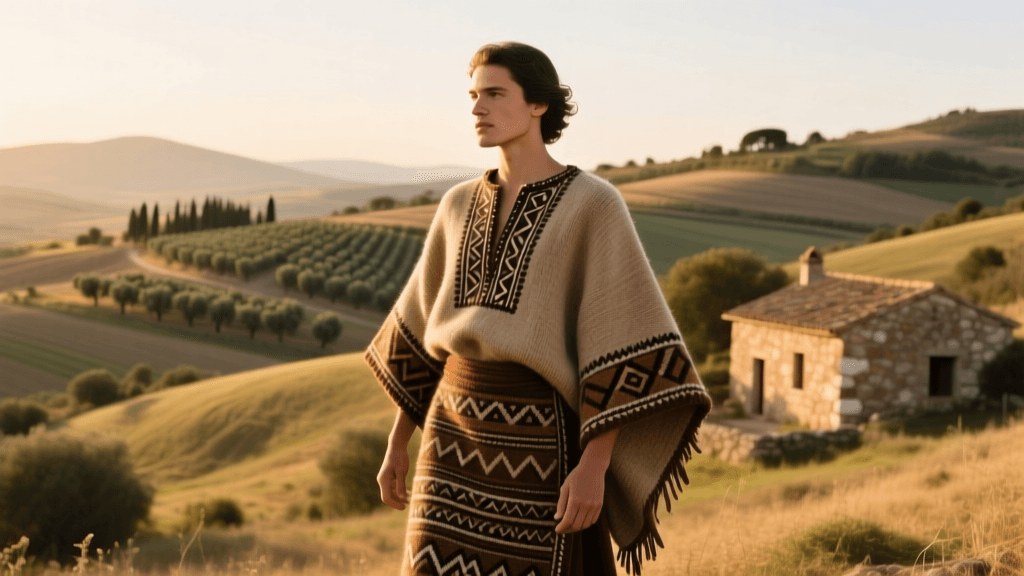
Sardinia’s rugged geography and historical isolation have birthed one of the most intricate and fiercely preserved folk dress traditions in Europe. While many regional costumes across the continent have been relegated to museum displays or simplified for tourist performances, Sardinian traditional garments remain a living, breathing part of the island's cultural identity. In 2026, we are witnessing an unprecedented renaissance in authentic Sardinian textile production, driven by a new generation of artisans, heritage cooperatives, and substantial cultural preservation grants.
According to recent heritage initiatives outlined by the Italian Ministry of Culture, 2026 has seen a massive influx of funding directed toward rural artisan cooperatives, specifically targeting the revival of ancient looming techniques and natural dyeing processes. For collectors, cultural historians, and enthusiasts of European folk dress, understanding the nuances of Sardinian garments—particularly the legendary Pibiones weaving and heavy Orbace wool—is essential for navigating this vibrant market.
Core Elements of the Traditional Sardinian Wardrobe
The traditional Sardinian wardrobe is highly localized, with over 400 distinct municipal variations. However, several foundational garments and textiles unite the island's sartorial heritage.
Orbace Wool and Sa Berritta
The backbone of Sardinian folk dress is Orbace (or Orbaci), a coarse, highly durable, and naturally water-resistant wool woven from the fleece of indigenous Sardinian sheep. Historically, Orbace was the fabric of the working class, dyed in deep blacks, browns, and grays using walnut husks and iron-rich mud. The most iconic men's garment crafted from Orbace is Sa Berritta, the traditional Phrygian-style cap. In 2026, authentic hand-woven Orbace caps are prized for their structural rigidity and weatherproofing, often retailing between €120 and €180 from master weavers in the Barbagia region.
Su Corsu and S'Ubrancu
For women, the silhouette is defined by Su Corsu (the structured bodice) and S'Ubrancu (the ceremonial apron). The bodice is typically tailored from velvet or heavy wool, heavily reinforced, and adorned with metallic thread embroidery or silk brocade. The apron, however, is the true canvas for Sardinian textile mastery. It is here that the renowned Pibiones technique is most prominently displayed, transforming a functional protective garment into a masterpiece of geometric storytelling.
The Magic of Pibiones Weaving
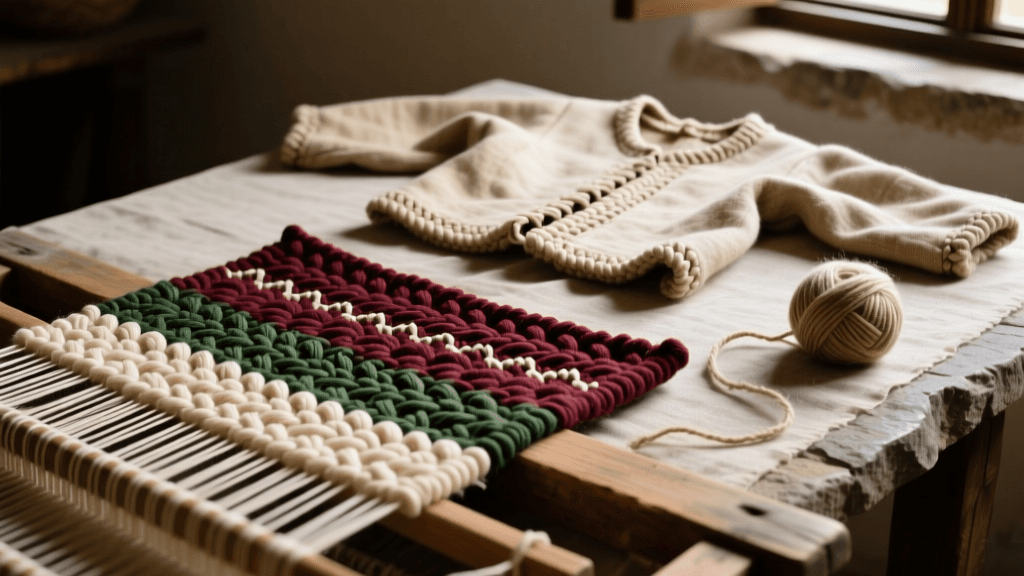
Pibiones (meaning 'grains' or 'berries' in the Sardinian language) is a specialized, raised-loop weaving technique that creates a textured, three-dimensional pattern on the surface of the fabric. Unlike embroidery, which is applied to the surface of a finished cloth, Pibiones is structurally integral to the weave itself.
Artisans achieve this effect by manually lifting specific warp threads over a smooth, cylindrical rod (traditionally a hazelnut branch or a metal knitting needle) during the weaving process. When the rod is removed, the threads form tight, raised bumps that resemble clusters of grapes or grains. In 2026, true Pibiones weaving is entirely done by hand on traditional wooden floor looms. A single ceremonial apron featuring complex Pibiones motifs—such as the sa pramma (palm frond) or su pugiòni (the bird)—can take a master weaver over 120 hours to complete.
'To identify authentic Pibiones, turn the fabric over. The raised bumps on the front must correspond to distinct, continuous loops on the back. If the back is flat or shows embroidery stitching, it is a modern, machine-made imitation.' — Master Weaver Cooperative of Samugheo, 2026.
Top Heritage Brands and Artisan Cooperatives
As highlighted by the official Sardinia tourism board, the island's artisan networks are the best avenue for acquiring authentic garments. When investing in Sardinian folk dress in 2026, look for these premier heritage brands and cooperatives:
- Mariantonia Urru (Samugheo): Perhaps the most famous textile atelier on the island, this brand has spent decades elevating Pibiones weaving. In 2026, they offer both traditional ceremonial aprons and contemporary interior textiles utilizing natural madder root (Rubia tinctorum) and weld (Reseda luteola) dyes.
- Tessitura Artigianale Sedilo: Located in the heart of the island, this cooperative specializes in raw, un-dyed Orbace wool and traditional men's garments, including the heavy su saccu (a massive, blanket-like shepherd's cloak).
- ISOLA (Artigianato Sardo): The regional institute for Sardinian crafts operates flagship stores in Cagliari and Alghero. They rigorously vet their suppliers, ensuring that garments bearing their 2026 authenticity tags are hand-loomed by certified local artisans.
2026 Buyer’s Guide: Pricing, Lead Times, and Sizing
Acquiring authentic, hand-loomed Sardinian garments requires patience and a realistic budget. The table below outlines the current market expectations for heritage pieces in 2026.
| Garment / Textile Type | Primary Material | 2026 Avg. Price (EUR) | Artisan Lead Time | Best Use Case |
|---|---|---|---|---|
| Sa Berritta (Men's Cap) | Hand-woven Orbace Wool | €120 - €180 | 2 - 4 Weeks | Daily wear, historical reenactment |
| S'Ubrancu (Ceremonial Apron) | Cotton/Linen with Pibiones | €450 - €850 | 3 - 6 Months | Weddings, festivals, collection display |
| Su Corsu (Structured Bodice) | Velvet, Silk Brocade, Orbace | €600 - €1,200 | 2 - 4 Months | Ceremonial dress, bespoke tailoring |
| Su Saccu (Shepherd's Cloak) | Heavyweight Raw Orbace | €900 - €1,500 | 4 - 8 Months | Outerwear, extreme weather, heritage display |
| Pibiones Table Runner | Cotton/Wool Blend | €180 - €350 | 1 - 2 Months | Interior decor, gifting |
How to Measure for a Bespoke Su Corsu
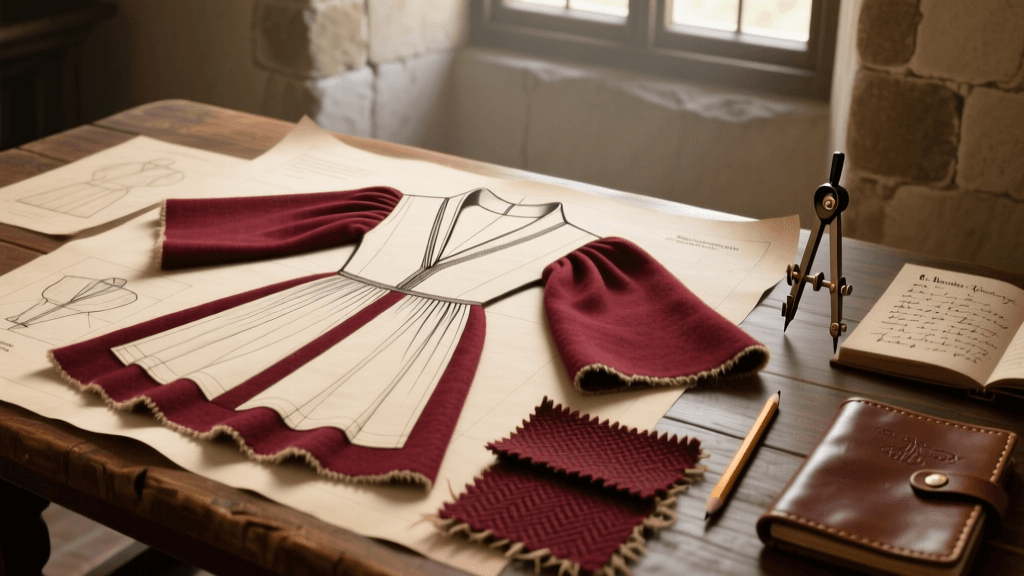
Ordering a Su Corsu from a Sardinian artisan requires precise measurements, as the bodice is designed to fit like armor, providing rigid back support and shaping the torso. When submitting your measurements to an atelier in 2026, provide the following in centimeters:
- Underbust Circumference: Measured snugly directly beneath the bust line.
- Overbust Circumference: Measured across the fullest part of the bust.
- Torso Length: Measured from the base of the neck (C7 vertebra) down to the natural waistline.
- Shoulder Span: Measured across the back from the outer edge of one shoulder bone to the other.
Pro Tip: Always specify the thickness of the blouse (sa camìsa) you intend to wear beneath the bodice, as traditional Sardinian blouses feature voluminous, gathered sleeves that require the bodice armholes to be cut slightly wider than modern standard tailoring.
Caring for Orbace Wool and Pibiones Textiles
Heritage garments require specialized care to ensure they survive for generations. Orbace wool contains high levels of natural lanolin, which makes it water-resistant but highly susceptible to damage from modern chemical detergents and high heat.
- Washing Orbace: Never machine wash or dry clean Orbace wool. Hand wash in cold water (below 20°C) using a pH-neutral wool wash or traditional olive oil-based soap. Do not wring the fabric; instead, press the water out by rolling the garment in a clean, dry towel.
- Cleaning Pibiones Aprons: Because the raised loops can easily snag, Pibiones textiles should be washed flat in a basin. Avoid scrubbing the surface. If the apron features natural dyes like madder root, add a splash of white vinegar to the final rinse water to help set the color and maintain its vibrancy.
- Storage: Store heavy Orbace cloaks and bodices flat or on wide, padded hangers to prevent shoulder dimpling. Never store natural wool in plastic bags, as this traps moisture and encourages mold. Instead, wrap garments in unbleached cotton muslin and store them in a cedar-lined chest to naturally repel moths.
Experiencing the Heritage Firsthand
If you wish to see these techniques in action, plan your visit around the island's premier textile festivals. The Sagra del Tappeto (Carpet and Textile Festival) in Samugheo, held annually in late summer, remains the premier event for witnessing live Pibiones looming and purchasing directly from the weavers. Additionally, the regional tourism portal offers updated 2026 itineraries for 'Routes of the Artisans,' guiding visitors through the remote mountain villages where the rhythmic clacking of the wooden floor looms still echoes through the cobblestone streets.
Investing in Sardinian folk dress is not merely about acquiring a beautiful garment; it is an act of cultural preservation. By supporting heritage brands and artisan cooperatives in 2026, you ensure that the ancient language of Sardinian textiles continues to be spoken for centuries to come.