Authentic Sardinian Orbace Wool Garments: 2026 Brand Guide
The Enduring Legacy of Sardinian Orbace Wool
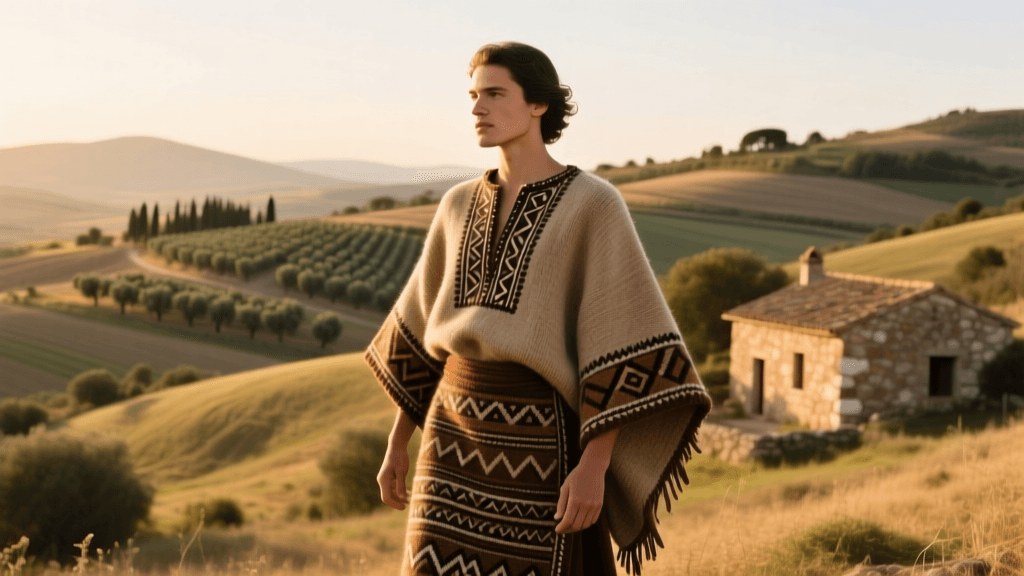
When discussing European folk dress, few textile traditions command the respect and fascination of Sardinia’s abito tradizionale sardo. At the very heart of this sartorial heritage is orbace (or orbaci), a coarse, incredibly durable, and naturally water-resistant sheep’s wool that has clothed the island’s shepherds, artisans, and nobility for centuries. As we navigate the slow-fashion and heritage revival movements of 2026, orbace has transitioned from a rural necessity to a highly sought-after luxury textile, championed by a new generation of Sardinian heritage brands and artisan cooperatives.
Orbace is woven on traditional wooden looms (telai) using wool from the indigenous Sardinian sheep breed. The secret to its legendary weather resistance lies in the high lanolin content, which is intentionally preserved during the washing and spinning processes. In 2026, with global consumers increasingly demanding sustainable, biodegradable, and hyper-local garments, authentic orbace wool represents the pinnacle of eco-conscious heritage fashion. However, sourcing genuine pieces requires navigating a complex landscape of regional cooperatives, bespoke tailors, and heritage certifications.
Regional Variations: Nuoro, Cagliari, and the Barbagia
Sardinian folk dress is not a monolith. According to the Regione Sardegna's official cultural portal, the island boasts over 400 distinct variations of traditional dress, often changing from one village to the next. Understanding these regional nuances is critical for collectors and heritage fashion enthusiasts in 2026.
- The Barbagia Region (Nuoro): Known for darker, heavier orbace garments designed for harsh mountain winters. The men’s gabbanu (a long, hooded wool coat) is a masterpiece of functional design, while women’s attire features intricate pleated skirts (munnedda) and heavily embroidered bodices.
- The Campidano Plains (Cagliari): Garments here are lighter, featuring brighter colors and elaborate silk blending. Orbace is often used for structured outer layers, while inner layers utilize fine linen and silk.
- Samugheo and the Marmilla: While famous globally for their intricate pibiones (grain-like raised weaving) textiles, the weavers of Samugheo also produce some of the finest, most tightly woven orbace fabrics on the island, highly prized by contemporary heritage tailors.
Top Heritage Brands and Artisan Cooperatives in 2026
Purchasing authentic Sardinian folk garments in 2026 rarely involves walking into a standard boutique. The most authentic pieces are commissioned directly from heritage cooperatives and master artisans. The ISRE (Istituto Superiore Regionale Etnografico) in Nuoro remains the premier institution for preserving these techniques, and many of the island's top weavers are affiliated with its educational and preservation programs.
1. ISOLA Certified Artisans
The ISOLA (Istituto Sardo Organizzazione Lavoro Artigiano) mark is your ultimate guarantee of authenticity in 2026. Cooperatives bearing this mark adhere to strict guidelines regarding the use of local wool, natural dyes (such as rubia tinctorum for reds and walnut husks for deep browns), and traditional loom weaving. Commissioning a bespoke gabbanu from an ISOLA-certified weaver in Nuoro ensures you are receiving a garment that meets 2026 sustainability standards while preserving centuries-old techniques.
2. Tessitura Artigianale di Samugheo
This historic cooperative continues to dominate the high-end heritage textile market. While they are famous for their carpets, their apparel-grade orbace and mixed-wool textiles are frequently purchased by luxury slow-fashion houses across Europe. For the private buyer, they offer bespoke yardage and finished traditional accessories, such as the sinturza (woven belt), which can be integrated into modern 2026 wardrobes.
3. Master Filigree Jewelers of Nuoro
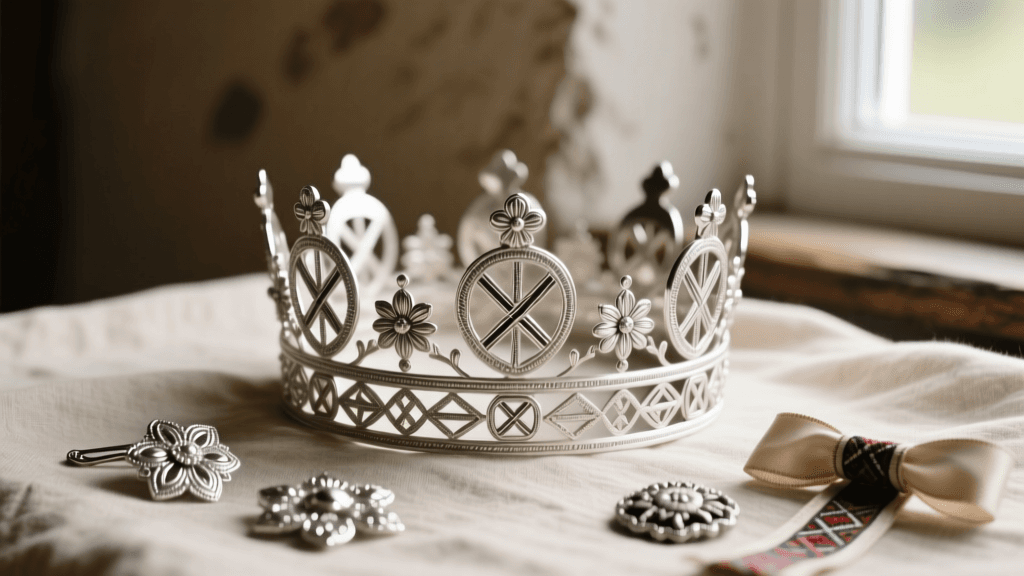
A Sardinian folk dress is incomplete without filigrana sarda (Sardinian filigree). The coritu (traditional bodice) is fastened not with standard hooks, but with elaborate silver or gold filigree buttons (buttones). In 2026, heritage jewelers in Nuoro and Cagliari are experiencing a massive resurgence in demand for these heirloom-quality buttons, which are now being commissioned as standalone luxury accessories and statement jewelry pieces.
2026 Pricing, Sourcing, and Lead Times
Because authentic Sardinian garments are entirely handmade using heritage methods, buyers must adjust their expectations regarding pricing and lead times. The table below outlines the current market rates and commissioning timelines for 2026.
| Garment Type | Traditional Name | 2026 Avg. Price (EUR) | Artisan Lead Time | Best For |
|---|---|---|---|---|
| Men's Wool Coat | Gabbanu | €450 - €780 | 8-14 Weeks | Winter Outerwear / Heritage Collecting |
| Women's Pleated Skirt | Munnedda | €380 - €650 | 6-12 Weeks | Festivals / Ceremonial Wear |
| Woven Wool Belt | Sinturza | €120 - €220 | 3-5 Weeks | Everyday Accessory / Modern Styling |
| Bridal Corset/Bodice | Coritu | €600 - €1,200 | 14-20 Weeks | Heirloom Investment / Bridal |
| Filigree Button Set | Buttones | €250 - €500 | 4-8 Weeks | Jewelry / Garment Fastening |
Note: International buyers should factor in 2026 EU export VAT regulations and specialized insured shipping for high-value heritage textiles, which typically adds 10-15% to the final cost.
How to Authenticate Genuine Sardinian Folk Garments
The rise in popularity of European folk dress has unfortunately led to an influx of mass-produced, synthetic knockoffs sold to tourists. To ensure you are investing in genuine Sardinian heritage in 2026, follow these authentication steps:
- Check for the Marchio di Origine e Qualità: Authentic pieces will often feature tags or certificates from ISOLA or local municipal artisan guilds verifying the geographic origin and material composition.
- The Burn Test (For Swatches): Genuine orbace is 100% sheep's wool. If a seller provides a swatch, burning a tiny fiber should smell like burning hair and leave a crushable ash, not a hard plastic bead.
- Examine the Loom Finish: Hand-woven orbace on a traditional telaio will have slight, beautiful irregularities in the weft. Machine-woven imitations will be perfectly uniform and lack the dense, lanolin-rich hand-feel of true heritage wool.
- Verify the Dyes: While some modern cooperatives use safe, colorfast synthetic dyes for vibrancy, the highest-end heritage brands will provide documentation of natural dye usage (e.g., woad for blues, madder for reds). Natural dyes possess a complex, multi-tonal depth that synthetics cannot replicate.
Integrating Sardinian Heritage into a 2026 Wardrobe
You do not need to wear a full abito tradizionale to appreciate Sardinian craftsmanship. The 2026 slow-fashion ethos is all about integration. A heavy, dark brown orbace gabbanu serves as a stunning, weather-proof statement coat over modern minimalist tailoring. Similarly, a vibrant, hand-woven sinturza belt can elevate a simple pair of denim trousers or a linen dress, providing a striking pop of geometric, pibiones-style texture. Filigree buttons can be repurposed by bespoke tailors onto modern blazers, bridging the gap between 18th-century village craftsmanship and 21st-century urban elegance.
Care and Maintenance for Heritage Textiles
Orbace and traditional Sardinian embroideries require specialized care to survive for generations. The preservation of these garments is a topic frequently highlighted by global heritage organizations, including UNESCO's Intangible Cultural Heritage initiatives, which stress the importance of maintaining the physical artifacts of traditional craftsmanship.
- Cleaning: Never machine wash orbace. The agitation and heat will cause the wool to felt and shrink catastrophically. Spot clean with cold water and a mild, lanolin-based wool soap. For deep cleaning, seek out a dry cleaner who specializes in heritage textiles and historical garments.
- Storage: Store wool garments in breathable cotton garment bags. Never use plastic, which traps moisture and encourages mold. Place natural cedar blocks or dried lavender sachets in the storage area to deter moths, which are highly attracted to the natural lanolin in the wool.
- Airing Out: Sardinian shepherds traditionally aired their garments in the shade on breezy days. Replicate this by hanging your orbace coat outside in a shaded, well-ventilated area for a few hours every season to naturally release trapped odors and moisture.
By investing in authentic Sardinian orbace garments and supporting the island's heritage cooperatives in 2026, you are not merely buying a piece of clothing; you are becoming a custodian of one of Europe's most resilient and beautiful textile traditions.