Norwegian Bunad Revival: Contemporary Styling Guide 2026
The 2026 European Folk Dress Renaissance
In 2026, the global fashion landscape is experiencing a profound shift toward 'heritage core,' a movement that prioritizes longevity, artisanal craftsmanship, and cultural storytelling over transient fast fashion. At the forefront of this European folk dress revival is the contemporary styling of traditional Scandinavian garments. No longer confined to annual national holidays or rural festivals, the Norwegian Bunad and the Swedish Folkdräkt are being reimagined by a new generation of sartorial enthusiasts who value modularity, sustainability, and deep historical roots. This guide explores how to seamlessly integrate these centuries-old textile traditions into a modern 2026 wardrobe, transforming historical artifacts into dynamic, everyday statement pieces.
The Philosophy of the 2026 Heritage Revival
The philosophy driving the 2026 folk dress revival is rooted in the concept of modular heritage. Historically, a complete Bunad or Folkdräkt was a rigid, head-to-toe ensemble governed by strict regional sumptuary laws and parish traditions. Today, contemporary stylists and textile historians advocate for a deconstructed approach. By isolating individual components—such as a hand-embroidered linen shift, a meticulously woven wool skirt, or an intricately cast silver belt—and pairing them with modern minimalist staples, wearers can honor the artisanal labor of the past while maintaining a distinctly modern silhouette. This approach not only makes heritage garments more accessible but also aligns perfectly with the 2026 ethos of sustainable, slow-fashion consumption.
Deconstructing the Norwegian Bunad
The Brystduk (Embroidered Vest) and Skjorte (Linen Shirt)
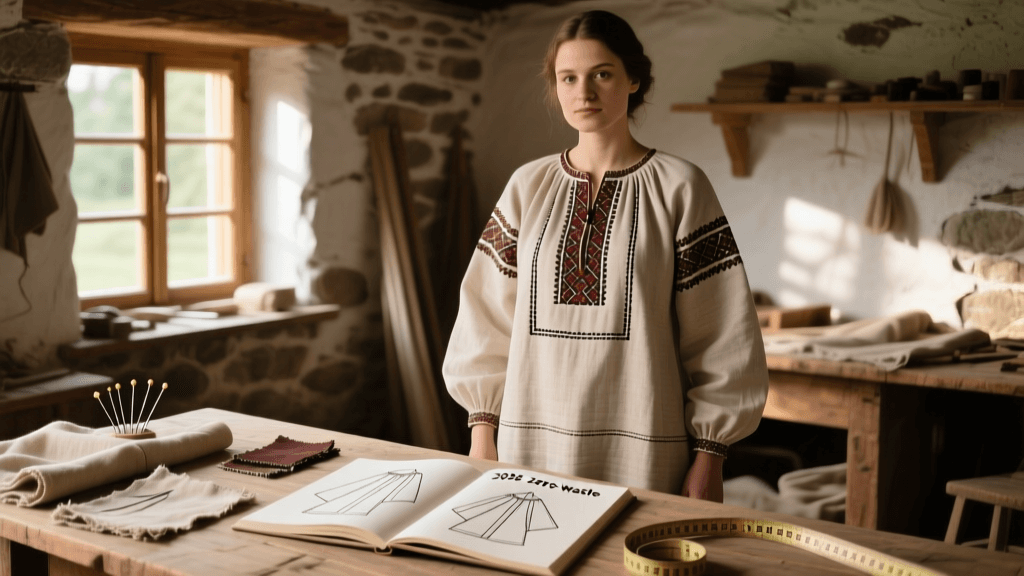
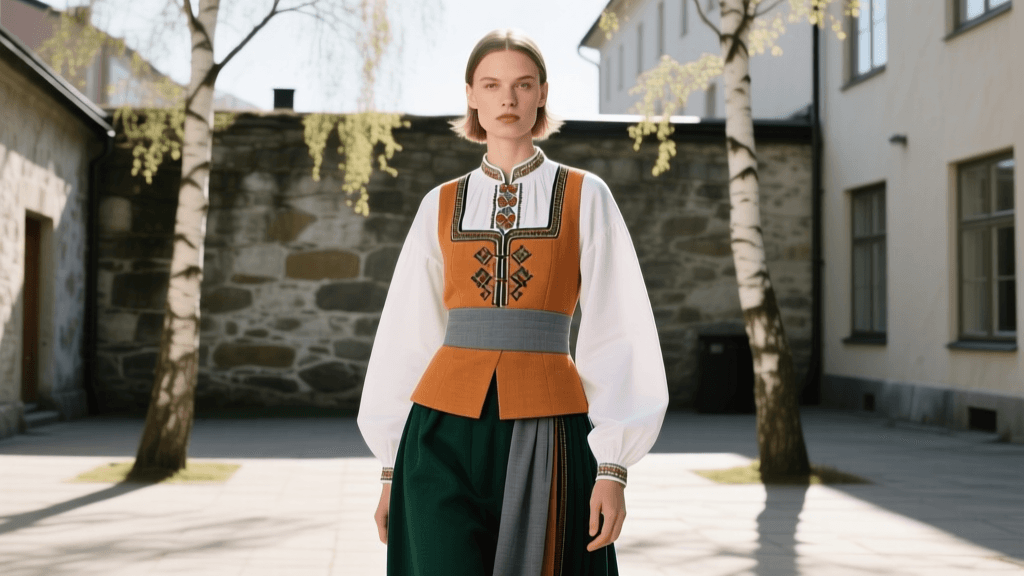
The foundation of many Norwegian regional Bunads, particularly those from the Telemark and Hardanger regions, is the skjorte (linen shirt) and the brystduk (woven or embroidered vest). In 2026, the traditional white linen shirt, often featuring exquisite Hardanger whitework embroidery at the cuffs and collar, is being styled as a standalone luxury blouse. Pairing a historically accurate, hand-stitched linen skjorte with high-waisted, wide-leg denim or a sleek, tailored midi skirt bridges the gap between 19th-century agrarian life and the modern urban office. The brystduk, traditionally worn over the shirt and pinned with silver, is now frequently layered over contemporary turtlenecks in the winter or worn as a structured, sleeveless top over a silk slip dress during the summer months. The juxtaposition of heavy, historically dyed wool against fluid modern silks creates a striking visual tension that defines the 2026 heritage aesthetic.
Reimagining the Stakk (Wool Skirt)
The stakk, or traditional wool skirt, is perhaps the most versatile component of the Bunad for contemporary integration. Woven from premium Norwegian sheep's wool and often dyed using natural botanical sources like woad (blue) or madder root (red), these skirts are masterclasses in durability and drape. In 2026, fashion-forward individuals are abandoning the traditional pleated, ankle-length styling in favor of wearing the stakk with a modern twist. A popular contemporary look involves belting a slightly shortened, custom-tailored Gudbrandsdal wool skirt with a minimalist leather corset belt and pairing it with knee-high leather riding boots. The rich, saturated colors and dense weave of the heritage wool provide a luxurious, tactile contrast to the sleek, modern accessories, embodying the 'quiet luxury' trend that continues to dominate the 2026 fashion cycle.
Swedish Folkdräkt: Linen and Weaves for Urban Summers
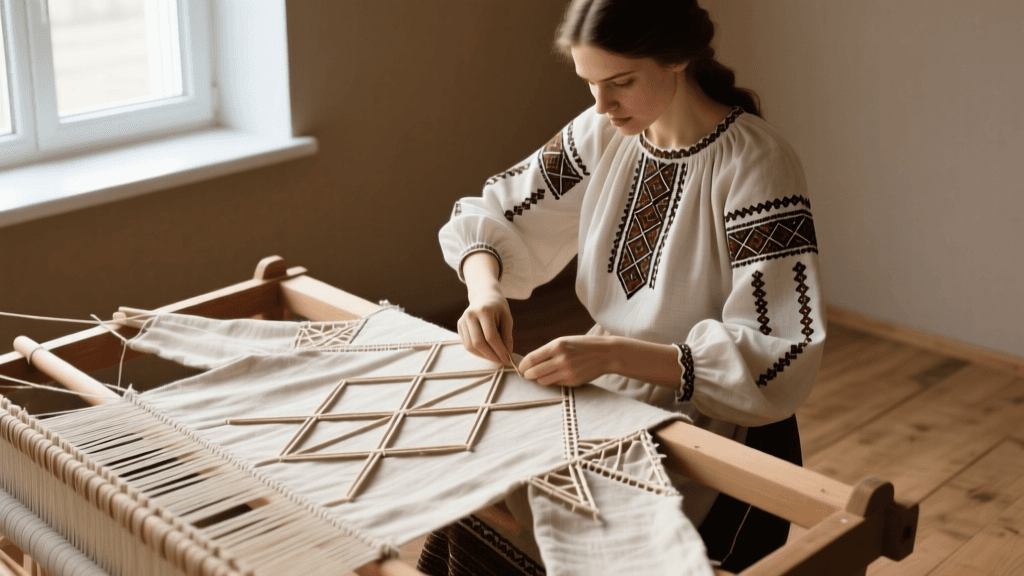
While the Norwegian Bunad often leans into heavy wools and dramatic silver, the Swedish Folkdräkt, particularly from the Dalarna region, offers a lighter, more textile-focused approach that is perfect for the warmer months. The traditional särk (linen shift) and the förkläde (woven apron) are experiencing a massive resurgence in 2026 urban street style. The särk, with its delicate smocking and lace inserts, is being worn as an ethereal summer dress, layered over modern cotton bralettes and paired with woven leather sandals. Meanwhile, the förkläde—traditionally a protective garment featuring complex, region-specific stripe patterns woven on floor looms—is now being styled as a wrap skirt or even repurposed as a structured, oversized scarf draped over tailored linen blazers. According to textile archives at the Nordiska Museet, the revival of these specific weaving techniques has sparked a renewed interest in traditional Swedish flax cultivation and natural dyeing processes, making the Folkdräkt a beacon of ecological fashion in 2026.
Accessorizing with Sølje and Heritage Silver
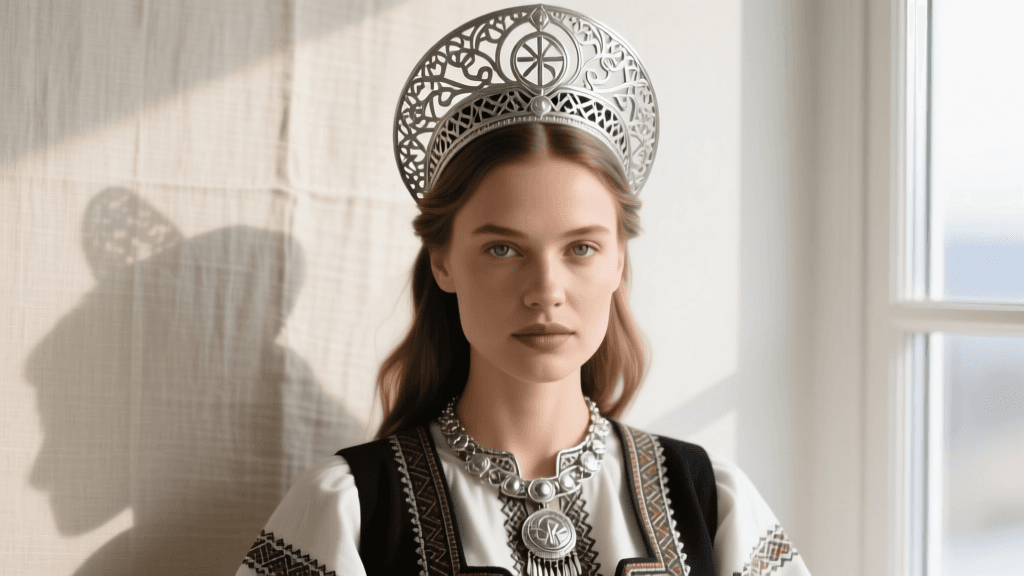
No discussion of Scandinavian folk dress is complete without addressing the sølje, the traditional Norwegian silver jewelry that historically served as a portable form of wealth and a talisman against evil spirits. In 2026, the maximalist approach of wearing dozens of silver filigree brooches, hairpins, and belt buckles simultaneously is being replaced by a curated, minimalist styling technique. A single, large Telemark sølje brooch is now frequently used to fasten the lapel of an oversized, modern wool overcoat or to cinch the waist of a contemporary slip dress. The oxidized, antique finish of heritage silver provides a stunning, organic contrast to the clean lines and neutral palettes of modern minimalist wardrobes. For those seeking authentic pieces, the Bunadraadet (The Norwegian Bunad Council) provides extensive registries of certified silversmiths who are reviving historical casting methods using ethically sourced, recycled metals, aligning ancient craftsmanship with modern environmental standards.
Traditional vs. Contemporary Styling Matrix
To help visualize how to transition these garments from historical archives to your 2026 closet, we have compiled a styling matrix that contrasts traditional usage with contemporary pairings.
| Garment Component | Traditional Context | 2026 Contemporary Pairing | Approx. 2026 Investment |
|---|---|---|---|
| Skjorte (Linen Shirt) | Undergarment with Hardanger embroidery | Standalone blouse with wide-leg denim | $250 - $450 |
| Brystduk (Wool Vest) | Pinned bodice over linen shift | Structured top over silk slip dress | $300 - $600 |
| Stakk (Wool Skirt) | Ankle-length pleated skirt | Custom-hemmed midi with leather corset belt | $400 - $1,200 |
| Sølje (Silver Brooch) | Multiple brooches for wealth display | Single statement piece on wool overcoat lapel | $150 - $800 |
| Förkläde (Woven Apron) | Protective woven waist garment | Oversized wrap scarf over linen blazer | $200 - $500 |
Sourcing and Sustainability in 2026
Acquiring authentic components for your heritage wardrobe requires navigating a landscape of specialized artisans and sustainable mills. In 2026, the demand for historically accurate, naturally dyed textiles has led to a renaissance among Scandinavian wool mills. Institutions like Norges Husflidslag (The Norwegian Craft Association) have launched digital portals connecting global buyers directly with regional weavers and embroiderers. When sourcing a stakk or brystduk, expect to invest between $400 and $1,200 for authentic, hand-finished pieces. While the initial cost is high, the cost-per-wear of a heritage wool garment, which can easily last multiple generations with proper care, is remarkably low. Furthermore, supporting these artisanal networks ensures the survival of endangered textile techniques, from intricate bead embroidery to complex tablet weaving, which are increasingly threatened by mass-produced costume imitations.
Caring for Heritage Textiles in Modern Homes
Integrating folk dress into a modern wardrobe also necessitates a modern approach to garment care. The dense, lanolin-rich wools used in traditional Bunads are naturally antimicrobial and water-resistant, meaning they require far less washing than modern synthetic blends. In 2026, the standard of care involves airing garments outdoors in humid conditions to naturally release odors and utilizing specialized, pH-neutral botanical cleaners only when absolutely necessary. Embroidered linen shifts should be hand-washed in cold water with mild soap and dried flat to preserve the structural integrity of the Hardanger cutwork. Storing these pieces requires acid-free tissue paper and breathable cotton garment bags to protect the natural dyes from UV degradation and to prevent silver components from tarnishing due to environmental humidity.
Conclusion
The 2026 revival of European folk dress is not merely a nostalgic look backward; it is a forward-thinking approach to personal style that champions sustainability, cultural preservation, and artisanal excellence. By deconstructing the Norwegian Bunad and the Swedish Folkdräkt, and reimagining their components through a contemporary lens, we can build wardrobes that are deeply meaningful, visually striking, and built to endure. Whether you are fastening a centuries-old silver brooch to a modern blazer or wrapping yourself in a naturally dyed wool skirt, you are participating in a living, breathing textile tradition that continues to evolve with every generation.