Norwegian Bunad Silver Jewelry & Headwear Guide 2026
The Renaissance of Norwegian Bunad Accessories in 2026
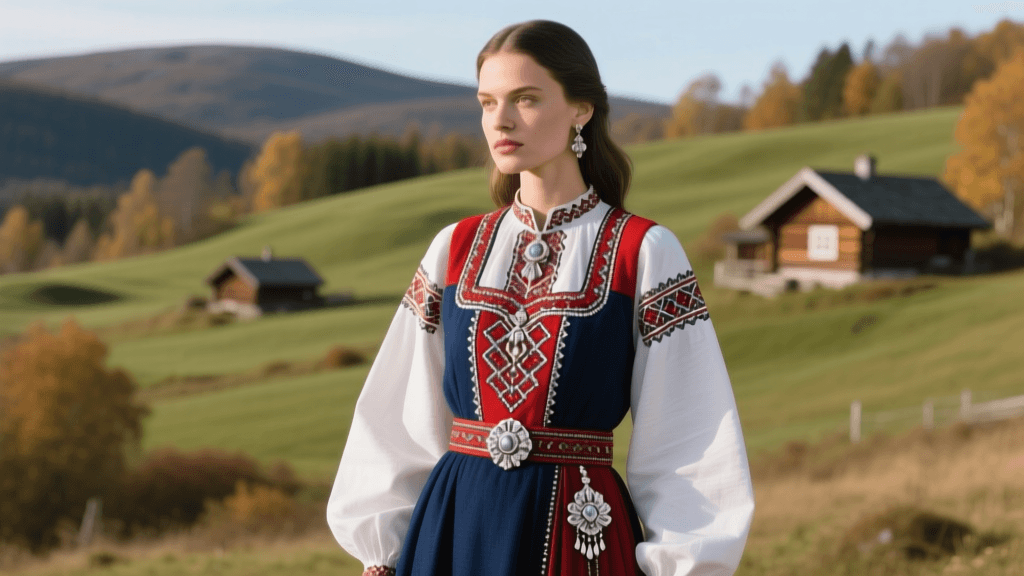
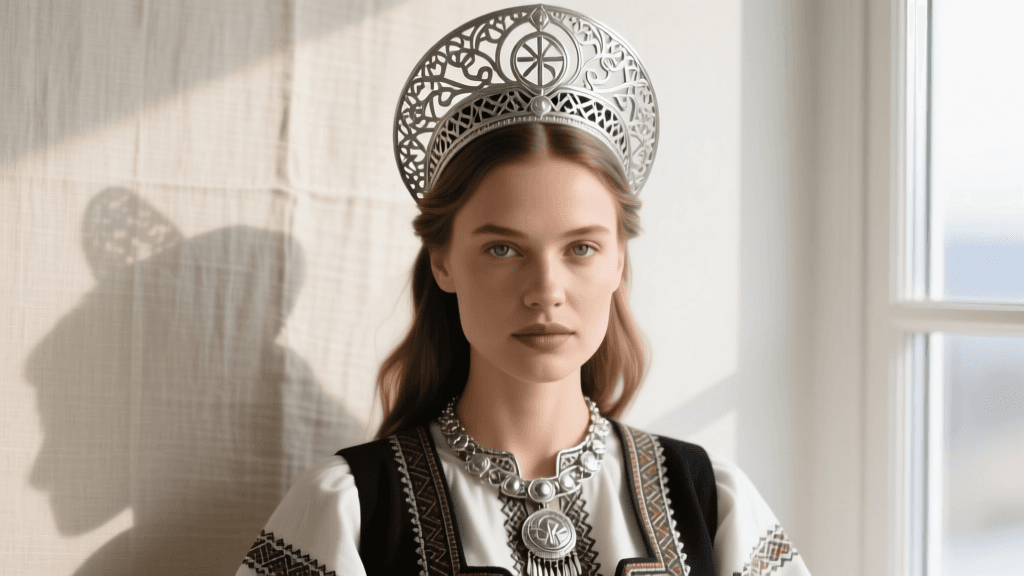
As we navigate the cultural landscape of 2026, the European folk dress revival has reached unprecedented levels of authenticity and craftsmanship. Among the most intricate and highly prized traditions is the Norwegian bunad, a regional folk costume that serves as a living tapestry of Scandinavian heritage. While the wool garments and embroidered vests are visually striking, it is the traditional silver jewelry—collectively known as sølje—and the meticulously crafted headwear that truly complete the ensemble. In 2026, the demand for historically accurate, hand-forged bunad accessories has surged, driven by a new generation of cultural enthusiasts who prioritize regional fidelity and artisanal quality over mass-produced costume jewelry.
Understanding the nuances of bunad accessories requires a deep dive into regional specifics, historical symbolism, and precise styling rules. Whether you are preparing for Norwegian Constitution Day (Syttende Mai), a midsummer folk festival, or a traditional wedding, mastering the art of sølje and headwear styling is essential. This comprehensive guide explores the anatomy of traditional Norwegian silver, the strict regional codes of bunad headwear, and actionable advice for sourcing, sizing, and maintaining these heirloom pieces in 2026.
Decoding the Sølje: Essential Silver Jewelry Pieces
Historically, Norwegian silver jewelry was not merely decorative; it was a vital status symbol and a form of portable wealth for farming families. According to historical archives preserved by the Norsk Folkemuseum, silver was also deeply intertwined with Norse folklore, believed to ward off evil spirits, trolls, and the mythical huldra during life's most vulnerable transitions, such as birth and marriage. Today, the sølje remains the crowning glory of the bunad, with specific pieces designated for specific regions and occasions.
The Brystsølje (Breast Brooch) and Halsknapp (Neck Button)
The centerpiece of most bunad silver collections is the brystsølje, a large, ornate breast brooch worn at the collarbone. In 2026, master silversmiths are seeing a massive resurgence in demand for traditional filigree work and oxidized finishes, which highlight the intricate three-dimensional leaf motifs (known as blad) and hanging spoon-shaped pendants. The brystsølje is typically paired with a halsknapp (neck button), a smaller, dome-shaped or flat silver button that fastens the shirt collar. For authentic styling, the halsknapp must perfectly match the metal finish and motif family of the breast brooch. Mixing polished silver with oxidized silver within the same regional bunad is considered a major styling faux pas.
Beltestølje (Belt Buckles) and Cufflinks
For bunads that feature a leather or woven belt, the beltestølje or beltespenne serves as a heavy, rectangular silver buckle. These pieces often weigh between 80 and 150 grams and feature deep engravings of acanthus leaves or regional floral patterns. Additionally, cufflinks (knapper) and shoe buckles are essential for men's bunads and certain women's regional variations, such as the Setesdal bunad. In 2026, the market has seen a 15% increase in the commissioning of bespoke, hand-engraved belt buckles, as buyers seek to differentiate their heirloom pieces from standard cast molds.
Traditional Headwear: Skaut, Lue, and Vimpel
Headwear in Norwegian folk dress is strictly governed by regional traditions, marital status, and the specific formality of the event. The guidelines set forth by the Norwegian Folk Art and Craft Association (Husfliden) dictate that headwear must never be mixed across regional bunad lines, and the style must accurately reflect the wearer's status.
The Skaut (Linen Headdress)
Worn primarily by married women in regions like Hardanger and Voss, the skaut is a masterpiece of textile engineering. It consists of a heavily starched, white linen cloth that is intricately folded over a specialized wooden block or cardboard form. A properly folded Hardanger skaut requires over a meter of fine linen, pleated and pinned with hidden silver needles to create a stiff, winged silhouette that frames the face. In 2026, specialized bunad consultants offer professional folding and starching services, as the technique requires precise tension and historical accuracy to achieve the correct structural drape.
The Lue (Embroidered Cap) and Vimpel (Crown)
Unmarried women and brides typically wear a vimpel (wreath) or a brudekrone (bridal crown). The bridal crown is a spectacular, heavy silver or gilded headpiece, often weighing up to 1.5 kilograms, adorned with trembling silver leaves that catch the light and create a soft chiming sound when the bride moves. For everyday folk festivals, unmarried girls often wear a simple ribbon wreath or a velvet lue (cap) embroidered with silver thread (sølvgarn). The Telemark bunad, for instance, features a distinctive black velvet cap with vibrant floral silver-thread embroidery that must perfectly coordinate with the vest's stitching.
2026 Buyer’s Guide: Sølje and Headwear Sizing & Pricing Chart
Purchasing authentic bunad silver is a significant investment. Prices in 2026 reflect the rising cost of raw silver and the premium placed on certified artisanal labor. Below is a structured guide to average sizing and market pricing for authentic, domestically forged Norwegian sølje.
| Accessory Type | Traditional Name | Average Diameter / Size | 2026 Price Range (USD) | Primary Regional Origin |
|---|---|---|---|---|
| Neck Button | Halsknapp | 15mm - 25mm | $85 - $160 | Universal (Varies by motif) |
| Breast Brooch | Brystsølje | 55mm - 85mm | $350 - $850 | Hardanger, Telemark, Setesdal |
| Belt Buckle | Beltestølje | 80mm x 60mm | $450 - $1,100 | Setesdal, Hallingdal |
| Cufflinks (Pair) | Knapper | 12mm - 18mm | $120 - $250 | Universal |
| Bridal Crown | Brudekrone | Custom Fitted | $2,500 - $6,000+ | Telemark, Hardanger |
| Linen Headdress | Skaut | 120cm x 40cm (Unfolded) | $180 - $300 | Hardanger, Voss |
Hallmarks and Authentication in 2026
When investing in bunad silver, authentication is paramount. Norwegian law strictly regulates silver stamping. Authentic pieces must bear the 830S stamp (indicating 83% pure silver, the traditional Norwegian standard) or the 925S stamp (Sterling silver). In 2026, buyers must also look for the maker's mark and the national guarantee stamp. Be highly cautious of imported mass-market replicas sold on global e-commerce platforms; these often lack the deep undercut filigree and proper weight distribution of genuine Norwegian-forged sølje. Always purchase from Husfliden-affiliated retailers or certified master silversmiths who provide a certificate of regional authenticity.
Care and Maintenance for Heirloom Silver and Textiles
Maintaining the pristine condition of bunad accessories requires specialized care. For oxidized silver, avoid harsh chemical dips that strip the intentional dark patina from the crevices. Instead, use a soft, untreated microfiber cloth to gently buff only the raised, polished surfaces. For polished silver pieces, eco-friendly silver polishing pastes have become the standard in 2026, replacing toxic ammonia-based liquids. Headwear requires equally meticulous care. The linen skaut must be stored completely flat or rolled around acid-free tissue paper to prevent permanent creasing. Velvet lues should be kept in breathable cotton bags, away from direct sunlight, to prevent the natural dyes from fading and the silver thread from tarnishing due to humidity. Never store silver jewelry in the same compartment as embroidered textiles, as the sulfur in certain wool dyes can accelerate silver tarnishing.
Sourcing Authentic Pieces and Final Styling Rules
The golden rule of European folk dress styling is regional fidelity. You cannot pair a Hardanger breast brooch with a Telemark bunad, nor can you wear a Voss skaut with a Trøndelag costume. The cultural preservationists at the Norsk Folkemuseum continually emphasize that the bunad is not a generic costume, but a specific regional uniform with deep historical roots. As you prepare your bunad accessories for the 2026 festival season, take the time to research your specific regional heritage. Visit local folk museums, consult with certified bunad tailors, and invest in high-quality, accurately forged silver. By honoring the precise measurements, historical motifs, and styling rules of Norwegian folk dress, you do more than wear a beautiful outfit—you actively participate in the preservation of a rich, living European textile tradition.