Baltic Amber Jewelry and Vainikas Headwear Guide 2026
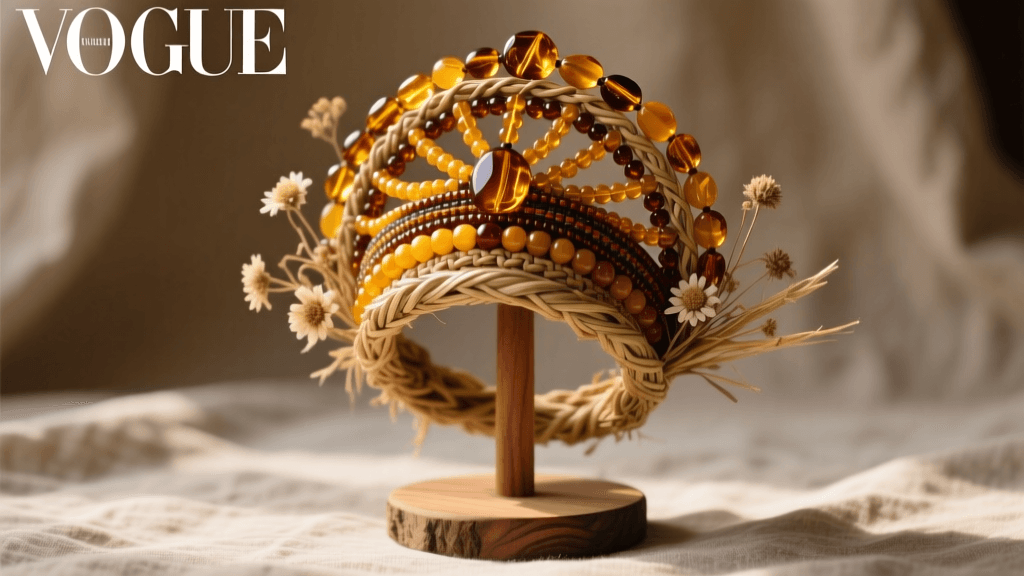
The 2026 Dainų Šventė: A Revival of Baltic Adornment
As preparations reach a fever pitch for the 2026 Lithuanian Song and Dance Celebration (Dainų šventė), interest in authentic Baltic folk dress has surged to unprecedented levels. Held every four years, this UNESCO-recognized festival transforms Vilnius into a living tapestry of regional textiles, intricate beadwork, and ancestral headwear. For enthusiasts and practitioners of European folk dress, no Baltic ensemble is complete without its two most iconic accessories: gintaras (Baltic amber) jewelry and the vainikas (traditional floral crown).
In 2026, the intersection of historical accuracy and modern craftsmanship has redefined how these accessories are sourced, constructed, and worn. Whether you are attending the upcoming summer solstice festivals (Joninės), participating in a regional dance troupe, or simply integrating Baltic heritage into your historical wardrobe, understanding the material culture of these accessories is essential. This guide provides actionable insights into sourcing genuine amber and constructing durable, historically inspired headwear for the modern festival season.
Sourcing Authentic Baltic Amber (Gintaras)
Baltic amber is not a stone, but fossilized resin from extinct Pinus succinifera forests that thrived over 40 million years ago. In Lithuanian mythology, amber is said to be the shattered remains of the underwater palace of Jūratė, the sea goddess, destroyed by the thunder god Perkūnas after she fell in love with a mortal fisherman. Today, it remains the cornerstone of Baltic folk jewelry, traditionally strung into heavy, multi-strand necklaces or sewn directly onto the liemenė (bodice) and juosta (woven sash).
The 2026 market has seen an influx of sophisticated counterfeits, primarily made from copal (immature resin) and synthetic polymers. When sourcing amber for traditional dress, buyers must be vigilant. The Palanga Amber Museum recommends several non-destructive tests for verification:
- The Saltwater Test: Genuine Baltic amber has a specific gravity of 1.05-1.10. In a saturated saltwater solution (1 part salt to 2 parts water), real amber will float, while most plastics and glass will sink.
- The UV Light Test: Under ultraviolet light, authentic Baltic amber fluoresces a pale blue or milky green. Copal and plastic typically show a dull or white reflection.
- The Electrostatic Test: Rubbing real amber vigorously on a natural wool cloth generates a static charge strong enough to pick up small pieces of tissue paper.
2026 Amber Market Pricing and Grading
When commissioning or purchasing folk jewelry, understanding current market valuations ensures you pay fair prices for heirloom-quality pieces. Below is the 2026 pricing matrix for raw and worked Baltic amber.
| Amber Grade / Type | Visual Characteristics | 2026 Avg. Price (EUR/gram) | Best Application in Folk Dress |
|---|---|---|---|
| Raw / Unpolished | Matte, natural crust, irregular shapes | €2.50 - €4.50 | Rustic bodice accents, heavy multi-strand festival necklaces |
| Polished Drops (Cognac) | Smooth, high clarity, warm golden-brown | €5.00 - €9.00 | Traditional wedding necklaces, rosary-style beadwork |
| Cloudy / Opaque (Butterscotch) | Dense, creamy yellow, lacks transparency | €6.00 - €12.00 | Carved pendants, contrasting bead spacers |
| Inclusion Amber | Contains prehistoric flora or fauna | €15.00 - €60.00+ | Heirloom centerpiece pendants, museum-grade replicas |
The Vainikas: Crafting the Traditional Floral Crown
While amber represents the enduring, eternal aspects of Baltic culture, the vainikas represents youth, vitality, and the fleeting beauty of nature. Historically worn by unmarried women, the floral crown is an indispensable element of the maiden's folk costume. According to the National Museum of Lithuania, the specific botanical composition of a vainikas often indicated the wearer's specific region, with highland (Aukštaitija) crowns favoring vibrant wildflowers and lowland (Žemaitija) crowns incorporating more structured greenery and metallic threads.
For the 2026 festival season, folk artisans are moving away from purely fresh, perishable flowers—which wilt under the summer sun during long dance performances—and adopting 'hybrid' construction techniques. These methods combine preserved botanicals with high-grade silk and structural wire armatures, ensuring the headwear survives rigorous festival schedules while maintaining historical accuracy.
Step-by-Step Vainikas Construction Guide
Creating a durable, historically inspired vainikas requires specific materials and a methodical approach to structural integrity.
- Prepare the Armature: Cut a 22-gauge floral wire to match the circumference of the wearer's head, adding two inches for overlap. Wrap the wire tightly in green floral tape to prevent rust and provide a gripping surface for adhesives.
- Establish the Base Foliage: Traditionally, oak leaves (Quercus robur) and rue (Ruta graveolens) form the base. For a 2026 hybrid crown, use preserved glycerin-treated oak leaves. Cluster them in groups of three and bind them to the wire using 28-gauge paddle wire, overlapping each cluster to hide the stems.
- Integrate the Focal Flora: Add your primary blossoms. Cornflowers (Centaurea cyanus) and daisies are historically accurate. If using high-quality silk replicas, secure them with a micro-dot of hot glue at the base of the calyx, reinforcing with a single wrap of floral wire.
- Attach the Ribbons (Kaspinai): The back of the vainikas traditionally features long, woven silk ribbons that trail down the wearer's back. Cut two lengths of 100% silk ribbon (approx. 60cm each). Fold the ends to prevent fraying, and stitch them securely to the inner rear of the wire armature using heavy-duty linen thread.
- Final Shaping and Comfort Lining: Bend the armature into a perfect circle, twisting the ends together. To ensure comfort during long hours of wear, line the inner front half of the crown with a thin strip of velvet or soft cotton, secured with fabric glue.
Regional Variations: Lithuanian Vainikas vs. Latvian Vainags
When assembling a complete folk ensemble, it is crucial not to mix regional accessories. While the Lithuanian vainikas is predominantly botanical, the neighboring Latvian vainags takes a distinctly different structural approach. The Latvian crown, particularly from the Vidzeme and Kurzeme regions, is often a rigid, band-like structure heavily encrusted with glass beads, metallic spangles, and sometimes small mirrors. In 2026, Latvian artisans are reviving the use of hand-blown glass beads sourced from local kilns in Sigulda, replacing the mass-produced plastic beads that flooded the market in the early 2000s. If your textile base is a Lithuanian marškinėliai (linen shirt), pair it with the soft floral vainikas; if you are wearing a heavily pleated Latvian skirt with a bronze sakta (brooch), the rigid, beaded vainags is the correct historical choice.
Cultural Etiquette and Modern Styling
Wearing traditional European folk dress requires an understanding of cultural semiotics. The vainikas, as a symbol of maidenhood, was historically removed upon marriage, replaced by the nuometas (wimple) or kykas (horned cap). In contemporary 2026 folk revivals, while strict adherence to marital status markers is relaxed, wearing the crown with reverence for its symbolic weight remains important among traditional dance troupes.
When styling amber necklaces, layering is key to achieving the authentic silhouette. A traditional ensemble often features a choker-style strand of small, 4mm polished beads sitting close to the collarbone, followed by a longer, heavier strand of 12mm raw or cloudy amber drops resting against the linen collar of the shirt. This creates a visual weight that balances the heavily embroidered sleeves and the vibrant, pleated wool skirts.
Preservation and Care of Heirloom Accessories
Proper maintenance ensures these accessories can be passed down as genuine heirlooms. Baltic amber is relatively soft (2.0-2.5 on the Mohs scale) and can easily scratch. Never use ultrasonic cleaners, harsh chemicals, or alcohol on amber, as this will strip its natural polish and cause micro-fractures. Instead, clean amber jewelry using a soft, lint-free microfiber cloth lightly dampened with warm water and a drop of pH-neutral castile soap. Dry immediately and store in a soft velvet pouch away from direct sunlight, which can cause the amber to oxidize and darken excessively over time.
For hybrid botanical crowns, storage is equally critical. Never stack a vainikas in a drawer, as the wire armature will bend and the preserved foliage will crush. Store the crown on a dedicated wooden or foam wig stand, covered with a breathable cotton garment bag to protect it from dust and UV fading. Silica gel packets placed inside the storage bag will help regulate humidity, preventing the glycerin-treated leaves from becoming tacky in humid summer months.
As the 2026 cultural festival season approaches, investing time in sourcing genuine materials and mastering traditional construction techniques will elevate your European folk dress from a simple costume to a profound, wearable expression of Baltic heritage. For further reading on festival schedules and traditional garment regulations, consult the official Dainų šventė archives and guidelines.