Sardinian Pibiones Weaving: Top Heritage Brands 2026
The Renaissance of Sardinian Pibiones Weaving in 2026
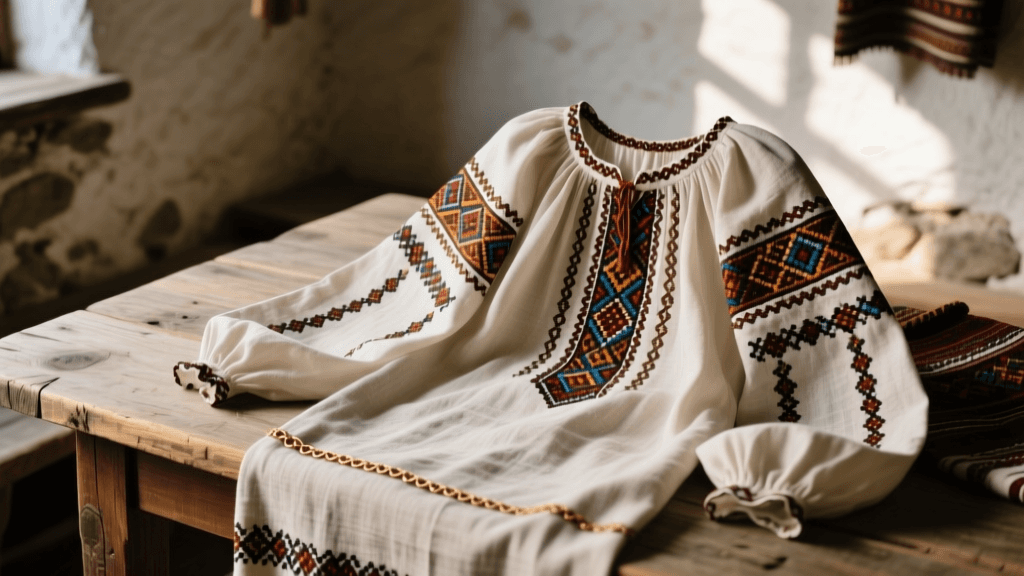
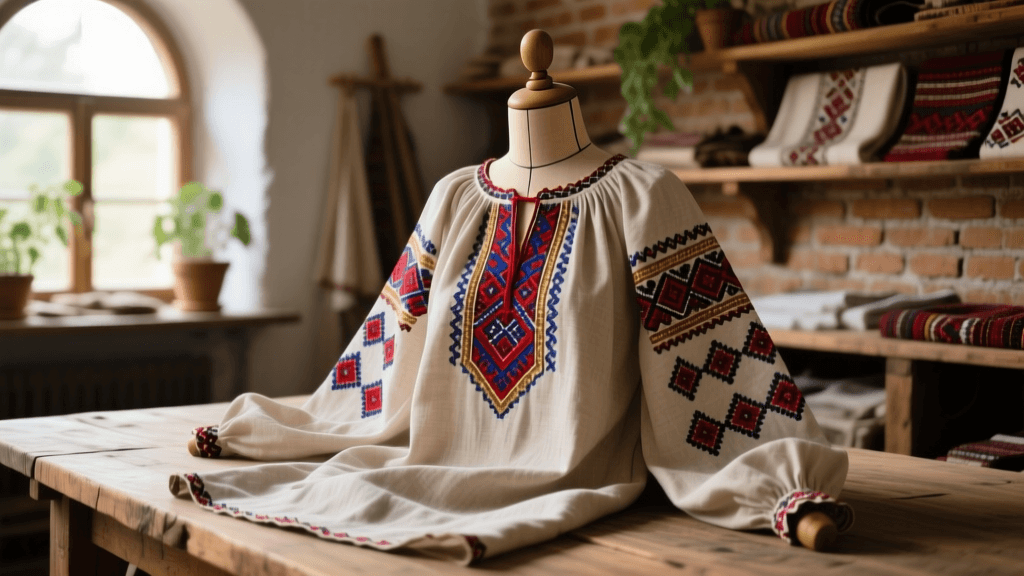
When discussing the zenith of European folk dress and textile heritage, few traditions command as much reverence as the Sardinian Pibiones weaving technique. Originating from the rugged, mountainous interior of Sardinia, Italy, this intricate method of creating raised, grain-like textures on hand-loomed fabrics has experienced a monumental revival. As we navigate the artisan market in 2026, the demand for authentic, handcrafted regional garments has surged, driven by a global appreciation for slow fashion, sustainable practices, and profound cultural storytelling.
Pibiones, which translates to 'grains' or 'berries' in the Sardinian dialect, refers to the distinctive raised bumps that form the decorative patterns on the textile. These textiles are not merely fabrics; they are the foundational elements of traditional Sardinian folk costumes, particularly the elaborate skirts, aprons, and shawls worn during iconic cultural festivals like the Cavalcata Sarda and the Sagra di Sant'Efisio. In 2026, heritage brands and weaving cooperatives in the village of Samugheo are at the forefront of preserving this ancient craft while adapting it for contemporary collectors and cultural preservationists.
The Anatomy of the Pibiones Technique
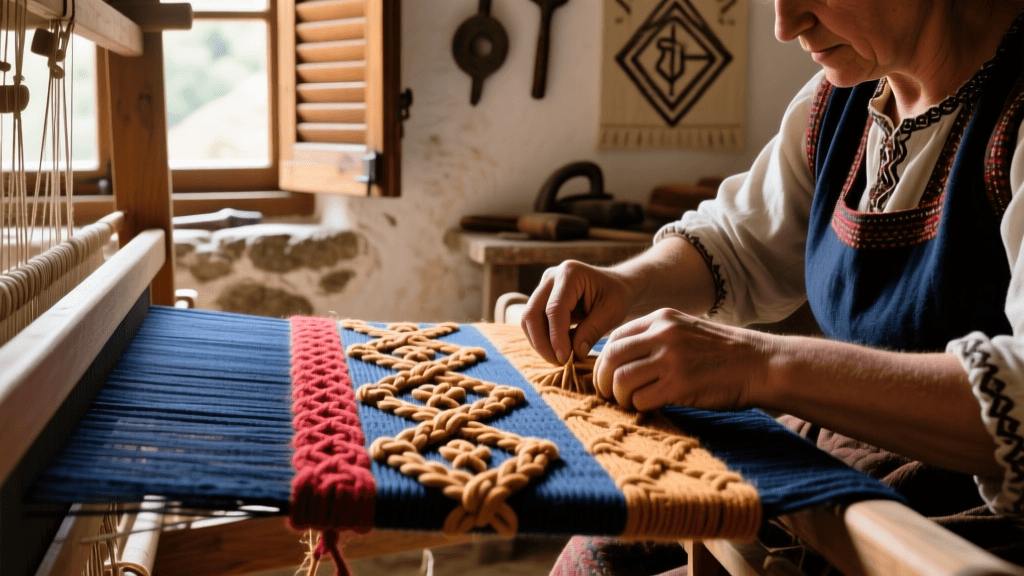
To truly appreciate the value of a Pibiones textile, one must understand the painstaking mechanics of its creation. The technique utilizes a traditional wooden floor loom and requires a supplementary weft thread. As documented by the cultural archives at Sardegna Cultura, the weaver employs a smooth wooden or metal rod, known as a cannuccia, to create the raised loops.
The process unfolds as follows:
- Shed Formation: The weaver opens the shed of the warp threads on the loom.
- Rod Insertion: The cannuccia is laid across the warp according to a precise, often memorized, geometric pattern.
- Looping: The supplementary, usually thicker, weft thread is passed over the rod, creating a raised loop or 'grain'.
- Beating and Securing: The standard weft is passed through and beaten tightly with the reed, locking the raised grain into place before the rod is removed.
This rhythmic, highly coordinated process means that a skilled artisan can produce only a few centimeters of intricate Pibiones fabric per hour. The resulting textile is remarkably durable, heavily textured, and visually striking, featuring motifs that range from stylized flora and fauna to ancient protective symbols.
Top Heritage Brands and Cooperatives in Samugheo
The village of Samugheo is universally recognized as the epicenter of Pibiones weaving. In 2026, several heritage brands and cooperatives stand out for their unwavering commitment to traditional methods, natural dyeing, and fair-wage employment for local female artisans.
Mariantonia Urru Atelier
Mariantonia Urru is arguably the most celebrated name in contemporary Sardinian weaving. Having dedicated her life to rescuing the Pibiones technique from the brink of extinction in the late 20th century, her atelier in 2026 operates as both a production house and a living museum. The Urru workshop is renowned for its meticulous recreation of 18th and 19th-century folk costume elements, particularly the scialle frangiato (fringed shawl) and the pannedda (traditional apron).
In 2026, the atelier has also expanded its repertoire to include heritage-inspired home textiles and contemporary fashion accessories, all utilizing the exact same hand-loomed Pibiones technique. Their use of naturally dyed yarns—sourced from local madder root, walnut husks, and saffron—ensures that every piece is an eco-friendly masterpiece. As highlighted by the Homofaber Guide, Urru's workshop represents the gold standard for European artisanal excellence, blending ancestral knowledge with modern design sensibilities.
Cooperativa Artigiana di Samugheo
Founded to protect the livelihoods of local weavers and ensure the transmission of skills to younger generations, the Cooperativa Artigiana di Samugheo is a vital community institution. Unlike private ateliers, the cooperative operates on a model of shared resources and collective marketing. In 2026, the cooperative has introduced an immersive 'Weaver for a Day' program, allowing textile enthusiasts to sit at the loom and attempt the Pibiones technique under the guidance of master weavers.
The cooperative's output is heavily focused on traditional garment components. They are the premier source for the heavy, dark woolen skirts (cambusciu) adorned with vibrant Pibiones borders, which remain a staple for Sardinian folk dance troupes and cultural associations across the island.
2026 Pricing and Sourcing Guide
Investing in authentic, hand-loomed Sardinian folk garments and textiles is a significant financial commitment, reflecting the hundreds of hours of skilled labor required. Below is a comprehensive pricing and specification table for authentic Pibiones items available directly from Samugheo heritage brands in 2026.
| Item Description | Primary Material | Dimensions | 2026 Average Price (EUR) | Lead Time |
|---|---|---|---|---|
| Traditional Fringed Shawl (Scialle) | 100% Virgin Sardinian Wool | 180 cm x 70 cm | €850 - €1,200 | 3 - 4 Months |
| Folk Costume Apron (Pannedda) | Wool/Cotton Blend, Silk threads | 90 cm x 60 cm | €450 - €650 | 2 - 3 Months |
| Pibiones Border Trim (per meter) | Cotton warp, Wool weft | 100 cm x 15 cm | €120 - €180 | 1 - 2 Months |
| Heritage Table Runner | Organic Cotton and Linen | 250 cm x 40 cm | €380 - €500 | 2 Months |
| Complete Folk Skirt (Cambusciu) | Heavyweight Black Wool | Custom Tailored | €1,500 - €2,200 | 5 - 6 Months |
Note: Prices reflect direct purchases from the artisan workshops in 2026. Purchasing through international luxury boutiques or third-party galleries will typically incur a 40% to 60% markup.
The Shift to Botanical Dyes in 2026
A major trend defining the Sardinian textile market in 2026 is the strict return to botanical and natural dyes. While the mid-20th century saw the introduction of synthetic aniline dyes for their brightness and convenience, modern heritage brands have recognized that synthetic dyes degrade the historical integrity and archival quality of the garments.
Today, master dyers in Samugheo utilize:
- Rubia Tinctorum (Madder Root): Cultivated locally to produce deep, enduring reds and terracotta oranges, essential for the borders of traditional aprons.
- Juglans Regia (Walnut Husks): Gathermed in autumn to yield rich, dark browns and warm greys.
- Crocus Sativus (Saffron): Though expensive, it is used sparingly to achieve brilliant, sun-fast yellows for specific geometric motifs.
- Isatis Tinctoria (Woad): Revived through historical research to produce the deep, melancholic blues seen in older, museum-grade folk costumes.
Garments dyed with these botanical elements possess a unique, living patina that synthetic dyes simply cannot replicate, making them highly sought after by serious collectors of European folk dress.
How to Authenticate Genuine Pibiones Textiles
As the global appetite for heritage crafts grows, so does the market for power-loomed imitations. Industrial looms can mimic the visual appearance of the Pibiones grain, but they lack the structural integrity and soul of a hand-loomed piece. When sourcing traditional Sardinian garments in 2026, use this authentication checklist:
- Examine the Reverse Side: On a genuine hand-loomed Pibiones textile, the back will show the supplementary weft thread floating across the width of the pattern. Power-loomed fakes often have a uniform, machine-bound backing or use a completely different embroidery technique applied after the fact.
- Feel the 'Grains': Run your fingers over the raised bumps. Authentic Pibiones grains are firm, tightly locked into the warp, and slightly asymmetrical due to human tension variations. Machine-made versions feel uniformly stiff and perfectly identical.
- Check the Selvedge: Hand-loomed fabrics will have slight, natural undulations in the selvedge (the side edges of the fabric). A perfectly straight, laser-cut edge is an immediate indicator of industrial manufacturing.
- Look for the Artisan Tag: Reputable cooperatives and ateliers like Mariantonia Urru provide a signed, numbered certificate of authenticity detailing the weaver's name, the loom used, and the exact botanical dyes applied.
Caring for Heritage Sardinian Garments
Proper maintenance is crucial to ensure these heavy woolen and cotton garments survive for generations. Because of the dense, raised texture of the Pibiones weave, these textiles trap dust and require specialized care.
- Cleaning: Never machine wash or hand wash a heavy wool Pibiones shawl or skirt. The agitation will cause the wool to felt, destroying the raised grain structure. Always rely on a dry cleaner who specializes in antique and heritage textiles.
- Brushing: For light maintenance, use a soft-bristled garment brush to gently sweep along the direction of the weave, dislodging dust from the base of the raised grains.
- Storage: Store woolen folk garments flat or rolled in acid-free tissue paper. Hanging heavy Pibiones skirts or shawls for long periods will cause the warp threads to stretch and distort under the weight of the supplementary weft.
- Moth Prevention: Avoid chemical mothballs, which can react with natural botanical dyes and alter the fabric's color. Instead, store the garments in cedar-lined chests or use small sachets of dried lavender and rosemary, a traditional Sardinian method for pest deterrence.
Conclusion
The survival and flourishing of the Sardinian Pibiones weaving tradition in 2026 is a testament to the resilience of European folk dress heritage. By supporting the artisans and cooperatives of Samugheo, collectors and cultural enthusiasts do more than acquire a beautiful textile; they become active participants in preserving a living, breathing history. Whether you are investing in a complete traditional folk costume for cultural reenactment or a heritage shawl for your personal collection, the profound artistry of the Sardinian loom offers an unparalleled connection to the ancestral heart of the Mediterranean.