Harris Tweed Kilt Modern Streetwear Styling Guide 2026
The 2026 Tartan Revival: Beyond the Highland Games
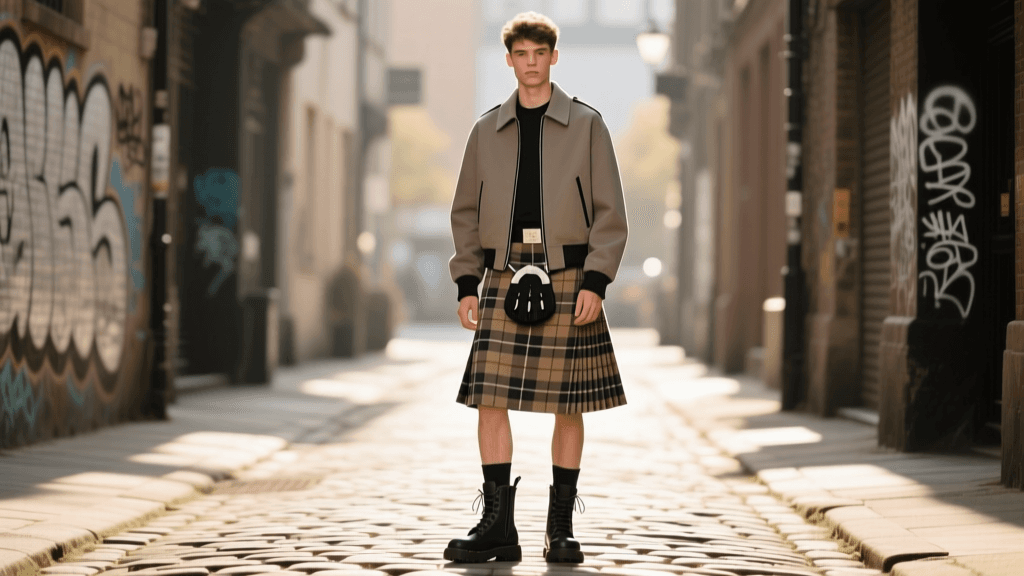
The landscape of European folk dress has undergone a radical transformation as we navigate 2026. The Scottish kilt, a garment historically confined to Highland games, military ceremonies, and formal ceilidhs, has emerged as a cornerstone of the contemporary sustainable fashion movement. Driven by a global demand for heritage craftsmanship and eco-conscious textiles, the modern tartan revival is redefining how we integrate traditional Celtic garments into everyday urban wardrobes. Today, the kilt is no longer a costume; it is a dynamic, gender-neutral fashion statement that bridges centuries of Scottish textile history with cutting-edge 2026 streetwear aesthetics. According to the Scottish Tartans Authority, the registration of new, contemporary tartan patterns has surged, reflecting a modern desire to personalize heritage weaves for daily wear rather than reserving them strictly for clan gatherings.
Sourcing Authentic Sustainable Tartans in 2026
When building a contemporary kilt wardrobe, the foundation lies in the fabric. In 2026, sustainability is not just a buzzword; it is a strict requirement for conscious consumers. The gold standard for Scottish wool remains Harris Tweed, a fabric that is still handwoven by islanders at their homes in the Outer Hebrides and finished in the islands of Harris, Lewis, Uist, and Barra. The Harris Tweed Authority strictly governs this process, ensuring that every meter of genuine fabric bears the iconic Orb Mark. Investing in an Orb-certified tweed guarantees a biodegradable, incredibly durable textile that naturally resists water and wind—perfect for the unpredictable climates of modern city living.
However, traditional 16oz heavyweight wool can be cumbersome for year-round streetwear. Fortunately, historic Scottish mills have adapted their weaving techniques to offer lighter, more versatile tartans that maintain the structural integrity required for kilt pleating while offering enhanced breathability. Below is a comparison of the most sought-after sustainable tartan weaves available for bespoke and ready-to-wear kilts in 2026.
| Mill / Weave Type | Weight | 2026 Avg. Price per Meter | Best Contemporary Use |
|---|---|---|---|
| Harris Tweed (Orb Certified) | 16oz (Heavyweight) | £45 - £65 | Winter streetwear, avant-garde layering |
| Lochcarron of Scotland 10oz | 10oz (Medium) | £35 - £48 | Smart-casual office kilts, transitional seasons |
| Marton Mills Wool Blend | 12oz (Mid-Heavy) | £30 - £42 | Asymmetrical modern silhouettes, utility kilts |
| House of Edgar 13oz Ancient | 13oz (Standard) | £38 - £55 | Traditional 8-yard pleating, formal evening wear |
Contemporary Kilt Silhouettes for Modern Wardrobes
The anatomy of the kilt has evolved significantly to accommodate modern styling needs. While the traditional 8-yard kilt remains the undisputed king of formal Scottish dress, it requires nearly eight meters of double-width fabric, resulting in a heavy, highly structured garment that can feel excessive for a Tuesday morning commute. In 2026, the 5-yard casual kilt and the contemporary utility hybrid have taken center stage in the folk dress revival.
The 5-Yard Casual Kilt
The 5-yard kilt offers approximately 60% of the pleating of its formal counterpart. This reduction in fabric creates a sleeker, less voluminous profile that sits closer to the body. For contemporary styling, opt for a 5-yard kilt tailored with a slightly dropped waistband. Instead of sitting at the natural navel (the traditional Highland fit), a dropped waistband rests comfortably on the hips, aligning seamlessly with modern denim and trouser fits. The hem should fall precisely to the middle of the kneecap when kneeling—a universal rule of kilt fitting that maintains the garment's dignified proportions regardless of how modern the styling becomes.
The Utility Hybrid Kilt
For those deeply embedded in urban streetwear and tech-wear scenes, the utility kilt crafted from tartan wool blends has become a staple. These garments often replace the traditional internal apron lining with breathable cotton mesh and incorporate discrete, hidden cargo pockets within the deep pleats. The hardware is typically swapped from polished brass to matte black or gunmetal PVD-coated steel, providing an industrial edge that pairs flawlessly with modern outerwear.
Styling the Kilt for 2026 Urban Environments
Integrating a kilt into a contemporary wardrobe requires a careful balance of proportions and textures. The goal is to honor the heritage of the garment while firmly planting it in the present day.
The Smart-Casual Office Look
The modern workplace in 2026 embraces individual expression and sustainable fashion. To style a tartan kilt for a creative office environment, anchor the garment with a fine-gauge, charcoal merino wool turtleneck. The dark, solid top allows the complex geometry of the tartan to take center stage without overwhelming the visual field. Layer with an unstructured, oversized linen blazer in a muted earth tone. For footwear, abandon the traditional ghillie brogues—which are strictly reserved for formalwear—and opt instead for a sleek, leather Chelsea boot with a subtle Cuban heel. This elongates the leg and provides a sharp, architectural silhouette.
Evening and Gala Streetwear
When transitioning to evening wear, the kilt becomes an exercise in textural contrast. Pair a heavyweight 16oz Harris Tweed kilt with a fitted, ribbed-knit mock neck and a cropped, asymmetrical leather moto jacket. The juxtaposition of the historic, woven wool against the sleek, modern leather creates a striking visual tension. In 2026, minimalist, high-end leather sneakers in stark white or monochromatic black are the preferred footwear for evening streetwear, offering both comfort for navigating city streets and a crisp, contemporary finish that grounds the traditional tartan.
Accessorizing with Heritage Metals and Modern Alternatives
Accessories can easily push a kilt from contemporary revival into outdated costume territory. The sporran, historically necessary because kilts lack pockets, has been reimagined for the modern era. In 2026, the traditional horsehair or sealskin dress sporran is reserved for black-tie events. For daily streetwear, the modern folk dress enthusiast favors minimalist leather pouches worn on a thin, matte chain, or entirely abandons the sporran in favor of the hidden pockets found in utility kilts or a well-tailored crossbody bag.
The kilt pin, originally designed to weigh down the outer apron in high winds, is now primarily decorative. Avoid oversized, novelty sword pins. Instead, select a simple, geometric silver or brushed steel pin. Place it exactly two inches from the bottom hem and two inches in from the right edge of the outer apron. Crucially, the pin must only pierce the top apron layer, never the pleats beneath, to allow the kilt to move and breathe naturally as you walk.
Caring for Heavyweight Wool in a Changing Climate
A major component of the 2026 folk dress revival is the commitment to garment longevity. Traditional tartan wool is an investment that, when properly maintained, will outlive the wearer. Wool possesses natural antimicrobial properties, meaning it rarely requires traditional washing. Instead, adopt the "air and brush" method. After wearing your kilt, hang it on a wide, padded wooden hanger in a well-ventilated area away from direct sunlight to allow any moisture or odors to dissipate.
Use a specialized clothes brush with firm natural bristles to gently brush the fabric in the direction of the weave, removing surface dust and resetting the fibers. If the pleats begin to lose their sharp, knife-edge structure due to humidity or prolonged sitting, use a steam iron on a low wool setting. Always press the pleats from the inside out, using a damp pressing cloth to prevent scorching the wool and creating an unwanted shine. Should deep stains occur, seek out a dry cleaner in 2026 who specializes in heritage textiles and utilizes eco-friendly, non-toxic solvents that will not strip the natural lanolin from the Scottish wool.
Conclusion: The Future of Scottish Folk Dress
The contemporary styling of the Scottish kilt in 2026 proves that European folk dress is not a static relic of the past, but a living, breathing textile tradition. By prioritizing sustainable sourcing through certified mills, embracing modern silhouettes, and thoughtfully curating contemporary accessories, we ensure that the tartan remains a powerful, relevant symbol of cultural identity and sartorial excellence for generations to come.