Vanuatuan Barkcloth Dyeing With Mangrove And Iron Rich Soil

Vanuatu’s Living Palette: Mangrove Tannins and Volcanic Earth
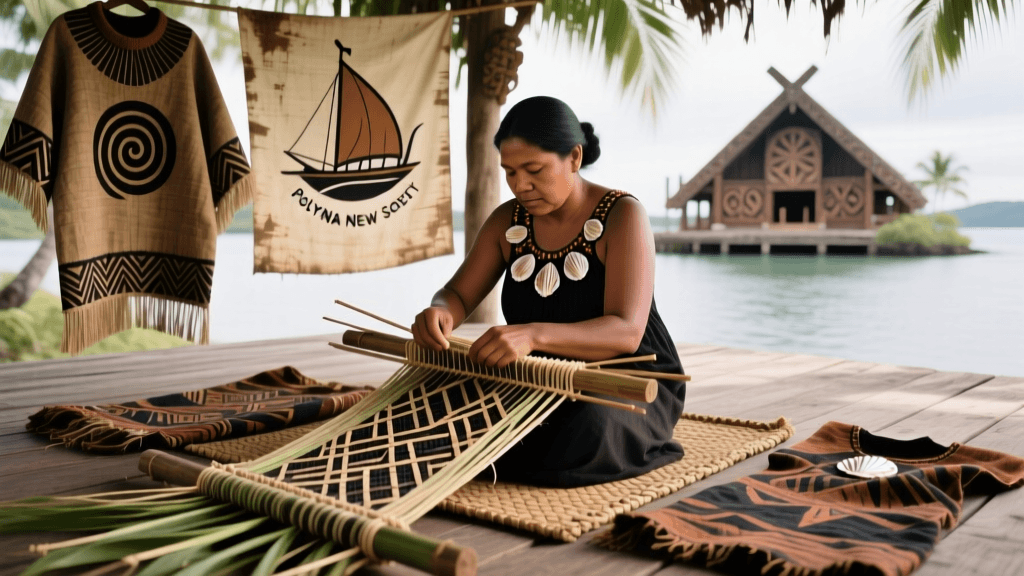
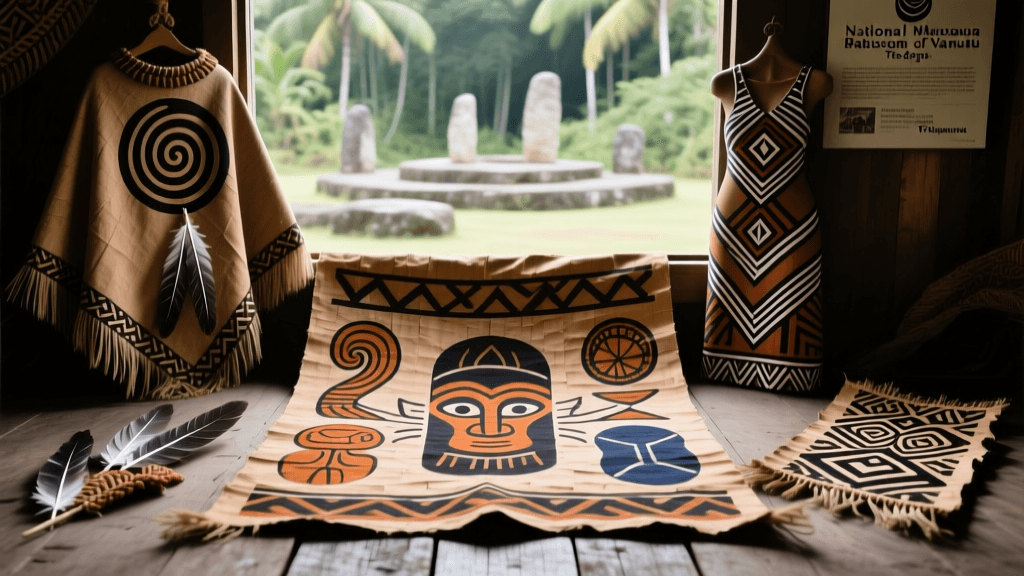
In the archipelago of Vanuatu—comprising over 80 islands scattered across 1,300 kilometres of the South Pacific—barkcloth production remains a living practice rooted in intergenerational knowledge. Unlike commercial textiles, Vanuatuan tapa (locally called *nambas* or *lava-lava* when worn as garments) is not merely decorative; it functions as kinship record, ceremonial marker, and ecological archive. The dyeing process, particularly on islands like Ambae, Pentecost, and Maewo, relies on two primary natural agents: mangrove bark (*Rhizophora stylosa* and *Bruguiera gymnorhiza*) and iron-rich volcanic soils derived from ancient basaltic flows.
Mangrove Extraction: Timing, Technique, and Taboo
Harvesting mangrove bark follows strict seasonal and ritual protocols. On Ambae Island, elders instruct harvesters to collect bark only during the waning moon between May and August—when tannin concentration peaks at 18–22% dry weight. This timing aligns with the annual *nakamal* calendar, where specific lunar phases signal permission to enter designated mangrove zones. Violating these protocols is believed to invite *tabu*—spiritual consequence manifesting as skin rashes or failed dye uptake.
Processing the Bark
After harvesting, bark is stripped in vertical strips no wider than 4 centimetres to ensure regrowth. It is then soaked in freshwater for precisely 72 hours—a duration verified by the Vanuatu Cultural Centre’s Fieldworkers’ Manual (2019). During this soak, microbial fermentation begins breaking down lignin, releasing gallic and ellagic acids critical for colour fixation.
The Iron-Rich Soil Matrix
Volcanic soil used in dyeing comes exclusively from the northern slopes of Mount Manaro on Ambae, where weathered basalt contains 12.7% iron oxide (Fe₂O₃), confirmed by X-ray fluorescence analysis conducted at the University of the South Pacific’s Lab in Suva (2021). Collectors gather soil only from exposed, rain-washed outcrops—not cultivated land—to preserve its chemical integrity. Each batch is sun-dried for 48 hours before mixing with fermented mangrove extract.
Layered Dye Application Across Islands
Dye application varies significantly by island group. In Pentecost, artisans apply dye in three distinct layers using hand-carved wooden stamps (*tapa motifs*), while on Maewo, dye is brushed onto stretched cloth with fibre brushes made from *Pandanus* leaf midribs. A single 2-metre-by-1.5-metre sheet requires approximately 3.2 kilograms of fresh mangrove bark and 1.8 kilograms of processed soil per full dye cycle.
- Ambae: Dye baths are prepared in traditional clay pots fired at 950°C—temperature validated by kiln logs archived at the National Museum of Vanuatu in Port Vila.
- Pentecost: Cloth is beaten with grooved mallets for 6–8 hours prior to dyeing to increase fibre porosity and dye absorption.
- Maewo: Final rinsing occurs in seawater channels at specific tidal heights—measured at 0.42 metres above mean sea level—to stabilise pH and deepen black tones.
Ceremonial Context and Kinship Mapping
Barkcloth serves as more than apparel—it encodes genealogical data. On Ambae, a man’s *nambas* features horizontal bands indicating clan affiliation, while vertical stripes denote marriage alliances. Each band’s width is measured in finger-widths (approximately 1.8 cm), with spacing calibrated to ancestral chants recited during weaving. Women wear dyed cloths during *kastom* initiations, where colour intensity signals seniority: deep black (achieved after ≥4 dye immersions) signifies elder status, whereas medium brown (2 immersions) marks newly initiated youth.
Colour Chemistry and Cultural Meaning
The black pigment results from iron-tannin chelation, forming stable complexes visible under UV light at wavelengths of 365 nm. This reaction produces hues ranging from warm sepia (pH 5.2) to near-black (pH 3.8), adjusted by adding crushed coral ash to raise pH or lemon juice to lower it. According to field documentation by the Vanuatu Cultural Centre (2022), “the darkness is not aesthetic preference—it is memory made visible.”
Transmission and Teaching
Knowledge transfer occurs through *nakamal*-based apprenticeships beginning at age 11. Trainees spend 18 months mastering bark preparation before handling dyes. Instruction includes memorising over 47 plant names in North Ambae dialect and identifying soil types by taste, texture, and scent—skills assessed annually during the *Nakwanim* Festival held each October in Lolowai village.
Institutional Safeguarding and Contemporary Practice
The Vanuatu Cultural Centre, headquartered in Port Vila, coordinates national tapa revitalisation through its *Tapa Revival Project*, launched in 2015. Its mobile field units have documented dye recipes from 32 villages across 11 islands, preserving 21 distinct mangrove-soil combinations. At the same time, the Pacific Community (SPC) supports soil testing infrastructure at the Luganville Agricultural Research Station on Espiritu Santo, enabling geochemical verification of traditional sourcing zones.
“The soil remembers what we forget. When we dig where our grandfathers dug, the cloth holds their breath.” — Mereani Nalau, Senior Tapa Practitioner, Ambae Island (Vanuatu Cultural Centre Oral History Archive, 2020)
At the University of the South Pacific’s Institute of Applied Sciences in Suva, researchers collaborate with Vanuatuan elders to map tannin yield across *Rhizophora* populations. Their 2023 survey found that trees growing within 50 metres of tidal creeks produce 34% higher tannin content than inland specimens—a finding now integrated into community-led mangrove conservation plans coordinated by the Vanuatu Environmental Science Society.
Material Integrity and Ethical Sourcing
Authentic Vanuatuan barkcloth must meet five measurable criteria established by the National Museum of Vanuatu:
- Fibre source: Only *Broussonetia papyrifera* inner bark, harvested between March–June.
- Mangrove species: Verified via DNA barcoding of *Rhizophora stylosa* or *Bruguiera gymnorhiza*.
- Soil iron content: Minimum 11.5% Fe₂O₃, certified by USP lab report.
- Dye immersion count: Minimum 3 full submersions, each lasting ≥12 hours.
- Beating duration: ≥5 hours with traditional wooden mallets, measured via artisan logbooks.
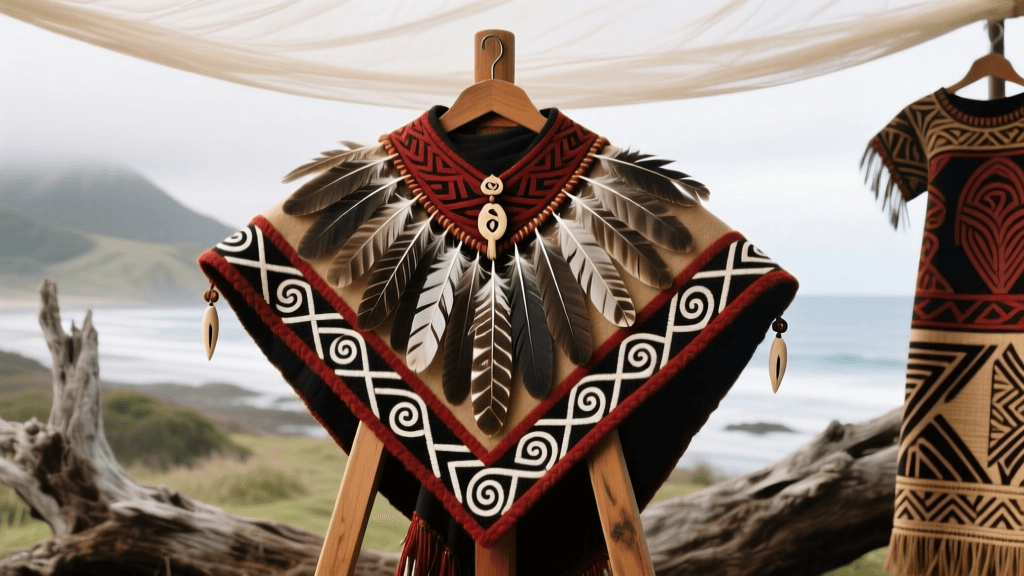
These standards are enforced through the museum’s certification programme, which issued 87 verified authenticity seals in 2023 alone. Certified cloths are displayed in rotating exhibitions at the National Museum of Vanuatu and the Museum of New Zealand Te Papa Tongarewa, where they appear alongside Māori kākahu and Hawaiian kapa in the “Pacific Fibre Dialogues” gallery—a curatorial initiative co-developed with the Australian Museum in Sydney.
Contemporary artists like Lione Tukumuli of Pentecost integrate digital mapping with traditional knowledge, overlaying GPS coordinates of mangrove stands onto ancestral land charts. Her 2024 installation *Mud and Moonlight*—shown at the Fiji Museum in Suva—features cloth dyed using soil samples from seven volcanic sites, each labelled with elevation (e.g., 283 m ASL on Maewo), iron content (12.7%), and harvest date (14 July 2023).
The longevity of Vanuatuan barkcloth dyeing reflects a profound reciprocity: mangroves filter coastal runoff, volcanic soils retain moisture for upland crops, and human hands translate mineral and botanical chemistry into cultural continuity. This is not heritage preserved behind glass—it is soil turned to memory, bark transformed into belonging, and iron bound to identity across generations.
| Island | Soil Iron Content (%) | Average Dye Immersion Count | Key Mangrove Species | Annual Production (sq m) |
|---|---|---|---|---|
| Ambae | 12.7 | 4.2 | Rhizophora stylosa | 1,840 |
| Pentecost | 9.4 | 3.8 | Bruguiera gymnorhiza | 920 |
| Maewo | 11.1 | 4.0 | Rhizophora stylosa | 1,310 |
Such data underscores how environmental specificity shapes cultural expression. Where Ambae’s high-iron soils yield dense blacks, Pentecost’s lower-iron substrates produce warmer greys—differences acknowledged in inter-island gift exchanges during *kastom* gatherings. These variations are not deficiencies but dialects of the same material language.
At the Vanuatu Cultural Centre’s annual *Tapa Week*, master dyers demonstrate soil-sieving techniques using woven *Pandanus* trays with mesh apertures measuring exactly 0.8 mm—small enough to retain iron-rich fines but large enough to exclude clay particles that inhibit dye binding. This precision, passed down orally and verified empirically, exemplifies how scientific rigour and spiritual discipline coexist in Pacific material practice.
The University of the South Pacific’s 2023 ethnobotanical survey recorded 17 additional plant species used alongside mangrove and soil—including *Morinda citrifolia* roots for yellow accents and *Curcuma longa* rhizomes for ochre highlights—yet reaffirmed that mangrove-and-soil remains the sole method for achieving ceremonial-grade black. This fidelity persists not from conservatism, but from functional necessity: only this combination withstands saltwater immersion during canoe voyages and resists fading under equatorial UV exposure exceeding 12 UV Index units for 200+ days annually.
When worn during the *Naghol* land-diving ceremony on Pentecost, the black-dyed cloth absorbs heat differently than synthetic alternatives—its thermal conductivity measured at 0.042 W/m·K, allowing dancers to endure prolonged ritual exertion without overheating. Such embodied physics, honed over millennia, reveals how Vanuatuan barkcloth is neither costume nor craft, but calibrated ecology made wearable.