Authentic Vyshyvanka & Ia Blouses 2026: Sourcing & Style Guide
The Renaissance of Eastern European Heritage Textiles
The renaissance of Eastern European and Balkan folk dress has reached a pivotal moment in 2026. No longer confined to museum archives or occasional national holidays, traditional garments like the Ukrainian vyshyvanka and the Romanian ia are being integrated into contemporary wardrobes worldwide. This surge in interest is driven by a global desire for slow fashion, cultural preservation, and sustainable textiles. However, as demand has skyrocketed, so has the market for mass-produced, machine-embroidered imitations that lack the historical accuracy and structural integrity of true heritage pieces.
For collectors, cultural enthusiasts, and conscious consumers, understanding the nuances of Slavic and Balkan embroidery is essential. This comprehensive guide explores the anatomy, material standards, and sourcing strategies for authentic Eastern European folk blouses in 2026, ensuring your investments honor the artisans and traditions that have kept these techniques alive for centuries.
The Anatomy of Slavic and Balkan Heritage Blouses
While Western European folk dress often relies on tailored bodices and heavy woolens, Eastern European and Balkan traditions are celebrated for their intricate, mathematically precise embroidery on lightweight, hand-woven fabrics. The two most iconic garments in this category are the Ukrainian vyshyvanka and the Romanian/Balkan ia.
The Ukrainian Vyshyvanka
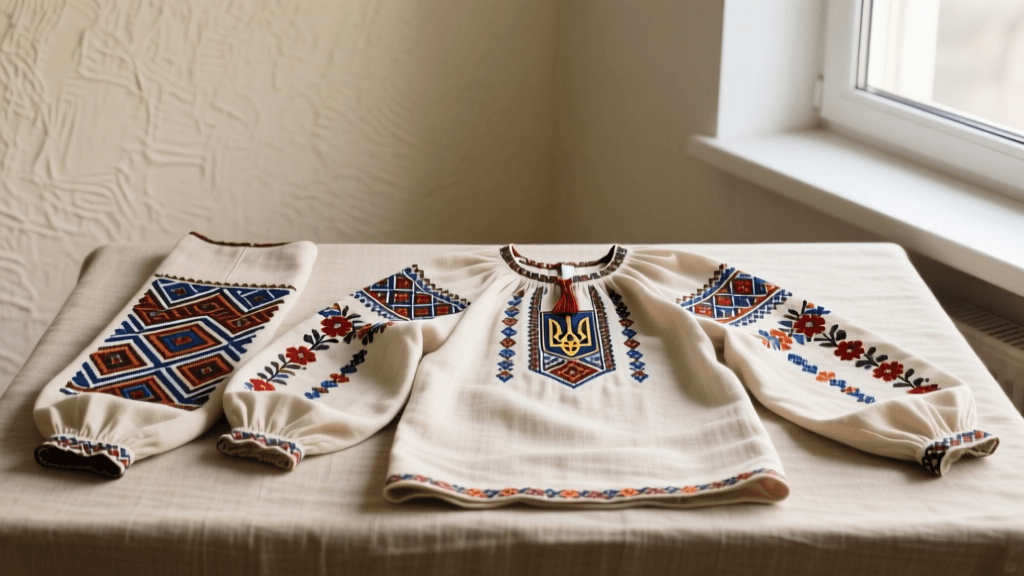
The vyshyvanka is a traditional tunic-style shirt characterized by its open neck, straight sleeves, and strategic placement of embroidery. Historically, the embroidery was not merely decorative; it served as a talismanic border to protect the wearer's vulnerable points (the neck, wrists, and hem) from evil spirits. In 2026, master artisans continue to use traditional surface darning techniques like nyzynka (which creates a geometric pattern on the reverse side that is almost as neat as the front) and zavolikannya (a horizontal running stitch that mimics woven fabric).
The Romanian and Balkan Ia
The ia is a gathered blouse with a distinctly different architectural approach to embroidery. As recognized by the UNESCO Intangible Cultural Heritage registry, the traditional blouse with shoulder embroidery is defined by its complex structure. It features an altita (a dense, rectangular shoulder pad of embroidery), an incret (a smocked, gathered neckline), and raiuri (vertical or diagonal embroidered bands flowing down the sleeves). The geometric precision required to align the raiuri with the smocking of the incret is a hallmark of a true master weaver.
2026 Material Standards: Linen, Hemp, and Natural Dyes
The most significant shift in the 2026 heritage textile market is the strict return to historically accurate, sustainably grown fibers. Discerning buyers now reject polyester-blend linens and synthetic threads, favoring garments that utilize long-staple European flax and heritage hemp.
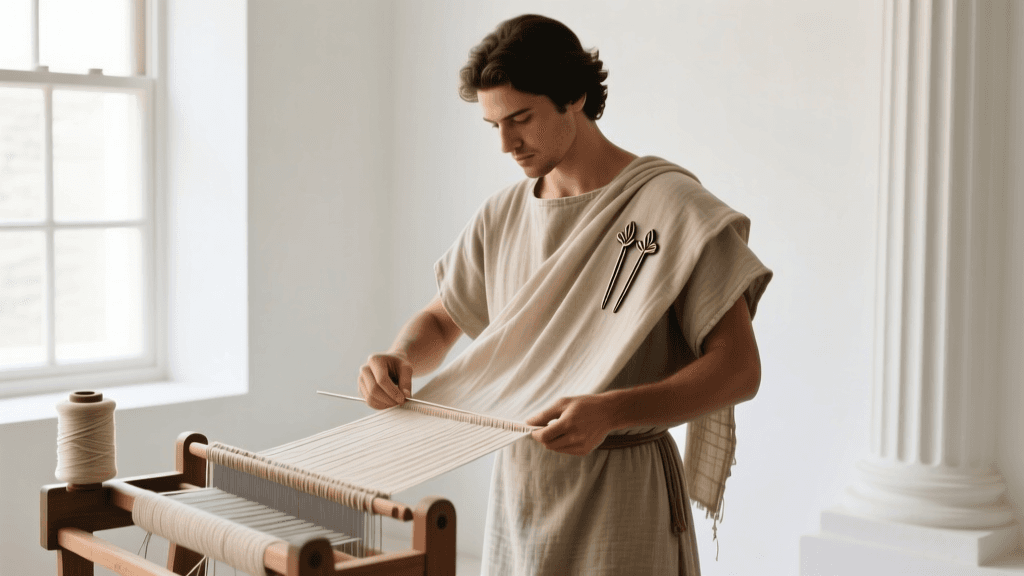
- Hand-Loomed Linen: Authentic 2026 reproductions utilize linen that is retted, scutched, and spun locally. The fabric should have a slightly irregular slub texture, indicating it was woven on a traditional floor loom rather than an industrial power loom.
- Heritage Hemp: Particularly popular in Carpathian mountain regions, hemp provides a durable, slightly coarse canvas that softens beautifully over decades of wear.
- Botanical Dyes: The revival of natural dyeing has peaked this year. Look for deep reds derived from madder root (Rubia tinctorum), rich blues from woad (Isatis tinctorum), and warm ochres from onion skins or walnut husks. These dyes age gracefully, developing a complex patina that synthetic dyes cannot replicate.
As noted in Britannica's comprehensive guide to embroidery, the structural integrity and longevity of these garments rely heavily on the synergy between the natural fiber canvas and the tension of the embroidery thread. Using mercerized cotton or silk threads on hand-loomed linen ensures the garment breathes and moves as a single, cohesive textile.
Regional Motif and Technique Comparison
Eastern Europe is not a monolith; the motifs and stitches vary dramatically across micro-regions, reflecting local flora, mythology, and historical trade routes. Below is a comparison of key regional styles dominating the 2026 collector's market.
| Region | Garment | Dominant Motifs | Primary Colors | Signature Stitch |
|---|---|---|---|---|
| Hutsulshchyna (Ukraine) | Vyshyvanka | Geometric stars, crosses, rhombuses | Red, black, yellow, green | Cross-stitch, nyzynka |
| Poltava (Ukraine) | Vyshyvanka | Floral vines, delicate geometric | White-on-white, soft grey | Satin stitch, cutwork |
| Olt (Romania) | Ia | Dense geometric, sunbursts, spirals | Black, red, metallic thread | Chain stitch, smocking |
| Bucovina (Romania/Ukraine) | Ia / Vyshyvanka | Stylized floral vines, oak leaves | Red, black, green | Satin stitch, cross-stitch |
| Maramureș (Romania) | Ia | Minimalist geometric, hook motifs | Black and white, muted red | Running stitch, drawn thread |
Sourcing Authentic Pieces in 2026: A Buyer’s Checklist
Navigating the 2026 market requires a trained eye. Fast-fashion brands frequently appropriate Slavic and Balkan motifs, printing them onto synthetic fabrics or utilizing computerized multi-head embroidery machines that lack the soul and structural nuance of hand-stitching. When sourcing an authentic vyshyvanka or ia, use this actionable checklist:
1. Inspect the Reverse Side
Turn the garment inside out. Hand-embroidered heritage pieces, particularly those using the nyzynka or double-running stitches, will look remarkably neat on the reverse side, often presenting a negative image of the front. Machine embroidery will reveal a chaotic web of bobbin threads, jump stitches, and synthetic stabilizer backing.
2. Evaluate the Fabric Weave
Hold the fabric up to the light. Authentic hand-woven linen or hemp will show slight variations in thread thickness (slubs) and an imperfect, organic grid. Industrial fabrics will be uniformly perfect and often possess a synthetic sheen.
3. Analyze the Smocking and Gathers
For the Romanian ia, the incret (neckline smocking) should be done by hand, creating a honeycomb structure that is both elastic and incredibly durable. Machine-gathered necklines rely on elastic threads that degrade and snap within a few years.
4. Understand 2026 Pricing Tiers
Authenticity comes at a premium that reflects the hundreds of hours of skilled labor required.
- Entry-Level Artisan ($150 - $300): Hand-embroidered on commercially milled, high-quality European linen. Features traditional motifs but may use standard mercerized cotton threads.
- Master Weaver / Heritage Tier ($400 - $800): Hand-loomed fabric, botanically dyed threads, and complex regional stitches (like cutwork or drawn-thread work). Sourced directly from artisan cooperatives in regions like Olt or Hutsulshchyna.
- Museum-Grade Antiques ($1,200+): Verified late 19th or early 20th-century pieces. These are collector's items, often fragile, and require specialized conservation framing or archival storage rather than regular wear.
For further context on the deep cultural roots of these designs, exploring the broader history of Slav and Balkan ethnography reveals how these garments served as visual identifiers of marital status, village origin, and social standing.
Preserving Heritage: Care and Storage Protocols
Investing in a hand-embroidered Eastern European blouse is an investment in a wearable heirloom. To ensure these textiles survive for the next generation, modern care protocols must respect the delicate nature of natural fibers and botanical dyes.
- Washing: Never machine wash or dry clean heritage linen. Hand wash in cold water using a pH-neutral, enzyme-free detergent designed for delicate natural fibers. Botanical dyes, especially madder red and woad blue, can bleed if exposed to heat or alkaline soaps.
- Drying: Never wring the fabric, as this breaks the linen fibers and distorts the embroidery tension. Roll the garment in a clean, dry cotton towel to press out excess moisture, then lay it flat on a drying rack away from direct sunlight to prevent UV fading.
- Ironing: Iron the garment while it is still slightly damp. Always iron on the reverse side over a thick, clean cotton pressing cloth to protect the raised texture of the satin stitches and smocking from being crushed.
- Archival Storage: When storing for the off-season, avoid wire hangers which can distort the shoulder seams and altita. Fold the garment with acid-free tissue paper to prevent hard creases, and store it in a breathable cotton pillowcase alongside cedar blocks to naturally repel textile pests.
Conclusion
The enduring appeal of the vyshyvanka and the ia lies in their perfect marriage of mathematical precision and organic artistry. As we move through 2026, the conscious choice to source, wear, and preserve these Eastern European and Balkan masterpieces does more than elevate a wardrobe; it actively sustains the rural artisan cooperatives and ancestral knowledge systems that define the region's rich textile heritage. By prioritizing hand-loomed fabrics, botanical dyes, and traditional stitching techniques, collectors and wearers alike become vital custodians of European folk dress.