The Complete Chiton Draping And Fabric Guide For 2026
The Resurgence of Classical Accuracy in 2026
As we navigate the historical costuming, theatrical design, and museum exhibition landscape of 2026, the demand for museum-grade accuracy in ancient Mediterranean garments has reached an all-time high. The chiton, the quintessential tunic of ancient Greece and a foundational element of European folk and historical dress, is no longer an afterthought constructed from cheap modern synthetics. Today's reenactors, classicists, and costume historians insist on precise draping, historically accurate weaves, and authentic bronze hardware. Whether you are outfitting a university classics department's 2026 spring production of Antigone or preparing an interactive textile exhibit, understanding the geometry, sourcing, and draping of the chiton is essential.
According to the Metropolitan Museum of Art's Heilbrunn Timeline of Art History, the evolution of Greek dress was deeply tied to trade, climate, and social shifts. The transition from the heavy, woolen Doric peplos to the lighter, linen Ionic chiton reflects not just changing fashions, but the expansion of Mediterranean trade routes that brought fine Eastern textiles to the Greek mainland. In this comprehensive guide, we will break down the exact measurements, fabric sourcing strategies for the 2026 market, and step-by-step draping techniques required to master both the Doric and Ionic variants.
Doric vs. Ionic: Understanding the Variants
Before purchasing fabric or casting bronze fibulae, you must determine which variant of the chiton you are recreating. The two primary styles—the Doric (often conflated with the peplos) and the Ionic—require entirely different fabric weights, dimensions, and fastening methods. The World History Encyclopedia notes that while the Doric style was favored for its austere, martial simplicity in the Archaic and Early Classical periods, the Ionic style offered a fluid, elegant drape that dominated the Late Classical and Hellenistic eras.
| Feature | Doric Chiton (Peplos) | Ionic Chiton |
|---|---|---|
| Primary Fabric | Heavyweight wool or dense linen | Lightweight, finely woven linen or silk |
| Fastening Method | Single large pin (fibula) per shoulder | Multiple small pins or sewn sleeve seams |
| Overfold (Apoptygma) | Prominent, structural overfold | Rarely used; relies on fabric volume |
| Sleeve Formation | Open, sleeveless drape | Creates distinct, buttoned sleeves |
| 2026 Reenactment Use | Spartan / Early Athenian portrayals | Hellenistic, theatrical, and goddess depictions |
Sourcing Authentic Textiles in the 2026 Market
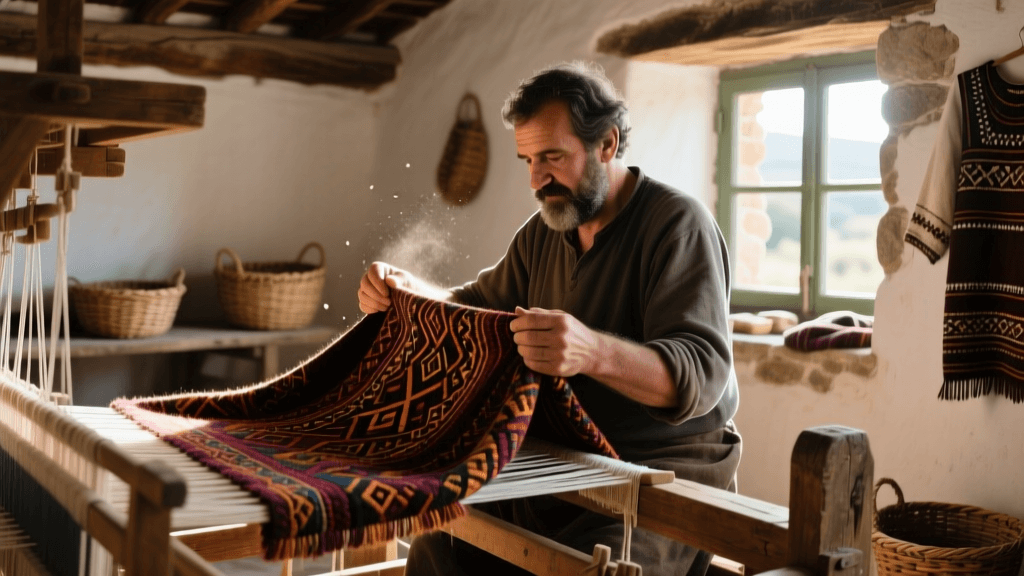
The most common mistake modern costumers make is using fabric that is either too narrow or the wrong weight. Ancient Greek looms produced fabric in specific widths, often woven to the exact dimensions needed for the garment, minimizing cutting and waste. In 2026, sourcing fabric that mimics these historical properties requires looking beyond standard craft stores.
Heavyweight Linen and Wool for the Doric Style
For a Doric chiton, the fabric must have enough body to hold the sharp, architectural folds of the apoptygma (the overfold). You need a heavyweight linen (often referred to as canvas or upholstery weight, around 8 to 10 ounces per square yard) or a finely fulled wool. In 2026, artisan mills in Ireland and Belgium are producing historically accurate, unbleached linens that range from $35 to $55 per yard. Avoid modern chemical bleaches; instead, source 'loomstate' or 'natural' linen, which retains the warm, organic beige tone of ancient textiles. If using wool, look for lightweight melton or tropical wool, which drapes beautifully without causing the wearer to overheat during summer festivals.
Handkerchief Linen for the Ionic Style
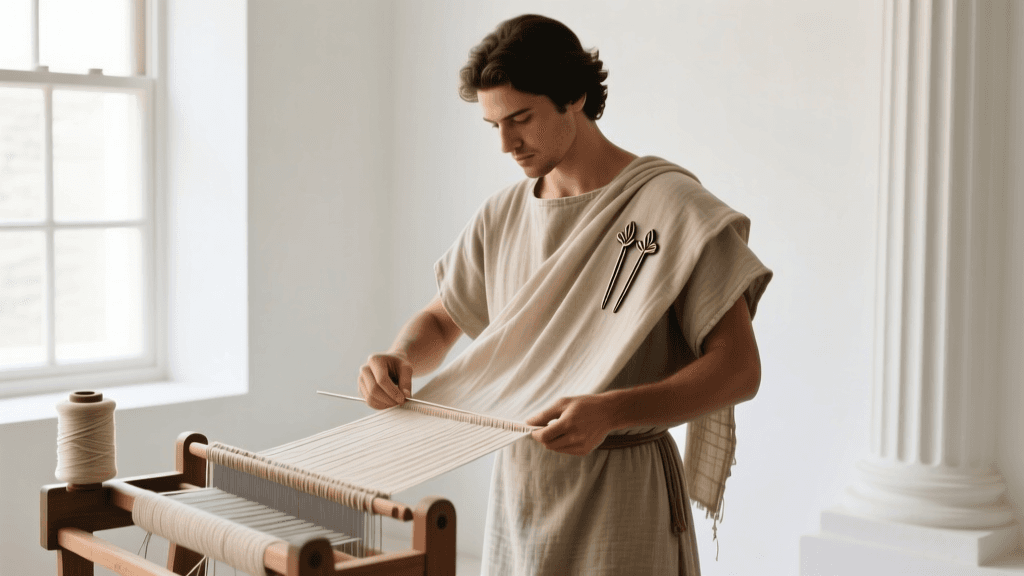
The Ionic chiton requires volume and fluidity. Handkerchief linen (3 to 4 ounces per square yard) is the gold standard. Because the Ionic style relies on multiple fastening points along the arms to create sleeves, the fabric must be wide. You will need a continuous piece of fabric that is at least 1.5 to 2 times the wearer's wingspan. In 2026, specialized historical textile vendors offer extra-wide (72-inch to 108-inch) handkerchief linen, which is crucial for achieving the sweeping, uninterrupted drape seen in classical sculpture.
Natural Dyeing Standards
If your project requires color, avoid synthetic aniline dyes. The 2026 standard for high-end historical interpretation mandates natural dyes. Madder root yields the iconic terracotta reds, weld produces vibrant classical yellows, and woad or indigo provides the deep blues favored in Hellenistic portraiture. Ensure your fabric is mordanted with alum rather than heavy metals, keeping the garment safe for modern wearers while maintaining historical integrity.
Step-by-Step Draping Masterclass
Draping a chiton is an exercise in geometry and tension. Unlike modern tailored clothing, the chiton is entirely uncut and unstitched (in its most traditional Doric form). Here is the precise methodology for draping a classical Doric chiton.
Step 1: Calculating the Dimensions
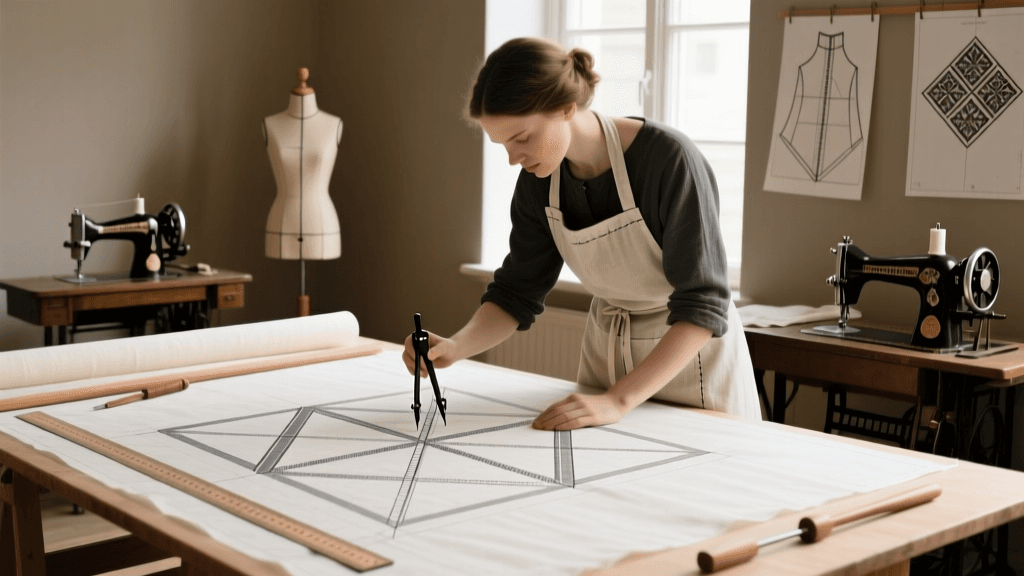
The width of your fabric should equal the wearer's arm span (fingertip to fingertip) plus 12 inches for ease and blousing. The height should equal the distance from the wearer's shoulder to the floor, plus 12 to 15 inches to account for the overfold and the kolpos (the bloused effect created by the belt).
Step 2: Creating the Apoptygma (Overfold)
Lay the fabric flat on a clean surface. Fold the top edge down by 12 to 15 inches. This folded section will hang over the chest and back, providing structure and warmth. Pin the top corners temporarily to keep the fold aligned while you work.
Step 3: Wrapping the Body
Wrap the fabric around the wearer's body, ensuring the fold (apoptygma) is at the top, sitting just below the collarbones. The fabric should wrap around the back and meet at the front, overlapping slightly at the side seam to ensure modesty when the wearer moves.
Step 4: Pinning the Shoulders
Gather the front and back layers of the fabric at the wearer's shoulders, roughly halfway between the neck and the edge of the shoulder. Using historically accurate bronze or iron fibulae (brooches), pin the layers together. The weight of the heavy linen or wool will naturally pull the fabric into elegant vertical flutes.
Step 5: Belting and the Kolpos
Tie a woven wool or leather zonē (belt) tightly around the wearer's natural waist. Pull the fabric up and over the belt until the hem grazes the wearer's calves or ankles. This blousing effect, known as the kolpos, is a hallmark of classical Greek dress and allows the wearer to adjust the garment's length for walking or working.
Fastening and Accessories: The 2026 Hardware Market
No chiton is complete without its hardware. The fibulae used to secure the shoulders were not merely functional; they were highly visible status symbols. In 2026, the historical reenactment community has largely rejected mass-produced, cast-white-metal jewelry in favor of artisan-forged bronze and iron.
Sourcing Authentic Fibulae
For a Doric chiton, you need large, sturdy bow fibulae or simple annular (ring) brooches capable of piercing heavyweight linen without tearing it. Custom bronze casters operating out of specialized historical guilds currently charge between $60 and $120 per pair for museum-quality replicas based on extant artifacts from the Peloponnese. Ensure the pin mechanism (the catchplate and spring) is functional and reinforced, as modern safety pins will ruin the illusion and damage expensive historical textiles.
The Zonē and Footwear
The belt, or zonē, should be a long, woven band of wool or a tooled leather strap. Tablet weaving has seen a massive revival in the 2020s, and sourcing a hand-woven wool belt featuring geometric Greek meander (key) patterns is easier than ever through specialized artisan weavers. Finally, the garment should be paired with krepides (leather sandals) that lace up the calf, or the wearer can go barefoot for indoor theatrical settings, maintaining the grounded, naturalistic aesthetic of the ancient world.
Conclusion
Mastering the chiton requires a departure from modern sewing habits and an embrace of ancient geometry, tension, and textile physics. By sourcing the correct weight of European-milled linen, utilizing natural dyes, and investing in proper bronze fibulae, you can recreate a garment in 2026 that honors the sophisticated engineering of classical antiquity. Whether for the stage, the classroom, or the museum floor, a properly draped chiton remains a testament to the enduring elegance of early European folk and historical dress.