Sardinian Folk Dress & Heritage Weaving Brands 2026
The Enduring Legacy of the Costume Sardo
Sardinia, an island steeped in ancient Mediterranean history, possesses one of the most diverse and meticulously preserved folk dress traditions in Europe. Known collectively as the costume sardo, traditional Sardinian garments are not merely historical relics; they are vibrant, living expressions of local identity. Unlike many European regions where folk costumes faded into museum archives by the mid-20th century, Sardinian heritage brands and weaving cooperatives have successfully bridged the gap between ancestral craftsmanship and contemporary 2026 fashion. Today, the island's textile artisans are experiencing a renaissance, driven by a global demand for sustainable, traceable, and culturally significant garments.
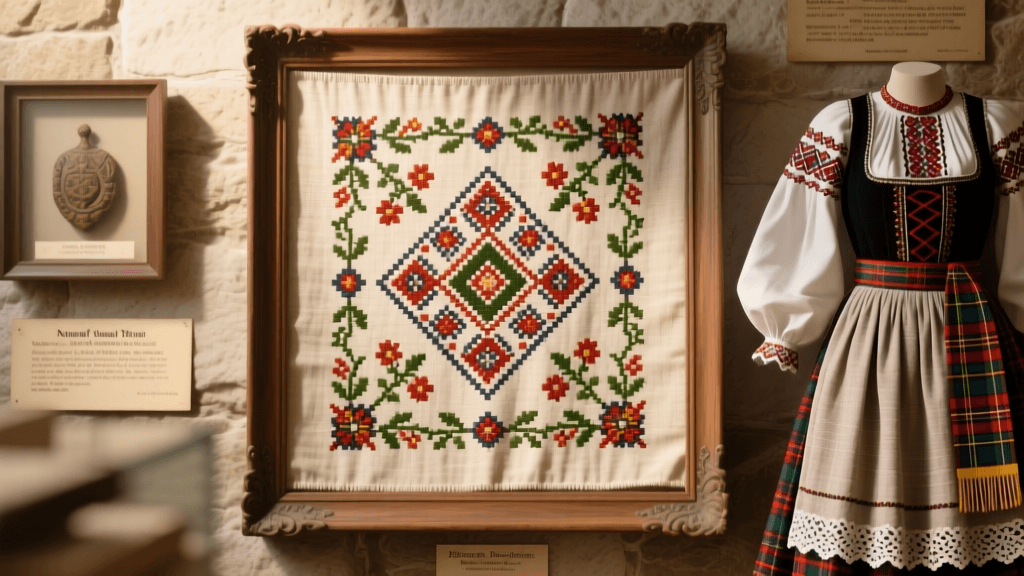
Every village on the island—from the mountainous interior of Orgosolo to the coastal communities of Cabras—boasts distinct variations in color, embroidery, and fabric weight. According to the Istituto Superiore Regionale Etnografico (ISOLA), there are over 400 documented variations of traditional Sardinian dress, each serving as a visual language that historically communicated a wearer's marital status, social class, and exact geographic origin. In 2026, heritage brands are leveraging this incredible diversity, adapting historical patterns for modern wardrobes while maintaining the strict, ancestral techniques of the handloom.
Anatomy of Traditional Sardinian Dress
To understand the contemporary revival, one must first understand the foundational elements of the traditional wardrobe. The costume sardo is characterized by its layering, rich embroidery, and use of locally sourced materials.
- The Berritta: The quintessential Sardinian men's cap. Typically made of dark wool or velvet, this long, tubular headwear is worn draped over the shoulder or folded. Modern heritage brands have adapted the berritta into structured, contemporary winter headwear using water-resistant wools.
- Ragas and Curzones: The ragas is a traditional kilt-like garment worn by men over white linen trousers, while women wear the curzone, a heavily pleated woolen skirt often bordered with vibrant silk ribbons. The pleating techniques used by artisans in towns like Desulo require hundreds of hours of hand-stitching.
- Corittu and Palas: Women's bodices are masterpieces of tailoring. The corittu is a fitted, often sleeveless jacket made of velvet or brocade, designed to support and shape. It is heavily embroidered with gold and silver thread, reflecting the island's parallel mastery in filigrana (filigree) jewelry.
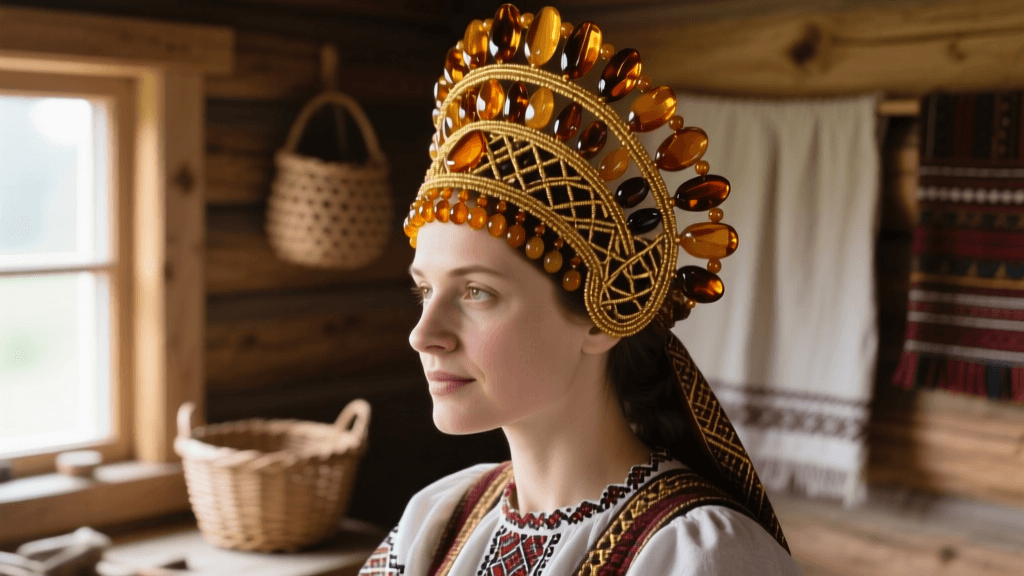
- Muccadore: The headscarf, varying from simple cotton for daily labor to intricate, hand-embroidered silk and fine wool for festivals like the Cavalcata Sarda or the Sagra di Sant'Efisio.
Orbace and the Art of the Handloom
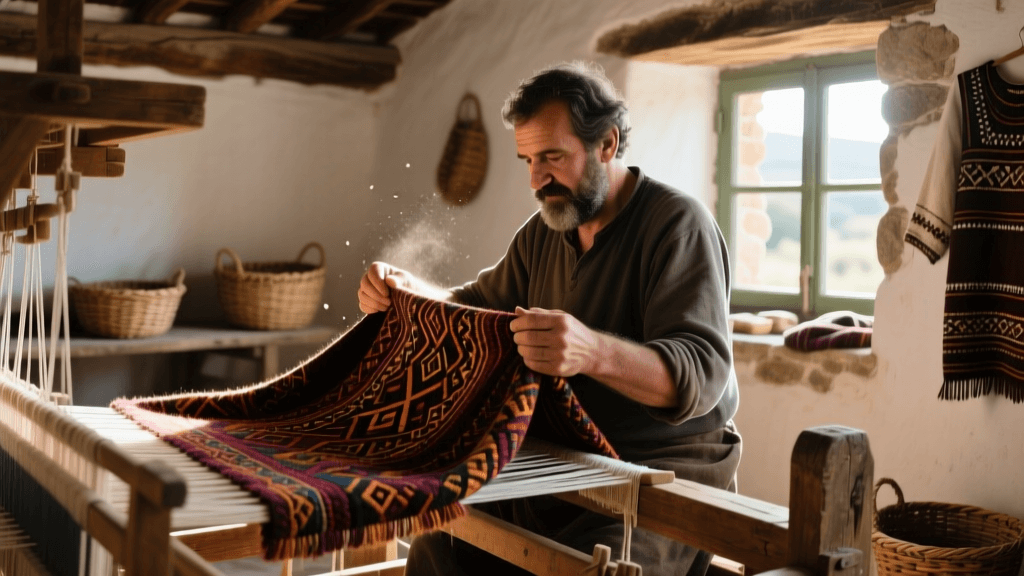
At the heart of Sardinian textile heritage is orbace (or orbaci), a coarse, highly durable, and naturally water-resistant wool derived from the island's indigenous sheep breeds. Historically, orbace was the fabric of the working class, woven tightly to withstand the harsh mistral winds and rugged terrain. The weaving process is deeply rooted in towns like Samugheo, which remains the epicenter of Sardinian textile production.
In 2026, the production of orbace has been elevated by heritage brands that prioritize ethical shearing and natural dyeing processes. Artisans are utilizing madder root for deep reds, walnut husks for rich browns, and woad for striking blues. The Sardegna Cultura portal extensively documents how these ancient dyeing methods, once at risk of being lost to synthetic alternatives, are now the primary selling point for luxury eco-conscious consumers seeking authentic Mediterranean textiles.
Contemporary weaving cooperatives have also introduced lighter, softer blends of orbace mixed with fine merino and local silk, allowing the fabric to be used in modern tailoring—such as structured blazers, wrap coats, and flowing wide-leg trousers—without sacrificing the iconic, slightly nubby texture that defines Sardinian wool.
2026 Heritage Brands and Technological Integration
The most exciting development in the 2026 European folk dress landscape is how Sardinian heritage brands are combating the mass production of counterfeit 'artisan' goods. Leading cooperatives in the Nuoro and Oristano provinces have begun integrating NFC (Near Field Communication) micro-threads directly into the hems of their high-end garments and woven shawls. By scanning the garment with a smartphone, buyers can trace the exact origin of the wool, the name of the weaver, the natural dyes used, and the number of hours spent at the handloom.
This fusion of ancient craft and modern blockchain-backed transparency has allowed authentic Sardinian brands to command premium prices in global markets, ensuring that the weavers—predominantly women who have inherited these skills through matriarchal lines—are compensated fairly for their painstaking labor.
Table: Traditional Elements vs. 2026 Heritage Adaptations
| Traditional Garment Element | Historical Function & Material | 2026 Heritage Brand Adaptation | Estimated 2026 Retail Price (EUR) |
|---|---|---|---|
| Ragas (Men's Kilt) | Heavy black orbace wool; protective outer layer for shepherds. | Tailored orbace-wool wrap skirts and structured asymmetric coats for avant-garde fashion lines. | €450 - €850 |
| Muccadore (Headscarf) | Fine linen or silk; heavily embroidered for feast days. | Luxury oversized silk-wool blend shawls featuring digitized, laser-precise traditional motifs. | €280 - €500 |
| Corittu (Bodice) | Velvet and brocade; stiffened for posture and support. | Unstructured velvet gilets and cropped jackets with subtle metallic thread embroidery for evening wear. | €600 - €1,200 |
| Berritta (Cap) | Dark wool; daily wear for men across all social classes. | Water-resistant orbace beanies and structured bucket hats with internal silk linings. | €90 - €180 |
How to Authenticate and Purchase Sardinian Textiles in 2026
For collectors, fashion enthusiasts, and cultural preservationists looking to invest in authentic Sardinian garments, navigating the market requires a discerning eye. Here is your actionable guide to purchasing heritage textiles this year:
- Look for the Regional Certification: In 2026, the Sardinian regional government, in partnership with artisan guilds, enforces the Marchio Collettivo di Qualità (Collective Quality Mark). Authentic handwoven pieces will feature a physical tag with a QR code linking to the artisan's registered workshop.
- Examine the Selvedge: True handloomed orbace and cottons from Samugheo will have a slightly irregular selvedge edge. Machine-made imitations will have perfectly uniform, laser-cut edges. The beauty of Sardinian weaving lies in its human imperfections.
- Assess the Weight and Drape: Authentic orbace is remarkably dense and heavy. If a garment marketed as traditional Sardinian wool feels overly light, airy, or synthetic to the touch, it is likely an industrially produced blend manufactured outside the island.
- Verify the Dyes: Heritage brands using natural dyes will often provide a 'recipe card' with the garment. Natural woad (blue) and madder (red) have a slightly muted, earthy depth that synthetic dyes cannot replicate. They may also show very slight, natural variations in color saturation across the fabric.
Caring for Handwoven Orbace and Silk Blends
Investing in Sardinian heritage garments means committing to their proper preservation. Orbace is naturally lanolin-rich, making it somewhat self-cleaning and highly resistant to odors and light moisture.
- Airing Out: Instead of frequent washing, hang your orbace coats or skirts in a well-ventilated, shaded area. The natural properties of the wool will release trapped odors.
- Spot Cleaning: For minor stains, use a damp cloth with a pH-neutral wool soap. Never rub vigorously, as this will cause the coarse fibers to felt and shrink.
- Professional Care: For heavily embroidered bodices (corittu) or silk-blend shawls (muccadore), dry cleaning is mandatory. However, you must seek out a specialist who understands heritage textiles, as standard chemical solvents can strip the natural lanolin from the wool and tarnish metallic embroidery threads.
- Storage: Store woolens in breathable cotton garment bags with natural cedar blocks to deter moths. Never use plastic covers, which trap humidity and invite mold, a significant risk for organic, naturally dyed fibers.
Conclusion
The Sardinian folk dress tradition is a masterclass in cultural resilience. By honoring the meticulous, time-honored techniques of the handloom while embracing 2026's demands for sustainability and technological transparency, the island's heritage brands are ensuring that the costume sardo remains a vital, evolving pillar of European textile history. Whether you are acquiring a heavy orbace wrap coat for the winter or a finely embroidered silk shawl for a summer gala, you are not just buying a garment; you are becoming a custodian of Mediterranean heritage.