Authentic Baltic Amber & Lithuanian Galiona Headwear 2026 Guide
The Resurgence of Baltic Folk Accessories in 2026
As the global appreciation for heritage textiles and ancestral craftsmanship continues to accelerate in 2026, European folk dress has moved beyond museum displays and into the vibrant, living wardrobes of cultural enthusiasts. Among the most highly sought-after elements of this revival are the intricate accessories of the Baltic region. Specifically, the combination of authentic Baltic amber jewelry and traditional Lithuanian headwear—such as the galionas (maiden's crown) and the nuometas (married woman's wimple)—represents a masterclass in symbolic adornment.
For collectors, folk dancers, and cultural historians preparing for the upcoming 2026 Dainų šventė (Baltic Song and Dance Celebration), understanding the nuances of these accessories is paramount. The market has seen an influx of high-quality replicas and synthetic alternatives, making education the most vital tool for the modern buyer. This comprehensive guide explores the historical significance, authentication methods, and 2026 sourcing strategies for Baltic amber and Lithuanian ceremonial headwear.
Authenticating Baltic Amber: The 2026 Buyer’s Checklist
Baltic amber, scientifically known as succinite, is not a stone but a fossilized tree resin dating back over 40 million years. In traditional Lithuanian folk dress, amber beads (gintaro karoliai) were believed to possess healing properties and were a mandatory component of a woman’s dowry. Today, the International Amber Association warns that up to 30% of the global 'amber' market consists of copal (immature resin), glass, or modern plastics.
The Science of Succinite
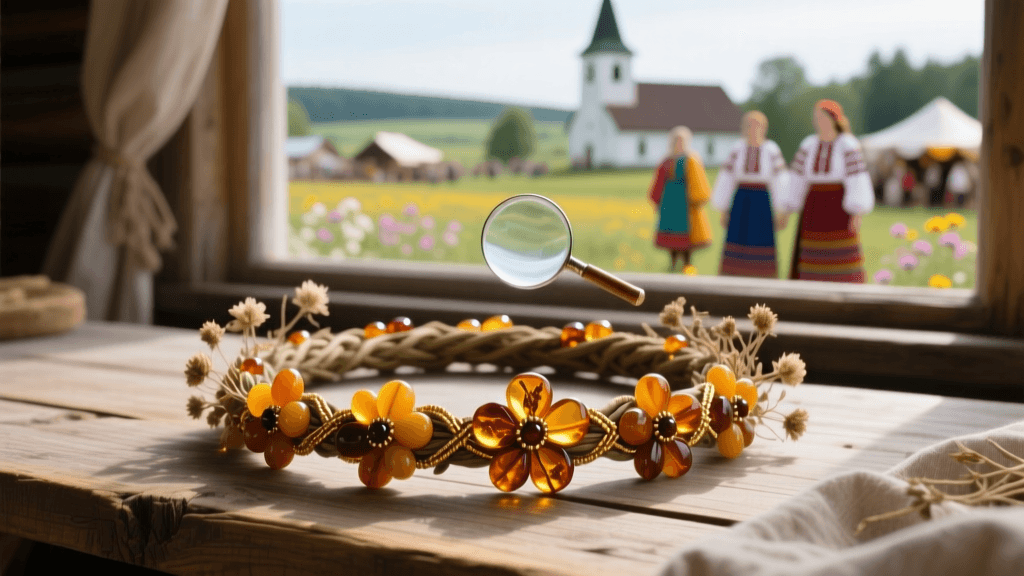
True Baltic amber contains succinic acid, a compound that gives it unique electrostatic and thermal properties. When shopping for heritage-style amber necklaces in 2026, buyers must look beyond the visual appeal of 'sun spangles' (internal fractures that create a glittering effect) and focus on verifiable traits. Natural inclusions, such as prehistoric insects or plant debris, significantly increase the value of a piece, but they are also the most frequently forged elements using modern epoxy resins.
At-Home Authentication Tests
Before investing in a high-end amber parure, perform these non-destructive tests to verify authenticity:
- The Saltwater Float Test: Mix 1 part salt to 2 parts warm water. True Baltic amber has a specific gravity of 1.05 to 1.10, meaning it will sink in fresh water but float in a saturated saltwater solution. Copal and most plastics will sink.
- The UV Light Test: Under a standard 365nm UV flashlight, authentic Baltic amber will fluoresce a pale blue, milky green, or soft yellow. Plastic replicas will remain inert, while copal often glows an artificial, bright white.
- The Electrostatic Test: Rub the bead vigorously against a natural wool cloth for 30 seconds. Genuine amber will develop a negative static charge and easily pick up small pieces of tissue paper. Glass and most synthetic beads will not.
Decoding Lithuanian Headwear: Vainikas, Galionas, and Nuometas
In Lithuanian ethnography, a woman's headwear was the most explicit indicator of her marital status, regional origin, and social standing. The transition from maidenhood to marriage was marked by a profound and highly ritualized change in head coverings, a tradition meticulously preserved by the Lithuanian National Culture Centre.
The Vainikas and Galionas (Maiden’s Crowns)
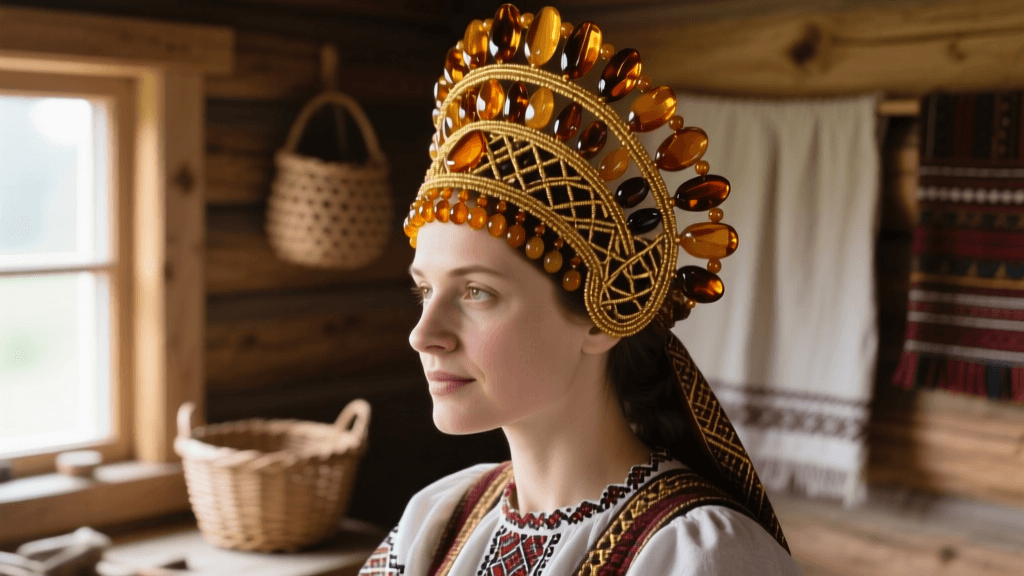
Unmarried women and girls traditionally left their hair uncovered or adorned with a vainikas (a wreath of fresh or silk flowers). For formal occasions and folk festivals, this evolved into the galionas or karūna—a rigid, crown-like headdress. The galionas is typically constructed from a base of birch bark or heavy linen, heavily embroidered with gold and silver metallic threads, and adorned with silk ribbons, sequins, and sometimes small amber pendants.
In the Dzūkija region, the galionas is often paired with a cascade of brightly colored silk ribbons that fall down the back, mimicking the flow of unbound hair. In 2026, master weavers in Vilnius are utilizing archival-grade metallic threads that resist tarnishing, ensuring that modern bespoke galionas retain their brilliance through decades of festival wear.
The Nuometas (Married Woman’s Wimple)
Upon marriage, a woman’s hair was braided and completely hidden. The nuometas is a long, rectangular piece of fine, white linen cloth (sometimes up to 4 meters long) wrapped intricately around the head and neck, leaving only the face exposed. The ends of the nuometas are often decorated with complex red and white geometric embroidery and finished with delicate lace or knotted fringe.
Wrapping a nuometas is an art form in itself, requiring specific folding techniques that vary not just by region, but by individual village. The crispness of the linen and the precision of the wrap were historically seen as reflections of a woman's diligence and moral character.
2026 Market Pricing and Sourcing Guide
Sourcing authentic folk accessories requires navigating a market divided between master artisans and mass-market costume suppliers. Below is a comparative breakdown of 2026 estimated pricing for authentic heritage pieces versus commercial replicas.
| Accessory Item | Authentic/Bespoke Artisan (2026 Est.) | Mass-Produced Costume Replica | Sourcing Notes |
|---|---|---|---|
| Baltic Amber Necklace (50g+) | €450 - €1,200 | €30 - €80 (Copal/Plastic) | Require IBA certification; avoid dyed beads. |
| Bespoke Galionas (Crown) | €800 - €2,500 | €120 - €250 | Commission directly from Lithuanian weavers. |
| Hand-Woven Linen Nuometas | €300 - €600 | €50 - €100 (Cotton blend) | Look for traditional shuttle-weave linen. |
| Amber & Silver Filigree Brooch | €250 - €750 | €40 - €90 (Alloy/Glass) | Seek 925 sterling silver with natural amber cabochons. |
For buyers seeking authentic pieces, the best approach in 2026 is to connect directly with certified guild artisans in Lithuania, Latvia, and Estonia. Many master weavers now operate digital storefronts and accept commissions via virtual consultations, allowing international buyers to specify regional patterns and precise head measurements.
Caring for Heritage Textiles and Resin
Preserving these delicate accessories requires an understanding of both organic chemistry and textile conservation. Amber is relatively soft, ranking between 2.0 and 2.5 on the Mohs hardness scale, making it highly susceptible to scratching and chemical degradation.
- Amber Care: Never clean amber with ultrasonic jewelry cleaners, steam, or harsh chemical solvents. Perfumes, hairsprays, and essential oils can cause the surface of the resin to cloud or craze over time. Clean amber only with a soft, damp microfiber cloth and store it in a separate soft pouch away from harder gemstones and metals.
- Textile Care (Nuometas & Galionas): The metallic threads used in galionas embroidery are prone to oxidation. Store headwear in acid-free tissue paper inside a breathable cotton box. Avoid plastic bins, which can trap moisture and accelerate the tarnishing of silver and gold threads. For the white linen nuometas, wash only by hand in lukewarm water using a pH-neutral textile detergent, and iron while slightly damp to achieve the crisp, structured folds required for proper wrapping.
Styling for the 2026 Dainų Šventė
The Baltic Song and Dance Celebrations, recognized by UNESCO as an Intangible Cultural Heritage of Humanity, represent the pinnacle of folk dress presentation. As participants and attendees prepare for the 2026 events, styling these accessories with historical accuracy is a point of immense cultural pride.
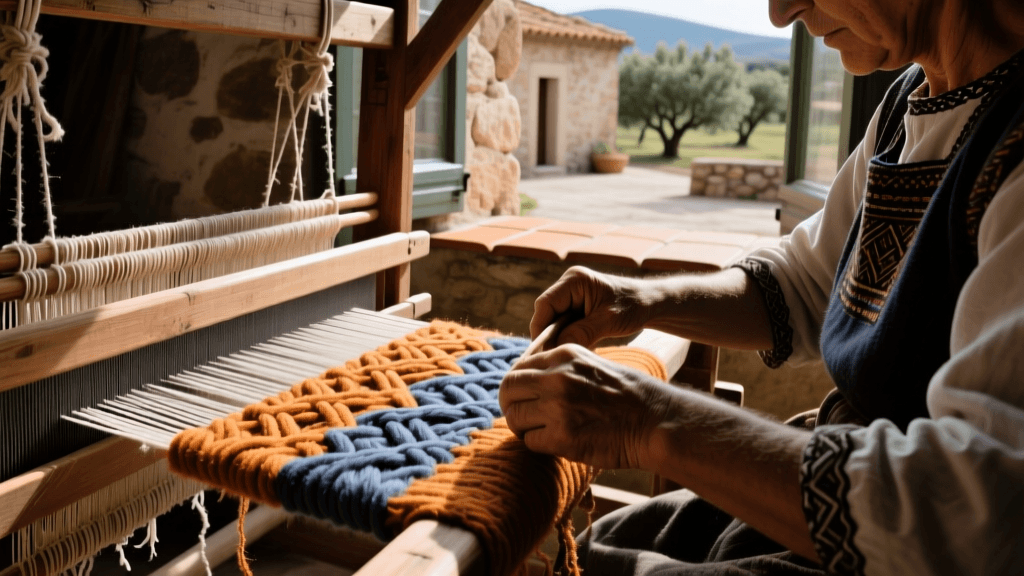
When wearing a galionas, ensure that the accompanying folk costume (tautinis kostiumas) matches the specific ethnographic region of the headdress. A Dzūkija crown should never be paired with a Žemaitija woven sash (juosta). The sash is a crucial structural and visual element; it is woven on rigid heddle or card looms using intricate pickup patterns that often encode ancient Baltic symbols, such as the sun (saulutė) or the star (žvaigždė).
For amber jewelry, the traditional styling favors multiple strands of varying lengths, sitting close to the collarbone. In 2026, there is a strong movement toward 'raw' or unpolished amber nuggets for everyday folk dress, reserving the highly polished, perfectly spherical beads for formal stage performances and wedding ceremonies.
Conclusion
The intersection of Baltic amber and traditional Lithuanian headwear offers a profound window into the ancestral aesthetics and social structures of Northern Europe. As we move through 2026, the commitment to authenticity—whether through rigorous resin testing or the commissioning of hand-woven linen—ensures that these ancient traditions remain vibrant and respected. By investing in genuine craftsmanship and adhering to proper conservation methods, modern enthusiasts do more than wear a costume; they become active custodians of a living, breathing European heritage.