Sardinian Pibiones Textiles & Heritage Garment Brands 2026
The Renaissance of Sardinian Pibiones and Orbace in 2026
As the global fashion industry in 2026 continues its pivot toward hyper-local sustainability and historical preservation, Italian regional traditional garments are experiencing a profound renaissance. Nowhere is this more evident than in Sardinia, an island whose geographic isolation has protected some of Europe's most complex and ancient textile traditions. Today, a new generation of heritage brands is translating the island's historic folk dress into contemporary wardrobes, ensuring that techniques like Pibiones weaving and Orbace wool production survive and thrive in the modern era.
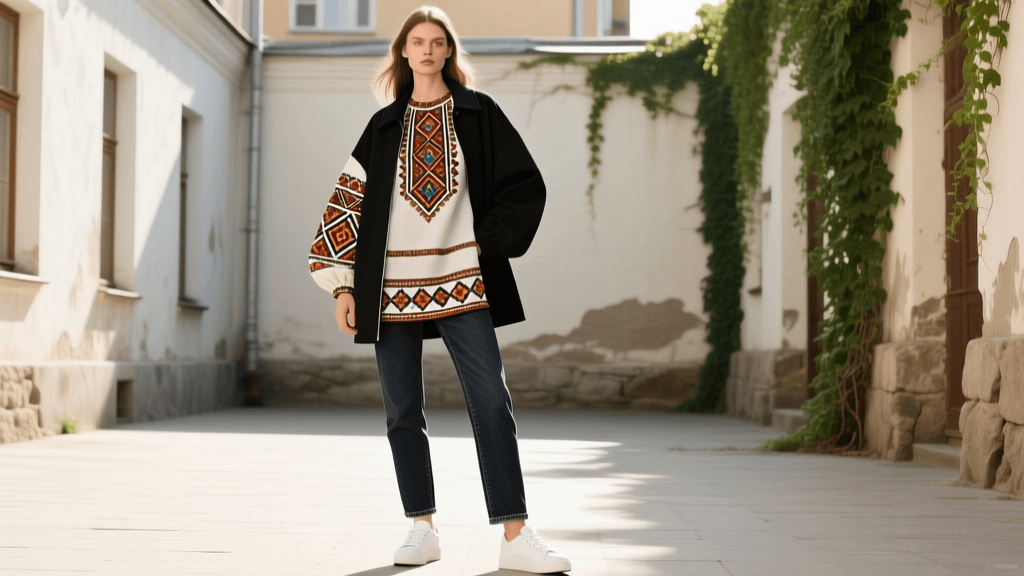
For centuries, Sardinian folk dress was a strict visual language. The cut, color, and embroidery of a garment immediately communicated the wearer's village, marital status, and social standing. While the daily wearing of the full traditional costume sardo has largely faded outside of festival days like the Cavalcata Sarda or the Feast of the Redeemer, the textiles themselves have found new life. In 2026, heritage brands are collaborating with master weavers to produce garments that honor these ancestral techniques while meeting the demands of modern, sustainable luxury.
Understanding the Core Textiles: Pibiones, Orbace, and Orletto
To appreciate the contemporary Sardinian garment market, one must first understand the foundational textiles that define the island's sartorial heritage. The island's weavers historically relied on locally sourced materials, creating fabrics that were as functional as they were beautiful.
Orbace: The Shepherd's Armor
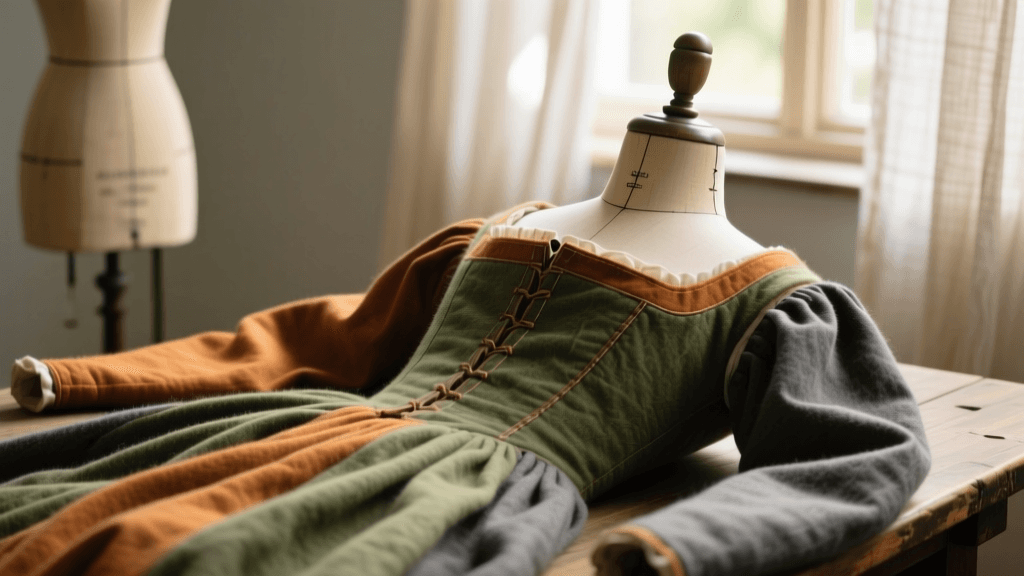
Orbace is a coarse, tightly woven wool fabric that is naturally water-resistant due to the high lanolin content retained during the traditional washing process. Historically, it was the primary material for the mastruca (a sleeveless shepherd's vest) and the heavy, pleated skirts worn by women in the mountainous Barbagia region. In 2026, heritage brands are utilizing lightweight, refined Orbace for structured winter coats and capes, prized for their durability and organic, un-dyed aesthetic.
Pibiones: The Raised Grain Technique
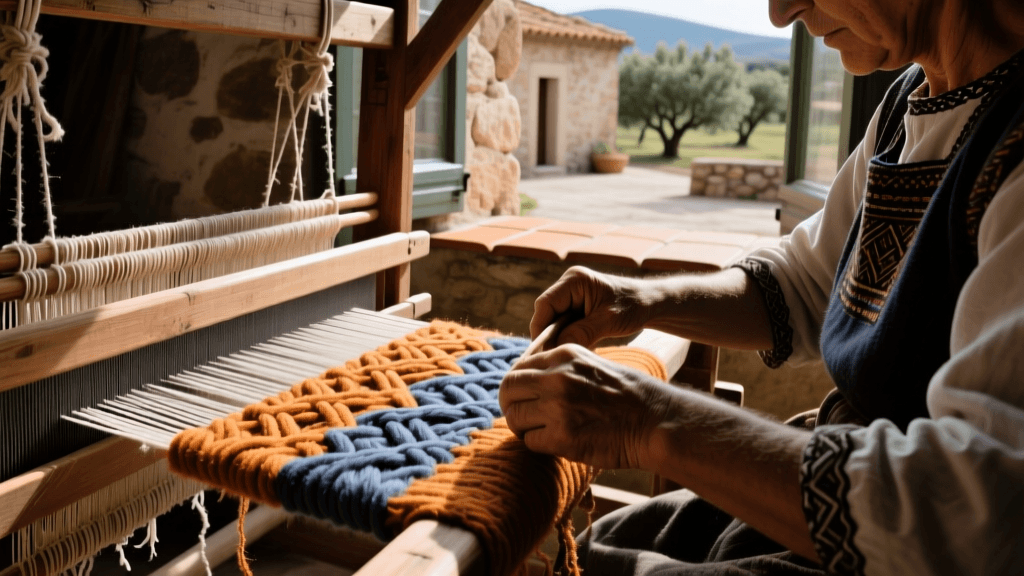
Pibiones (meaning "grains" or "berries" in the Sardinian dialect) is a highly specialized weaving technique that creates a raised, textured pattern on a flat-weave background. Achieved by manually looping the weft yarn over a metal or wooden rod before beating it down, the resulting fabric is incredibly durable and visually striking. While traditionally reserved for bridal bedspreads and dowry linens, 2026 collections from Samugheo's master weavers now feature Pibiones accents on tailored bodices, handbags, and statement outerwear.
Orletto and Raw Silk
For the delicate undergarments and blouses (camisa) of the traditional Sardinian wardrobe, weavers utilized orletto (a fine, homespun linen or cotton) and raw silk. Today, these breathable, lightweight fabrics are being blended with organic cotton by heritage cooperatives to create modern, ethically produced blouses that feature traditional punto a giorno (hemstitch) embroidery.
Heritage Brands Leading the 2026 Revival
The survival of these labor-intensive techniques relies on the economic viability of the artisan workshops. Several heritage brands and cooperatives have emerged as leaders in the 2026 sustainable fashion space, bridging the gap between the wooden loom and the global market.
Edilana: Natural Dyes and Ethical Wool
Based in Guspini, Edilana has become a benchmark for sustainable textile production in Italy. In 2026, their commitment to the entire supply chain—from the organic rearing of local Sarda sheep to the use of botanical dyes—sets them apart. Edilana's master dyers utilize madder root for deep reds, walnut hulls for rich browns, and wild lavender for soft purples. Their contemporary capes and wrap skirts, crafted from naturally dyed Orbace, are highly sought after by eco-conscious consumers seeking garments with a verifiable, zero-carbon footprint.
Mariantonia Urru: High-End Pibiones
Located in Samugheo, a village legendary for its weaving tradition, the Mariantonia Urru studio represents the pinnacle of Sardinian textile artistry. While they are globally renowned for their monumental Pibiones carpets, their 2026 foray into wearable textiles has been groundbreaking. By scaling down the traditional loom setups and utilizing finer merino and silk blends, the studio produces Pibiones shawls and structured jacket panels that drape beautifully while retaining the iconic raised-grain texture.
Cooperativa Tessitrici di Samugheo
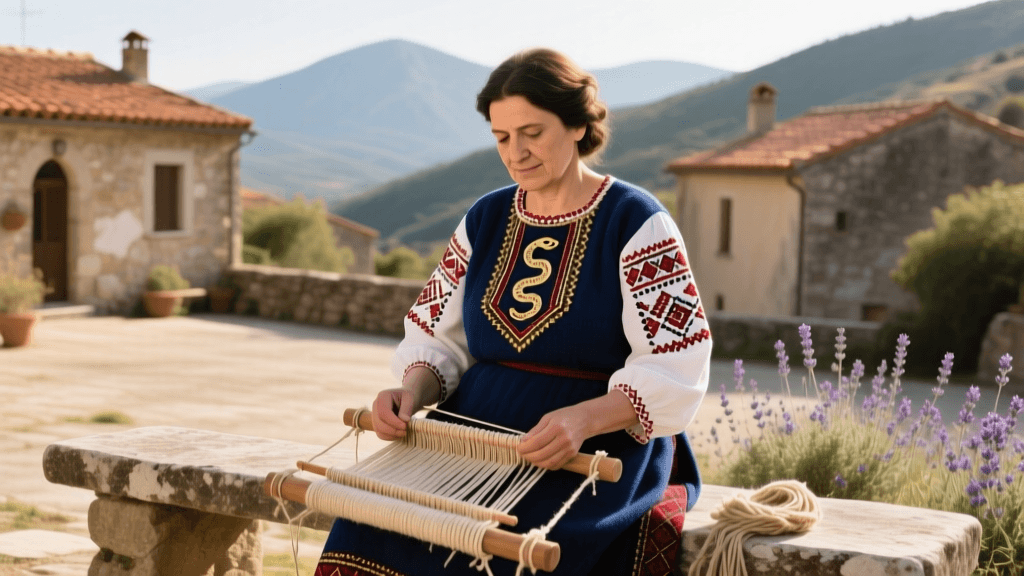
Cooperatives remain the backbone of the Sardinian weaving economy. The women of the Samugheo cooperative continue to preserve the exact patterns passed down through generations, including the intricate su brinu (the bran) and sa pudda (the hen) motifs. In 2026, these cooperatives are partnering with Milanese and Parisian design houses to supply authentic, hand-loomed textiles for high-fashion capsule collections, ensuring fair wages for the weavers and global visibility for the craft.
Comparison Chart: Sardinian Textiles for Modern Garments
For collectors, designers, and enthusiasts looking to source authentic Sardinian textiles in 2026, understanding the practical applications and market pricing of these fabrics is essential.
| Textile Type | Traditional Garment Use | 2026 Contemporary Application | Avg. Price per Meter (EUR) | Weight & Drape |
|---|---|---|---|---|
| Orbace (Coarse Wool) | Mastruca (Vest), Gonnella (Skirt) | Winter Capes, Structured Overcoats | €85 - €120 | Heavy, Stiff, Water-Resistant |
| Pibiones (Raised Grain) | Bridal Bedspreads, Dowry Linens | Jacket Panels, Statement Shawls, Bags | €250 - €400 | Medium-Heavy, Textured, Structured |
| Orletto (Fine Linen/Cotton) | Camisa (Blouse), Headscarves | Summer Blouses, Hemstitch Dresses | €45 - €70 | Lightweight, Breathable, Fluid |
| Raw Silk / Orletto di Seta | Festive Bodices, Aprons | Evening Wear, Silk Scarves, Linings | €150 - €220 | Light, Crisp, Lustrous |
Authenticity and Sourcing: Avoiding Counterfeits
As the demand for authentic European folk dress and heritage textiles grows, so does the market for machine-made imitations. When sourcing Sardinian garments in 2026, provenance is paramount. True hand-loomed Pibiones will feature slight, beautiful irregularities on the reverse side of the fabric, whereas machine-made copies will appear perfectly uniform.
Buyers should look for the Marchio di Qualità Artigianato della Sardegna (Quality Mark of Sardinian Craftsmanship), which guarantees that the item was produced using traditional methods within the region. For those interested in the historical context and authentication of regional patterns, the Museo della Vita e delle Tradizioni Popolari Sarde in Nuoro remains the ultimate authority. Their archives provide exhaustive documentation on village-specific motifs, helping collectors verify the origins of antique and contemporary pieces alike.
Furthermore, experiencing the craft firsthand is highly recommended. According to regional cultural initiatives highlighted by Sardinia Tourism, visiting the artisan workshops in Samugheo, Nule, and Aggius allows buyers to commission bespoke garments directly from the weavers, ensuring fair compensation and absolute authenticity.
How to Style and Care for Sardinian Heritage Garments
Integrating heavy, historic textiles into a modern 2026 wardrobe requires thoughtful styling and meticulous care. A contemporary Orbace cape, for instance, pairs beautifully with minimalist, monochromatic tailoring, allowing the natural texture and organic dye variations of the wool to serve as the focal point of the outfit.
Care Instructions for Orbace and Pibiones
- Avoid Frequent Washing: The natural lanolin in Orbace wool repels dirt and odors. Instead of washing, air the garment outside on a dry, breezy day and use a soft-bristled brush to remove surface dust.
- Spot Cleaning: If necessary, use cold water and a pH-neutral, lanolin-based wool soap. Never rub the fabric vigorously, as this will cause the coarse fibers to felt and shrink.
- Storing Pibiones: Because the raised loops of Pibiones weaving can snag easily, store shawls and jackets flat or rolled in acid-free tissue paper. Never hang heavy Pibiones garments on wire hangers, as the weight of the fabric will distort the warp threads over time.
- Moth Prevention: Sardinian wool is highly susceptible to moth damage. Store garments in cedar-lined chests or use natural lavender sachets, avoiding chemical mothballs which will strip the wool of its natural oils and alter the botanical dyes.
The Future of Italian Regional Dress
The trajectory of Sardinian traditional garments in 2026 proves that folk dress is not a static relic of the past, but a living, evolving textile language. By embracing the slow fashion movement, heritage brands are ensuring that the rhythmic clatter of the wooden loom continues to echo through the valleys of Barbagia. Whether through a meticulously woven Pibiones shawl or a rugged, naturally dyed Orbace coat, wearing Sardinian heritage is a commitment to preserving one of Europe's most magnificent artisanal legacies.