2026 Vyshyvanka Guide: Styling Ukrainian Folk Embroidery
The 2026 Vyshyvanka Renaissance: From Heritage to High Fashion
The vyshyvanka—the traditional Ukrainian embroidered shirt—has undergone a remarkable evolution. While it has always been a profound symbol of cultural identity and resilience, its place in the global fashion landscape has shifted dramatically. As we navigate the Spring and Summer 2026 seasons, the vyshyvanka is no longer reserved solely for cultural festivals or national holidays. Instead, it has firmly established itself as a cornerstone of the global "Heritage Minimalism" trend, blending centuries-old Slavic needlecraft with contemporary urban streetwear and high-fashion tailoring.
According to cultural historians and industry analysts tracking the global fashion business, the integration of Eastern European folk dress into everyday wardrobes has accelerated. Designers are moving away from costume-like reproductions, opting instead for subtle, hyper-crafted embroidery on modern silhouettes. The 2026 revival is defined by sustainability, artisanal authenticity, and a rejection of fast-fashion approximations. Today, wearing a vyshyvanka is a deliberate sartorial choice that bridges the gap between ancestral reverence and cutting-edge 2026 street style.
Decoding the Embroidery: Regional Styles and Meanings
To style the vyshyvanka authentically in 2026, one must first understand the regional dialects of Ukrainian embroidery. The motifs, thread colors, and stitching techniques vary wildly from the Carpathian Mountains to the eastern steppes. Referencing the extensive historical archives documented in Wikipedia's comprehensive guide to the Vyshyvanka, we can categorize the most prominent styles that are currently dominating the contemporary revival market.
| Region | Traditional Motif & Color | 2026 Fabric Trend | Contemporary Styling Pairing |
|---|---|---|---|
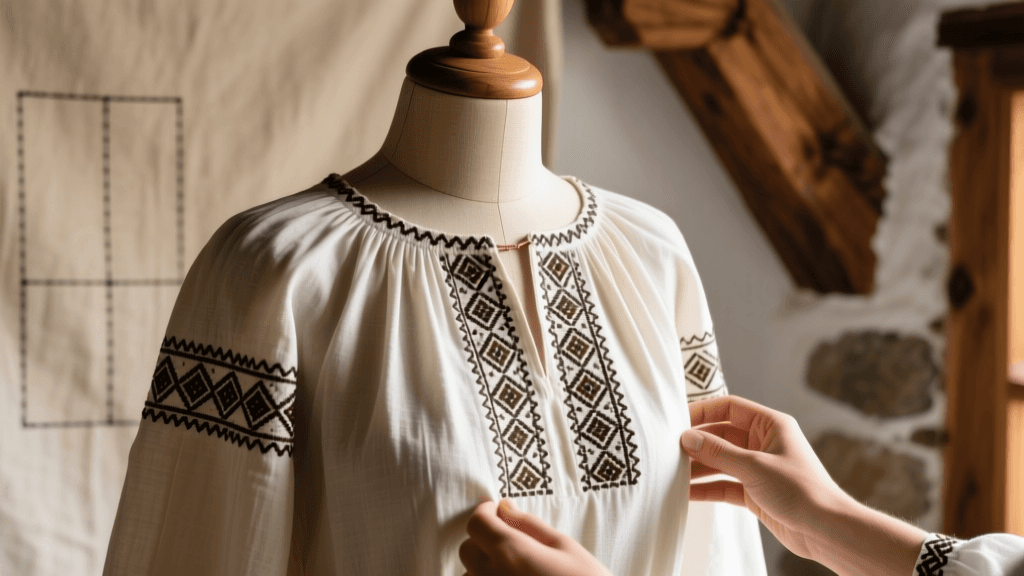
| Poltava | White-on-white, intricate geometric and floral cutwork. | Heavyweight organic linen, raw hems. | Monochromatic "quiet luxury" tailoring; paired with wide-leg cream trousers. |
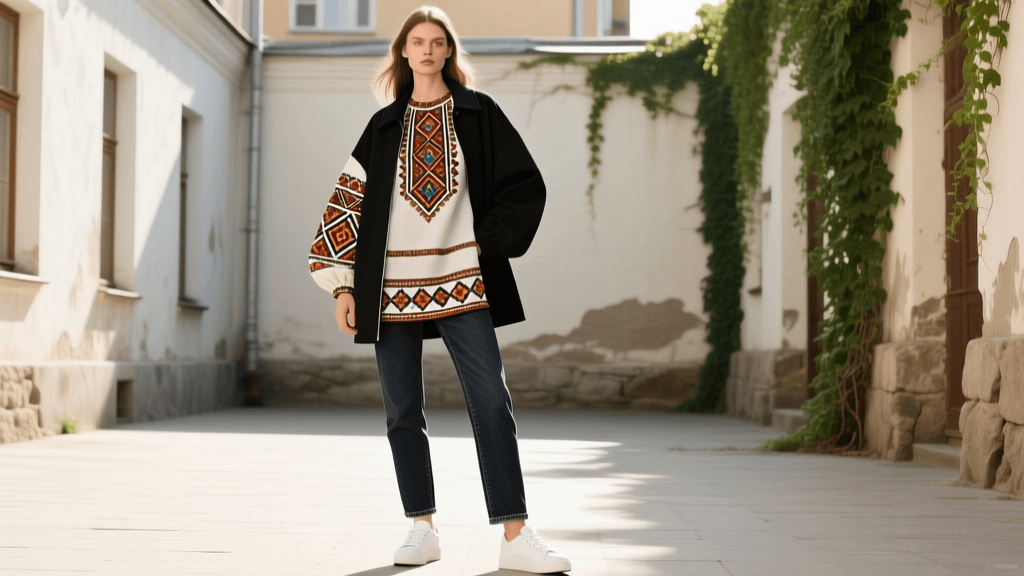
| Hutsul (Carpathian) | Vibrant red, black, and yellow; dense geometric crosses and stars. | Crisp cotton poplin, relaxed boxy cuts. | Streetwear contrast; layered under oversized denim jackets or leather bombers. |
| Borshchiv | Thick black thread (historically dyed with oak bark and iron); dense sleeves. | Semi-sheer black linen, dramatic balloon sleeves. | Evening gothic-minimalism; tucked into high-waisted leather midi skirts. |
| Kyiv / Central | Red and black floral vines, stylized viburnum (kalyna) and oak leaves. | Soft bamboo-linen blends, oversized tunics. | Bohemian urbanite; belted over straight-leg vintage denim with chunky loafers. |
Contemporary Styling Rules for 2026
The key to wearing folk dress in a modern context is contrast. The juxtaposition of ancient, painstakingly crafted embroidery against the utilitarian or structured fabrics of 2026 urban wear creates a visually striking silhouette. Here are the definitive styling rules for the contemporary vyshyvanka this year.
1. The Oversized Streetwear Silhouette
Gone are the days of the fitted, tucked-in peasant blouse. In 2026, the prevailing silhouette for everyday wear is dramatically oversized. Look for vyshyvankas with dropped shoulders, deep V-necks with long tassels (torok), and billowing sleeves that gather at a tight cuff. Style an oversized Hutsul-inspired piece with relaxed, puddle-hem cargo trousers and chunky, lug-sole sneakers. The volume of the shirt should mirror the relaxed proportions of modern streetwear, allowing the dense embroidery on the cuffs and collar to act as subtle, unexpected accents when your arms are in motion.
2. High-Low Contrast: Tailoring Meets Folk
For the office or elevated evening wear, the "Heritage Minimalism" trend relies on high-low contrast. A pristine, white-on-white Poltava vyshyvanka is the ultimate power piece for 2026. Wear it beneath a sharply tailored, single-breasted wool blazer in charcoal or deep navy. The crispness of the modern tailoring frames the delicate, historical cutwork of the shirt's collar and chest panel. Leave the top button undone to let the traditional tassel hang freely against the lapel. This look respects the garment's history while firmly planting it in the modern metropolitan wardrobe.
3. Sustainable and Upcycled Linens
Sustainability is not just a buzzword; it is the core ethos of the 2026 folk revival. Consumers are actively seeking out garments made from heritage hemp and organic flax linen, which require significantly less water and pesticides than conventional cotton. When styling these heavier, textured fabrics, lean into the "earthy utilitarian" aesthetic. Pair a natural, unbleached hemp vyshyvanka with raw selvedge denim and vegetable-tanned leather boots. The organic imperfections of the hand-loomed fabric will complement the ruggedness of the denim, creating a cohesive, grounded outfit.
Accessories and Footwear: Completing the 2026 Look
Accessories can either elevate a folk garment or push it into the realm of costume. To maintain a contemporary edge, avoid matching your jewelry to the traditional motifs of the shirt. Instead, opt for modern, brutalist, or minimalist metalwork.
- Jewelry: Heavy, asymmetrical silver ear cuffs or thick, unpolished brass rings provide a striking modern counterpoint to the delicate cross-stitch or satin-stitch embroidery.
- Footwear: Avoid traditional folk shoes or espadrilles unless you are attending a specific cultural event. For 2026 street style, pair your vyshyvanka with square-toed leather ankle boots, minimalist white leather sneakers, or chunky Mary Janes.
- Bags: Structured, geometric leather handbags or high-tech nylon crossbody bags create a brilliant tension with the organic, historical nature of the embroidered shirt.
Sourcing Authentic Pieces: The 2026 Market
As the demand for authentic Eastern European folk dress has surged globally, the market has unfortunately seen an influx of mass-produced, machine-embroidered imitations. True revivalists and cultural preservationists emphasize the importance of ethical sourcing. According to cultural preservation guidelines outlined by the UNESCO Intangible Cultural Heritage database, supporting the living artisans who maintain these traditional needlecrafts is vital for the survival of the practice.
In 2026, a genuine, hand-embroidered vyshyvanka crafted by a verified Ukrainian artisan cooperative typically ranges from $180 to $450, depending on the complexity of the stitch work and the quality of the hand-loomed linen. Machine-made alternatives, often produced outside of Eastern Europe, flood the lower market at the $40 to $80 price point. While accessible, they lack the structural integrity, the historical accuracy of the motifs, and the cultural soul of the garment.
To source authentically, look for brands that transparently list their artisan networks, such as Etnodim, Vita Kin, or smaller cooperatives operating out of Lviv and Kyiv that have established direct-to-consumer global shipping channels. Many of these cooperatives now offer digital "passports" for their garments via QR codes, detailing the specific village the motifs originate from and the name of the artisan who stitched the piece.
Caring for Hand-Embroidered Heritage Linens
Investing in a hand-crafted vyshyvanka requires a commitment to proper garment care. The dense embroidery can cause the surrounding linen to pucker if washed or dried incorrectly. Follow these 2026 best practices for textile preservation:
- Hand Wash Only: Never machine wash a hand-embroidered piece. Submerge the garment in cool water with a pH-neutral, enzyme-free detergent specifically formulated for natural fibers.
- Avoid Agitation: Gently press the water through the fabric. Do not wring, twist, or scrub the embroidered areas, as this will distort the tension of the threads and cause the linen base to warp.
- Block Drying: Lay the shirt flat on a clean, dry towel. Gently reshape the collar, cuffs, and hem. Roll the towel up to press out excess moisture, then unroll and allow it to air dry away from direct sunlight, which can yellow unbleached linen and fade natural thread dyes.
- Pressing: Iron the garment while it is still slightly damp. Always iron on the reverse side over a thick, plush towel. This prevents the iron from crushing the three-dimensional texture of the embroidery stitches, keeping them raised and vibrant.
Conclusion
The 2026 styling of the Ukrainian vyshyvanka is a masterclass in how traditional European folk dress can transcend its historical boundaries without losing its soul. By understanding the regional dialects of the embroidery, embracing modern silhouettes, and committing to ethical artisan sourcing, you can integrate this powerful garment into your contemporary wardrobe. It is no longer just a relic of the past; it is a living, breathing testament to the enduring power of heritage craft in modern fashion.