Norwegian Bunad Regional Guide 2026: Styles & Silver
The Living Heritage of the Bunad in 2026
The Norwegian bunad is far more than a mere folk costume; it is a living, breathing testament to regional identity, ancestral craftsmanship, and national pride. Unlike static museum pieces, the bunad is actively worn at weddings, baptisms, and the annual Constitution Day (Syttende Mai) celebrations. As we navigate 2026, the revival of hand-woven textiles and traditional silversmithing has reached new heights, driven by a younger generation's desire for sustainable, traceable, and historically accurate garments. This comprehensive guide explores the distinct regional variations of the bunad, the intricate silver jewelry that accompanies them, and the modern realities of sourcing and tailoring these masterpieces today.
The Authority of the Bunad- og folkedraktrådet
When researching or purchasing a bunad, authenticity is paramount. In Norway, the Bunad- og folkedraktrådet (National Council for Folk Costumes) serves as the ultimate authority on historical accuracy, textile reconstruction, and ethical manufacturing. As of 2026, the Council has implemented stricter guidelines regarding the use of synthetic threads and mass-produced silver, heavily favoring heritage-breed wools and hand-forged components. Their ongoing research ensures that regional patterns—many of which were reconstructed from fragmented 18th-century rural garments—remain true to their origins while adapting to modern wearability standards.
Regional Variations: A Comparative Guide
Norway boasts over 450 distinct bunad variations, each tied to a specific valley, municipality, or historical district. Below, we examine three of the most iconic and historically significant regional styles.
The Hardangerbunad: The Mother of All Bunads
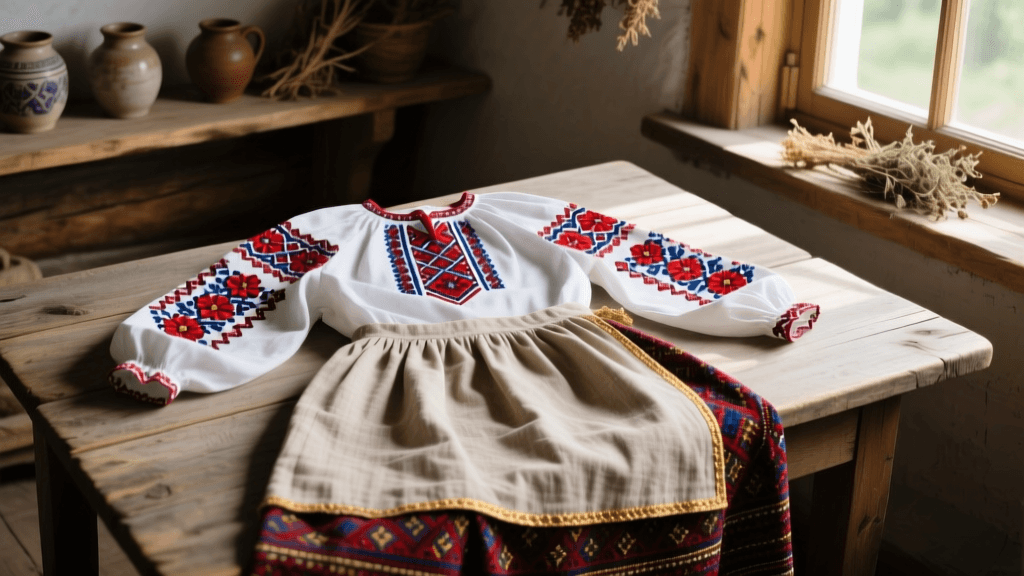
Originating from the Hardanger fjord region, the Hardangerbunad is widely considered the first official bunad, popularized during the early 1900s national romantic movement. The women's garment is characterized by its striking cross-stitch embroidery (korssting) in vibrant reds, yellows, and blues against a stark white linen apron. The skirt is traditionally black or deep navy blue, made from heavy, locally sourced wool. In 2026, master weavers in the region have returned to using 100% Spælsau sheep wool, prized for its natural luster and wind-resistant outer layer, ensuring the skirt drapes perfectly while offering exceptional durability.
The Telemarkbunad: Prestige and Intricacy
The Telemark bunad is often regarded as one of the most prestigious and complex garments in the Norwegian wardrobe. Based on rural clothing from the late 18th and early 19th centuries, it features rich, asymmetrical floral embroidery inspired by local rosemaling (rose painting) and Ottoman textile imports that historically reached Norway via trade routes. The women's bunad typically features a dark blue or black wool skirt with a heavily embroidered bodice and a silk scarf. The 2026 market has seen a surge in demand for the "Øst-Telemark" variation, which requires over 200 hours of specialized goldwork and silk-thread embroidery, making it one of the most expensive and sought-after styles available.
The Trønderbunad: Rosemaling in Thread
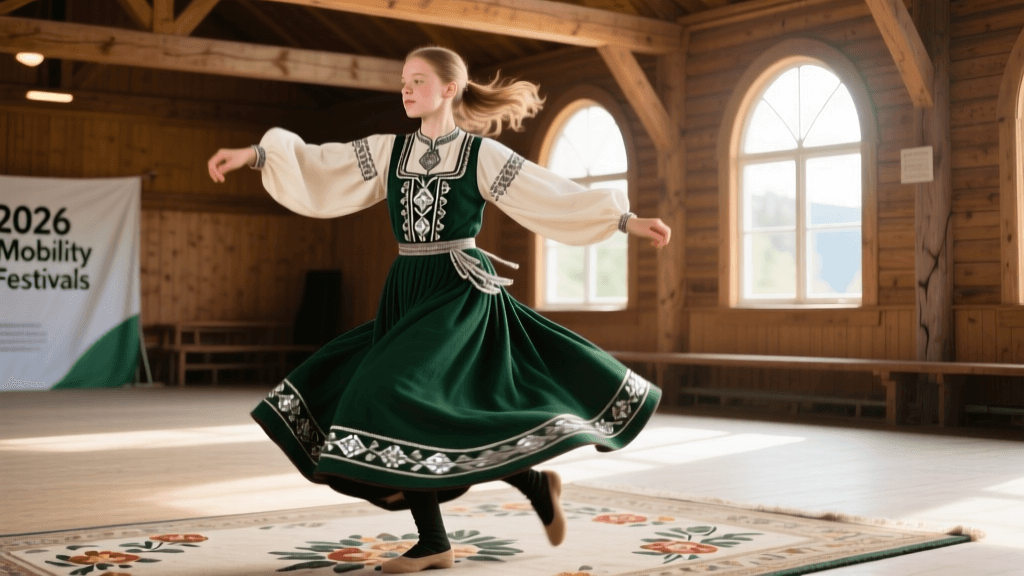
Hailing from the Trøndelag region in central Norway, the Trønderbunad is instantly recognizable by its vibrant embroidery that mimics the region's traditional woodcarving and rosemaling motifs. The primary colors are deep forest green, burgundy, and navy, accented with bright floral threadwork. Unlike the heavier wools of the western fjords, the Trønderbunad often utilizes a slightly lighter wool blend suited for the varied continental climate of central Norway. The accompanying silver jewelry is distinct, often featuring intricate filigree work that contrasts beautifully with the darker fabrics.
2026 Regional Bunad Comparison Chart
| Region | Primary Skirt Color | Distinctive Embroidery | Typical Silver (Sølje) | Average 2026 Custom Cost (USD) |
|---|---|---|---|---|
| Hardanger | Black or Navy | Cross-stitch on white linen | Polished silver with hanging spoons | $3,800 - $4,500 |
| Telemark (Øst) | Dark Blue or Black | Asymmetrical floral silk/goldwork | Heavy oxidized silver, large neck brooch | $5,500 - $7,200 |
| Trøndelag | Forest Green or Burgundy | Rosemaling-inspired floral motifs | Intricate filigree, crown-style pins | $3,500 - $4,200 |
| Valdres | Black, Green, or Blue | Wool thread floral on dark fabric | Delicate chain-linked sølje | $3,200 - $3,900 |
The Art of Norwegian Silver (Sølje)
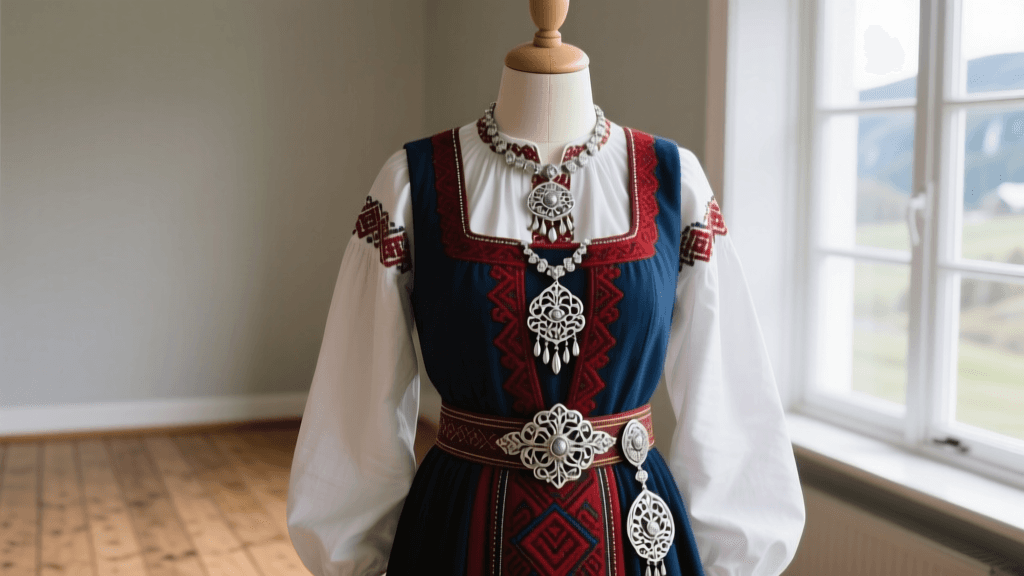
No bunad is complete without its accompanying silver jewelry, collectively known as sølje. Historically, silver was a form of wearable wealth and a status symbol in rural farming communities. The most prominent piece is the neck brooch (halssølje), which fastens the linen shirt at the collar. Other essential pieces include the waist clasp (veslelås), cufflinks, and ornate hairpins.
In 2026, the trend among younger wearers has shifted toward oxidized (darkened) silver for everyday heirloom wear, while highly polished silver remains the standard for wedding parties. The Norges Husflidslag (Norwegian Handicraft Association) strictly monitors the silver used in certified bunads. Authentic pieces must be stamped with the maker's mark and the silver content (typically 830s or 925s sterling). When sourcing silver, buyers are advised to avoid mass-produced imports and instead commission pieces from recognized local silversmiths in hubs like Voss, Oslo, or Bergen, where traditional filigree (tinvare) and granulation techniques are still taught through rigorous apprenticeships.
2026 Sourcing, Pricing, and Sustainable Textiles
Acquiring a genuine, custom-tailored bunad is a significant financial and temporal investment. As of 2026, the baseline cost for a complete women's bunad—including the wool skirt, embroidered bodice, linen shirt, silk accessories, and basic silver—ranges from $3,500 to over $7,000 USD, depending on the region and the complexity of the hand-embroidery. Men's bunads, which feature intricate wool embroidery and specialized silver buttons, typically range from $2,800 to $4,500 USD.
The lead time for a custom bunad in 2026 is generally between 6 to 14 months. This extended timeline is due to the meticulous hand-stitching required and the global shortage of specialized heritage textiles. However, the push for sustainability has led to a renaissance in domestic Norwegian wool production. Mills in Hordaland and Telemark are now partnering directly with local sheep farmers to guarantee that the wool used in 2026 productions is 100% traceable, ethically sheared, and dyed using low-impact, eco-friendly mordants.
The 12-Point Measurement Protocol
Because a bunad is tailored to fit the individual perfectly, standard sizing does not apply. When visiting a certified Husfliden boutique or an independent master tailor, you will undergo a rigorous 12-point measurement process. To ensure the best fit, follow these actionable guidelines before your appointment:
- Timing: Schedule your measurements in the morning, as the body's dimensions can shift slightly throughout the day due to hydration and posture.
- Undergarments: Wear the exact undergarments you plan to wear with the bunad. The cut of the bodice relies heavily on the support and profile of your chosen foundation garments.
- Posture: Stand naturally. Do not suck in your stomach or stand artificially straight; the tailor needs to account for your natural breathing and sitting movements.
- Footwear: Bring the specific bunad shoes you intend to wear. The hemline of the wool skirt must be measured precisely to hover exactly one inch above the ground when wearing the traditional silver-buckled leather shoes.
- Weight Fluctuations: Tailors often include discreet seam allowances in the side panels of the bodice and skirt waistband, allowing for minor weight fluctuations over the decades. Discuss your long-term fit goals with the tailor during the initial consultation.
Preservation and Moth Prevention
A bunad is an heirloom designed to be passed down through multiple generations. Proper care is essential to preserve both the wool textiles and the silver components. According to preservation experts at the Norwegian Museum of Cultural History, the greatest threat to wool bunads is the clothes moth (Tineola bisselliella).
In 2026, eco-friendly preservation methods have largely replaced harsh chemical mothballs. The recommended protocol involves airing the garment outdoors on a dry, breezy day after each wear to remove moisture and odors. For long-term storage, the bunad should be wrapped in unbleached cotton or acid-free tissue paper and placed in a cedar-lined chest. Many modern owners utilize specialized pheromone traps and regular freezing cycles (placing the garment in a sealed bag and freezing it at -18°C for 72 hours) to eliminate any potential moth larvae without damaging the delicate silk or metallic embroidery threads. Silver should be stored in anti-tarnish cloth bags, separate from the wool, to prevent sulfur transfer and oxidation.
Conclusion
The Norwegian bunad remains a profound expression of cultural continuity. Whether you are drawn to the stark, geometric beauty of the Hardanger cross-stitch, the opulent silk florals of Telemark, or the vibrant rosemaling of Trøndelag, investing in a bunad is an investment in living history. By adhering to the guidelines set forth by national councils, supporting local silversmiths, and embracing sustainable textile practices, the 2026 generation ensures that these magnificent garments will continue to grace the valleys and fjords of Norway for centuries to come.