Authentic Slavic Vyshyvanka & Sarafan Style Guide 2026
The 2026 Renaissance of Slavic and Balkan Folk Dress
The landscape of European folk dress has experienced a profound renaissance as we move through 2026. Moving far beyond mere festival costumes or theatrical reproductions, traditional Eastern European and Slavic garments have firmly established themselves in the realm of slow fashion, heritage preservation, and contemporary wardrobes. Driven by a global desire for sustainable, artisan-made clothing and a deep reconnection with cultural roots, pieces like the Ukrainian Vyshyvanka and the Northern Slavic Sarafan are being reimagined for modern life. This comprehensive guide explores the construction, regional variations, and modern sourcing of these iconic garments, providing actionable advice for collectors, cultural enthusiasts, and fashion historians alike.
Decoding the Vyshyvanka: Ukraine’s Embroidered Masterpiece
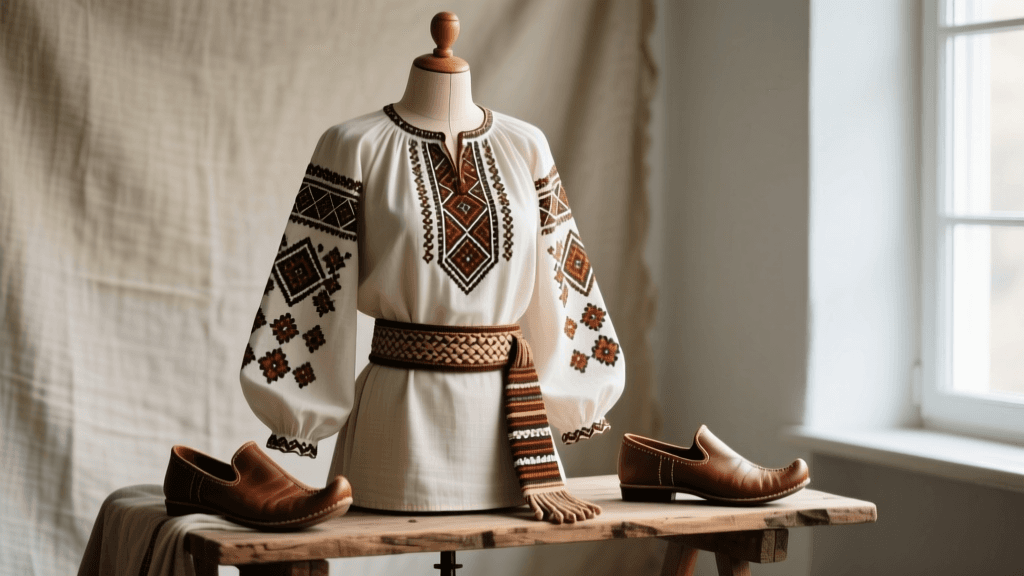
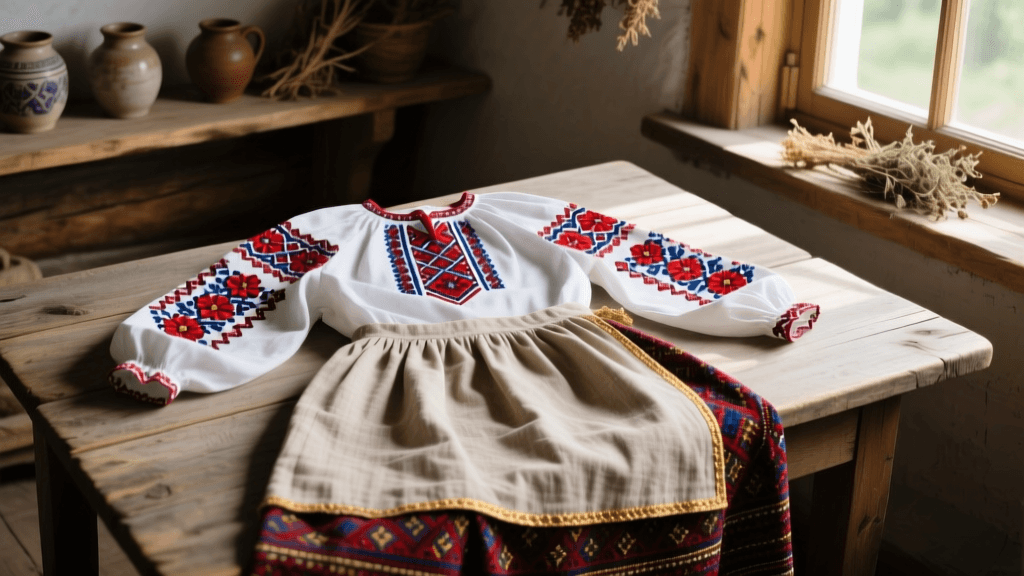
The Vyshyvanka is far more than a simple embroidered shirt; it is a textile codex of Ukrainian history, spirituality, and regional identity. In 2026, the demand for authentic, hand-stitched Vyshyvankas has surged, with buyers increasingly prioritizing historical accuracy and natural fibers over mass-produced, machine-embroidered alternatives.
Regional Variations and Motifs
Understanding the geometry and color theory of the Vyshyvanka is crucial for authentic sourcing. The embroidery is not merely decorative; it serves as a protective talisman and a marker of geographic origin.
- Poltava Region: Characterized by 'white-on-white' embroidery and intricate cutwork (merezhka). This style is highly sought after in 2026 for its subtle, minimalist elegance that pairs effortlessly with modern tailoring.
- Hutsul Region (Carpathians): Famous for dense, geometric cross-stitch patterns utilizing vibrant reds, blacks, and yellows. The complexity of Hutsul embroidery makes these pieces some of the most expensive and time-consuming to commission.
- Volyn Region: Features distinct red-and-black geometric motifs, often arranged in strict, repeating bands along the cuffs, collar, and chest placket.
Commissioning a Bespoke Vyshyvanka in 2026
If you are commissioning a bespoke piece this year, precise measurements and fabric selection are paramount. Authentic shirts are constructed from unbleached or naturally dyed linen, typically ranging from 160 to 190 GSM (grams per square meter) to support the heavy tension of hand-embroidery without puckering. When providing measurements to an artisan, ensure you include the exact circumference of the bicep and the desired depth of the chest placket (traditionally 15-20 cm). Expect to pay between $280 and $650 USD for authentic hand-embroidered pieces, with lead times spanning three to six months due to the meticulous nature of the stitch work.
The Sarafan: Northern Slavic Elegance
While the Vyshyvanka dominates Eastern Slavic textiles, the Sarafan—a traditional sleeveless pinafore dress—remains the quintessential garment of Northern and Central Russia, as well as parts of Belarus. In 2026, the Sarafan has been embraced by sustainable fashion advocates for its zero-waste trapezoidal construction and versatility.
Silhouette and Construction
The classic Sarafan is cut from multiple gores (triangular or trapezoidal panels) that flare out from a fitted bodice or shoulder straps, creating a sweeping, A-line silhouette. This design historically allowed for ease of movement and accommodated the multiple layers of undergarments worn in colder climates. Modern 2026 interpretations often streamline the bodice for a more tailored fit while retaining the dramatic flare of the skirt. The front closure, traditionally fastened with ornate brass or silver buttons and loops, remains a focal point of the garment's aesthetic.
Modern Fabric Selections
For contemporary wear, heavy wool and stiff brocades are being replaced by sustainable, high-quality textiles. Organic cotton sateen, Tencel-linen blends, and peace silk are the top choices for 2026 Sarafan commissions. These fabrics offer the historical drape and volume of the garment while providing the breathability required for modern, climate-controlled environments. When purchasing off-the-rack, look for garments that utilize hidden side-seam pockets—a modern addition that artisans are now integrating seamlessly into the side gores.
Balkan Influences: Heavy Wovens and Leatherwork
A complete exploration of Eastern European folk dress must acknowledge the profound textile traditions of the Balkans. Moving southward into Serbia, Bulgaria, and Romania, the aesthetic shifts from the flowing linens of the north to heavily structured, layered garments designed for mountainous terrains.
Integrating Balkan Textiles
The Jeles (heavily embroidered woolen vests) and Zubun (sleeveless outer garments) are masterclasses in textile density. In 2026, vintage Balkan vests are highly prized as statement layering pieces over modern turtlenecks or crisp white blouses. The embroidery here utilizes gold and silver metallic threads (srma), couched onto dark red, black, or deep blue wool. When sourcing these items, it is vital to inspect the metallic threads for tarnishing and the wool for moth damage. Authentic vintage pieces from the mid-20th century can range from $150 to $800 USD, depending on the density of the metallic couching and the provenance of the piece.
2026 Sourcing Comparison Chart
Finding authentic Eastern European folk dress requires navigating a complex market of artisans, vintage dealers, and commercial manufacturers. Below is a comparison of the primary sourcing channels available in 2026.
| Sourcing Channel | Authenticity & Quality | Estimated Cost (USD) | Lead Time | Best For |
|---|---|---|---|---|
| Direct Artisan Cooperatives | Highest (100% hand-stitched, natural dyes) | $350 - $800+ | 3 - 6 Months | Collectors, heritage preservationists |
| Verified Etsy Master-Crafters | High (Hand-finished, some machine base) | $180 - $450 | 4 - 8 Weeks | Everyday wear, custom sizing |
| Vintage & Antique Dealers | Variable (Requires authentication) | $150 - $1,200 | Immediate | Historical study, unique statement pieces |
| Commercial 'Folk-Style' Brands | Low (Machine-embroidered, synthetic blends) | $60 - $150 | Immediate | Mass-market festivals, casual styling |
Styling for the Modern 2026 Wardrobe
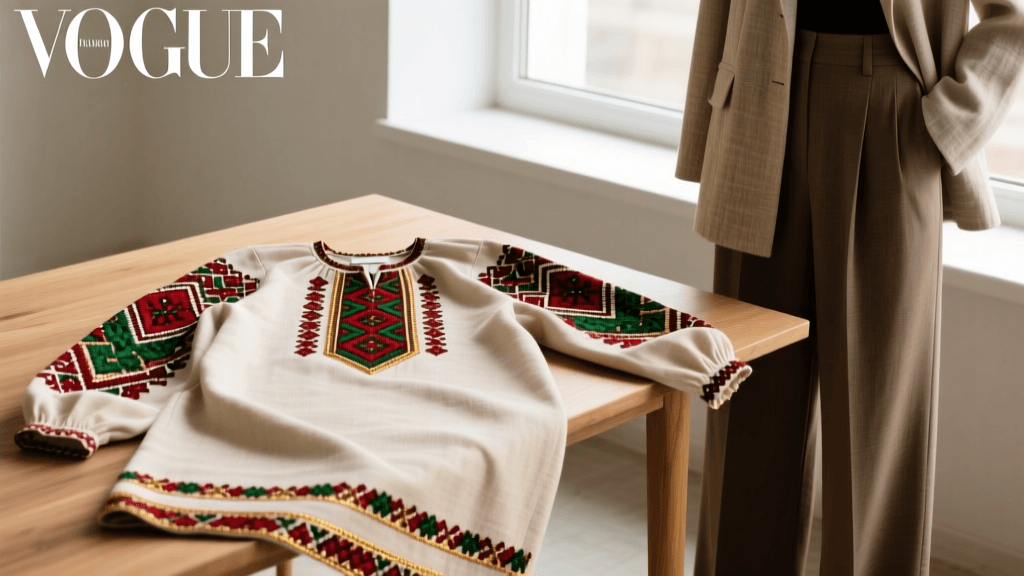
The key to wearing traditional Slavic and Balkan garments in 2026 without appearing costumey is the principle of 'quiet heritage.' This involves isolating the traditional piece and pairing it with sharp, contemporary basics. For example, a heavily embroidered Hutsul Vyshyvanka should be worn with tailored, wide-leg wool trousers and minimalist leather loafers, allowing the shirt to serve as the sole focal point. Similarly, a lightweight linen Sarafan can be belted over a fine-gauge merino wool turtleneck in the autumn, bridging the gap between historical silhouette and modern office-appropriate attire. Avoid pairing multiple heavily embroidered items together; let the craftsmanship of a single garment command the space.
Care, Maintenance, and Archival Storage
Authentic Eastern European folk garments are investment pieces that require meticulous care. The heavy linen used for Vyshyvankas is prone to severe shrinkage if exposed to high heat. Always hand-wash embroidered linens in cool water (below 30°C) using a pH-neutral detergent specifically formulated for natural fibers. Never wring or twist the fabric; instead, roll the garment in a clean, dry towel to press out excess moisture before laying it flat to dry. Ironing must be done on the reverse side over a damp pressing cloth to prevent crushing the three-dimensional texture of the cross-stitch and cutwork.
For long-term archival storage, particularly for heavy Balkan wool vests and metallic-threaded garments, avoid wire hangers which will distort the shoulder seams. Store items flat in acid-free tissue paper within breathable cotton garment bags. Include natural cedar blocks to deter moths, avoiding chemical mothballs which can permanently discolor natural dyes and degrade metallic threads over time.
Research and Historical References
For those looking to deepen their understanding of regional motifs and historical construction techniques, digital archives are an indispensable resource. The Europeana Fashion digital archive provides invaluable high-resolution scans of 19th-century Slavic textiles, allowing researchers to study stitch density and natural dye variations up close. Additionally, the Metropolitan Museum of Art’s online collection offers excellent reference points for Eastern European garment construction, featuring detailed photographs of regional headdresses, woven belts, and outerwear that inform the bespoke commissions of today's master artisans. By studying these primary sources, modern enthusiasts can ensure their 2026 wardrobes remain deeply rooted in authentic historical practice.