Vyshyvanka Styling Guide 2026: Modern Slavic Embroidery
The 2026 Vyshyvanka Revival: From Heritage to High Fashion
The traditional Ukrainian vyshyvanka has transcended its historical roots as a ceremonial garment to become a cornerstone of contemporary global fashion in 2026. Once reserved strictly for national holidays, weddings, and cultural festivals, this intricately embroidered shirt is now a staple in the wardrobes of those who value artisanal craftsmanship, sustainable fashion, and cultural storytelling. As the fashion industry continues to pivot away from mass-produced fast fashion, the meticulous, hand-stitched details of Eastern European folk dress offer a refreshing antidote, blending deep historical significance with modern sartorial elegance.
As we navigate the style landscape of 2026, the integration of heritage garments into everyday wear is no longer a niche trend but a mainstream movement. Designers and everyday style enthusiasts alike are reimagining the vyshyvanka, pairing it with tailored streetwear, minimalist office attire, and avant-garde evening wear. This guide explores the rich textile traditions of the vyshyvanka, breaks down authentic embroidery techniques, and provides actionable, contemporary styling advice for the modern wardrobe.
Decoding Authentic Embroidery Techniques
To truly appreciate and accurately style a vyshyvanka, one must first understand the craftsmanship that defines it. The value of these garments lies not just in their aesthetic appeal, but in the hundreds of hours of skilled labor required to produce them. According to the Victoria and Albert Museum's textile archives, Eastern European embroidery is distinguished by its complex geometric counting methods and regional color palettes, which serve as a visual language denoting the wearer's origin, marital status, and social standing.
Cross-Stitch (Krestik) vs. Satin Stitch (Glady)
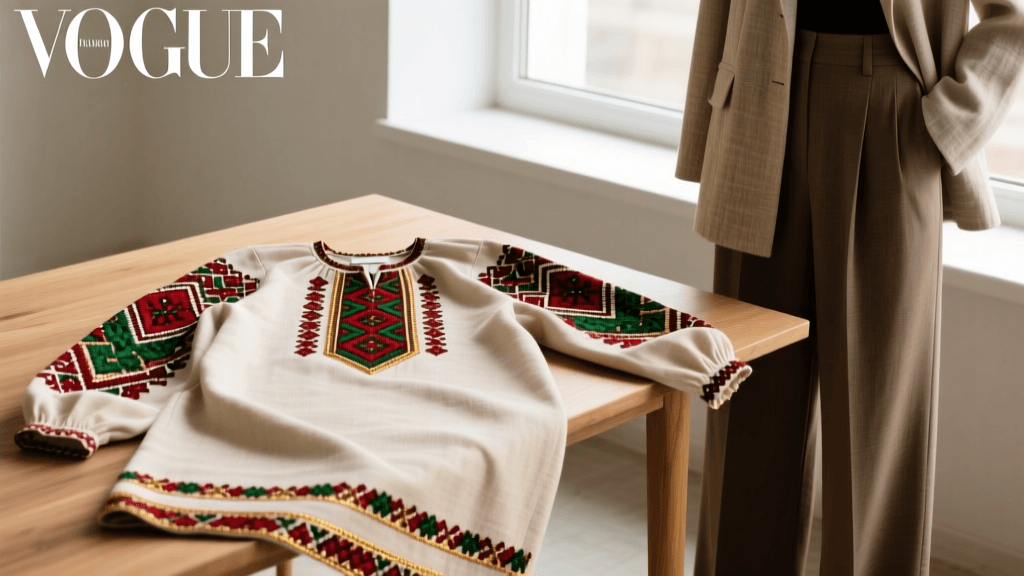
The two most prominent techniques you will encounter when shopping for authentic pieces in 2026 are the cross-stitch and the satin stitch. The cross-stitch, or 'krestik', is perhaps the most globally recognized. It involves creating X-shaped stitches on a grid-like fabric, typically linen or cotton, resulting in highly geometric, pixelated patterns. This technique is heavily favored in the Hutsul and Bukovyna regions, where vibrant reds, blacks, and yellows dominate.
Conversely, the satin stitch, or 'glady', creates a smooth, unbroken surface of thread that mimics the sheen of satin. This technique is predominantly used for floral and botanical motifs, particularly in the Poltava and Kyiv regions. The satin stitch requires a fluid, freehand approach, allowing for subtle gradients and organic curves that contrast sharply with the rigid geometry of the cross-stitch.
Symbolism in Every Stitch
Folk dress is never merely decorative; it is deeply symbolic. The motifs embroidered onto a vyshyvanka were traditionally believed to offer protection and convey blessings. In 2026, as consumers seek deeper meaning in their purchases, understanding these symbols adds a layer of personal connection to the garment.
- The Rhombus (Diamond): Representing fertility, prosperity, and the sown field. A rhombus with a dot in the center specifically symbolizes a seed sprouting, making it a popular motif for new beginnings.
- The Tree of Life: Often depicted as a stylized floral vase or a geometric pine tree, this motif connects the underworld, the earthly realm, and the heavens, symbolizing family lineage and immortality.
- The Sun (Eight-Pointed Star): A universal symbol of masculine energy, warmth, and life-giving force, frequently placed on the chest or shoulders to protect the wearer's heart and mind.
Regional Variations and 2026 Market Pricing
When sourcing a vyshyvanka in 2026, prices vary wildly based on the region of origin, the complexity of the stitch, and whether the piece is hand-embroidered or machine-made. The preservation of these crafts is actively supported by organizations like UNESCO Intangible Cultural Heritage, which highlights the importance of safeguarding traditional artisanal skills against industrial homogenization.
| Region | Primary Technique | Color Palette | 2026 Avg. Price (Handmade) | Best Styling Application |
|---|---|---|---|---|
| Poltava | Satin Stitch (Glady) | White-on-white, soft pastels | $350 - $600 | Formal wear, summer bridal |
| Hutsulshchyna | Cross-Stitch (Krestik) | Vibrant red, black, yellow, green | $250 - $450 | Streetwear, bold layering |
| Volyn | Geometric Weaving | Deep red and black | $200 - $380 | Minimalist office wear |
| Kyiv | Mixed (Glady & Krestik) | Coral, blue, and earthy tones | $300 - $550 | Smart casual, resort wear |
Contemporary Styling: Integrating Folk Dress into 2026 Wardrobes
The key to styling the vyshyvanka in 2026 is contrast. The garment itself is visually dense and historically heavy; therefore, pairing it with modern, structured, or minimalist pieces prevents the look from appearing costumey. Here are three distinct ways to integrate Slavic embroidery into your contemporary rotation.
The Office-Ready Vyshyvanka
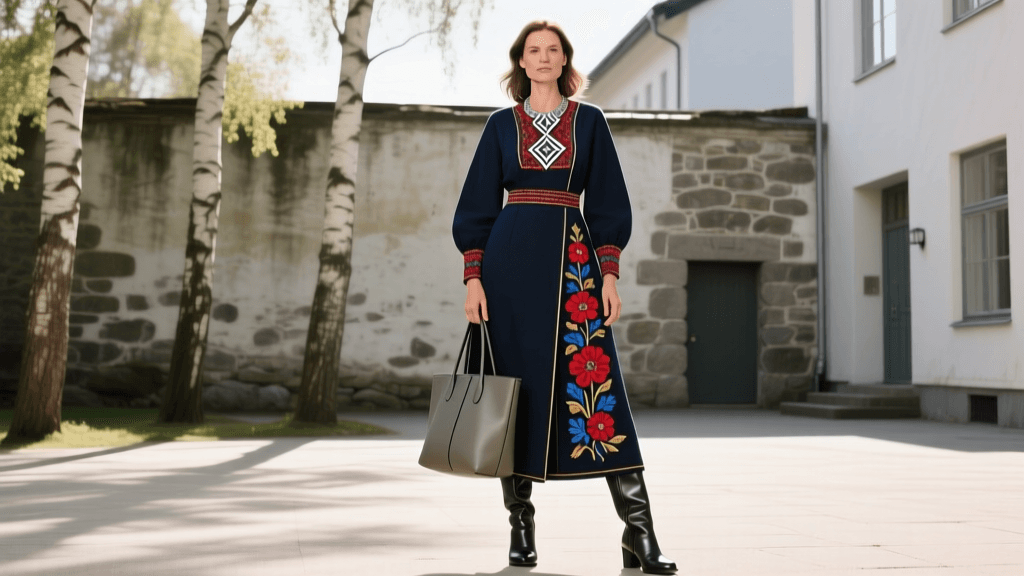
For the modern workplace, opt for a Volyn or Kyiv region piece featuring a muted color palette, such as white-on-white or subtle coral threads on unbleached linen. Choose a relaxed, oversized fit with a mandarin collar or a subtle V-neck. Tuck the front of the shirt into high-waisted, wide-leg wool trousers in charcoal or navy. Finish the look with a structured leather belt and minimalist loafers. The key is to let the texture of the embroidery provide the visual interest, replacing the need for traditional jewelry or patterned blouses.
Streetwear and Layering
The Hutsul cross-stitch, with its bold, graphic geometry, is perfectly suited for contemporary streetwear. In 2026, the 'folk-core' aesthetic has evolved into a more refined, layered approach. Pair a heavily embroidered, mid-weight cotton vyshyvanka with recycled, dark-wash denim and chunky, utilitarian boots. For cooler months, layer the vyshyvanka under an oversized, unstructured blazer or a sheer organza trench coat, allowing the vibrant neckline and sleeve cuffs to peek through. This juxtaposition of rugged folk art with modern utilitarian fabrics creates a striking, fashion-forward silhouette.
Evening and Formal Wear
The Poltava white-on-white satin stitch is the epitome of understated luxury, making it ideal for evening wear. These pieces often feature intricate cutwork (merezhka) alongside the embroidery, creating a delicate, lace-like effect. Style a flowing, floor-length vyshyvanka dress or a finely embroidered tunic with a sleek, bias-cut silk midi skirt. Keep accessories to an absolute minimum—perhaps just a pair of sculptural metallic earrings and strappy heels. The tonal embroidery catches the light beautifully in low-light settings, offering a sophisticated alternative to traditional sequins or beading.
Fabric Choices for 2026 Climates
Historically, vyshyvankas were woven from heavy hemp or coarse linen. Today, contemporary artisans have adapted their material choices to suit modern climates and comfort standards. When purchasing in 2026, look for 'ramie' or 'bamboo-linen' blends. These fabrics offer the crisp, textured look of traditional linen but with enhanced drape, breathability, and wrinkle resistance. For winter styling, some modern ateliers are experimenting with lightweight merino wool bases, embroidering directly onto the knit using specialized blunt needles to prevent snagging, resulting in a luxurious, cold-weather folk garment.
Sourcing Authentic and Sustainable Pieces
As the demand for heritage garments grows, so does the market for cheap, machine-embroidered imitations. To ensure you are supporting authentic artisans and ethical labor practices, seek out specialized cooperatives and verified sustainable brands. Platforms like 'Gunia Project' and 'Folk Motif' work directly with rural artisans in Western Ukraine, ensuring fair wages and the preservation of endangered stitching techniques. When shopping online in 2026, always check the product descriptions for terms like 'hand-loomed', 'counted cross-stitch', and 'natural plant dyes'. If a heavily embroidered piece is priced under $80, it is almost certainly machine-made.
Caring for Hand-Embroidered Linens
Proper maintenance is crucial to preserving the integrity of the fabric and the vibrancy of the threads. Never machine-wash a hand-embroidered vyshyvanka. Instead, hand-wash the garment in cool water using a pH-neutral, eco-friendly detergent. Avoid wringing or twisting the fabric, as this can distort the grid of the linen and cause the embroidery to pucker. Roll the garment in a clean, dry towel to press out excess moisture, then lay it flat to dry away from direct sunlight, which can fade natural dyes. When ironing, always press the garment inside out on a medium heat setting, placing a damp cotton cloth between the iron and the embroidery to protect the raised stitches from being crushed.
By understanding the rich history, mastering the styling nuances, and committing to proper care, the vyshyvanka becomes more than just a garment; it becomes a wearable piece of living history, seamlessly integrated into the sophisticated, conscious wardrobe of 2026.