Authentic Bavarian Schuhplattler Dance Tracht & Dirndl Guide 2026
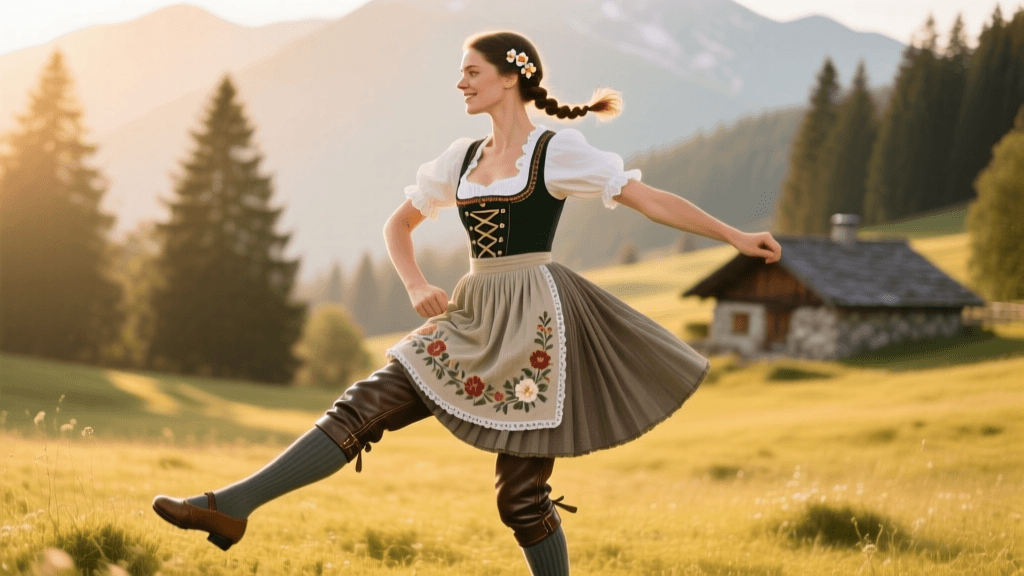
The 2026 Alpine festival season is upon us, bringing with it a massive cultural resurgence in authentic European folk dress. Across Bavaria, Austria, and South Tyrol, younger generations are flocking back to Trachtenvereine (traditional costume clubs), moving away from mass-produced beer tent costumes and embracing the functional, historical garments designed for rigorous folk dancing. At the heart of this revival is the Schuhplattler, a percussive, high-energy courtship dance that demands absolute mobility, durability, and precise tailoring from the garments worn.
Whether you are preparing for the Maifest celebrations, the Almabtrieb (alpine pasture descent), or the grand Oktoberfest, wearing a static, fashion-only costume will restrict your movement and ruin the historical aesthetic. This comprehensive guide breaks down the exact construction, measurements, and material requirements for dance-ready Tracht in 2026, ensuring you can leap, twirl, and slap with historical accuracy and physical comfort.
The Anatomy of a Dance-Ready Dirndl
A common misconception in modern festival culture is that a Dirndl is merely a tight bodice and a flimsy skirt. Historically, and practically for folk dance, the Dirndl is a highly engineered garment. For a dancer participating in the Ländler or the Schuhplattler, the dress must accommodate extreme ranges of motion while maintaining a striking silhouette.
The Bodice (Mieder) and Blouse (Dirndlbluse)
The bodice must provide structural support without restricting diaphragmatic breathing, which is essential for the aerobic demands of folk dancing. In 2026, master tailors recommend a structured Mieder lined with breathable, unbleached linen rather than synthetic blends. The accompanying blouse is where mobility is often compromised. A dance-ready Dirndlbluse must feature underarm gussets—diamond-shaped fabric inserts that allow the dancer to raise her arms completely above her head during the Drehen (twirling) sequences without the entire bodice riding up. Ensure the sleeve caps are set slightly lower on the shoulder than modern fashion blouses to facilitate this overhead movement.
The Skirt (Rock): Weight, Width, and Hemline
The skirt is the most critical component for the visual impact of the dance. When a dancer executes a rapid spin, the skirt should fan out perfectly horizontally, a phenomenon known as Fliegen (flying). To achieve this in 2026, you must adhere to specific measurements:
- Circumference: The skirt must have a minimum hem circumference of 3 to 3.5 meters. This requires either heavily gathered wool or a circular bias cut.
- Fabric Weight: Avoid lightweight cottons or polyesters that tangle around the legs. Opt for mid-weight merino wool blends or traditional Wollstoff that carries enough momentum to swing outward but is heavy enough to drop back into place immediately upon stopping.
- Hemline: For safety and historical accuracy, the hem must fall exactly 10 to 15 centimeters above the ankle bone. Any longer, and you risk tripping during the rapid footwork of the Watschler (slapping) sequences; any shorter, and it loses the traditional modesty of the alpine workwear origins.
The Apron (Schürze) and Tying Etiquette
The apron is not merely decorative; it acts as a counterweight to the skirt. For dancing, the apron should be made of a smooth, high-thread-count linen or silk that glides against the wool skirt rather than gripping it. According to Britannica's comprehensive history of the Dirndl, the way the apron bow is tied historically signaled the wearer's relationship status. For the dance floor, ensure the bow is tied securely at the front (left for single, right for taken) and tucked slightly inward so it does not whip into your dance partner's face during rapid rotations.
Lederhosen and the Percussive Impact of Schuhplattler
The men's role in the Schuhplattler is highly athletic, characterized by leaping, stomping, and rhythmically slapping the thighs, knees, and shoes. This percussive element dictates the exact construction and material of authentic Lederhosen. As detailed in the historical archives regarding the detailed biomechanics of the Schuhplattler, the garment must act as both a drum and a second skin.
Leather Selection: Hirschleder vs. Rindsleder
If you are purchasing or commissioning Lederhosen for festival dancing in 2026, the leather choice is non-negotiable. You must select Hirschleder (deer leather) or Gamsleder (chamois). These leathers are traditionally tanned using fats and oils, resulting in a suede-like finish that is incredibly soft, supple, and breathable. When the dancer slaps his thigh, Hirschleder produces a sharp, resonant smack that is acoustically necessary for the dance. Conversely, Rindsleder (cowhide) is too stiff, heavy, and unyielding; it will muffle the slapping sound and cause severe bruising to the dancer's hands and thighs during a multi-hour festival.
Embroidery (Stickerei) and Structural Reinforcement
Traditional floral embroidery is a hallmark of Bavarian Tracht, but for a dancer, placement is crucial. The elaborate Ranke (vine) embroidery on the front drop-flap (Latz) is standard, but master artisans will deliberately leave the outer sides of the thighs and the areas just above the knees free of dense stitching. Striking heavily embroidered areas with an open palm at high velocity can damage the silk threads and cause micro-abrasions on the dancer's hand. Furthermore, the suspenders (Hosenträger) must feature a robust cross-brace (Steg) fastened with genuine horn buttons, designed to withstand the violent upward pull of the leather during high jumps.
Footwear: Grounding the Folk Dance
You cannot execute alpine folk dances in modern dress shoes or sneakers. The connection to the wooden floor or the earth is vital for the rhythmic stomping that keeps time for the musicians.
Men's Haferlschuhe
The traditional Haferlschuh features a distinctive lateral (side) lacing system and a heavily nailed, stacked leather heel. The side lacing prevents the laces from coming undone when the dancer drags his foot or strikes the side of the shoe. The stacked heel provides the deep, bass-heavy thud required for the Stampfer (stomping) sequences. In 2026, look for models with integrated shock-absorbing cork footbeds to protect the joints during hours of dancing on hard festival tent floors.
Women's Trachtenschuhe
Women's folk dance shoes (Trachtenschuhe) are characterized by a low, sturdy block heel (usually 2 to 3 centimeters) and a secure ankle strap. The ankle strap is mandatory; it locks the foot into the shoe during the rapid Hüpfer (hopping) steps, preventing the shoe from flying off mid-twirl. Avoid fashion Dirndl shoes with stiletto heels or pointed toes, as they are dangerous and historically inaccurate for the dance floor.
2026 Tracht Investment and Mobility Comparison
When budgeting for your festival garments, it is vital to understand the correlation between price, material authenticity, and dance mobility. The following table outlines the current 2026 market landscape for Bavarian Tracht.
| Category | 2026 Average Cost (EUR) | Skirt / Leather Material | Dance Mobility Rating | Best For |
|---|---|---|---|---|
| Custom Artisan (Maßschneiderei) | €1,400 - €2,800 | Handwoven Wool / Genuine Hirschleder | 10/10 | Professional Plattler Groups & Purists |
| High-End Commercial | €500 - €950 | Merino Wool Blend / Tanned Deer Suede | 8/10 | Serious Festival Dancers & Enthusiasts |
| Mass-Market Tourist | €90 - €180 | Polyester / Stiff Pigskin Suede | 3/10 | Static Beer Tent Wear & Photo Ops |
As noted by the official Bavarian Tourism Board, the preservation of traditional craftsmanship is a major cultural priority, and investing in high-end commercial or artisan pieces directly supports local alpine tanneries and tailors. While the mass-market options are tempting for a single weekend, they will actively hinder your movement, trap heat, and degrade rapidly under the stress of folk dancing.
Sourcing, Maintenance, and Post-Festival Care
Acquiring authentic Tracht in 2026 requires looking beyond the main thoroughfares of Munich. Seek out regional tailors in towns like Garmisch-Partenkirchen, Berchtesgaden, or Miesbach, where Trachtenvereine are deeply embedded in the local community. Many of these artisans now offer virtual consultations and precise measurement guides for international buyers.
Post-festival care is critical for maintaining the mobility and lifespan of your garments. Never machine-wash a wool Dirndl skirt or a linen blouse with delicate pintucks; dry clean or hand-wash in cold water with specialized wool detergent. For Hirschleder, never use standard shoe polish or chemical leather cleaners, as these will strip the natural oils and turn the leather into stiff cardboard. Instead, brush off dirt with a soft suede brush and occasionally treat the leather with pure deer tallow or specialized Lederfett to maintain the supple, drum-like quality required for the Schuhplattler.
Conclusion
The 2026 festival season is a celebration of living history. By prioritizing the biomechanical needs of folk dance in your garment choices—selecting the correct leather, ensuring skirt circumference, and respecting historical construction—you elevate your experience from a passive tourist to an active participant in Europe's rich textile and cultural heritage. Dress authentically, dance vigorously, and let the Tracht move as it was designed to.