Bavarian Schuhplattler Dance Costumes: 2026 Festival Tracht Guide
The Rhythmic Heartbeat of Alpine Folk Culture
The rhythmic slapping of thighs, the sharp clicking of heels, and the vibrant swirl of pleated skirts define the Schuhplattler, the iconic folk dance of Bavaria, Tyrol, and Upper Austria. As we enter the 2026 Alpine festival season, the demand for authentic Tracht (traditional regional dress) has reached new heights. Modern festival-goers and dedicated members of Trachtenvereine (folk costume clubs) are moving away from mass-produced, synthetic beer-tent wear, favoring historically accurate, artisan-crafted garments that honor centuries of textile heritage. Whether you are preparing to perform at a regional Gaufest or attending the historical Oide Wiesn at Oktoberfest, understanding the construction, sourcing, and mechanics of the Schuhplattler dance costume is essential for 2026.
The Anatomy of Authentic Schuhplattler Tracht
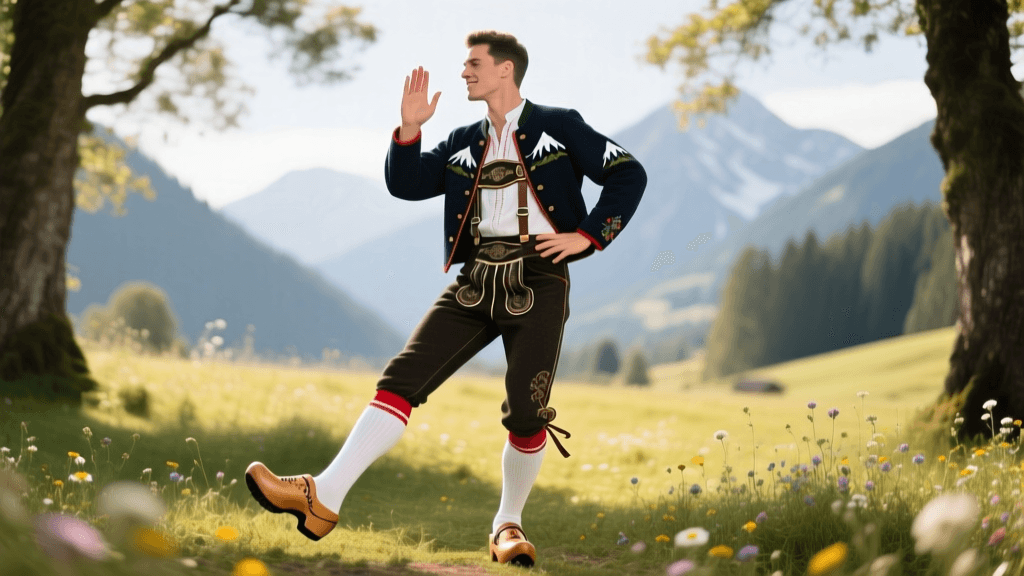
The male Schuhplattler costume is built around the Kurze Lederhose (short leather breeches). Unlike the knee-length Bundhosen worn for hunting or formal winter events, the short Lederhose ends above the knee to allow for the dance's signature high kicks and thigh-slapping. In 2026, the gold standard for these garments remains genuine Hirschleder (deer leather), prized for its durability, softness, and breathability.
Key components of the male dance ensemble include:
- Hosenträger (Suspenders): Crossed at the back and heavily embroidered at the front chest piece (Quersteg). They must be adjustable to keep the leather breeches securely in place during vigorous jumping.
- Trachtenhemd (Shirt): A pure linen or cotton shirt, typically in white or subtle checkered patterns, featuring a horn-button placket.
- Loferl (Socks): A two-piece calf warmer and ankle sock combination, leaving the knee bare for the thigh-slapping choreography.
- Haferlschuhe (Footwear): Traditional Bavarian shoes with side lacing and a nailed leather sole, essential for producing the sharp percussive sounds required in the dance.
Sourcing Artisan Dance Costumes in 2026
The landscape of Tracht sourcing has shifted significantly in 2026. Due to global supply chain adjustments and a renewed emphasis on sustainable, localized tanning processes, authentic Hirschleder has become a premium investment. Mass-market retailers continue to flood the market with faux-leather alternatives, but these garments fail catastrophically under the physical stress of folk dancing. Artisan tailors in Upper Bavaria and Tyrol, such as those affiliated with heritage brands like Meindl and Lodenfrey, are currently utilizing bio-based tanning agents and locally sourced flax for linen, appealing to eco-conscious dancers.
| Feature | Mass-Market Festival Wear (2026) | Artisan Trachtenverein Gear (2026) |
|---|---|---|
| Primary Material | Faux leather, polyester blends | Genuine Hirschleder, pure flax linen |
| Price Range | €80 - €180 | €850 - €1,500+ |
| Dance Durability | Low (seams tear during high kicks) | High (reinforced gussets and hand-stitching) |
| Breathability | Poor (traps heat and sweat) | Excellent (natural temperature regulation) |
| Embroidery | Machine-stamped synthetic thread | Hand-stitched silk or cotton floss |
Movement Mechanics: Tailoring for the Plattler
The Schuhplattler is an athletic display of courtship and alpine vitality, requiring extreme leg mobility and precise hand-eye coordination. The Plattler (male dancer) must rhythmically slap his thighs, knees, and the soles of his shoes in time with the Ländler music. Therefore, the tailoring of the Lederhose is highly specialized.
The Bund (waistband) must sit high on the natural waist, not the hips, to prevent the heavy leather from dragging down during leaps. The leg openings are cut slightly wider than standard fashion Lederhosen, ensuring the dancer's hands can strike the bare thigh without catching the rigid leather edge, which can cause bruising or disrupt the rhythm. In 2026, custom cobblers in Garmisch-Partenkirchen are fitting Haferlschuhe with advanced bio-resin grips on the soles, providing superior traction on polished wooden festival stages while maintaining the traditional side-lacing aesthetic and acoustic click.
The Women’s Dance Dirndl: Modesty and Momentum
While the male dancers perform the percussive Plattler, the female dancers (Dirndln) execute rapid, continuous spins, creating a mesmerizing visual effect. The women's dance costume is vastly different from the commercialized, abbreviated Dirndls sold to tourists. The authentic Trachtenvereine Dirndl features a hemline that falls strictly to the mid-calf, adhering to historical modesty standards while allowing the heavy skirt to bell outward beautifully during centrifugal movement.
The Mieder (bodice) is heavily structured with internal boning to provide back support during hours of dancing, and it fastens with traditional silver hooks and a silk cord. The Rock (skirt) is constructed with deep, heat-set cartridge pleats at the waistband. This specific pleating technique, revived by several master tailors in 2026, ensures the skirt maintains its voluminous shape without adding excessive weight. The Schürze (apron) is secured with hidden interior snaps in addition to the traditional bow, preventing it from flying up during vigorous turns.
Embroidery and Accessories: The Details of Heritage
Every region—from the Werdenfelser Land to the Chiemgau—boasts distinct embroidery patterns (Stickerei) on the Lederhose and suspenders. These patterns often feature alpine flora such as edelweiss, oak leaves, and gentian flowers. In 2026, there is a massive resurgence in Handstickerei (hand embroidery), with dancers commissioning local artisans to replicate patterns from 19th-century museum archives.
Accessories complete the silhouette:
- Tirolerhut or Scheibenhut: The traditional wool felt hat, adorned with a Gamsbart (a brush made from chamois hair) and a silver hatpin.
- Kropfband: A velvet choker necklace worn by women, often featuring a central cameo or silver coin.
- Tuch (Silk Scarf): Worn around the neck by men, tied in a specific regional knot, adding a flash of color (often blood red or hunter green) against the white linen shirt.
2026 Festival Circuit: Where to Experience Authentic Tracht
To witness the highest caliber of Schuhplattler dancing and authentic costume, one must look beyond the main thoroughfares of modern beer tents. According to the Bavarian Tourism Board, the preservation of regional Tracht is a cornerstone of the state's living cultural heritage, heavily supported by local municipalities and folk societies. The premier events for 2026 include:
- Das Gaufest: The annual gathering of the Bayerischer Trachtenverband (Bavarian Tracht Association). This is a fiercely competitive and culturally sacred weekend where thousands of dancers in meticulously researched, historically accurate garments perform.
- Oide Wiesn (Historical Oktoberfest): Located in the southern part of the Theresienwiese, this section of the festival is dedicated to tradition. The official Oktoberfest organizers mandate strict historical dress codes for performers and staff in the Oide Wiesn tents, banning modern zippers, synthetic fabrics, and contemporary cuts.
- Almabtrieb (Alpine Descent): Held in late September across Tyrol and Bavaria, celebrating the return of cattle from high alpine pastures, accompanied by spontaneous Plattler performances in full festive Tracht.
Care and Maintenance for the 2026 Season
Investing in an artisan dance costume requires proper maintenance to ensure it lasts for decades. Genuine Hirschleder should never be machine washed or dry-cleaned with harsh chemicals, as this strips the natural oils and causes the leather to stiffen and crack. After a long day of festival dancing, the Lederhose should be brushed with a soft bristle brush to remove dust and sweat, then aired out in a cool, dry room.
Linen shirts and Dirndl skirts can be gently hand-washed in lukewarm water with a pH-neutral detergent. The Gamsbart on the hat must be kept away from high humidity to prevent mold and moth damage; storing it in a cedar-lined box with natural lavender sachets is the recommended practice for 2026. By respecting the materials and the craftsmanship, dancers ensure that the vibrant legacy of the Schuhplattler continues to echo through the Alpine valleys for generations to come.