Hardangerbunad Wedding Styling 2026: Modern Revival
The Hardangerbunad in 2026: A Living Tradition
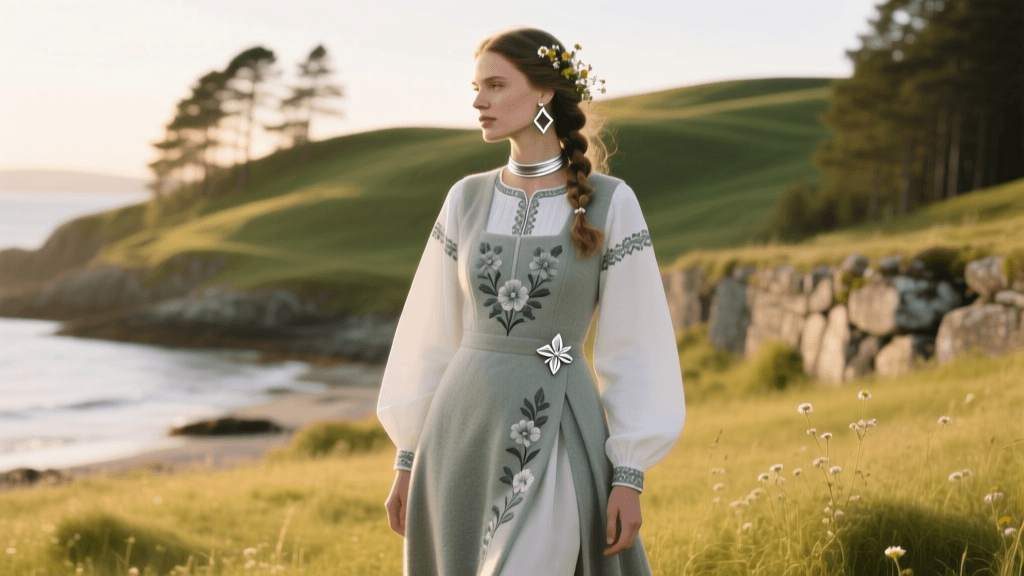
The Hardangerbunad, often celebrated as Norway's 'national bunad,' has experienced a magnificent renaissance in contemporary fashion. As we navigate the wedding season of 2026, brides and grooms are increasingly turning away from mass-produced white gowns in favor of deeply personal, culturally rooted garments. The Hardangerbunad, originating from the Hardanger region in Vestland county, is distinguished by its striking black wool base, vibrant cross-stitch embroidery, and intricate white linen aprons featuring Hardanger lace (hvitsøm). In 2026, the revival of this garment is not merely about historical reenactment; it is about integrating heritage into modern, sustainable, and highly personalized wedding styling.
According to the Norsk Folkedraktforum, the demand for regionally accurate, bespoke folk costumes has surged by 18% over the last three years, driven by a younger generation's desire for sustainable, lifelong investments rather than single-use fast fashion. This guide explores how to source, tailor, and style the Hardangerbunad for a contemporary 2026 wedding, balancing strict traditional guidelines with modern aesthetic sensibilities.
Sourcing Sustainable Textiles for Your 2026 Bunad
The foundation of any authentic Hardangerbunad is its textile. Historically, the black wool fabric was woven locally, and today's revival heavily prioritizes domestic, sustainable production. For a 2026 commission, the gold standard is the custom-woven bunad cloth produced by Hillesvåg Ullvarefabrikk, a historic Norwegian mill that utilizes native Spælsau sheep wool. This wool is renowned for its durability, natural water resistance, and beautiful, slightly lustrous drape.
Actionable Sourcing Advice for 2026
- Lead Times: Custom weaving for the black stakk (skirt) and liv (bodice) fabric currently requires a 6 to 8-month lead time. If you are planning a late summer 2026 wedding, you must order your yardage by January 2026.
- The Linen Apron: The iconic white apron features intricate Hardanger embroidery. In 2026, many brides are commissioning independent artisans on platforms like Husfliden to upcycle vintage 19th-century aprons, restoring them with eco-friendly oxygen bleaches rather than harsh chlorines.
- Cost Expectations: Expect to pay between 4,500 and 6,000 NOK (approximately $420 to $560 USD) for the raw, high-quality wool fabric alone, excluding the tailoring and embroidery labor.
Contemporary Silverwork: Soljer and Beltestøler
No Hardangerbunad is complete without its silverwork (sølv). The silver serves both a functional purpose—fastening the bodice, securing the shirt, and holding the belt—and a deeply symbolic one, historically representing family wealth and protection. In 2026, the styling of bunad silver has shifted. While heavily oxidized, antique-looking silver was the trend of the early 2020s, the 2026 bridal aesthetic favors highly polished, mirror-finish silver that catches the light beautifully in modern outdoor and minimalist indoor venues.
Leading manufacturers like Arven have introduced 2026 bridal collections that feature lightweight, modular sølje (brooches) which allow brides to adjust the weight and visual density of their chest pieces without compromising historical accuracy.
2026 Silver Accessory Comparison
| Accessory Type | Material Finish | 2026 Avg Price (USD) | Styling Vibe |
|---|---|---|---|
| Traditional Beltestøl (Belt Buckle) | Oxidized Silver | $850 | Heritage, Rustic, Grounded |
| Modern Brudekrone (Bridal Crown) | Polished Silver | $1,400 | Classic, Ethereal, Bridal |
| Contemporary Halsknapp (Neck Button) | Gold-Plated Silver | $320 | Warm, Modern, Luxurious |
| Ermeknapper (Cuff Buttons - Set of 4) | Matte Brushed Silver | $210 | Understated, Contemporary |
Modern Tailoring and Fit Adjustments
One of the most significant shifts in the 2026 European folk dress revival is the approach to tailoring. Historically, mid-20th-century bunad tailoring often resulted in stiff, restrictive bodices that did not account for modern anatomical diversity or the desire for all-day comfort during a wedding celebration. Today's master tailors employ 3D body scanning alongside traditional measuring techniques to ensure the liv (bodice) provides structural support without restricting breathing or movement.
'The 2026 bride wants to dance until 3 AM. We are using flexible internal boning and breathable organic cotton linings in the bodice to ensure the Hardangerbunad feels like a second skin, rather than a beautiful cage.' — Master Tailor, Husfliden Bergen.
When commissioning your bunad, ensure your tailor takes the 'sitting waist' measurement in addition to the standing waist. The thick wool and layered linen shirts can add bulk, and a 2026 precision fit ensures the skirt hangs perfectly from the natural waist without digging in during the wedding feast.
Styling the Hardangerbunad for a Contemporary Wedding
Integrating the Hardangerbunad into a modern wedding requires thoughtful styling of the peripheral elements: hair, footwear, and outerwear.
Footwear: Beyond the Traditional
While traditional black leather bunad shoes with silver buckles remain the standard, 2026 has seen a rise in custom, minimalist leather boots crafted by Norwegian shoemakers. For winter or late autumn weddings, bespoke knee-high leather boots dyed to match the exact black of the bunad wool provide warmth and a striking, fashion-forward silhouette.
Hair and Headpieces
The traditional bridal crown (brudekrone) is a magnificent, heavy piece of silver. However, for a contemporary 2026 styling approach, many brides are opting for a 'halvkrone' (half-crown) or weaving delicate, locally foraged flora into intricate braided updos. This bohemian-meets-heritage look softens the formality of the black wool and stark white linen, creating a romantic, ethereal aesthetic perfect for outdoor fjord-side ceremonies.
Outerwear and the Skjerf
For cooler evenings, the traditional woven silk or wool skjerf (shawl) is essential. In 2026, the trend is to source vintage 1920s silk shawls with subtle floral embroidery that complements, rather than competes with, the vibrant cross-stitch of the bunad bodice. Drape the shawl loosely over the shoulders and secure it with a single, polished silver sølje for an effortlessly elegant look.
Caring for Your 2026 Investment
A Hardangerbunad is a lifelong investment, often costing between 45,000 and 60,000 NOK ($4,200 to $5,600 USD) when fully completed with silver. Proper care is paramount. Never attempt to machine wash the wool or the embroidered linen. In 2026, eco-friendly ozone cleaning technologies are available at specialized heritage textile cleaners in Oslo and Bergen, which sanitize and refresh the garments without the use of harsh chemical solvents that can tarnish the silver threads or degrade the natural wool fibers.
Store your bunad in a breathable cotton garment bag, stuffed with acid-free tissue paper to maintain the skirt's pleats. Keep the silver separated in anti-tarnish cloth pouches, polishing them only with a specialized silver cloth before your next wear. By treating your Hardangerbunad with respect and utilizing modern, sustainable care methods, you ensure it remains a vibrant, living piece of your family's history for generations to come.