Hardanger Embroidery Revival: 2026 Capsule Wardrobe Guide
The Renaissance of Hardangersøm in 2026 Fashion
The intersection of heritage craftsmanship and contemporary minimalism has definitively shaped the 2026 fashion landscape. As the global slow-fashion movement matures, consumers and designers alike are turning away from fleeting micro-trends and investing in garments that carry historical weight, artisanal integrity, and timeless silhouettes. Among the most captivating movements within the European folk dress revival is the integration of traditional Scandinavian textiles into everyday streetwear. Specifically, Norwegian Hardanger embroidery—known locally as Hardangersøm—has emerged as a cornerstone of the modern heritage capsule wardrobe.
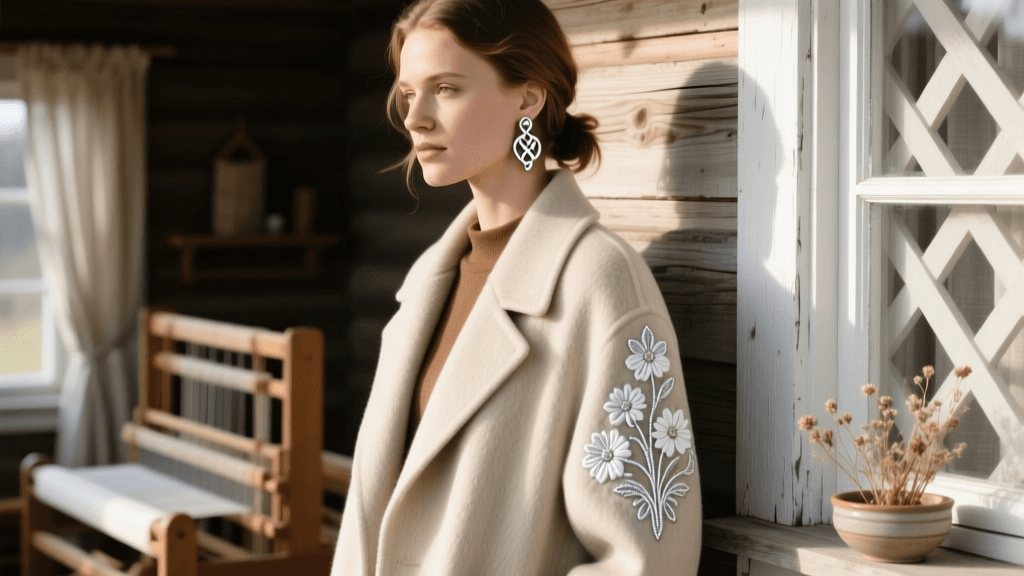
Historically reserved for the intricate aprons and cuffs of the Norwegian bunad (national folk costume), Hardanger cutwork is experiencing a radical reimagining. Today's artisans and contemporary fashion houses are extracting this meticulous needlework from its purely ceremonial context and applying it to modern, wearable silhouettes. According to the Norsk Folkemuseum, the preservation of these regional techniques is no longer just about museum archives; it is about living history. In 2026, wearing Hardanger is a statement of sustainable luxury, bridging the gap between ancient Nordic traditions and the modern urban aesthetic.
Understanding Hardanger Embroidery: Heritage Meets Modernity
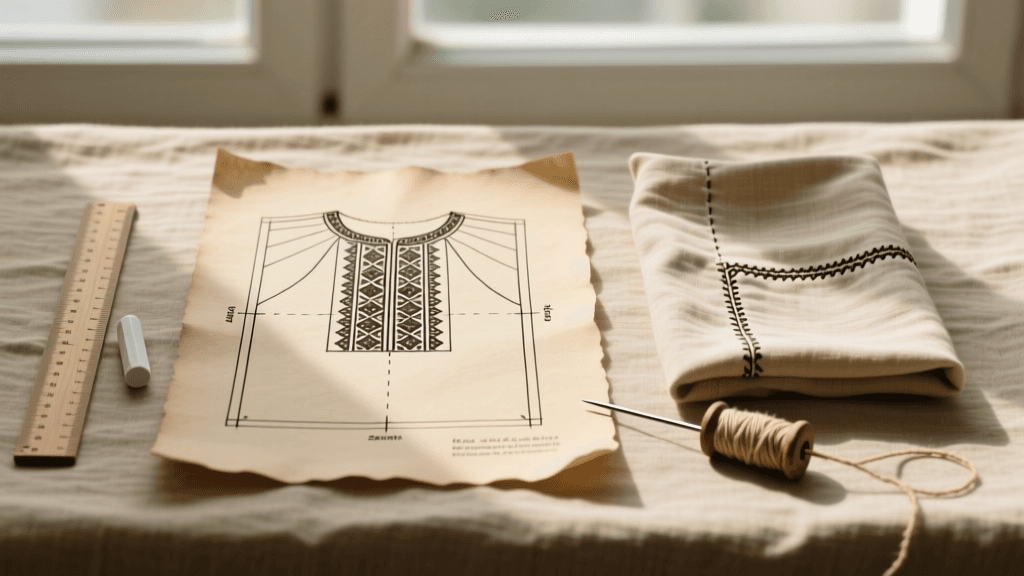
To properly style and appreciate Hardanger pieces in a contemporary wardrobe, one must first understand the anatomy of the craft. Originating in the Hardanger region of western Norway, this technique is a form of counted-thread embroidery that combines satin stitching with intricate cutwork. The artisan first stitches geometric blocks, known as klokk (clocks), using a heavy pearl cotton thread. Once the structural blocks are in place, the fabric between them is carefully cut away. The remaining threads are then wrapped and woven to create delicate, lace-like patterns such as the dove's eye and spider's web.
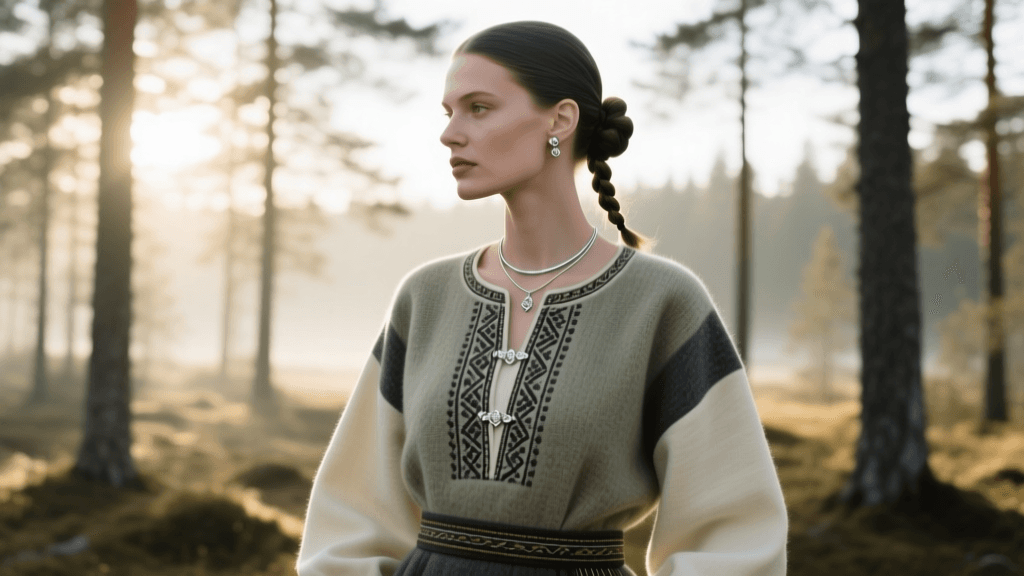
While traditional Hardanger is almost exclusively white-on-white cotton or linen, the 2026 revival has introduced a breathtaking array of tonal and monochromatic variations. This year's leading textile trends feature 'Nordic Noir' (charcoal thread on black wool) and 'Fjord Mist' (pale sage embroidery on slate-grey linen). These contemporary colorways make the intricate cutwork significantly easier to integrate into a modern, neutral-toned capsule wardrobe without looking like a historical reenactment.
Building a 2026 Folk-Inspired Capsule Wardrobe
Integrating European folk dress into a modern wardrobe requires a careful balance. The goal is to let the artisanal garment serve as the focal point, grounded by contemporary, structured basics. Below is a comparison of how traditional Hardanger elements are being adapted for the 2026 market, alongside the current investment costs for authentic, artisan-made pieces.
| Garment Type | Traditional Context | 2026 Contemporary Adaptation | Avg. Artisan Cost (USD) |
|---|---|---|---|
| Hardanger Apron | Ceremonial Bunad waist accessory | Cropped Canvas Jacket with Cutwork Hem | $450 - $850 |
| Skjorte (Shirt) | Undergarment with subtle cuff embroidery | Oversized Poplin Button-Down with Sleeve Panels | $280 - $500 |
| Belt / Sash | Woven wool waist cincher | Structured Leather Tote with Hardanger Inlay | $600 - $1,200 |
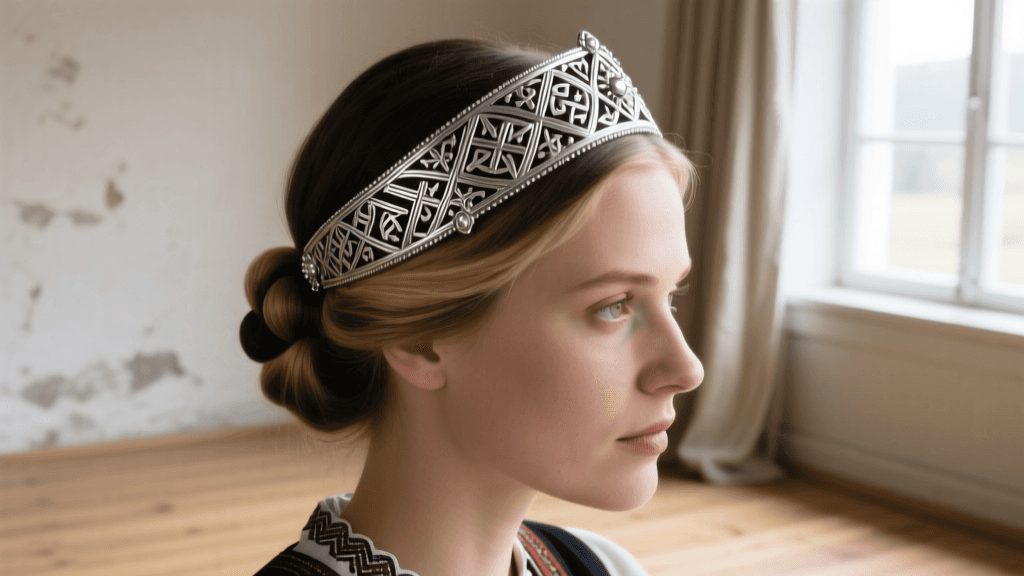
| Headpiece / Cap | Married women's ceremonial headwear | Wide-Brim Wool Fedora with Cutwork Crown Band | $150 - $300 |
Key Styling Rules for the Modern Heritage Look
When styling these investment pieces, the modern wardrobe enthusiast should adhere to a few foundational rules to ensure the outfit feels current and intentional.
- The Rule of Textural Contrast: Hardanger cutwork is inherently delicate and visually light. To prevent the outfit from appearing fragile, pair it with heavy, structured fabrics. A sheer Hardanger-embroidered blouse looks exceptionally striking when layered under a heavyweight, raw-selvedge denim jacket or paired with wide-leg, distressed leather trousers.
- The 80/20 Proportion Principle: Keep 80% of your outfit rooted in modern, minimalist basics—think tailored wool trousers, sleek merino turtlenecks, or structured blazers. Let the 20% (the Hardanger piece) command the attention. This prevents the 'costume' effect and anchors the folk dress element in everyday reality.
- Grounding with Contemporary Footwear: Avoid traditional folk shoes or delicate historical slippers. Instead, ground your delicate embroidery with aggressive, modern footwear. Chunky lug-sole boots, architectural loafers, or minimalist white leather sneakers create a compelling visual tension that defines the 2026 heritage-core aesthetic.
Sourcing Authentic Artisans and Sustainable Collectives
As the demand for authentic European folk dress revivals has surged in 2026, the market has seen an influx of mass-produced, machine-made imitations. True Hardangersøm requires dozens of hours of painstaking hand labor; if a piece is priced under $150, it is almost certainly machine-stamped or laser-cut, lacking the structural integrity and soul of genuine cutwork.
To source authentic pieces, look toward established Scandinavian craft organizations and verified artisan collectives. Institutions like Heimen Husfliden remain the gold standard for Norwegian textile heritage, offering both traditional bunad components and contemporary collaborations with modern designers. Additionally, the broader preservation of European textile techniques is heavily supported by institutions like the Victoria and Albert Museum, which frequently highlights the importance of supporting living artisans over fast-fashion replicas. When commissioning a piece directly from an artisan in 2026, expect a lead time of 8 to 14 weeks, as the meticulous nature of counting threads and cutting fabric cannot be rushed.
Care and Maintenance for Delicate Cutwork
Owning a piece of authentic Hardanger embroidery is an investment in wearable art. The cutwork structure, where the base fabric has been physically removed and replaced with woven thread bars, is inherently vulnerable to snagging and tension distortion. Proper care is non-negotiable to ensure the garment survives for generations.
Washing and Blocking Protocols
Never machine wash or dry clean a genuine Hardanger garment. The agitation of a machine will destroy the delicate woven bars, and the harsh chemicals of standard dry cleaning can degrade the pearl cotton threads. Instead, follow this strict hand-washing protocol:
- Submerge in Cold Water: Use a pH-neutral, specialized textile detergent (such as Eucalan or a similar wool-wash) in a basin of cold water. Let the garment soak for no more than 15 minutes.
- The Towel Roll Method: Never wring or twist the cutwork. Lift the garment from the water, lay it flat on a clean, colorfast bath towel, and roll the towel up like a sleeping bag to gently press out the excess moisture.
- Rust-Proof Blocking: Lay the damp garment flat on a rust-proof blocking board or a dry mesh drying rack. Gently coax the geometric klokk blocks back into their proper square shapes while the fabric is damp. As it dries, the tension will reset, keeping the cutwork windows perfectly open and symmetrical.
Storage and Wardrobe Integration
When storing your Hardanger pieces between seasons, avoid wire hangers, which can pull the fabric and distort the embroidery. Fold the garments with acid-free archival tissue paper stuffed into the cutwork areas to prevent the delicate thread bars from being crushed. Store them in a breathable cotton garment bag in a cool, dark environment to prevent the natural fibers from yellowing or degrading.
Conclusion: The Future of Folk Dress
The 2026 revival of Norwegian Hardanger embroidery represents a profound shift in how we interact with our clothing. It is a rejection of the disposable and an embrace of the enduring. By integrating these centuries-old European folk dress techniques into a modern capsule wardrobe, we do more than just elevate our personal style; we become active participants in the survival of a magnificent textile tradition. Whether you are investing in a contemporary Hardanger-inlay tote or styling a tonal, cutwork-embroidered blouse with vintage denim, you are wearing a piece of history, meticulously reimagined for the modern world.