Norwegian Bunad Revival 2026: Modern Styling & Sustainable Wool
The 2026 Bunad Renaissance: Beyond May 17th
The Norwegian bunad has long been a symbol of national pride, traditionally reserved for Constitution Day (Syttende Mai), weddings, and milestone celebrations. However, as we navigate 2026, a profound shift is occurring within the landscape of European folk dress. The bunad is experiencing a dynamic renaissance, breaking free from rigid historical reenactment to become a living, breathing component of contemporary Scandinavian streetwear and sustainable fashion. This revival is not about discarding tradition; rather, it is about recontextualizing heritage garments for the modern, eco-conscious wardrobe.
According to cultural archives at the Norwegian Museum of Cultural History, the definition of folk dress has always been fluid, adapting to the socio-economic realities of its time. Today, younger generations and contemporary designers are leading a movement that honors the meticulous craftsmanship of the past while embracing modern silhouettes, sustainable material sourcing, and versatile styling. The bunad is no longer locked in a closet for 364 days a year; it is stepping out into the urban streets of Oslo, Bergen, and Trondheim as a statement of slow fashion and cultural continuity.
Deconstructing the Silhouette: Contemporary Styling Rules
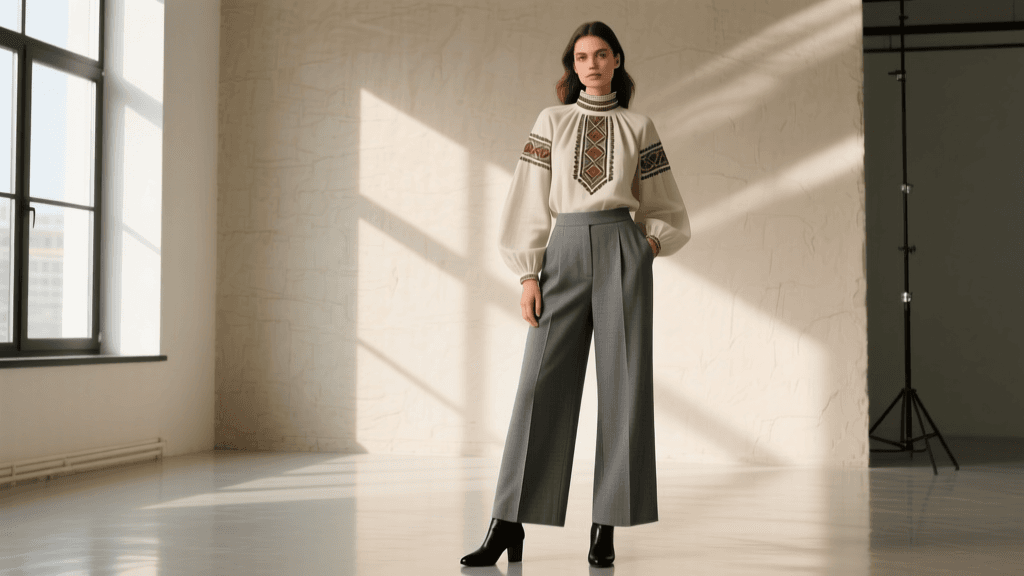
The most visible aspect of the 2026 bunad revival is the deconstruction of the traditional silhouette. Historically, the bunad was worn as a complete, uniform ensemble with strict rules governing everything from the cut of the linen shirt to the specific buckle on the shoe. Today, contemporary styling embraces a modular approach, allowing individual pieces to shine in everyday contexts.
The Stakk (Skirt) as a Wardrobe Staple
The heavy, pleated wool skirt, or stakk, is being reimagined as a standalone piece. In 2026, it is increasingly common to see a meticulously woven Telemark or Hardanger skirt paired with a chunky, oversized cashmere turtleneck or a minimalist organic cotton poplin button-down. This juxtaposition of heavy, structured heritage wool with soft, modern knitwear creates a striking visual balance that is both practical for Nordic winters and highly fashionable.
Footwear: From Traditional Pumps to Sustainable Boots
Perhaps the most debated yet widely adopted change in contemporary bunad styling is footwear. Traditional bunadsko (low-heeled leather pumps with silver buckles) are notoriously impractical for cobblestone streets and modern commuting. The 2026 trend heavily favors high-quality, sustainably tanned leather Chelsea boots or even minimalist, premium white sneakers. This shift prioritizes comfort and mobility, ensuring that the folk dress remains a viable option for all-day wear at cultural festivals, gallery openings, and winter markets.
The Liv (Bodice) Layering Technique
The embroidered bodice, or liv, is being utilized as a structural layering piece. Instead of the traditional white linen undershirt, contemporary stylists are layering the bodice over fine-gauge merino wool base layers or sheer, high-necked silk blouses. This not only extends the wearability of the bunad into the colder months but also introduces new textures and color palettes to the traditional ensemble.
Sustainable Wool Sourcing: The Hillesvåg and Selbu Impact
At the heart of the 2026 bunad revival is a fierce commitment to sustainability and material traceability. The traditional bunad requires specific weights and weaves of wool, and modern consumers are demanding transparency in how these textiles are produced. Organizations like Husfliden have been instrumental in promoting locally sourced, regenerative wool that supports Norwegian agriculture and reduces the carbon footprint of folk dress production.
The focus has shifted toward heritage sheep breeds, specifically the Dalasau and the Spælsau. These breeds produce wool with unique structural properties that are ideal for the demanding weaving and embroidery techniques required for authentic bunads.
| Wool Type | Sheep Breed | Characteristics | 2026 Sustainability Rating |
|---|---|---|---|
| Traditional Bunad Cloth | Dalasau (Dala Sheep) | Dense, durable, excellent drape, takes vibrant dyes well. | High (Locally traced) |
| Revival Outerwear Wool | Spælsau (Old Norwegian Sheep) | Two-layered fleece, highly water-resistant, rustic texture. | Very High (Regenerative grazing) |
| Modern Hybrid Blends | Crossbreed / Recycled | Softer hand-feel, lighter weight, blended with Tencel for drape. | Moderate (Recycled fibers) |
Mills such as Hillesvåg Ullvarefabrikk have introduced new eco-certified dyeing processes in 2026, utilizing plant-based and low-impact synthetic dyes that replicate the vibrant historical reds, deep blues, and rich blacks of the 19th century without the heavy water pollution associated with older textile manufacturing. This ensures that the iconic colors of the Trøndelagsbunad or the Grafferbunad remain vivid while aligning with modern environmental standards.
Embroidery and Textile Techniques in the Modern Era
The soul of the bunad lies in its embroidery, and the 2026 revival has seen a surge in interest regarding traditional needlework techniques, adapted for contemporary aesthetics.
- Hardangersaum (Hardanger Embroidery): Originating from the Hardanger region, this intricate whitework embroidery involves drawn thread and cutwork techniques. In 2026, designers are applying Hardangersaum not just to traditional aprons, but to the cuffs and collars of modern outerwear and blouses, creating a subtle nod to heritage.
- Rosesaum (Rose Embroidery): The vibrant, floral cross-stitch and surface embroidery seen on the Telemark and Valdres bunads are being reinterpreted. Contemporary artisans are experimenting with tone-on-tone embroidery, using deep burgundy thread on black wool for a more understated, urban-friendly look that retains the historical motif but softens the visual impact.
- Oppstadvev (Warp-Weighted Loom Weaving): There is a massive resurgence in traditional loom weaving. Younger weavers are forming cooperatives to produce the intricate striped and checkered linsey-woolsey fabrics required for regional skirts, ensuring that these ancient skills are passed down and fairly compensated in the modern gig economy.
Bunadsølv: The Shift to Matte and Oxidized Silver
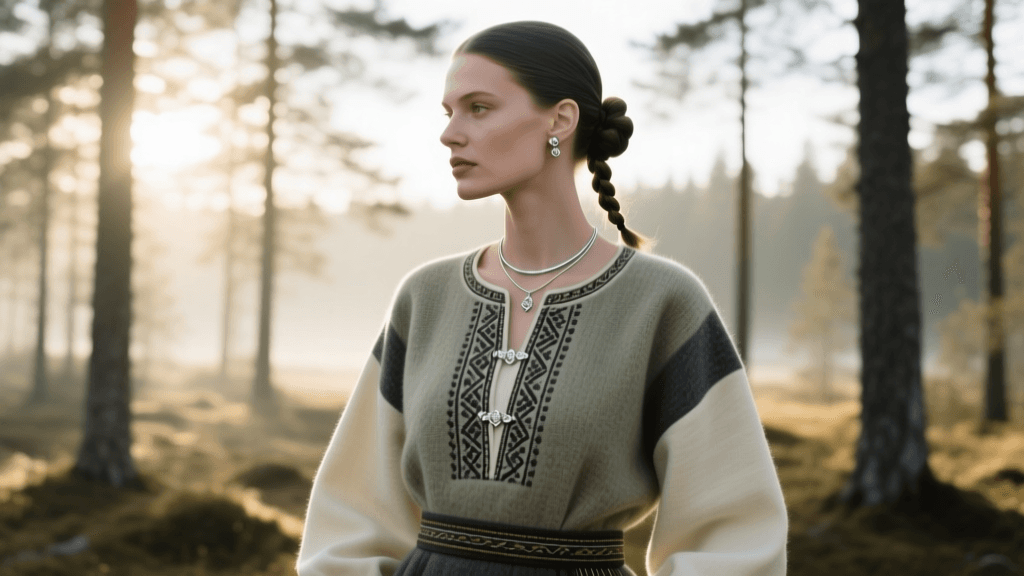
No bunad is complete without bunadsølv, the elaborate silver jewelry that historically served as a family's portable wealth. The traditional aesthetic favors highly polished, intricate filigree (filigransølv) and dangling crown brooches (kroneknapp). However, the 2026 jewelry trend leans heavily toward oxidized, matte-finish silver.
Contemporary Norwegian silversmiths are introducing brushed and blackened silver finishes that give the jewelry an antique, rugged appearance. This oxidized look pairs exceptionally well with the modern, deconstructed styling of the bunad, bridging the gap between folk heritage and modern minimalist jewelry trends. Furthermore, there is a growing preference for modular silver pieces—brooches that can be detached from their traditional clasps and worn as pendants on modern silver chains, or cufflinks that double as hairpins, maximizing the utility and wearability of these precious heirlooms.
Sourcing and Cost Guide for 2026
Investing in a bunad is a significant financial commitment, often compared to purchasing a high-end luxury garment or a piece of fine jewelry. The 2026 market offers several pathways for acquisition, ranging from strict bespoke commissions to modern hybrid interpretations.
| Acquisition Type | Description | Estimated Cost (USD) | Lead Time |
|---|---|---|---|
| Full Bespoke (Traditional) | Hand-woven wool, custom embroidery, strict historical accuracy, fitted by a master tailor. | $4,500 - $7,500+ | 12 - 18 Months |
| Hybrid / Contemporary | Machine-woven sustainable wool, simplified embroidery, modernized fit and closures. | $2,000 - $3,500 | 3 - 6 Months |
| Modular Separates | Purchasing individual pieces (e.g., just the skirt or bodice) for contemporary styling. | $600 - $1,500 | 1 - 3 Months |
| Vintage / Upcycled | Sourcing mid-century bunads from estate sales and altering them for modern sustainable wear. | $800 - $2,500 | Immediate |
For those looking to enter the bunad market in 2026 without the multi-year waitlist of a full bespoke commission, the modular separates route is highly recommended. Purchasing a high-quality, traditionally woven wool skirt and pairing it with contemporary wardrobe staples allows for immediate participation in the folk dress revival while spreading the financial investment over time.
Preserving Heritage Through Modern Wear
The European folk dress revival of 2026 proves that tradition is not a static museum piece; it is a dynamic vocabulary for the future. By embracing sustainable wool sourcing, reimagining the silhouette for contemporary streetwear, and updating the finish of traditional silver, a new generation is ensuring that the Norwegian bunad remains relevant, vibrant, and deeply personal. Whether worn in its full, glorious ensemble on May 17th, or deconstructed into a wool skirt and knitwear combo for a brisk autumn walk in Oslo, the bunad continues to weave the rich tapestry of European cultural heritage into the fabric of modern life.