Bavarian Tracht & Austrian Dirndl: 2026 Regional Folk Dress Guide
The 2026 Renaissance of Alpine Folk Dress
As we navigate through 2026, the cultural landscape of Central Europe is witnessing a profound renaissance in traditional Alpine folk dress. While global fast-fashion brands continue to push mass-produced, synthetic 'Oktoberfest costumes' to international tourists, cultural preservationists, regional tailors, and contemporary artisans are championing a return to authentic, historically accurate garments. Today's enthusiasts are increasingly rejecting homogenized festival wear in favor of garments that reflect specific valleys, towns, and historical guilds. This comprehensive guide explores the intricate regional differences between Bavarian Tracht and the Austrian Dirndl, providing a detailed look at textiles, tailoring costs, and local traditions shaping the market in 2026.
Defining the Terms: Tracht vs. Landhausmode
Before diving into regional specifics, it is crucial to distinguish between genuine Tracht and Landhausmode (or Trachtenmode). Genuine Tracht is deeply rooted in a specific geographic region and historical context. It is governed by unwritten (and sometimes written) local codes regarding color, fabric, embroidery, and accessories. Landhausmode, conversely, is a fashion category inspired by rural Alpine life but free from strict regional rules. According to the Trachteninformationszentrum in Benediktbeuern, the preservation of historical Tracht patterns requires strict adherence to original materials, such as hand-woven linen, vegetable-tanned leather, and natural dyes, which are seeing a massive resurgence in 2026 due to sustainable fashion movements.
Austrian Dirndl: Regional Variations Across the States
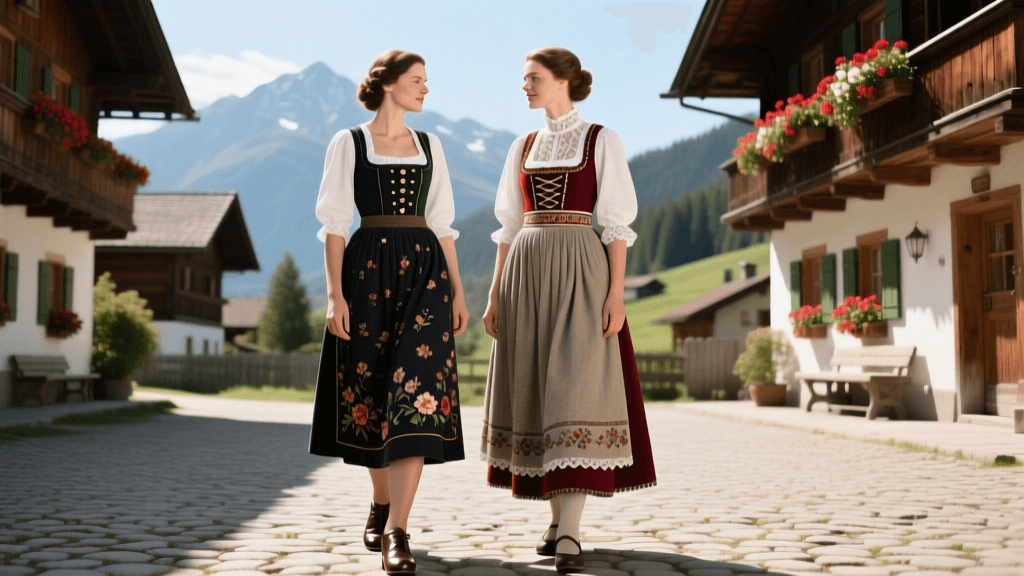
The Austrian Dirndl is not a single garment but a vast family of regional dresses, each with distinct silhouettes, color palettes, and accessory requirements. In 2026, the most prominent regional variations include the following:
Salzburg and the Goldhaube Tradition
The Salzburger Dirndl is characterized by its elegant, modest cut and wide, rounded collars. The bodice is often made of dark silk or fine wool, while the apron (Schürze) is traditionally tied with specific regional knots that historically indicated marital status. For formal and religious occasions, the Dirndl is paired with the Salzburger Goldhaube, an intricate golden bonnet. In 2026, Salzburg Volkskultur has heavily subsidized apprenticeships in Goldstickerei (gold embroidery) to ensure the survival of this painstaking craft, as a single authentic Goldhaube can take over 300 hours to complete by hand using real gold threads.
The Salzkammergut and the Ausseer Tracht
Originating from the alpine lake region overlapping Upper Austria and Styria, the Ausseer Dirndl is instantly recognizable by its vibrant color blocking. The traditional ensemble features a purple or pink silk bodice, a pastel blue skirt, and a hand-printed silk apron. The aprons are often created using Blaudruck (blueprint), a traditional resist-dyeing technique. In 2026, authentic Blaudruck aprons from the few remaining family-run workshops in the Salzkammergut are highly sought after, with waiting lists stretching several months.
Tyrol and Zillertaler Schwarzstickerei
Moving west into the Tyrolean Alps, the Zillertaler Tracht presents a stark contrast to the bright pastels of the east. This regional dress relies on heavy, dark wools and deep forest greens. The defining feature is Schwarzstickerei—elaborate black-on-black embroidery on the bodice and apron. The subtle, tonal embroidery catches the light beautifully and requires master-level textile skills. Tyrolean Tracht also frequently incorporates the Schaube, a short, heavily pleated wool jacket worn over the bodice for warmth during harsh alpine winters.
Bavarian Tracht: Beyond the Munich Oktoberfest
While Munich's Oktoberfest dictates global perceptions of Bavarian dress, true Bavarian Tracht is incredibly diverse, varying dramatically from the Alpine south to the Franconian north.
Upper Bavaria: The Miesbacher Tracht
The Miesbacher Tracht is widely considered the gold standard of Upper Bavarian men's and women's folk dress. For men, the centerpiece is the grey Loden jacket (Trachtenjanker) adorned with genuine horn buttons, paired with knee-breeches (Lederhosen) made from brain-tanned deer leather. The iconic Miesbacher hat features a distinct crown and is often decorated with a rooster feather or eagle down. The Bayerisches Nationalmuseum in Munich houses extensive 19th-century Miesbacher textiles, which contemporary 2026 tailors use as exact reference points to recreate historical stitching techniques and natural dye recipes that had nearly vanished in the late 20th century.
Franconia: The Bamberger Silhouette
Often overlooked by international visitors, Franconian Tracht (Frankentracht) in northern Bavaria offers a completely different aesthetic. The Bamberger Tracht for women features a longer, ankle-grazing skirt and a heavily structured, dark bodice with intricate front-lacing using silver hooks and cords. The color palette is notably somber, relying on deep blacks, navy blues, and burgundies, reflecting the historical Protestant influences and mercantile wealth of the region, contrasting sharply with the Catholic Alpine south.
2026 Sourcing, Tailoring, and Cost Breakdown
The market for Alpine folk dress in 2026 is sharply divided between mass-produced imports and artisan-crafted heritage garments. Due to rising costs of ethically sourced European wool, natural dyes, and specialized artisan labor, the price of authentic Tracht has increased this year. Below is a comparative breakdown of what consumers can expect to pay for various tiers of Alpine folk dress in 2026.
| Garment Category | Mass-Market (Trachtenmode) | Artisan Made-to-Measure | Bespoke Historical Replica |
|---|---|---|---|
| Authentic Dirndl (Full Set) | €150 - €350 | €800 - €1,400 | €2,500 - €4,500+ |
| Lederhosen (Knee-breeches) | €120 - €250 | €600 - €950 | €1,500 - €2,800 |
| Herren Trachtenjanker (Jacket) | €90 - €200 | €450 - €800 | €1,200 - €2,000 |
| Hand-Printed Silk Apron | €40 - €80 | €150 - €300 | €400 - €750 |
When investing in bespoke or made-to-measure Tracht in 2026, buyers should expect a consultation process that includes precise anatomical measurements, fabric selection from regional mills (such as the historic Lodenwalke mills in Austria), and multiple fitting sessions. A fully bespoke Dirndl or Lederhosen is not merely a piece of clothing; it is a wearable archive of regional history designed to last a lifetime and be passed down through generations.
Essential Accessories and Footwear
No regional Tracht is complete without its specific accessories. For men, the Charivari—a silver chain worn across the chest of the Lederhosen or jacket—remains a status symbol. Historically decorated with hunting trophies like badger claws or deer antlers, 2026 trends show a shift toward sustainably sourced, cast-silver replicas of these trophies to protect local wildlife populations.
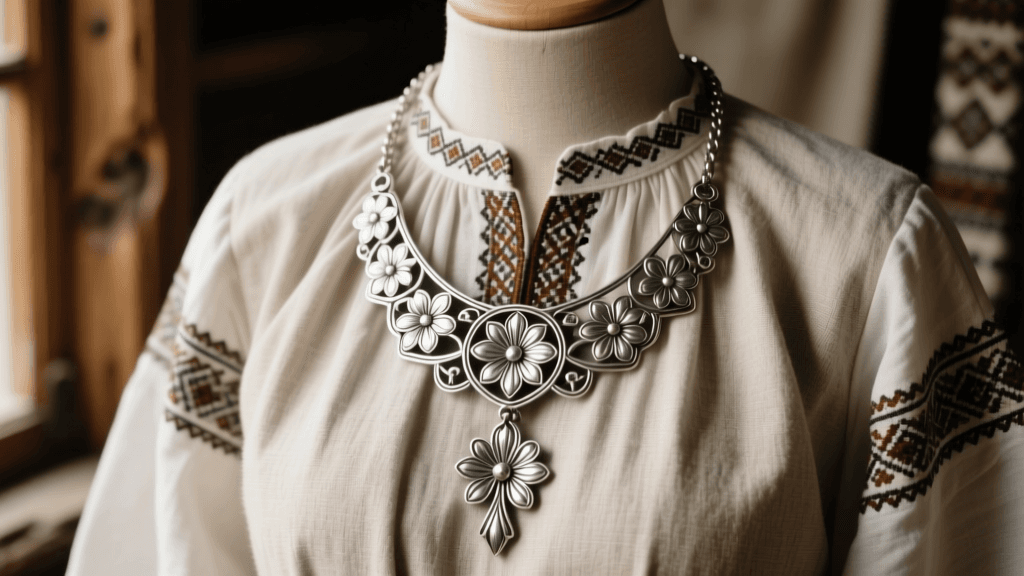
Footwear is equally critical. The traditional Haferlschuh (a sturdy alpine shoe with a side-lacing system and hobnailed leather sole) is experiencing a revival among bespoke cobblers in Bavaria and Tyrol. Modern iterations in 2026 often utilize eco-friendly, vegetable-tanned leathers and natural rubber-blend soles for better traction on modern cobblestone streets while maintaining the historical silhouette. For women, the Dirndlkette (a multi-strand silver chain necklace) and the Kropfband (a velvet choker with a central gemstone) are essential for formal regional events.
Preserving Heritage in a Modern Era
The year 2026 marks a pivotal moment for European folk dress. The tension between commercialization and cultural preservation has never been higher, but the dedication of local artisans, cultural institutions, and a new generation of heritage-conscious consumers is ensuring the survival of these garments. By understanding the profound regional differences between a Tyrolean Schwarzstickerei bodice and a Franconian laced corset, or a Miesbacher Loden jacket and a Salzburg Goldhaube, we move beyond treating these garments as mere costumes. Instead, we recognize them as vital, living expressions of European cultural identity, textile mastery, and regional pride.