Best Ukrainian Vyshyvanka Shirts 2026: Sourcing Guide
The Renaissance of the Vyshyvanka in 2026
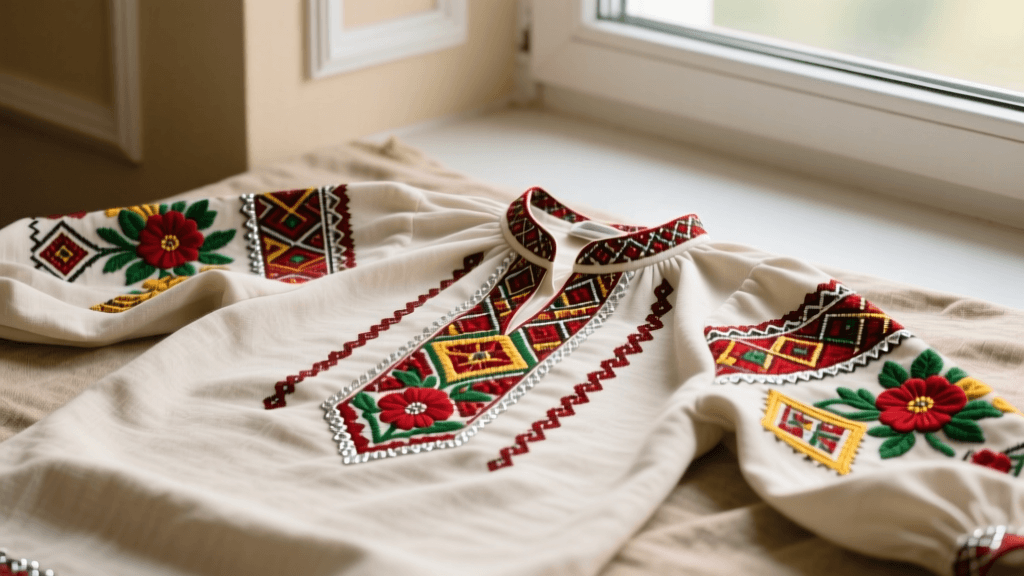
The Ukrainian Vyshyvanka is far more than a mere garment; it is a woven manuscript of history, identity, and resilience. As we navigate the fashion landscape of 2026, the global appreciation for Eastern European folk dress has reached unprecedented heights. Driven by a collective desire to preserve cultural heritage and a broader shift toward slow, meaningful fashion, the Vyshyvanka has transitioned from a ceremonial artifact to a staple of contemporary wardrobes worldwide. However, this surge in popularity has also saturated the market with mass-produced, machine-embroidered imitations that lack the soul and precision of true artisanal work. For collectors, cultural enthusiasts, and fashion-forward individuals in 2026, understanding the nuances of regional embroidery, sourcing authentic pieces, and properly caring for these textiles is essential. This comprehensive guide will walk you through the rich tapestry of Slavic and Balkan-inspired Eastern European embroidery, focusing specifically on the Ukrainian tradition, providing you with the actionable insights needed to make informed, respectful, and stylish purchases this year.
Understanding Regional Embroidery Patterns
According to extensive archives on Ukrainian embroidery traditions, the motifs and techniques vary drastically from one oblast to another. In 2026, discerning buyers look for these specific regional hallmarks to verify authenticity and cultural accuracy.
Poltava Region: The Elegance of White-on-White
The Poltava region is globally renowned for its "bil po bilomu" (white-on-white) embroidery. This technique is a masterclass in subtlety and texture. Artisans utilize up to a dozen different stitching methods—including cutwork (merezhka), satin stitch, and hemstitching—to create intricate geometric and floral patterns that rely on shadow and light rather than color contrast. In 2026, authentic Poltava pieces are highly sought after for their quiet luxury aesthetic, often commanding premium prices due to the hundreds of hours required to complete a single shirt.
Hutsulshchyna: Geometric Vibrancy of the Carpathians
Originating from the Carpathian Mountains, Hutsul embroidery is immediately recognizable by its dense, geometric patterns and vibrant color palettes. Traditional motifs include stars, rhombuses, and stylized tree of life designs, typically worked in cross-stitch using red, black, green, and yellow threads. Modern 2026 interpretations from Hutsul artisans often incorporate subtle metallic threads or glass beads, elevating the folk costume into high-end evening wear while strictly adhering to ancestral geometric codes.
Kyiv and Central Ukraine: Stylized Flora
The Kyiv region favors stylized, flowing floral motifs. The viburnum (kalyna), oak leaves, and hop vines are predominant, symbolizing strength, beauty, and continuity. The color palette is traditionally anchored in deep reds and blacks, though contemporary 2026 designs frequently introduce muted earth tones and soft blues to align with modern minimalist styling. The stitching here often blends cross-stitch with the "zavolikannya" (running stitch) technique, creating a ribbed, textured effect that mimics woven fabric.
2026 Sourcing Guide: Where to Buy Authentic Pieces
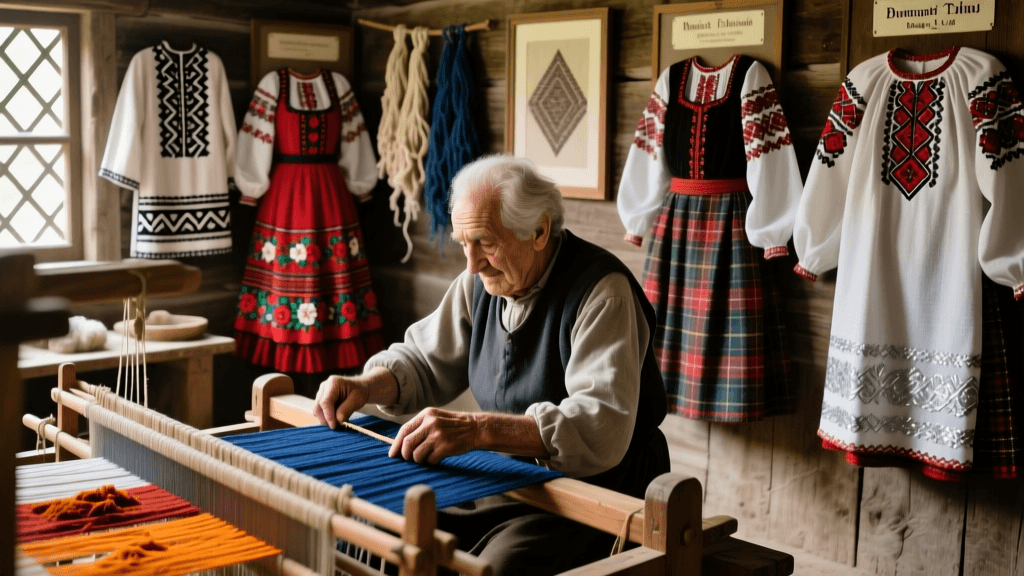
Sourcing an authentic Vyshyvanka in 2026 requires navigating a mix of heritage cooperatives, independent artisans, and modern ethical brands. Institutions like The Ukrainian Museum frequently highlight the importance of supporting verified artisan networks to ensure the survival of these intangible cultural heritage techniques. When purchasing, always inquire about the base fabric (authentic pieces use hand-loomed linen or high-grade cotton) and the origin of the threads.
| Source / Brand Type | Primary Region | Technique | 2026 Price Range (USD) | Lead Time |
|---|---|---|---|---|
| Heritage Artisan Co-ops | Poltava | White-on-white Cutwork | $450 - $800 | 8 - 12 Weeks |
| Independent Hutsul Masters | Carpathians | Dense Cross-Stitch & Beadwork | $300 - $650 | 4 - 8 Weeks |
| Ethical Modern Brands | Kyiv / Lviv | Machine-Assisted Hand-Finish | $120 - $250 | In-Stock / 2 Weeks |
| Custom Bespoke Tailors | Volyn / Polissya | Red & Black Running Stitch | $350 - $550 | 6 - 10 Weeks |
How to Verify Handmade Embroidery
With the proliferation of AI-driven embroidery machines in 2026, distinguishing between handmade and machine-made pieces requires a trained eye. Here is a practical checklist for buyers:
- Inspect the Reverse Side: Handmade cross-stitch and running stitches will look remarkably neat on the reverse side, often mirroring the front. Machine embroidery typically features messy bobbin threads, loose jump stitches, or a uniform, flat lockstitch backing.
- Examine the Thread Texture: Artisans use mercerized cotton, natural linen, or silk threads that have a distinct, organic luster. Machine threads are often high-sheen polyester that looks overly synthetic under direct light.
- Check the Fabric Grain: Authentic hand-loomed linen has slight irregularities in its weave, known as slubs. If the base fabric is perfectly uniform, it is likely factory-milled, which is acceptable for modern brands but should not be sold as "hand-loomed heritage."
- Look for Minor Imperfections: True handmade work possesses a human element. A slightly asymmetrical motif or a tiny variation in stitch tension is a hallmark of human craftsmanship, not a defect.
"A true Vyshyvanka is not just worn; it is read. The stitches are a language of protection, fertility, and ancestral memory, and no machine can replicate the intention woven into every knot." — Olena Kulchytska, Heritage Textile Conservator.
Modern Styling and Care for 2026
The way we style traditional Eastern European folk dress has evolved significantly. In 2026, the "heritage minimalist" trend dominates, where the Vyshyvanka is treated as a statement piece rather than a full costume.
Styling Recommendations
- For the Workplace: Pair a subtle Poltava white-on-white linen shirt with tailored, wide-leg charcoal trousers and minimalist leather loafers. The texture of the embroidery provides visual interest without overwhelming a professional setting.
- For Evening Wear: A Hutsul-inspired blouse with dense beadwork pairs beautifully with a sleek, floor-length black silk skirt. Let the folk garment serve as the focal point of your ensemble.
- Casual Streetwear: Tuck a relaxed-fit Kyiv-style Vyshyvanka into high-waisted vintage denim, finishing the look with structured ankle boots and a modern leather crossbody bag.
Essential Care Instructions
Preserving the structural integrity of natural fibers and handmade stitches is paramount. Never machine-wash an authentic Vyshyvanka. Instead, hand-wash the garment in cool water (below 30°C) using a pH-neutral, eco-friendly detergent designed for delicate natural fibers. Do not wring or twist the fabric; instead, gently press out excess water and roll the shirt in a clean, dry cotton towel to absorb moisture. Always iron the garment on the reverse side over a thick, damp pressing cloth. This technique protects the three-dimensional texture of the embroidery stitches from being crushed by the heat of the iron, ensuring your heritage piece remains pristine for decades.
Conclusion: Wearing History in the Modern Era
Investing in an authentic Ukrainian Vyshyvanka in 2026 is an act of cultural preservation and a commitment to sustainable fashion. By understanding the distinct regional dialects of Eastern European embroidery, supporting verified artisans, and caring for these garments with the respect they deserve, you become a custodian of Slavic heritage. Whether you are drawn to the quiet elegance of Poltava cutwork or the vibrant geometry of the Carpathians, your choices help ensure that these ancient textile traditions continue to thrive in the modern wardrobe.